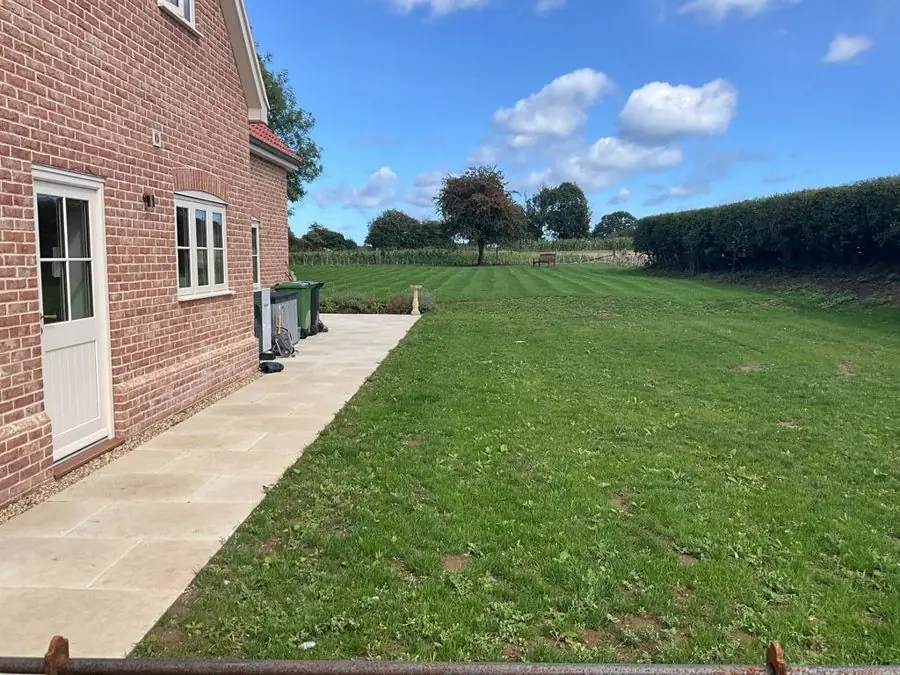
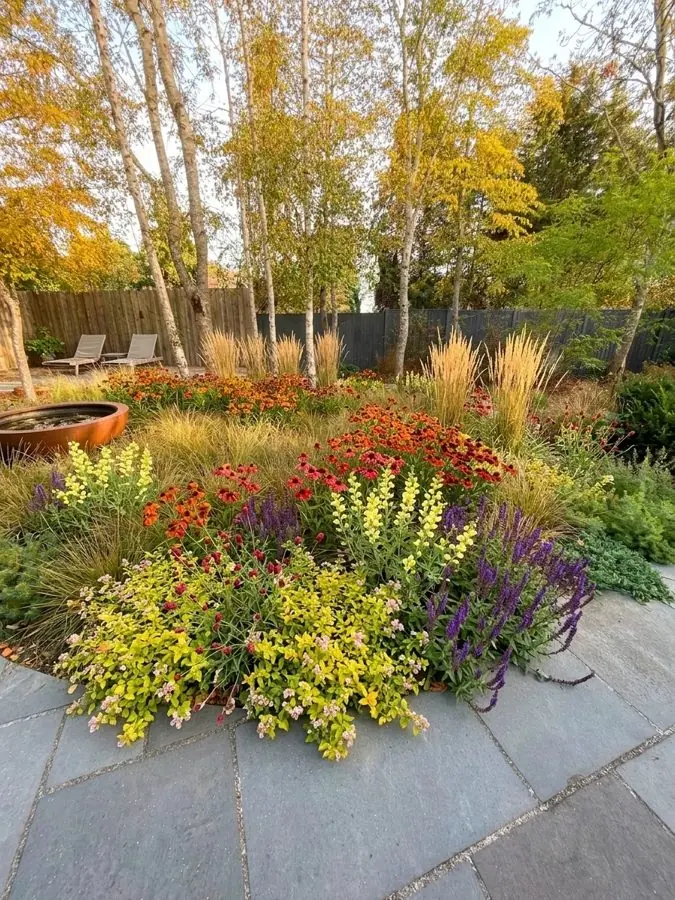
Prairie garden design and ideas
Prairie garden design means ornamental grasses woven through long-flowering perennials such as coneflowers, heleniums and salvias, planted in drifts that repeat across the garden and peak from late summer into autumn.
Design my garden
First 3 designs free · No card
11 real prairie garden ideas
11 pictures of prairie gardens, every one a real garden redesigned with the app. Tap Before to see how it started, or Get this garden to try the look on yours.
Prairie planting ideas
Naturalistic garden ideas: grasses and long-flowering perennials in drifts through gravel, round a pond, under birch trees, and a modern prairie garden by a new house. 6 gardens
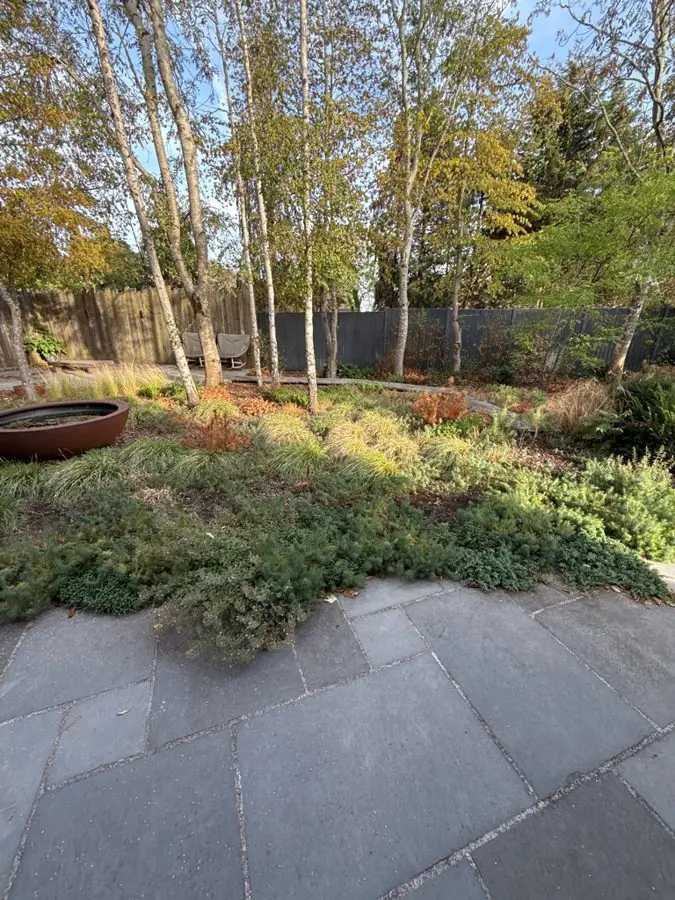
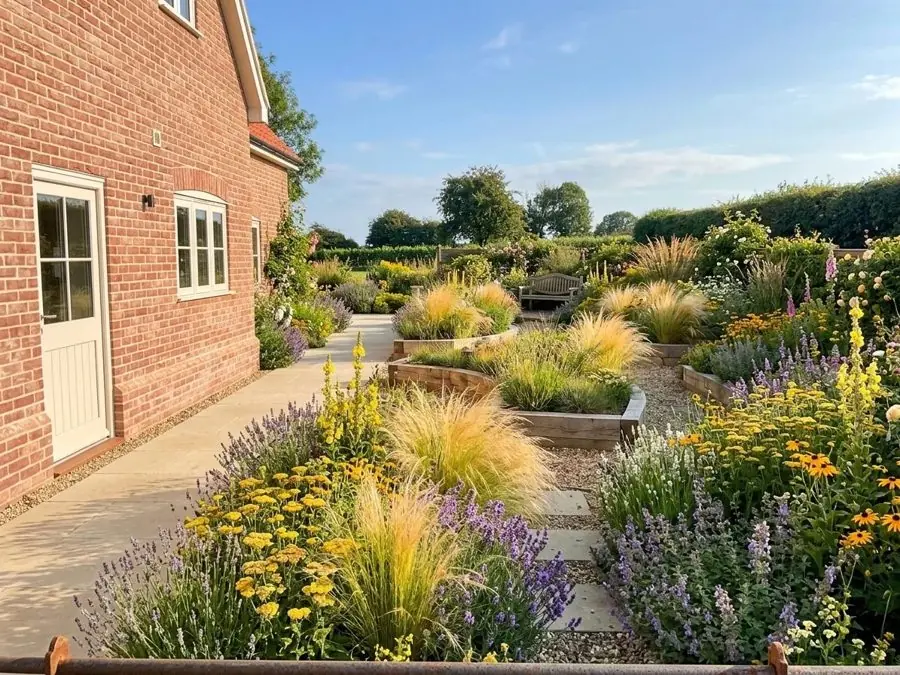
Gold grasses in raised beds
Get this garden →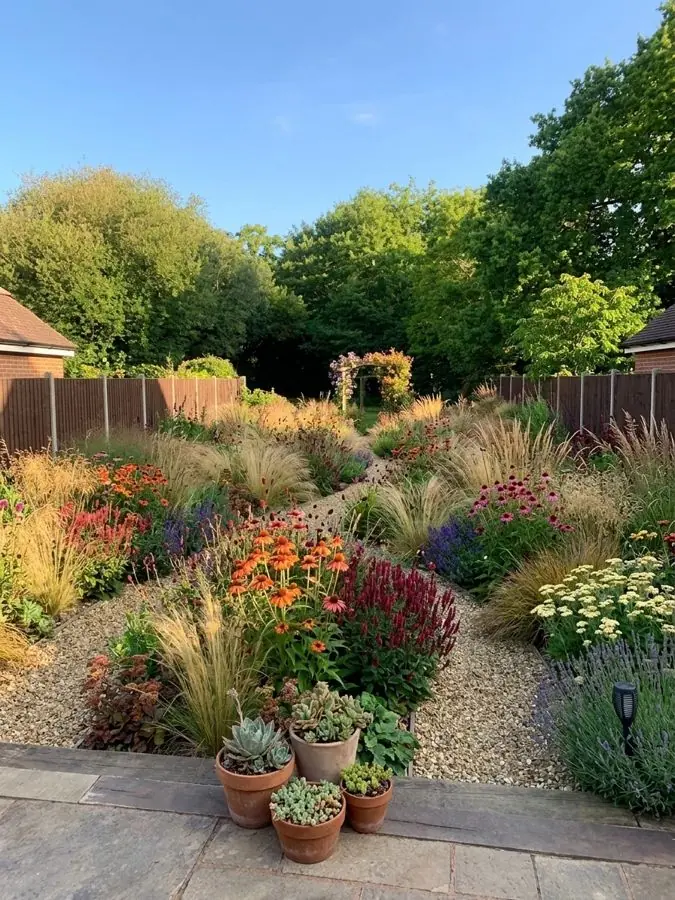
Grasses and gravel with orange daisies
Get this garden →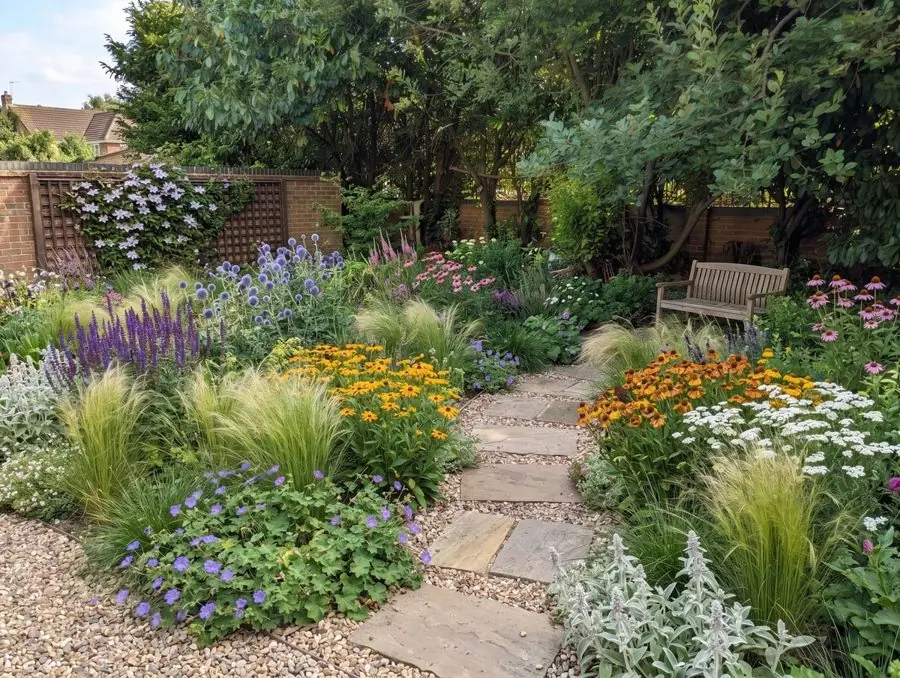
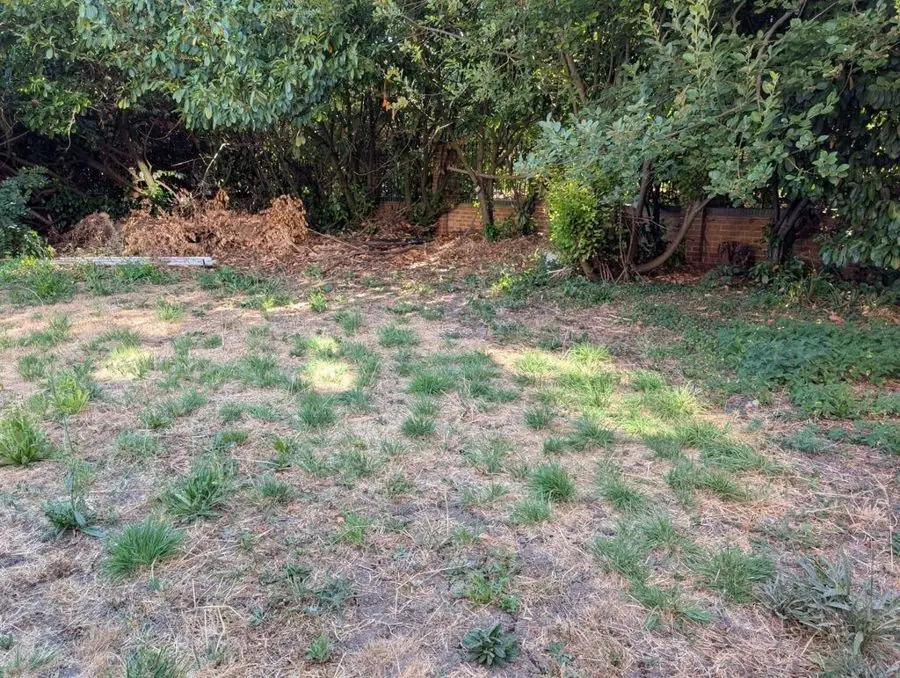
Grasses and daisies round a stone path
Get this garden →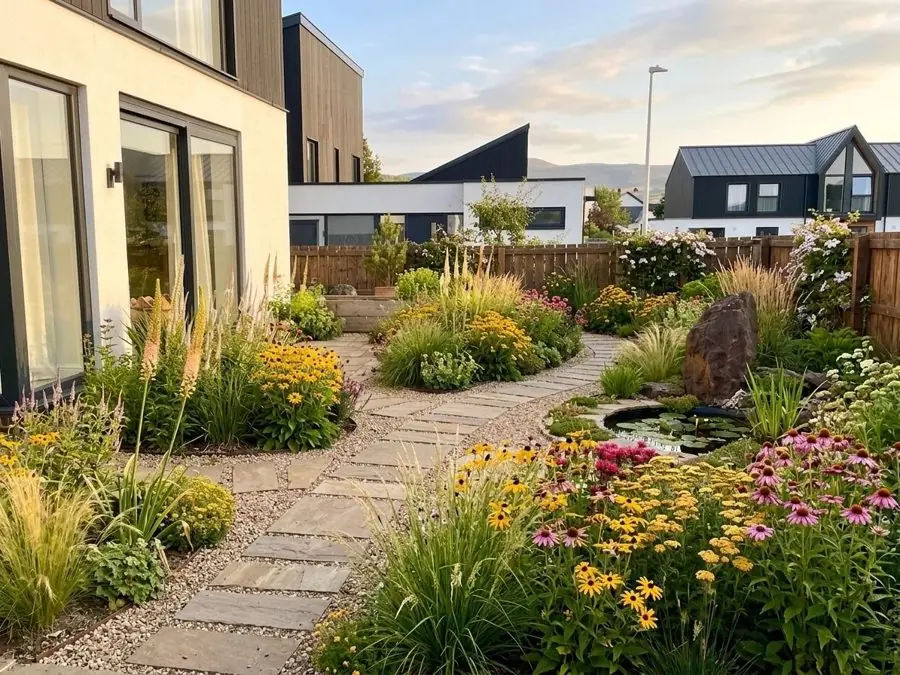
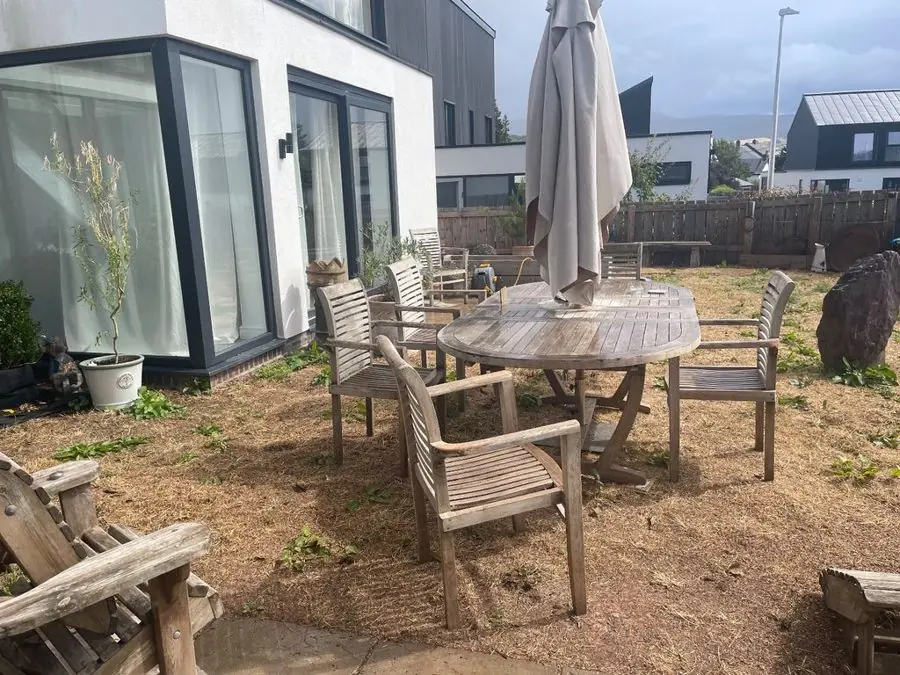
Golden grasses and a small pond
Get this garden →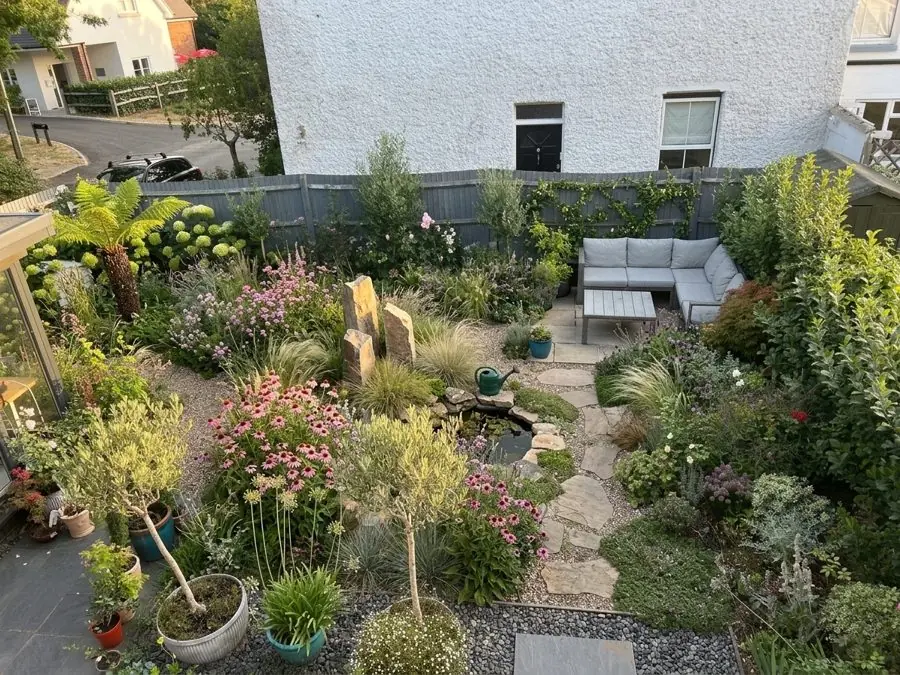
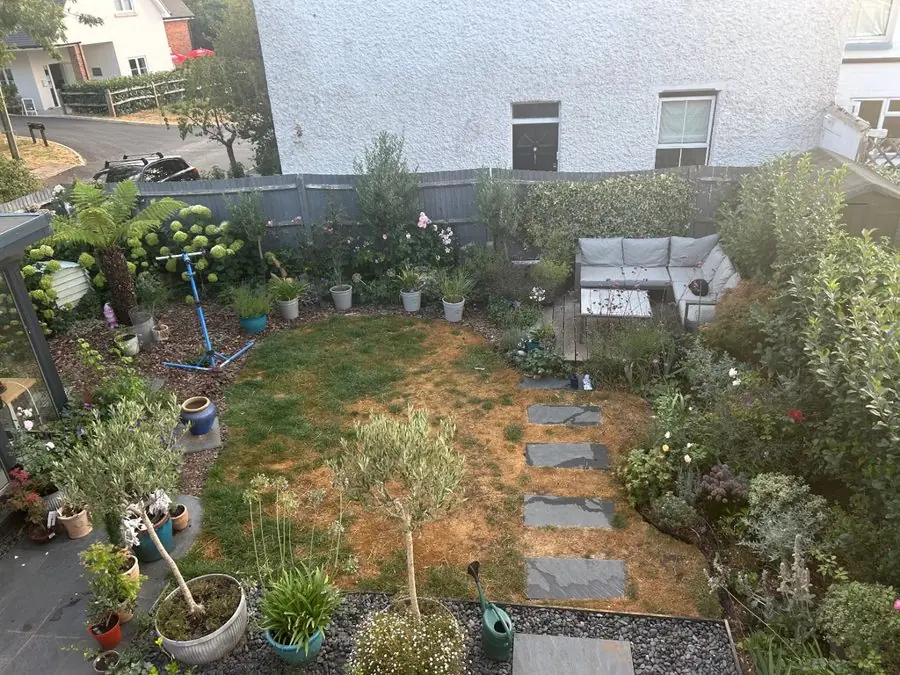
Coneflowers, grasses and a small pond
Get this garden →Small prairie garden ideas
Narrow and new build back gardens, a front garden and a bare corner, each planted with a few grasses and flowers, repeated. 5 gardens
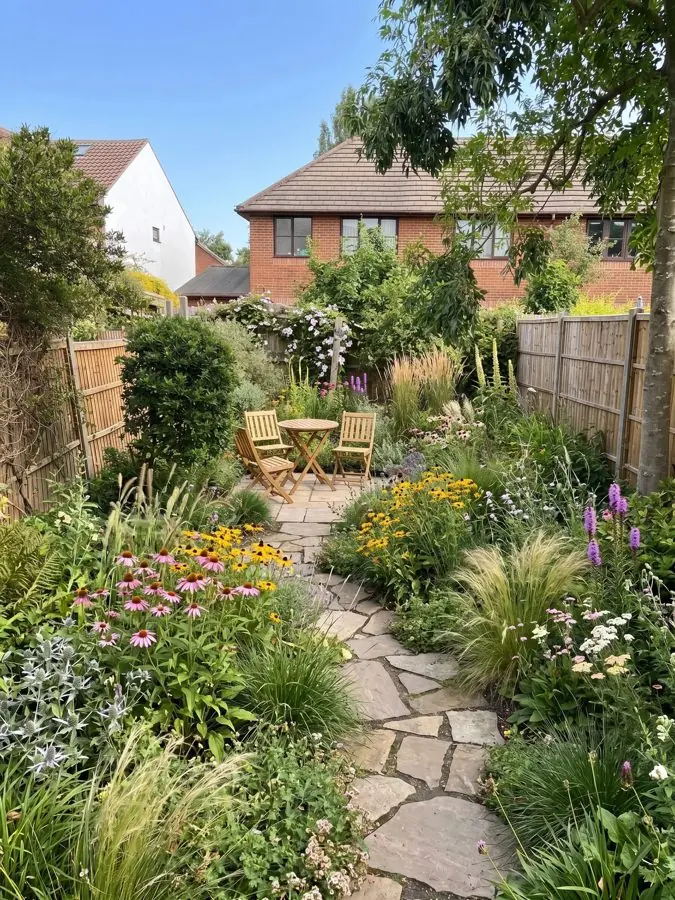
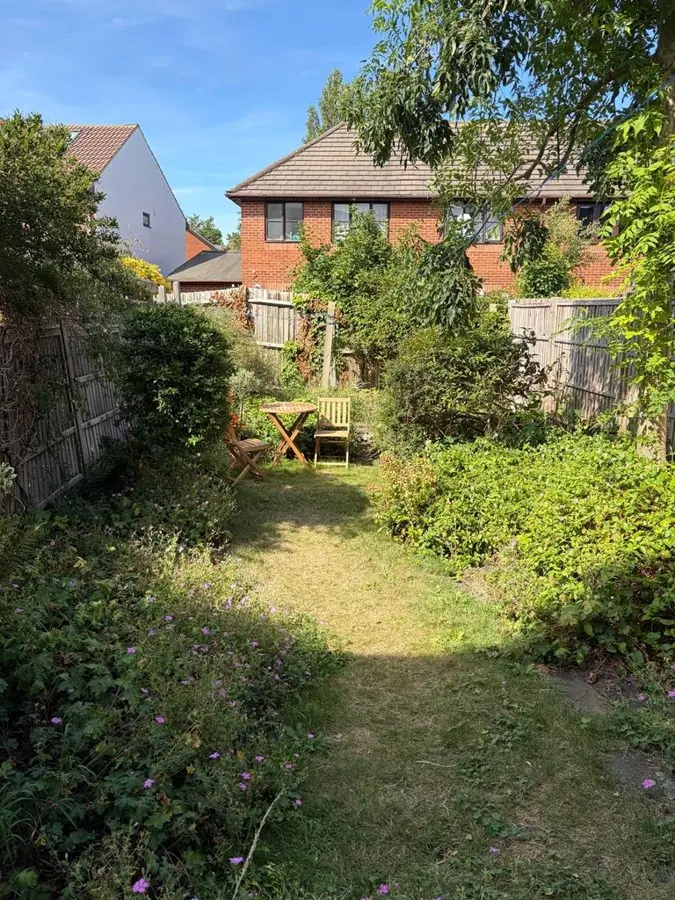
Stone path through coneflowers and grasses
Get this garden →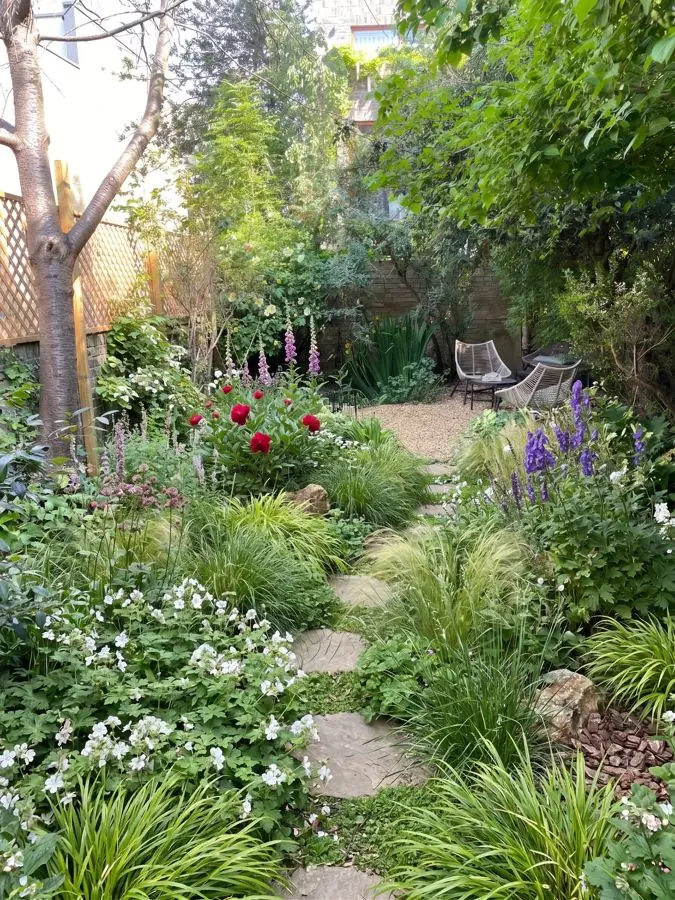
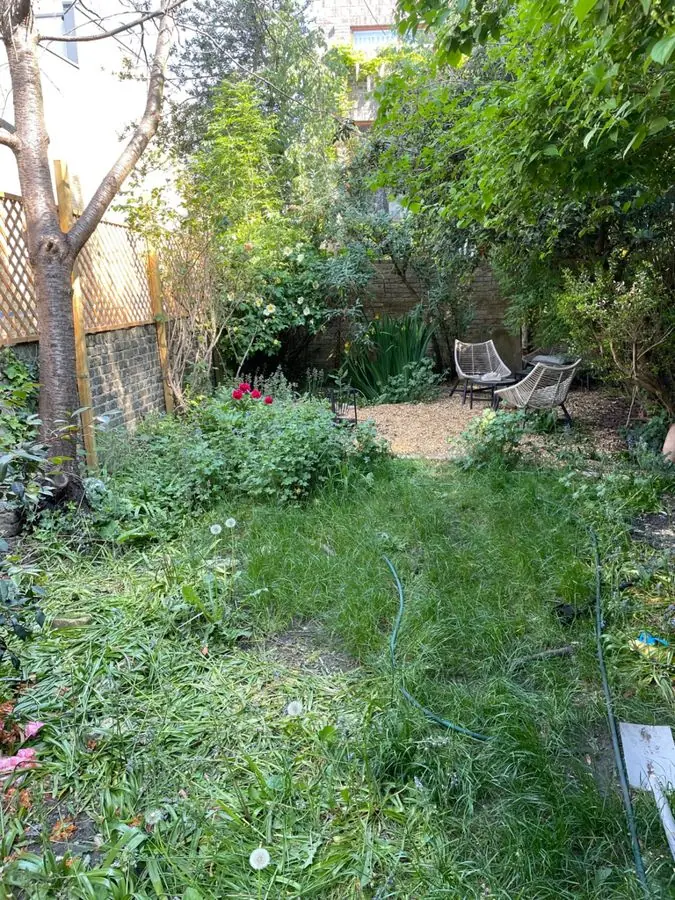
Stepping stones through grasses
Get this garden →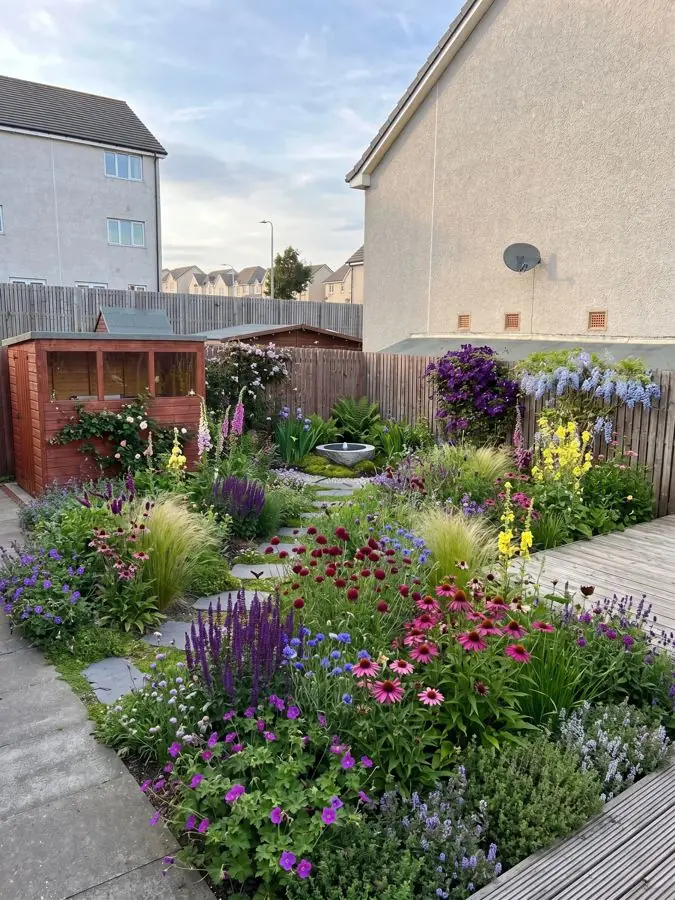
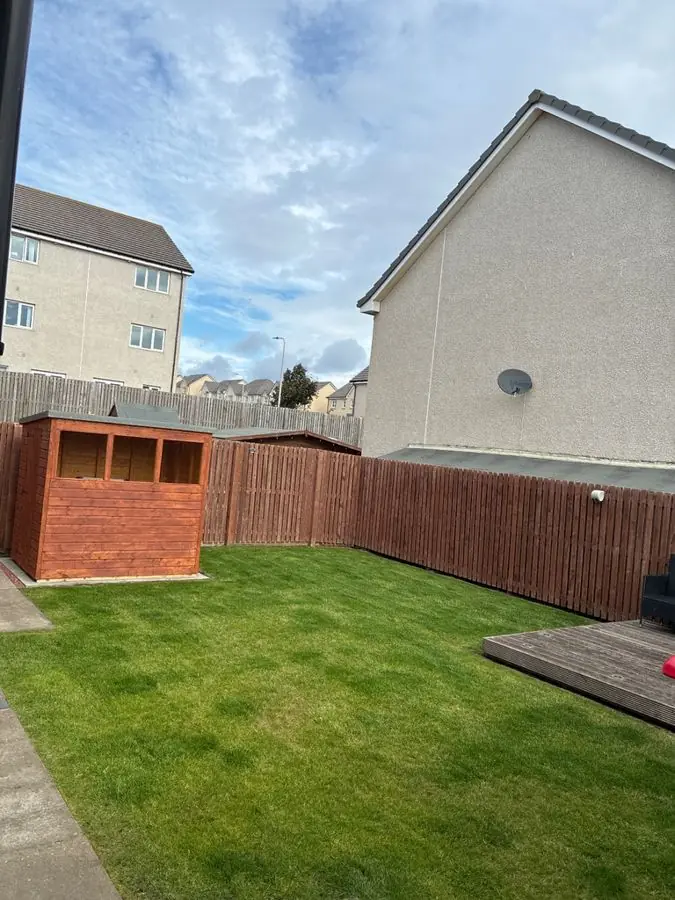
Coneflowers and salvias by the decking
Get this garden →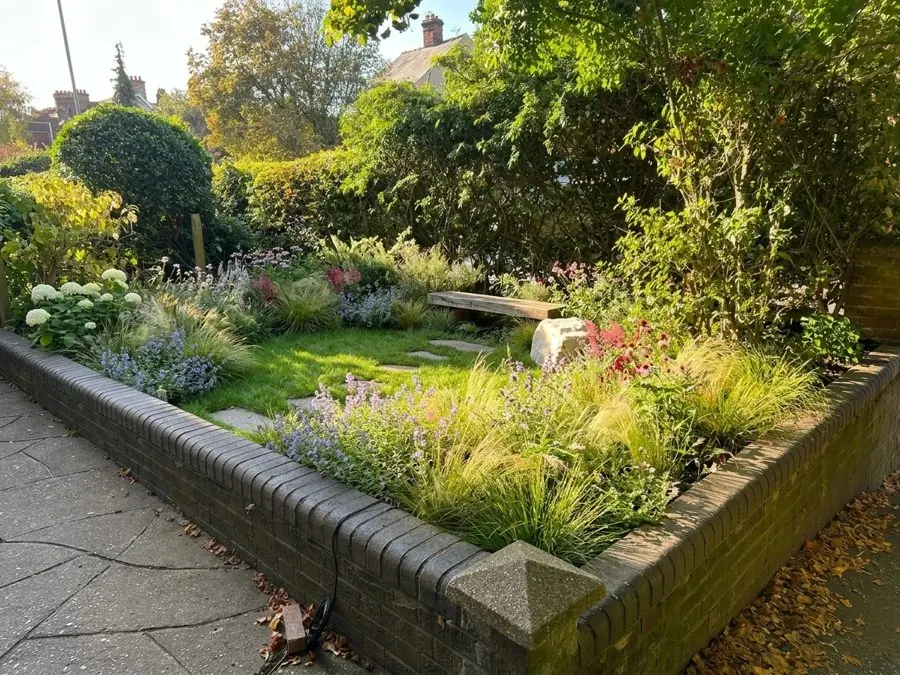
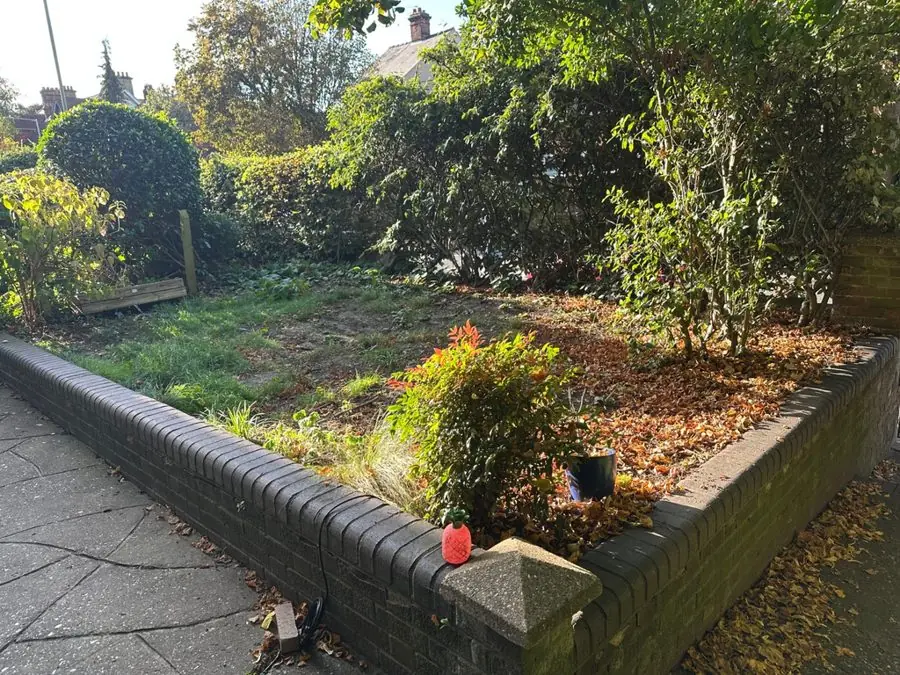
Feather grass and catmint round a front lawn
Get this garden →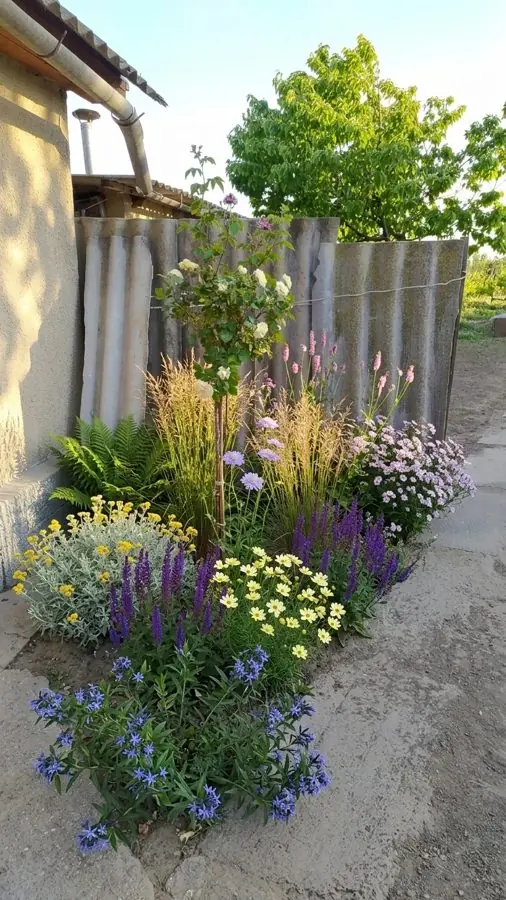
Grasses and daisies in a bare corner
Get this garden →How to design a prairie garden
The few ideas behind every garden above, and how to plant a prairie garden of your own from them.
What makes a prairie garden
A prairie style garden borrows its look from the wild grasslands of North America: ornamental grasses and tough, long-flowering perennials set in loose drifts, with the same few plants repeated so the whole garden reads as one sweep. It is part of the naturalistic planting style that the Dutch designer Piet Oudolf made famous, often called new perennial planting, where the shape of a plant counts as much as its flower and the seed heads stay standing through winter.
Making a prairie garden work in the UK
Most of these plants come from open grassland, so give them the sunniest part of the garden. Ordinary garden soil suits them as long as it does not sit wet all winter; on heavy clay, lean on the plants that cope with it, such as heleniums, asters and molinia. Plant small, in groups of three, five or seven, close enough that the leaves meet within a season. Leave the stems and seed heads standing for the frost and the birds, and cut them down in late winter before the new growth comes.
How to lay out a prairie garden
Start with what stays: the house, the fences, the trees and the seat you already use. Then run a path through the planting, of stepping stones, gravel or a mown strip, so you walk among the plants rather than past them. Put the tallest grasses at the back, but bring a few see-through ones such as stipa and verbena bonariensis right to the front. A prairie border planting plan follows the same idea: a short list of plants, each repeated every metre or so along the fence. Prairie planting in a small garden needs even fewer kinds, three or four perennials and one grass, as in the narrow gardens above.
Prairie plant combinations
A few pairings carry most of the gardens above: pink coneflowers with the fine, pale heads of Mexican feather grass; orange heleniums and golden rudbeckia against the upright stems of feather reed grass; purple salvias with the flat plates of achillea; and sedums and asters with molinia to carry the colour into autumn. Pick one grass and two or three flowers and repeat them. Plant the grass densely enough to fill every gap between the flowers and you have matrix planting.
See it on your own garden first
Garden Design App builds the design around your actual garden. It reads a photo of your space, keeps your trees and fences where they are, and redesigns the planting into drifts of grasses and flowers you could genuinely grow.
From an idea to a plan you can plant
When one of the designs clicks, the Pro and Max plans turn it into a prairie planting plan: every plant named, how big each grows and where each goes, with a month by month flowering calendar that runs from the first flowers of early summer to the seed heads of winter.
12 prairie garden plants
The plants that make the look: grasses for movement, and long-flowering perennials repeated through them.
- Feather reed grass
- Mexican feather grass
- Molinia
- Echinacea
- Rudbeckia
- Helenium
- Salvias
- Achillea
- Sedum
- Verbena bonariensis
- Perovskia
- Asters
More prairie garden ideas

A narrow strip of artificial grass under a spiral staircase becomes a curving stone path through borders of grasses and perennials: Mexican feather grass, blue fescue, delphiniums and verbena.

A narrow strip of lawn becomes a paved path through lavender, salvias, coneflowers and feather grasses to a small table, in our small back garden ideas makeover.

For planting chosen for bees, birds and butterflies, see our wildlife garden design ideas.
Prairie garden design questions
What is a prairie garden?
A garden planted like a wild grassland: ornamental grasses mixed with tough, long-flowering perennials such as coneflowers, rudbeckia, heleniums and salvias, in loose drifts that repeat across the garden. It flowers from midsummer into autumn and keeps its stems and seed heads through winter.
What is a Piet Oudolf garden?
Piet Oudolf is a Dutch garden designer known for naturalistic planting: big drifts of grasses and perennials chosen as much for their shape and seed heads as for their flowers. His best known work includes the planting on the High Line in New York and the Oudolf Field at Hauser & Wirth Somerset. A prairie garden uses the same ideas at the scale of a home garden.
What is the difference between a prairie garden and a meadow?
A meadow is mostly grass with wildflowers growing through it, and is often sown from seed. A prairie garden is planted: clumps of perennials and ornamental grasses set out in drifts, with taller flowers and a season that runs from midsummer into winter.
Does prairie planting work in a small garden?
Yes. Use fewer kinds, one grass and three or four perennials, repeated, with a path or stepping stones through them. See-through plants such as stipa and verbena bonariensis stop a small space feeling crowded. Several of the gardens above are narrow town gardens.
When does a prairie garden look its best?
From late summer into autumn, when the grasses flower and the coneflowers, heleniums and asters are out. The stems and seed heads then stand through winter, so the garden still has shape when the frost catches them.
Can I see a prairie garden on my own garden?
Yes. Add a photo of your garden, choose the prairie style, and see your own garden redesigned in about a minute. Your trees, fences and house stay.
Are the plants real, and can I buy them?
Yes. With the Pro and Max plans every design names its plants: garden centre favourites and RHS Award of Garden Merit winners, chosen by a professional gardener, with how big each grows and where each goes.
Is it free?
Your first 3 designs are free, with no card needed. The Pro plan is £29 and the Max plan is £49, paid once, with nothing to cancel.
Can I try more than one prairie garden idea?
Yes. Make different designs and compare them on your own garden. Your first 3 are free, and Pro, one payment of £29, gives you 20 designs over 14 days, two at a time, so you can see several looks side by side.
Why does my redesign look like high summer?
We show your garden at its peak, in full flower, so you can see how full it can look. It is an artist's impression: your real garden changes through the seasons. Every paid design comes with a flowering calendar, so you know what flowers each month, and evergreen shapes help it look good in winter.
See your garden as a sweep of grasses and flowers.
Try any of these prairie garden ideas on your own garden in about a minute. Your first 3 designs are free.
Design my garden