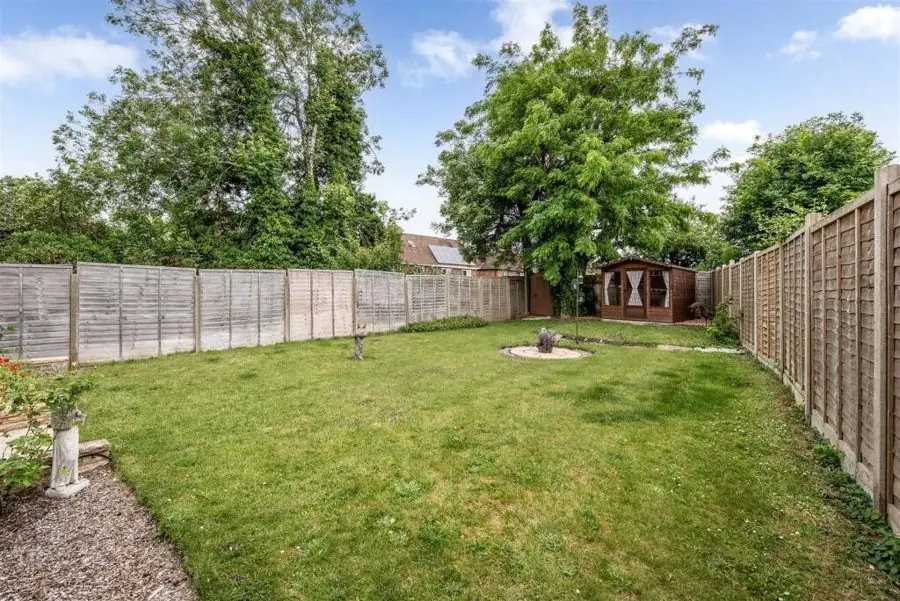
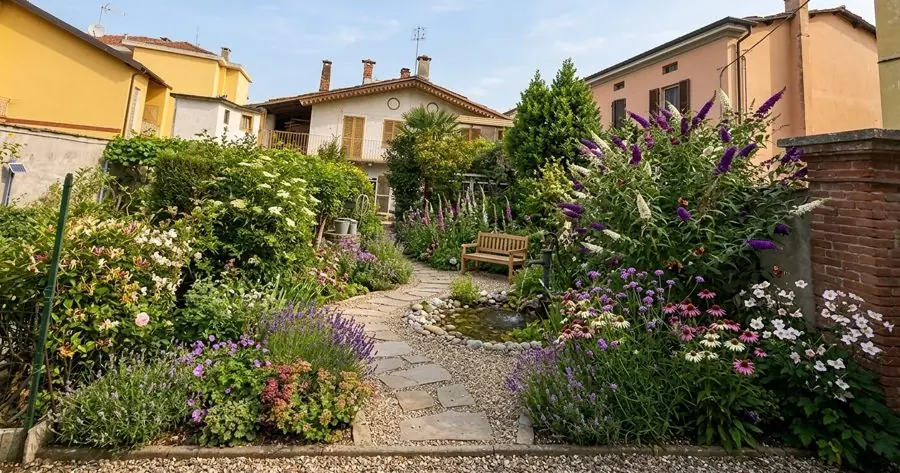
Wildlife garden design and ideas
Wildlife garden design means planting for bees, butterflies and birds: flowers from spring to autumn, a little water, shrubs and long grass for shelter, and a corner left to grow a bit wild.
Design my garden
First 3 designs free · No card
22 real wildlife garden ideas
22 pictures of wildlife gardens, every one a real garden redesigned with the app. Tap Before to see how it started, or Get this garden to try the look on yours.
Wildlife gardens with a pond
Lawns, bare earth, a dusty yard and an overgrown plot turned into planting round a small pond, with a path to a seat. 6 gardens
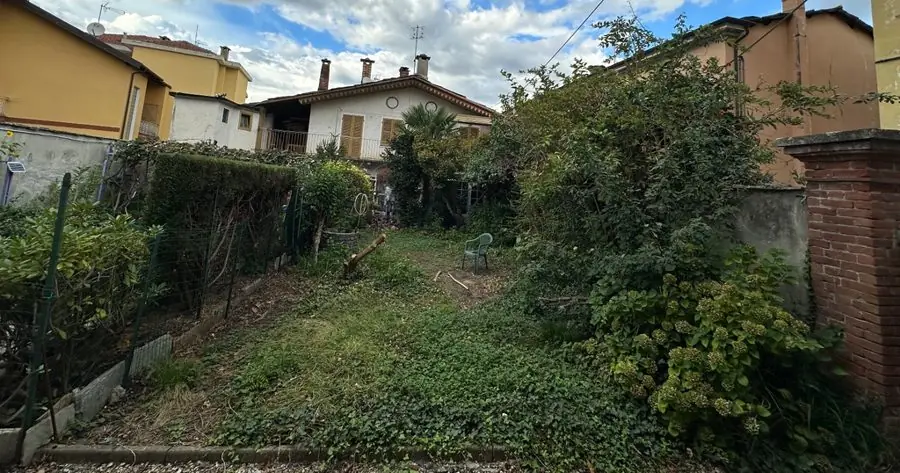
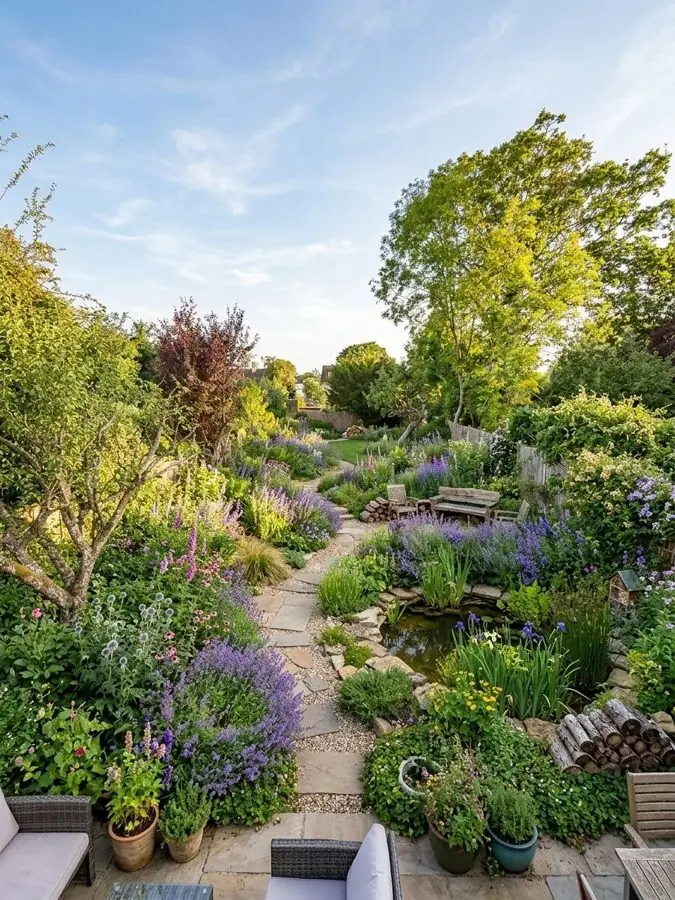
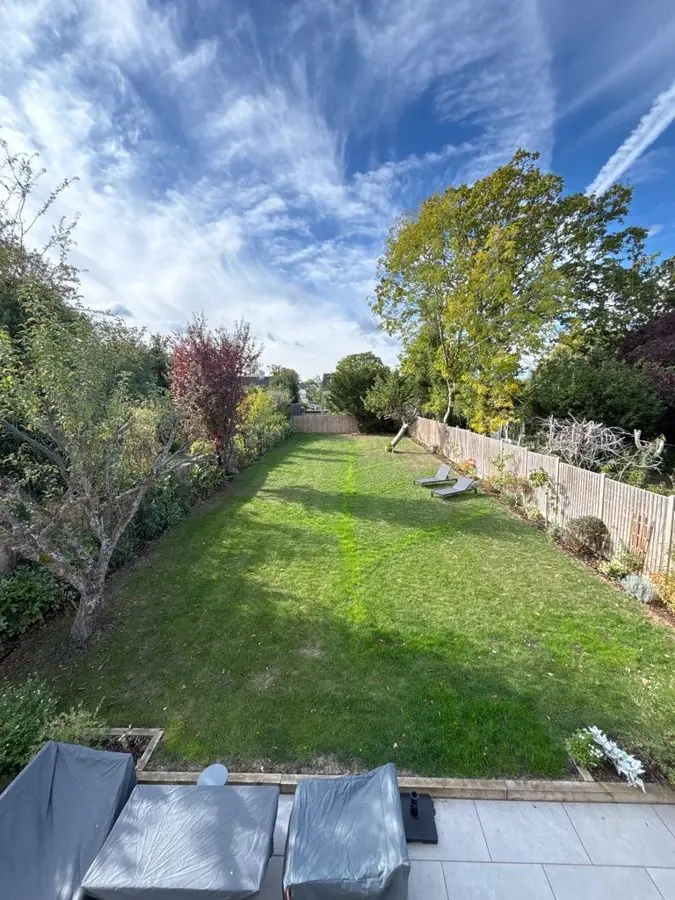
Long garden of winding paths and a pond
Get this garden →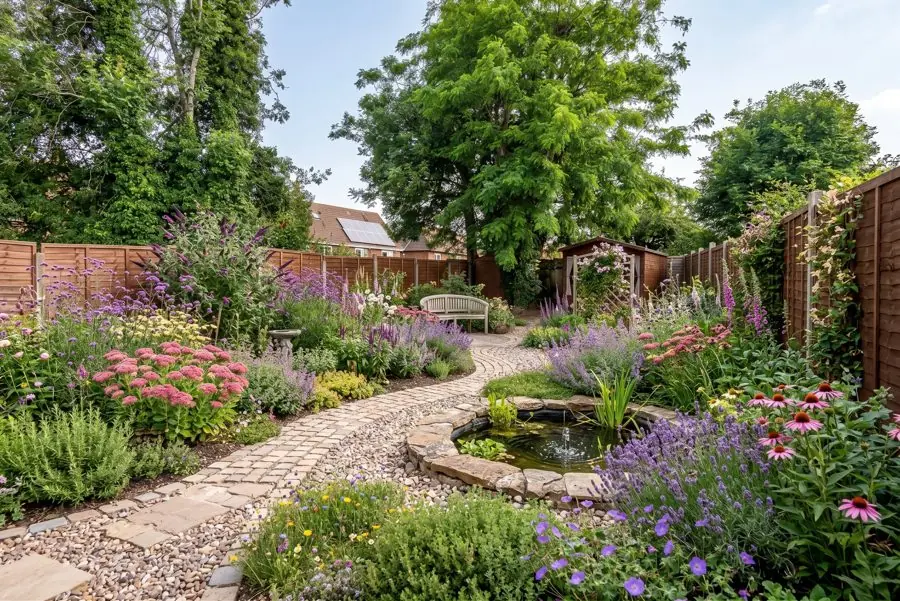
Lawn turned into a path past a pond to a bench
Get this garden →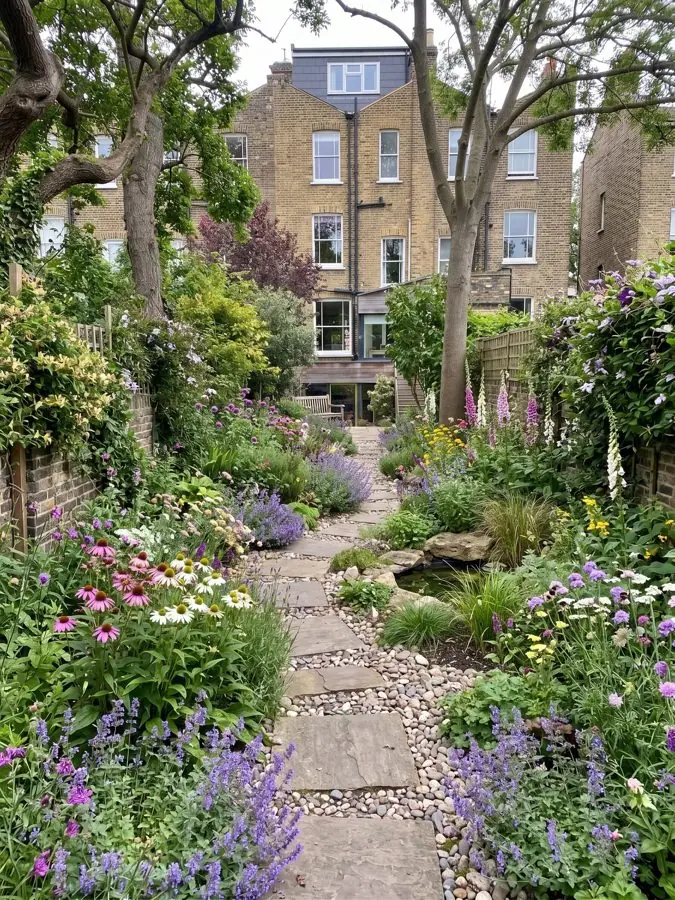
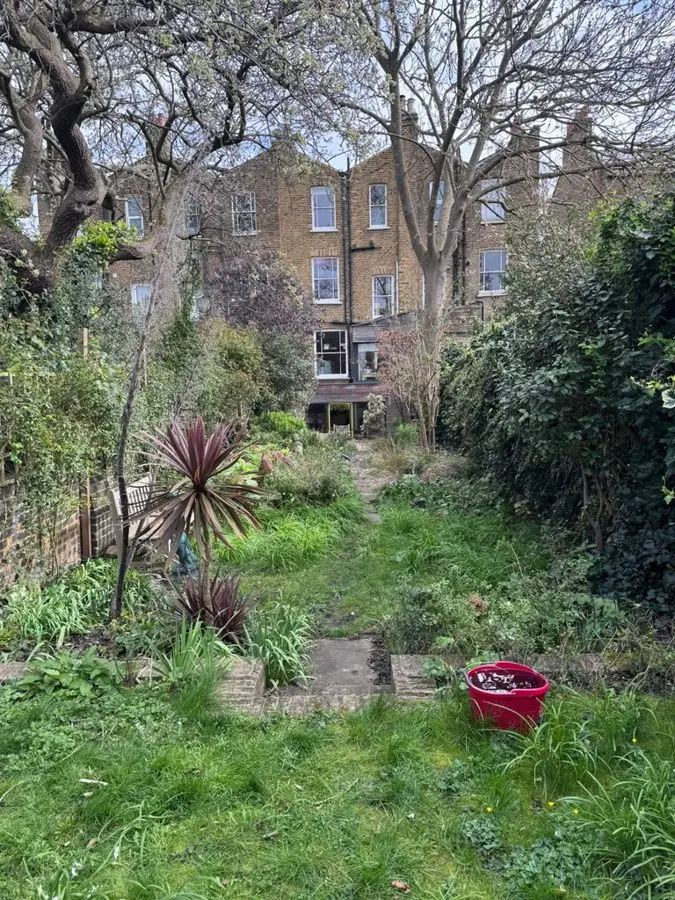
A long town garden with a stone path through flowers for bees, past a small pond
Get this garden →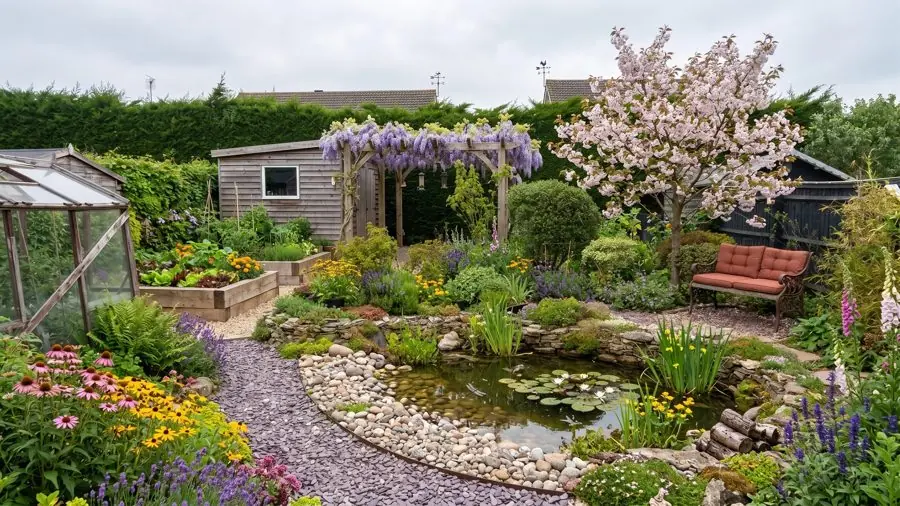
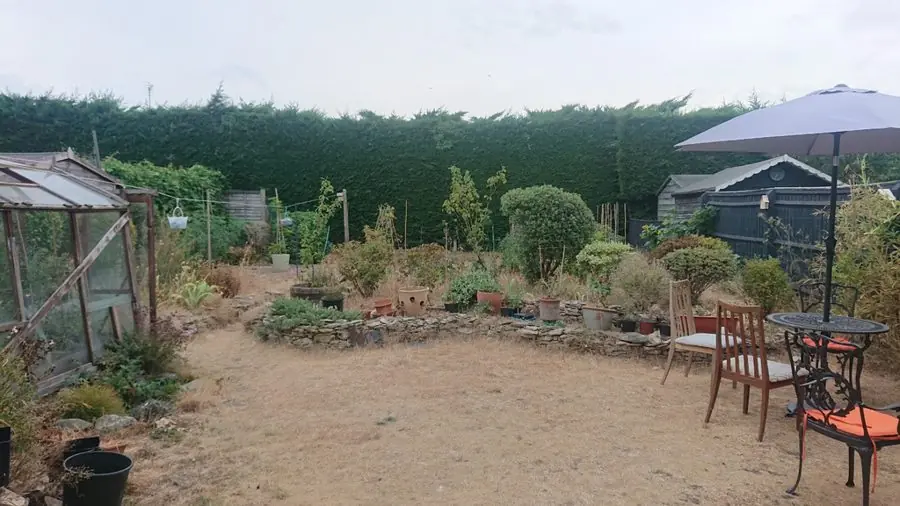
A dusty yard turned into a lily pond, a wisteria arbour and flowers for bees
Get this garden →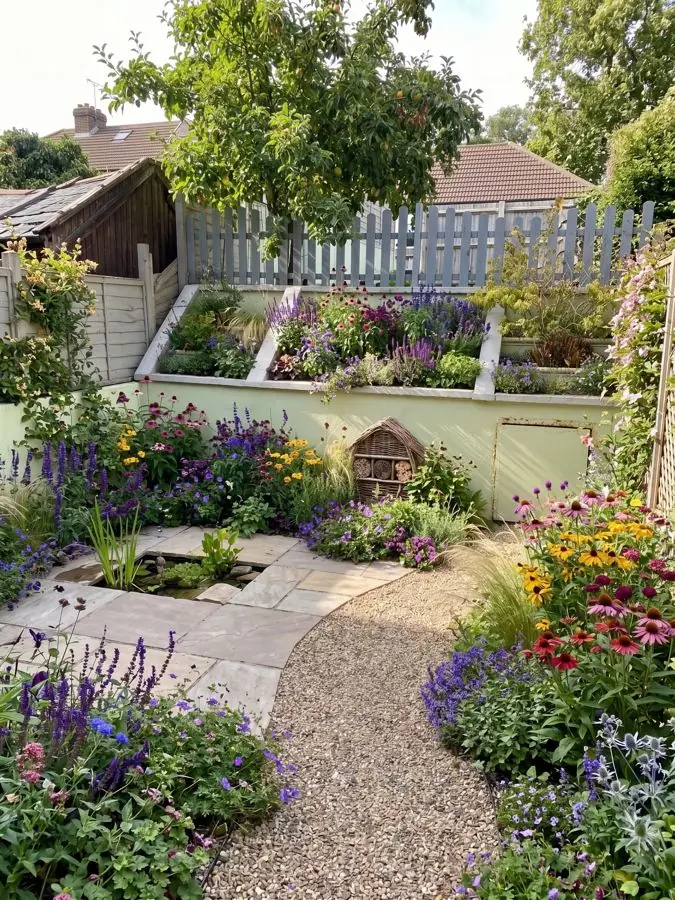
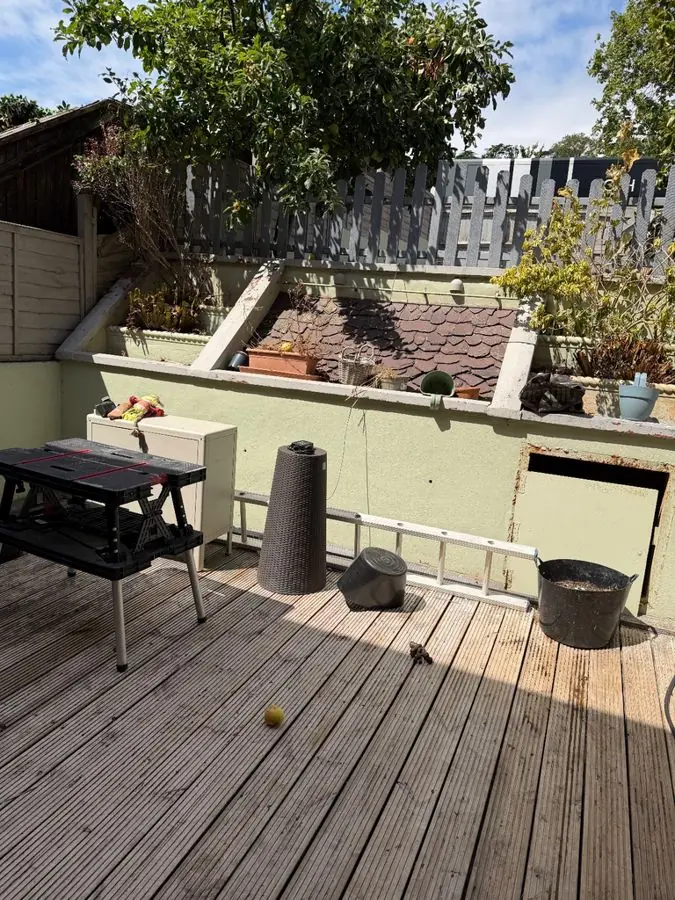
Raised beds, gravel and a small pond
Get this garden →Pollinator garden ideas
Bee and butterfly garden ideas: plants that flower for months, in drifts, with long grass, a bug hotel and somewhere to sit and watch. 9 gardens
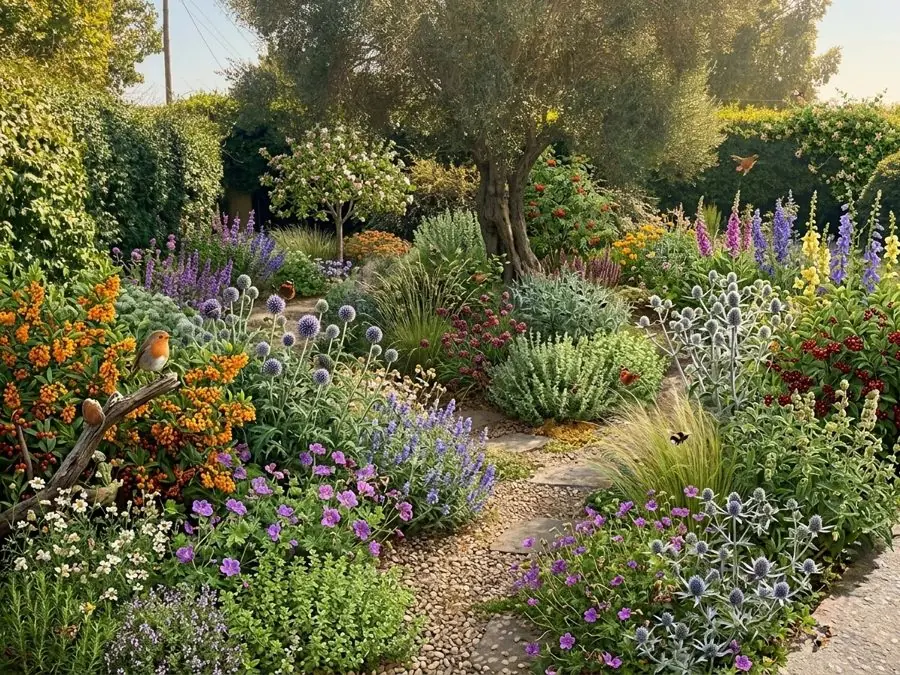
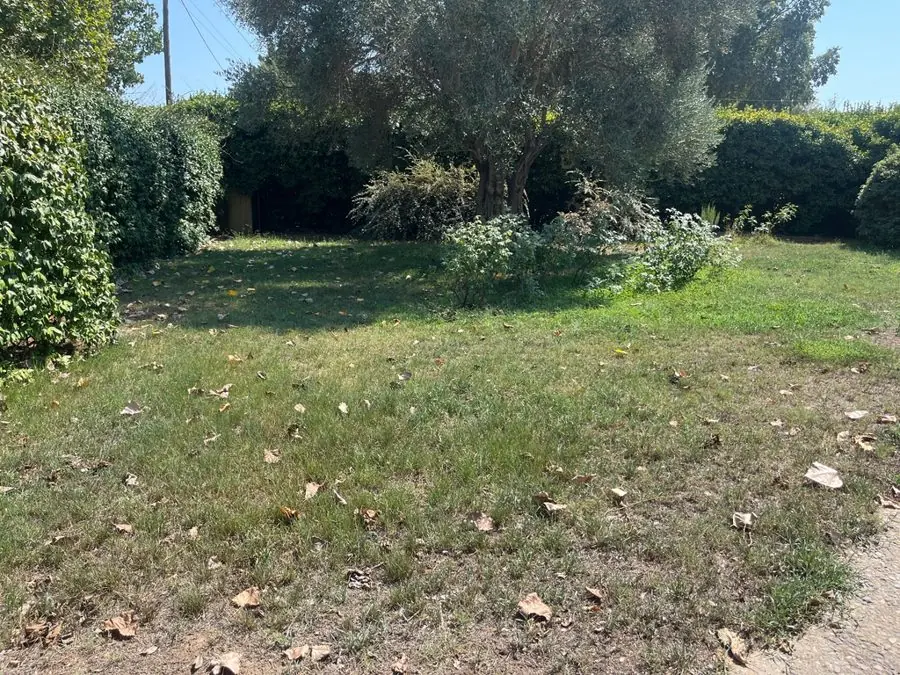
Worn lawn turned into drifts of flowers under an olive
Get this garden →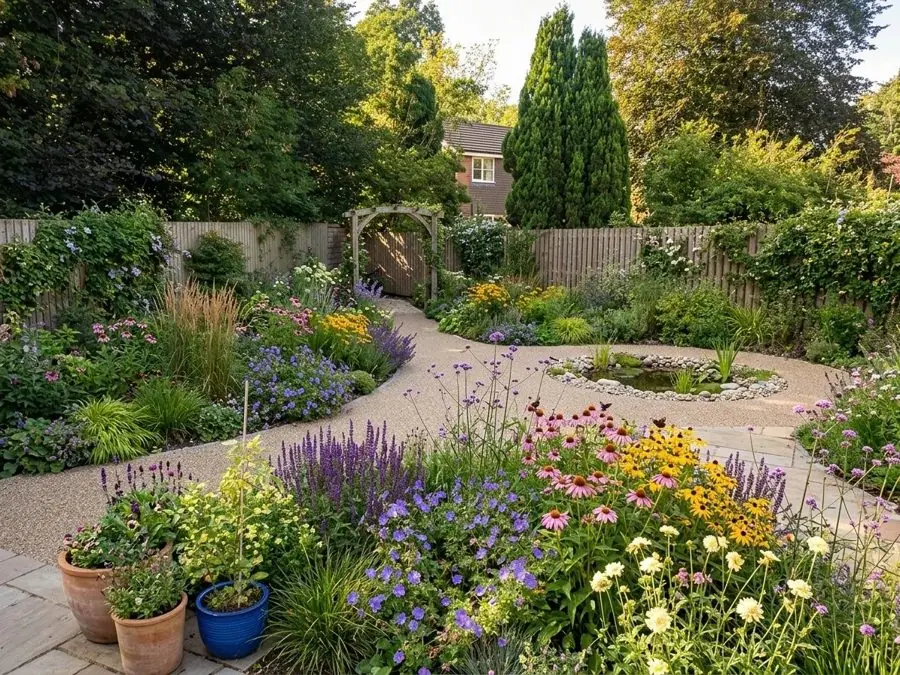
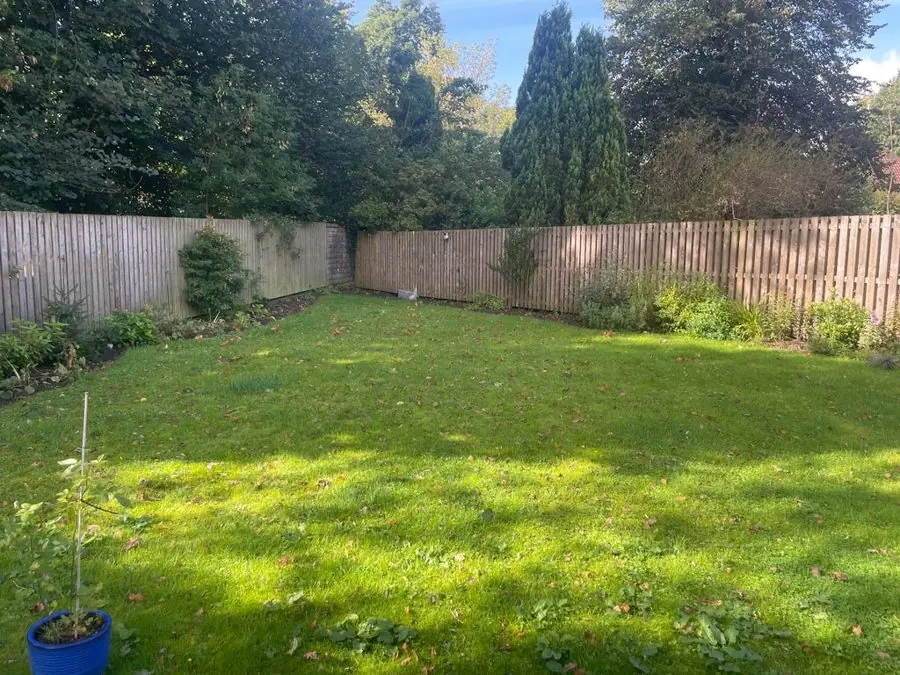
Curved paths and a circle of planting
Get this garden →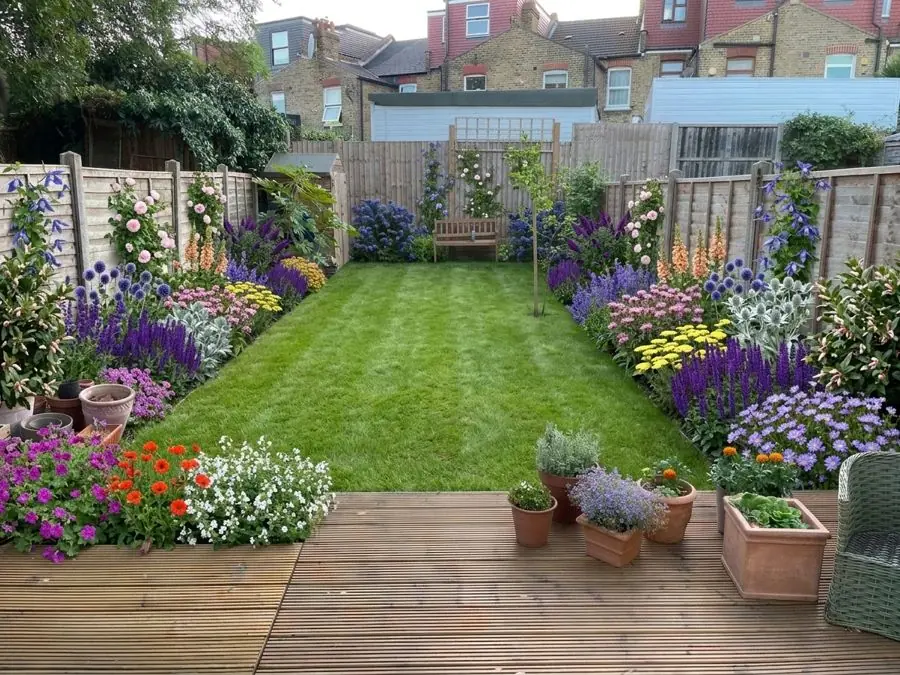
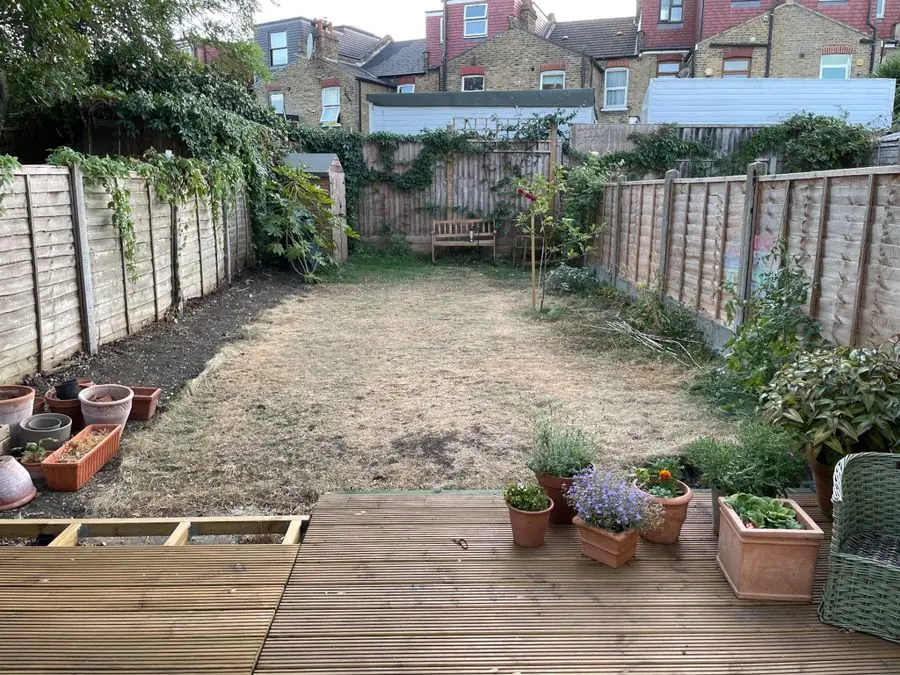
Long lawn framed by borders, from the deck
Get this garden →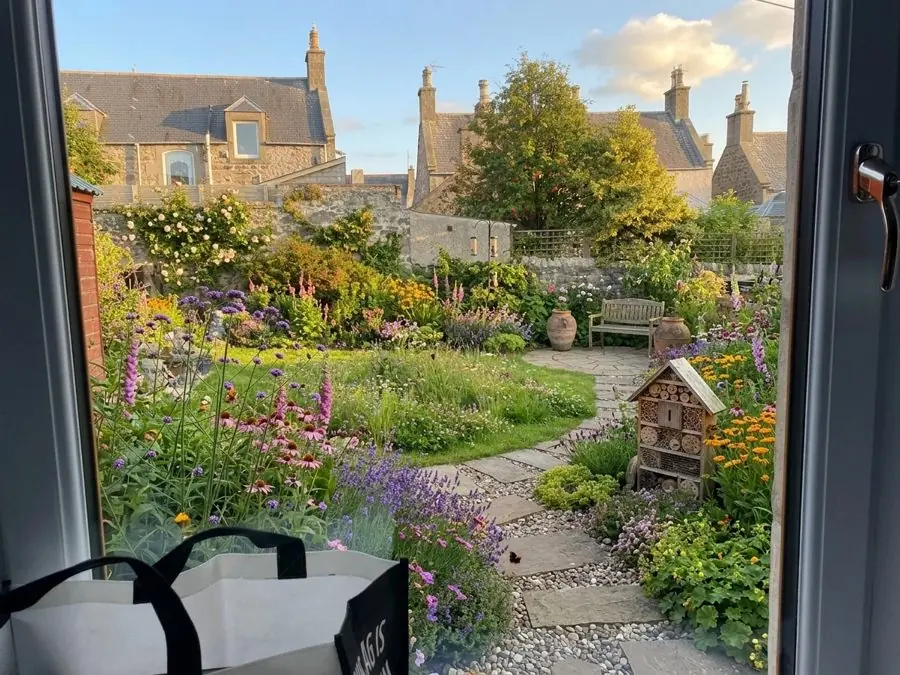
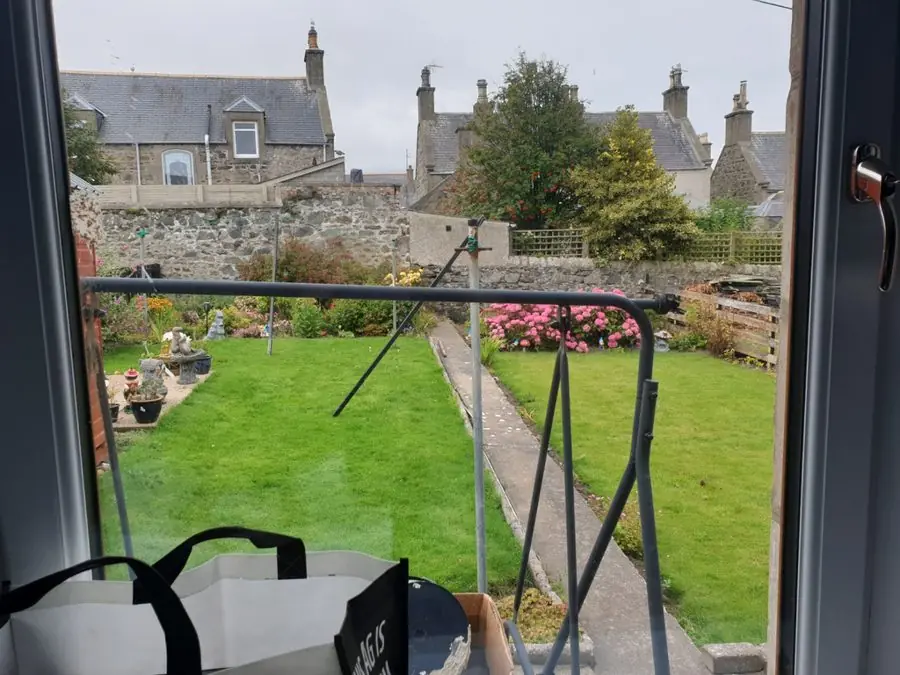
Lawn turned into long grass, flowers and a bug hotel
Get this garden →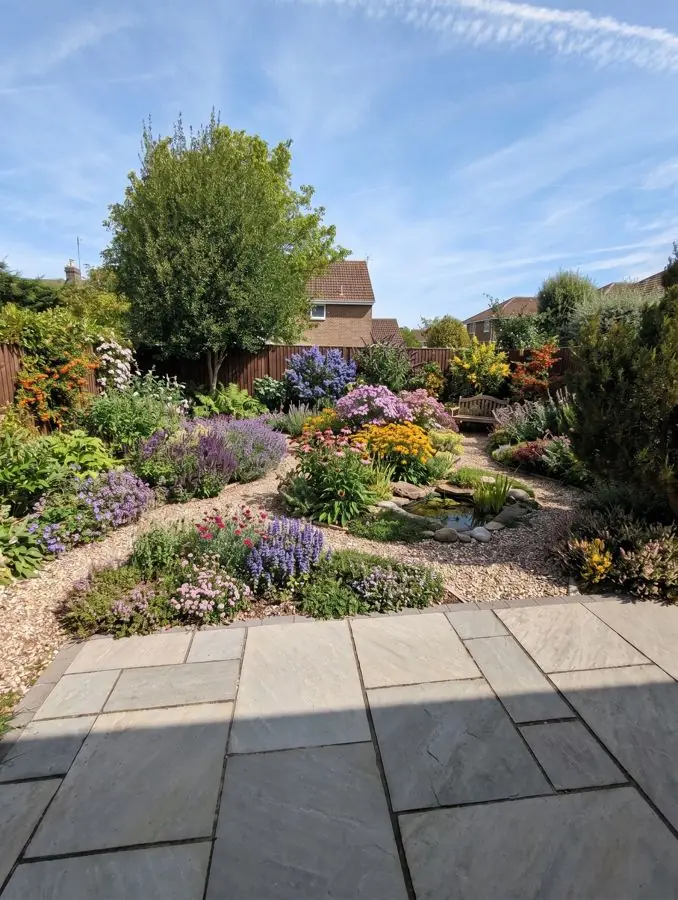
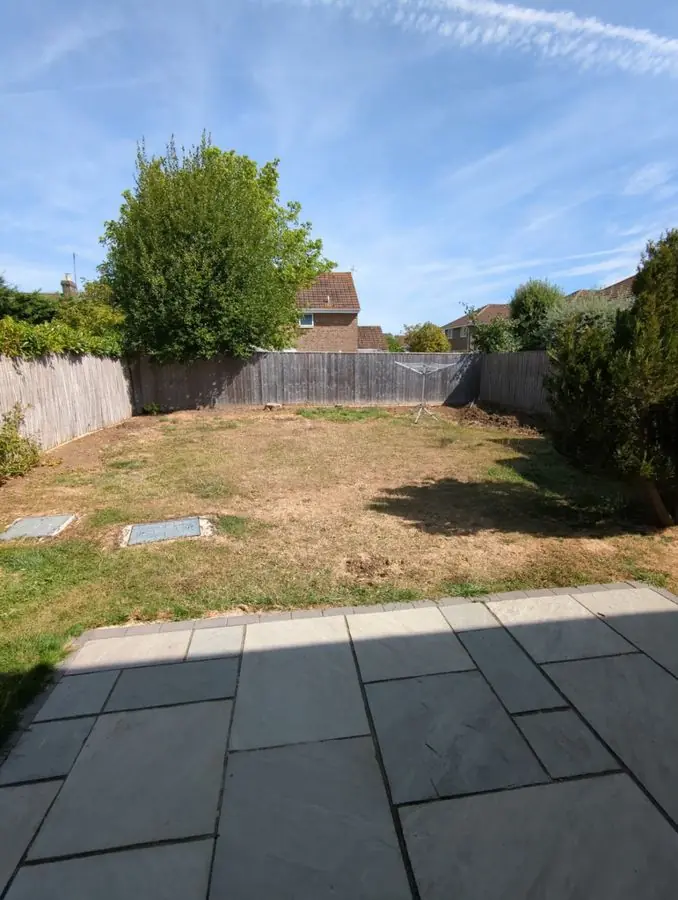
Gravel garden full of flowers, from the patio
Get this garden →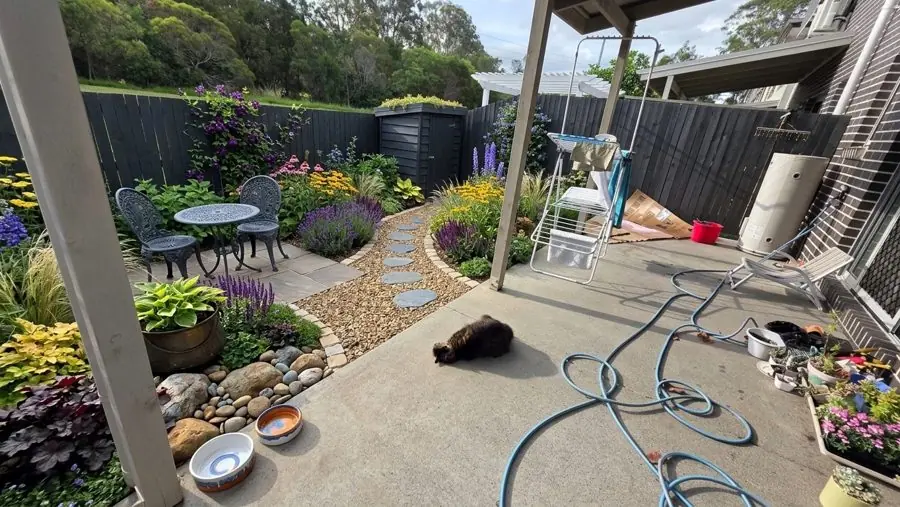
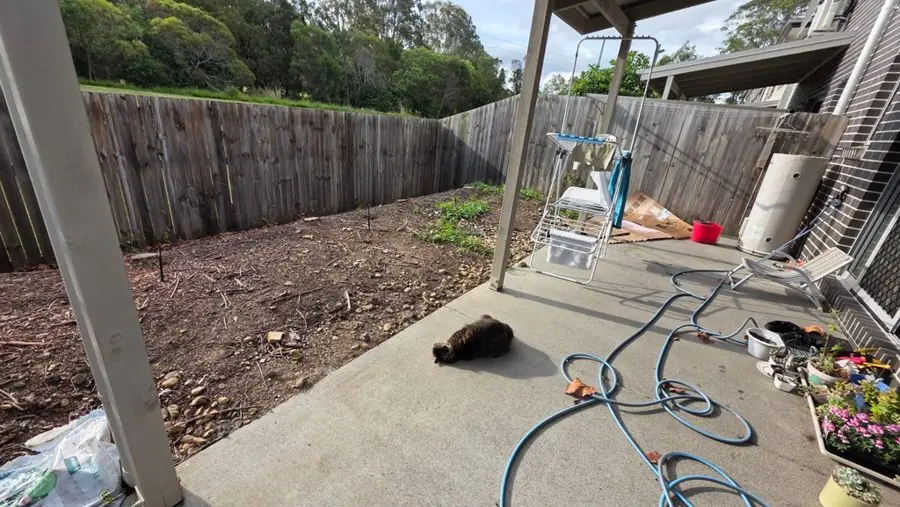
Under a covered patio, a stepping stone path through beds of flowers for bees
Get this garden →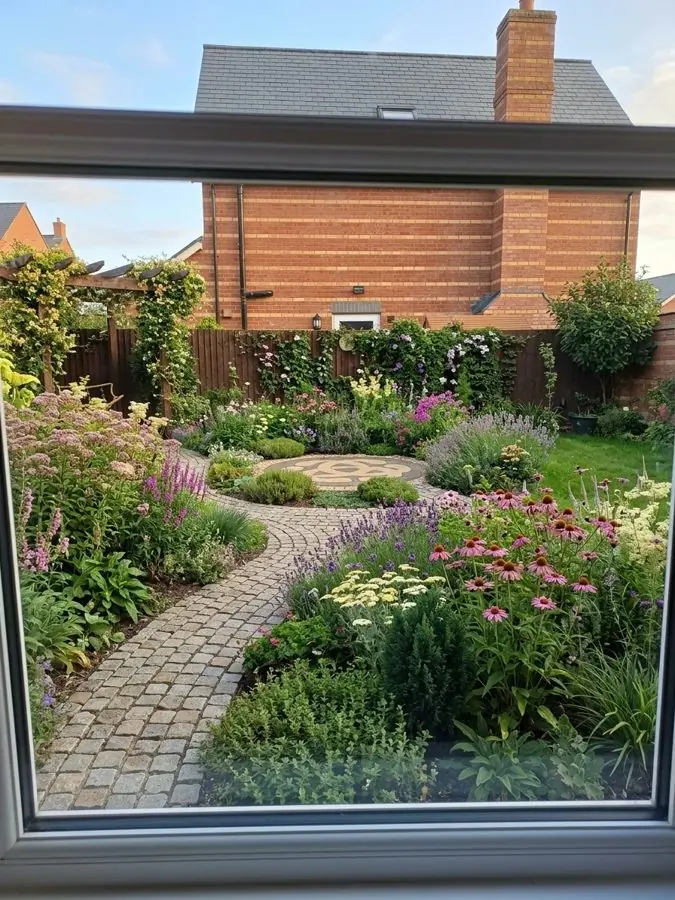
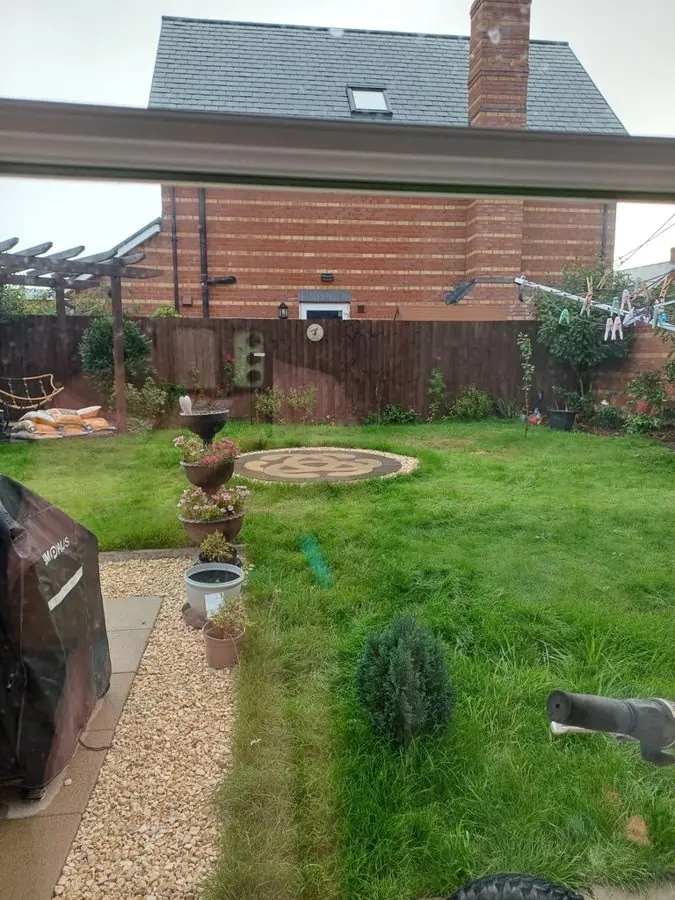
Seen through the window: a cobbled path through flowers for bees to a round seating area
Get this garden →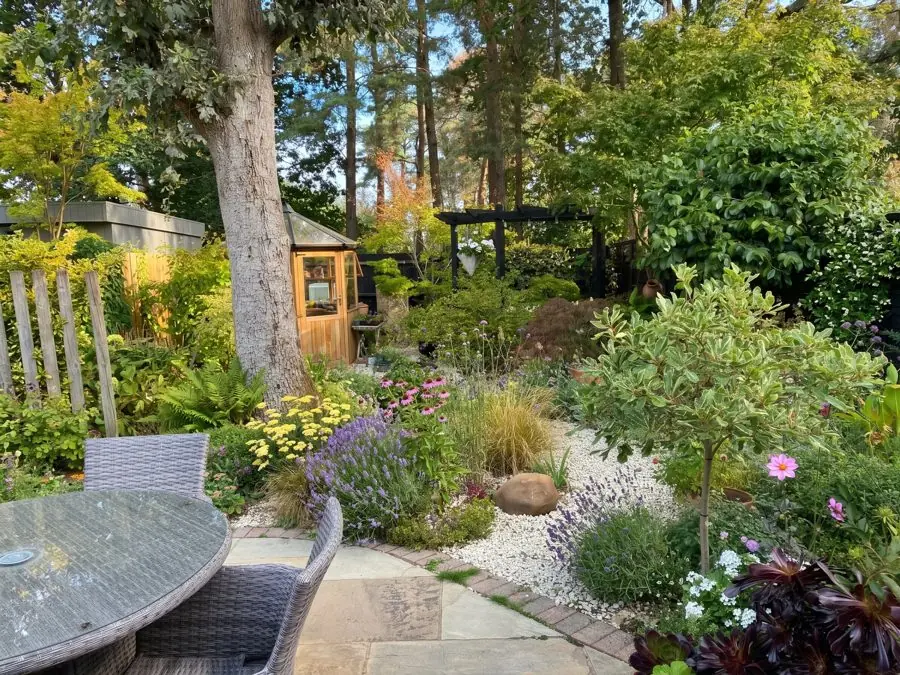
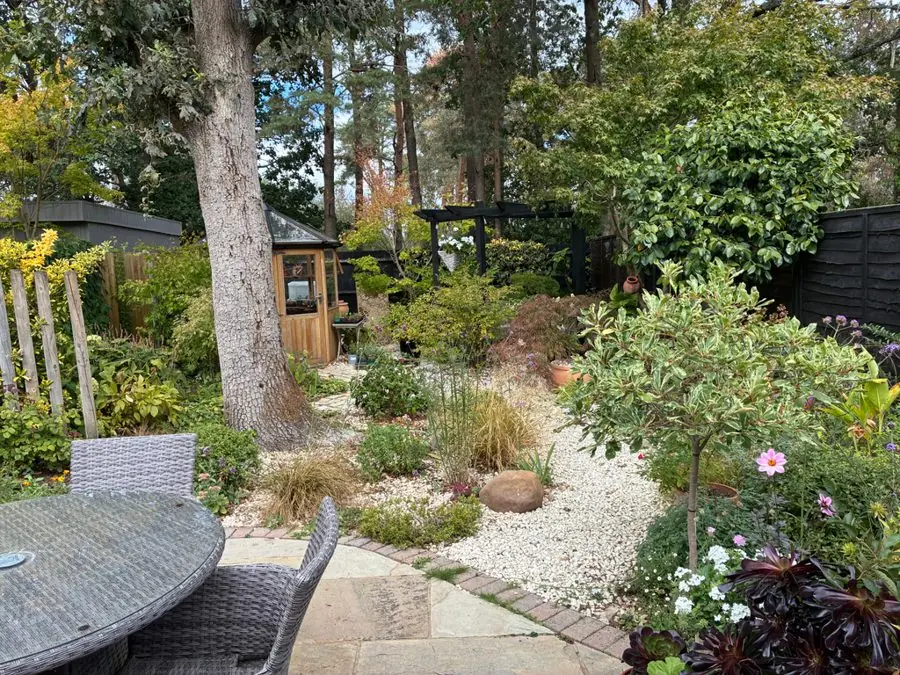
Gravel and stones round a tall pine, with pink and purple flowers for bees
Get this garden →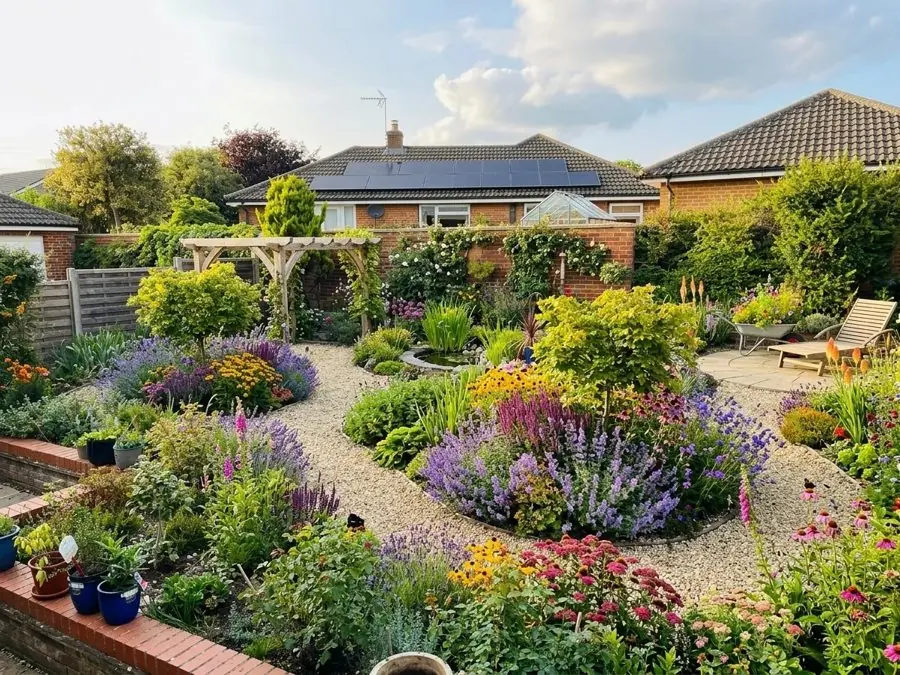
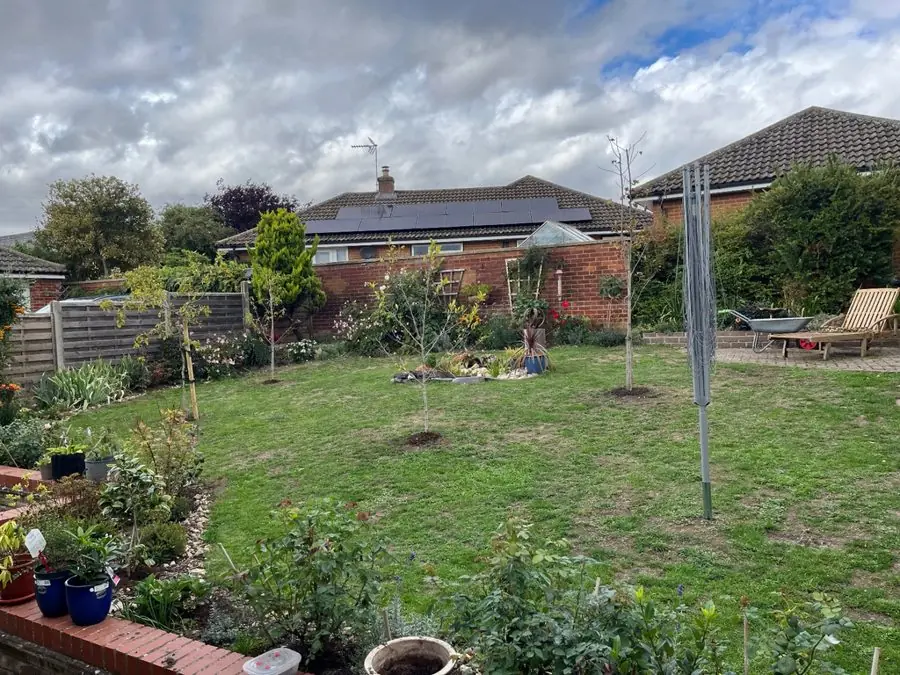
A lawn turned into gravel paths round island beds of lavender, salvias and rudbeckia
Get this garden →Wildlife border ideas
Borders and strips along a drive, a wall or the decking, packed with flowers for bees and butterflies. 7 gardens
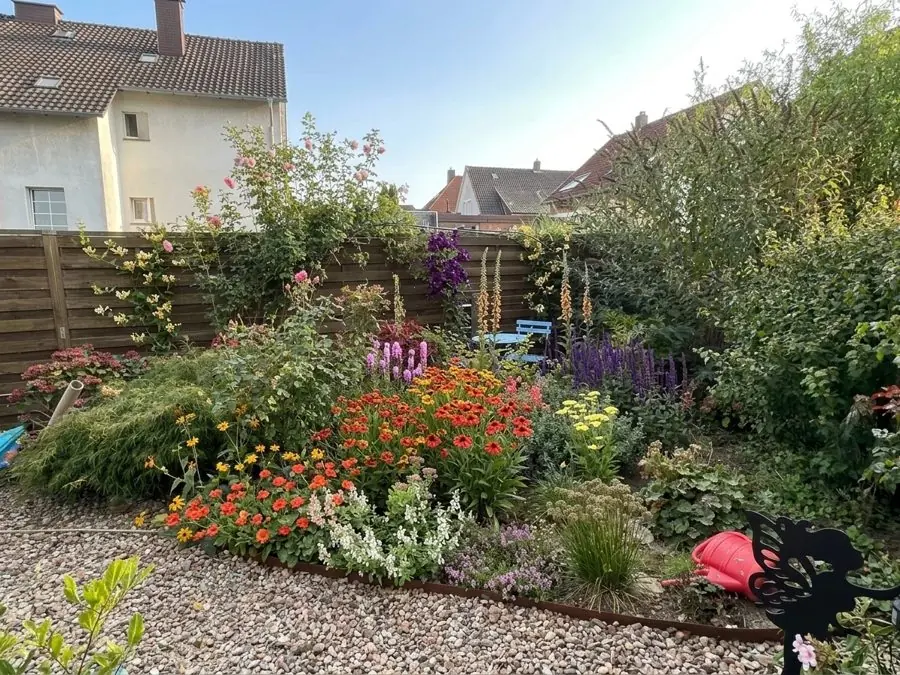
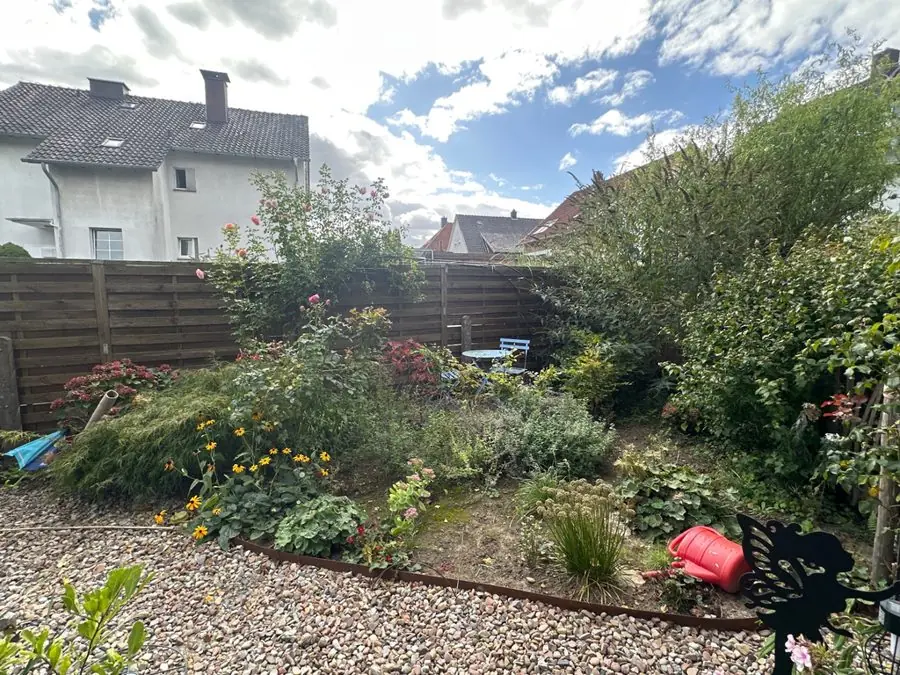
Gravel bed filled with heleniums, salvias and foxgloves
Get this garden →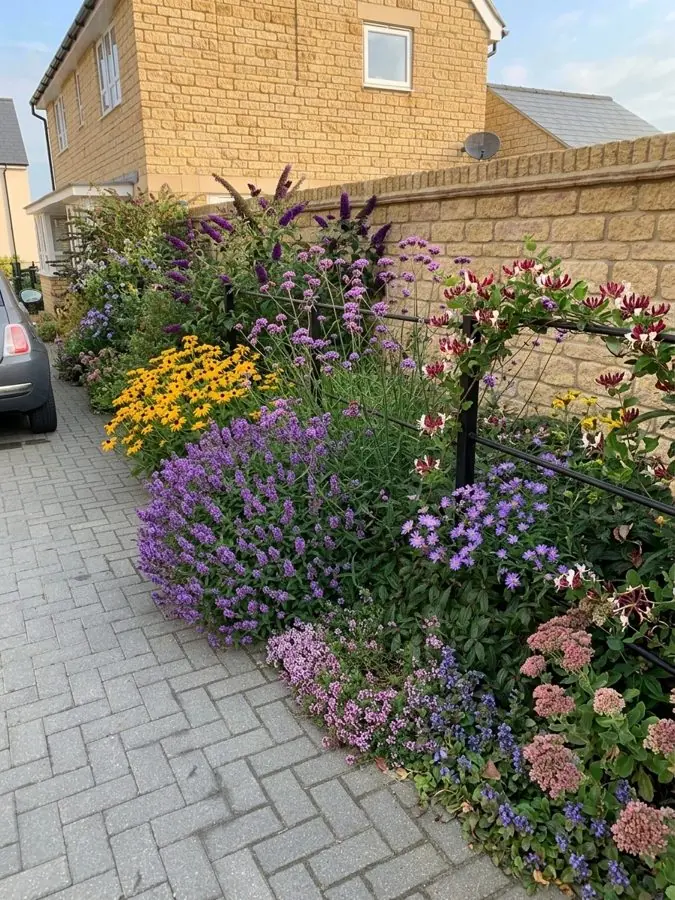
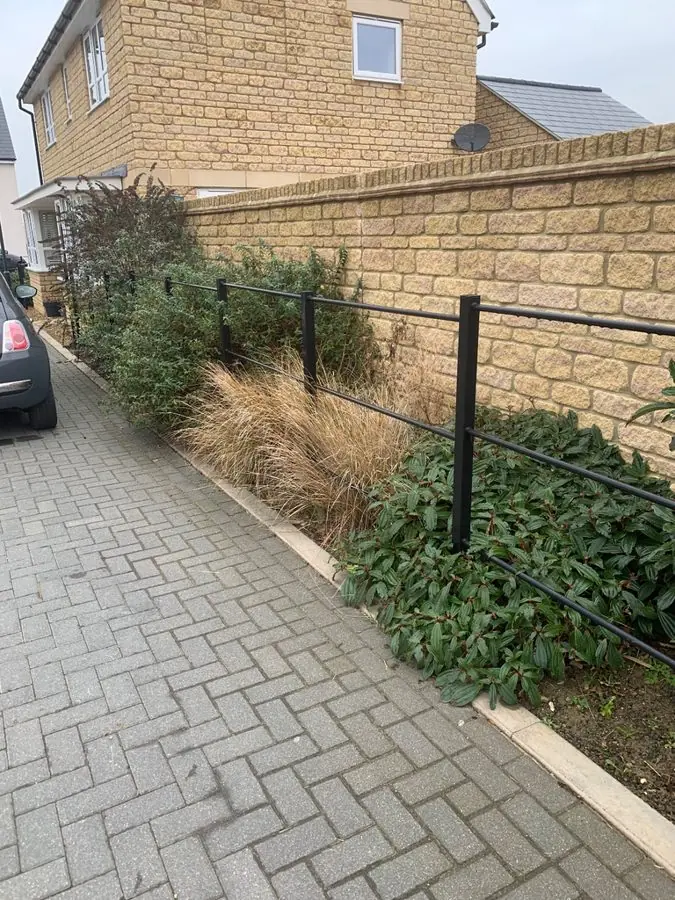
A strip beside the drive packed with lavender, rudbeckia and flowers for bees
Get this garden →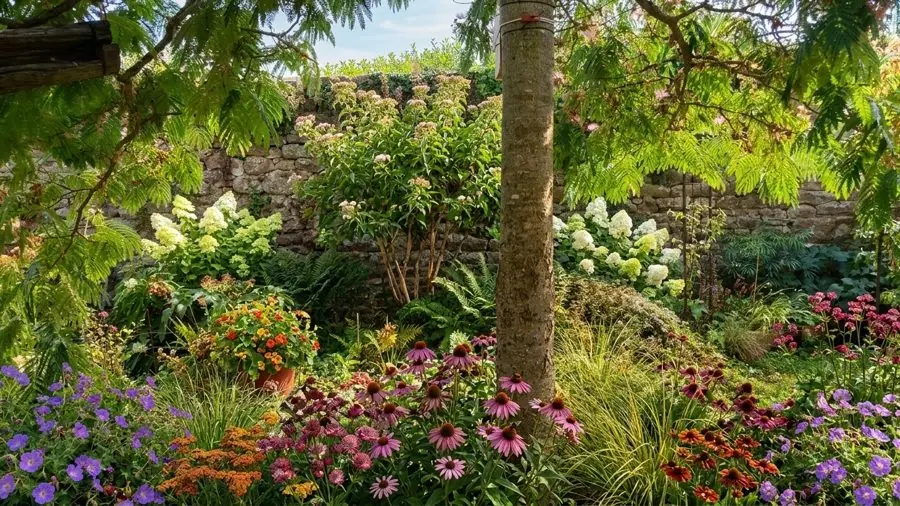
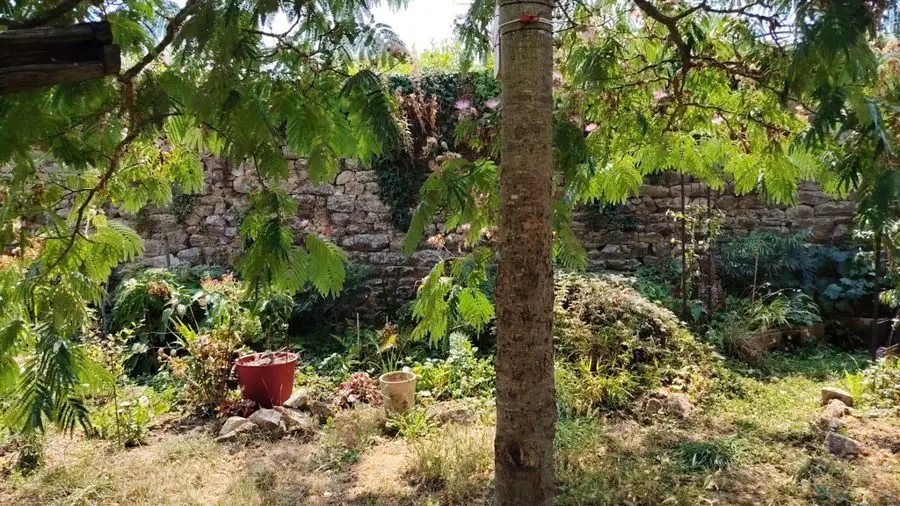
Coneflowers and geraniums under a tree by a stone wall
Get this garden →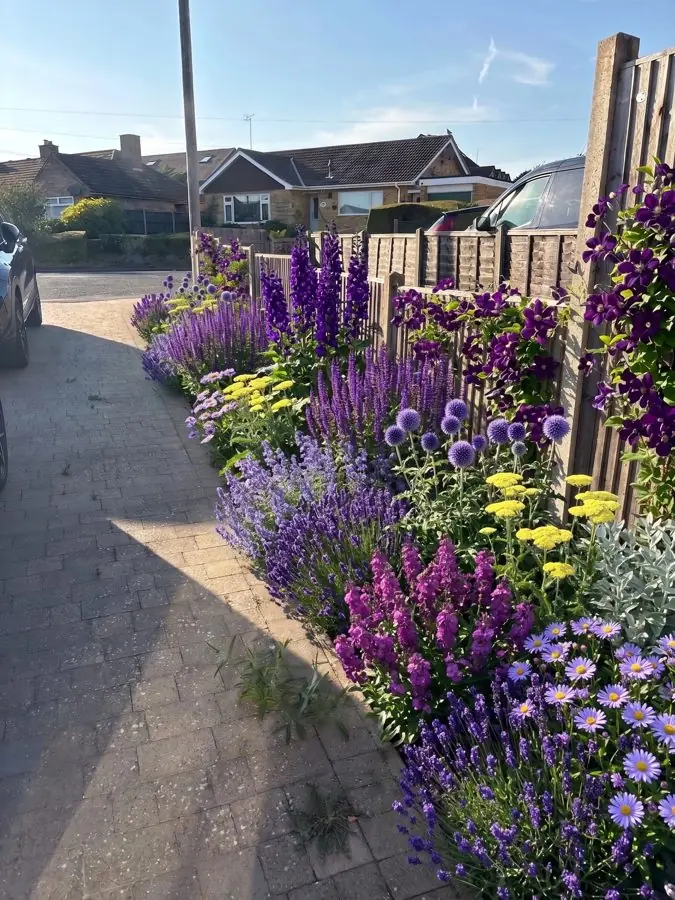
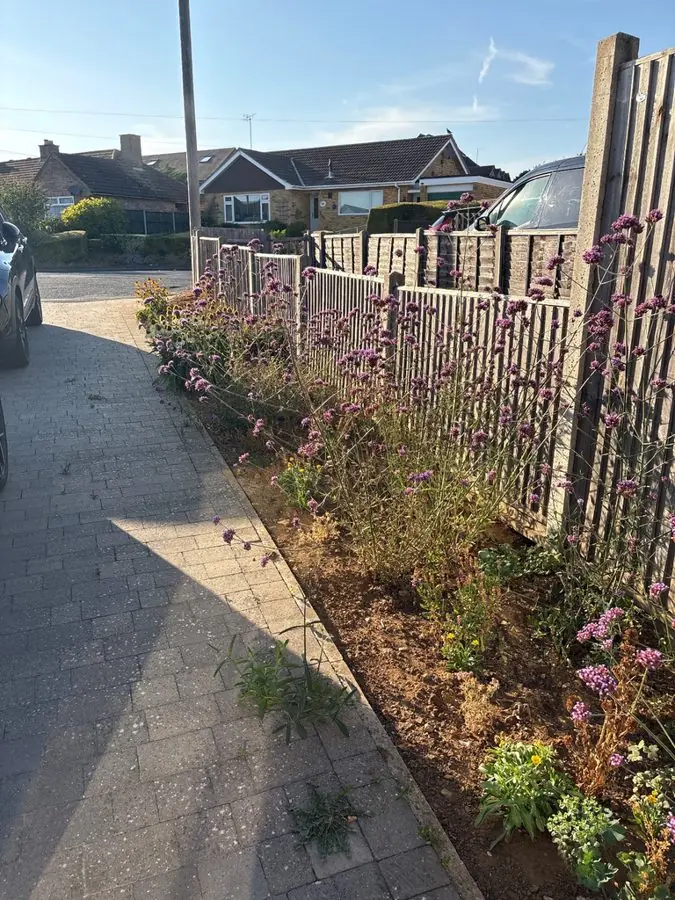
Weedy strip along a driveway turned into a long border
Get this garden →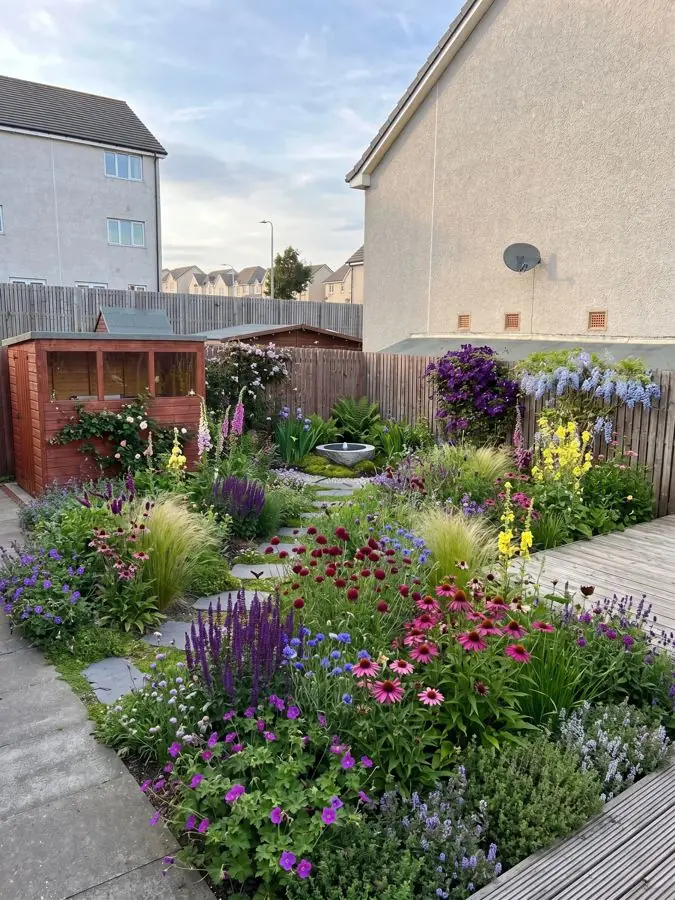
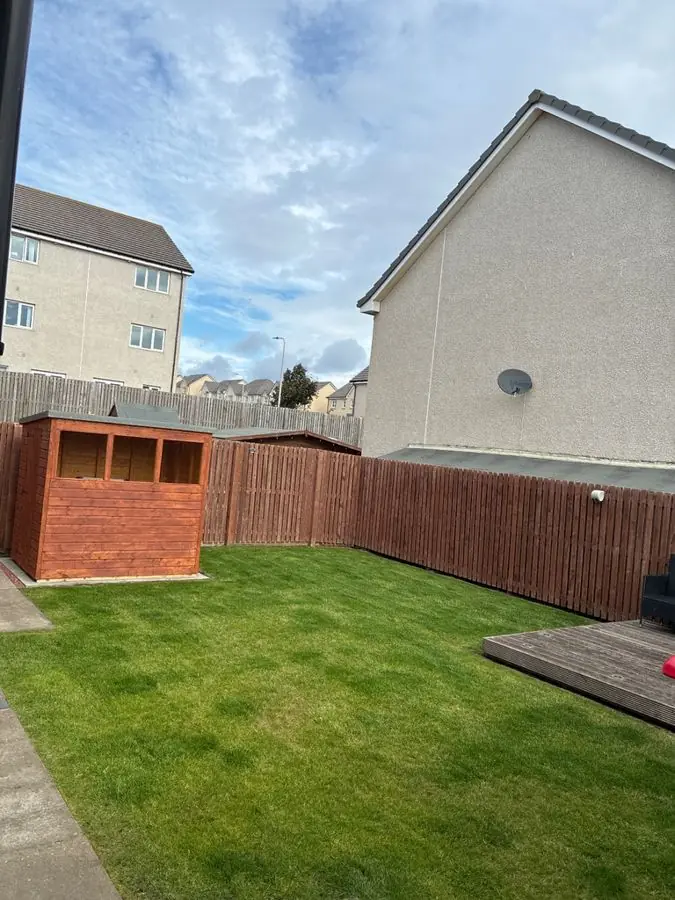
Coneflowers and salvias by the decking
Get this garden →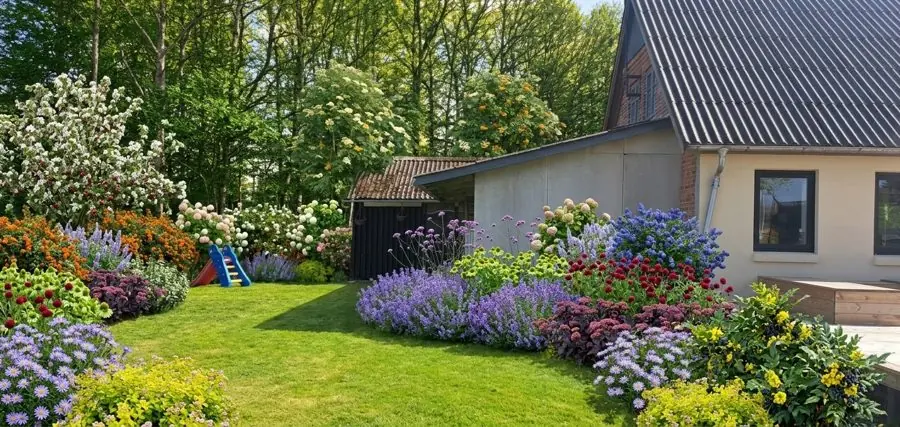
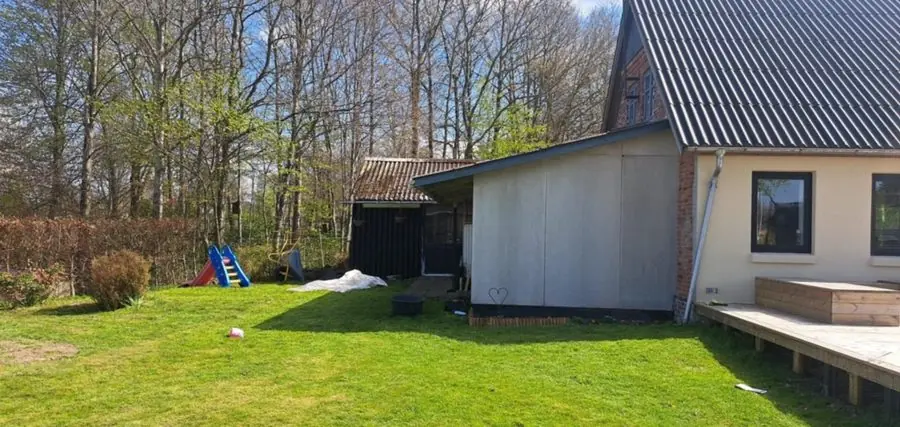
A lawn by the house edged with deep borders of lavender and summer flowers
Get this garden →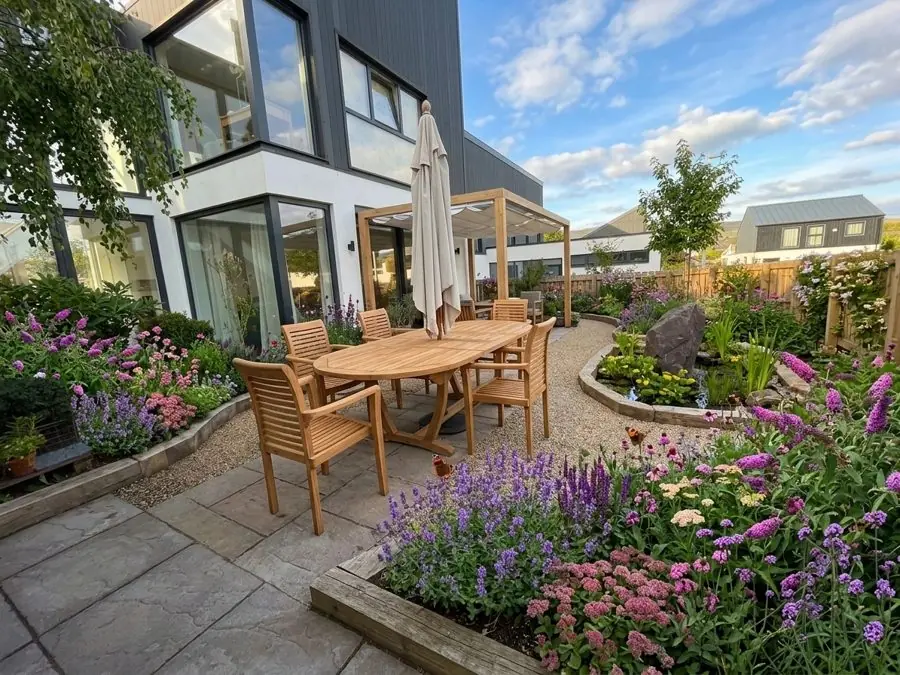
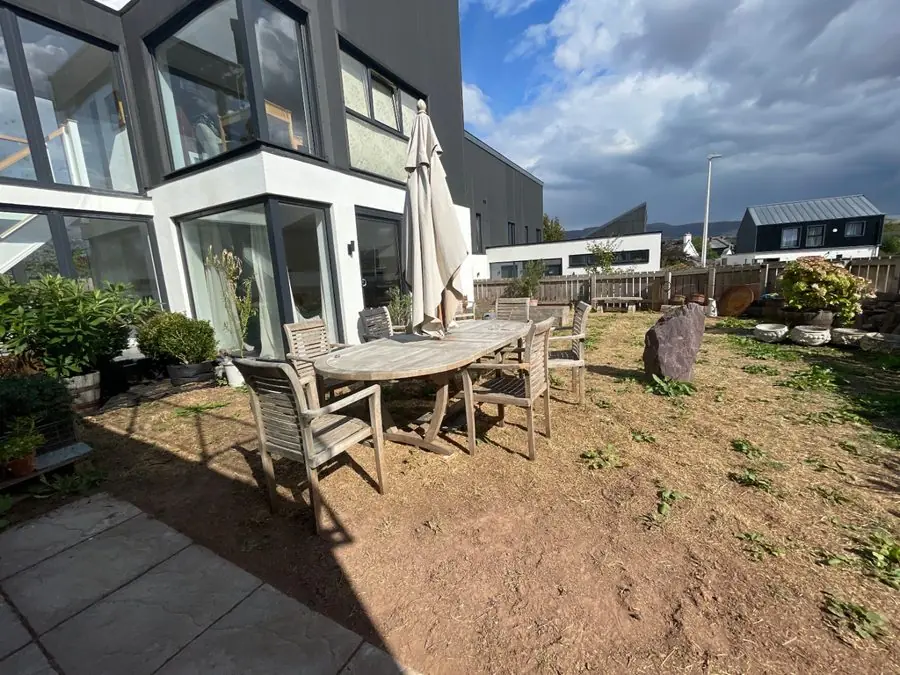
Bare earth turned into curved flower beds and gravel round a dining patio
Get this garden →How to design a wildlife garden
The few ideas behind every garden above, and how to make a wildlife garden of your own from them.
What makes a wildlife garden
To attract wildlife to your garden, give bees, butterflies, birds and hedgehogs four things: food, water, shelter and a way in. That means flowers from early spring to late autumn, a pond or even a shallow dish of water, dense shrubs, climbers and a patch of long grass to hide in, and a gap under the fence. None of it has to look untidy: every garden above is planted to look good to people as well.
Making a wildlife garden work in the UK
British insects need flowers at both ends of the year, so plant for early spring (crocuses, pulmonaria, hellebores) and for autumn (asters, sedum, ivy) as well as summer. Native plants such as foxgloves, knapweed and hawthorn make a good backbone, and garden favourites like lavender, catmint and salvias are just as busy with bees. Leave seed heads standing over winter for the birds, and a pile of logs in a shady corner.
How to lay out a wildlife garden
Keep the busiest planting where you can see it from the house, put water in a sunny spot with one shallow, sloping edge so anything that falls in can climb out, and let the far end grow wilder, with long grass, a log pile and dense shrubs. A path through the middle lets you get close without trampling, and a seat beside the water is where you will spend the most time. See one built from a scorched lawn in our wildlife pond ideas makeover.
Planting for bees and butterflies
Bees want open, single flowers they can get into easily, and butterflies want flat landing pads such as verbena, sedum and scabious. Plant each one in a group rather than dotted about, so a bee can work a whole drift, and aim for something in flower every month from March to October.
See it on your own garden first
Garden Design App builds a design around your actual garden. It reads a photo of your space, keeps your trees, fences and house where they are, and redesigns the planting around flowers for bees and butterflies that you could genuinely grow.
From an idea to a plan you can plant
When one of the designs clicks, the Pro and Max plans turn it into a wildlife garden plan: every plant named, how big each grows and where each goes, with a month by month flowering calendar so there is food for pollinators from spring to autumn.
12 plants for a wildlife garden
Plants that feed bees, butterflies and birds through the year, from early nectar to autumn berries.
- Catmint
- Lavender
- Salvias
- Verbena bonariensis
- Coneflowers
- Scabious
- Sedum
- Foxgloves
- Hardy geraniums
- Asters
- Honeysuckle
- Hawthorn
More wildlife garden ideas

A narrow strip of lawn becomes a paved path through lavender, salvias, coneflowers and feather grasses to a small table, in our small back garden ideas makeover.

A patchy lawn becomes a curved lawn edged with borders for bees, seen from under a wisteria pergola kept over the decking.

Salvias, geraniums, foxgloves and coneflowers along a lawn: the plants for bees and butterflies, and how to plant a border that feeds them all season.
Wildlife garden design questions
What is a wildlife friendly garden?
A garden that gives wildlife food, water and shelter: flowers for bees and butterflies over a long season, berries and seed heads for birds, water to drink and bathe in, and dense planting, long grass or a log pile to hide in.
How can I create a wildlife friendly garden?
Start small: add flowers that bees can get into, a shallow dish or a small pond of water, and a corner left to grow longer. Then add shrubs or a climber for nesting birds, a gap under the fence for hedgehogs, and stop using slug pellets and weedkillers.
Can a small garden be a wildlife garden?
Yes. Small wildlife garden ideas work at any size: a climber on a fence, a few pots of long-flowering plants and a shallow bowl of water bring bees, butterflies and birds into even a very small garden or a balcony.
How do I turn my backyard into a wildlife habitat?
Plant in layers, from trees and shrubs down to ground cover, so there is shelter at every height; add water; grow plants that flower in turn from spring to autumn; and leave one corner wild, with long grass and fallen leaves. A wildlife habitat garden can still have a lawn and a patio.
What should I plant in a wildlife garden?
Plants with open flowers full of nectar and pollen, such as catmint, lavender, salvias, verbena and scabious; shrubs with berries, like hawthorn and pyracantha, for birds; and climbers such as honeysuckle and ivy for shelter.
Can I see a wildlife garden on my own garden?
Yes. Add a photo of your garden, choose the Pollinator-friendly style, and see your own garden redesigned in about a minute. Your trees, fences and house stay.
Are the plants real, and can I buy them?
Yes. With the Pro and Max plans every design names its plants: garden centre favourites and RHS Award of Garden Merit winners, chosen by a professional gardener, with how big each grows and where each goes.
Is it free?
Your first 3 designs are free, with no card needed. The Pro plan is £29 and the Max plan is £49, paid once, with nothing to cancel.
Can I try more than one wildlife garden idea?
Yes. Make different designs and compare them on your own garden. Your first 3 are free, and Pro, one payment of £29, gives you 20 designs over 14 days, two at a time, so you can see several looks side by side.
Why does my redesign look like high summer?
We show your garden at its peak, in full flower, so you can see how full it can look. It is an artist's impression: your real garden changes through the seasons. Every paid design comes with a flowering calendar, so you know what flowers each month, and evergreen shapes help it look good in winter.
See your garden buzzing with bees and butterflies.
Try any of these wildlife garden ideas on your own garden in about a minute. Your first 3 designs are free.
Design my garden