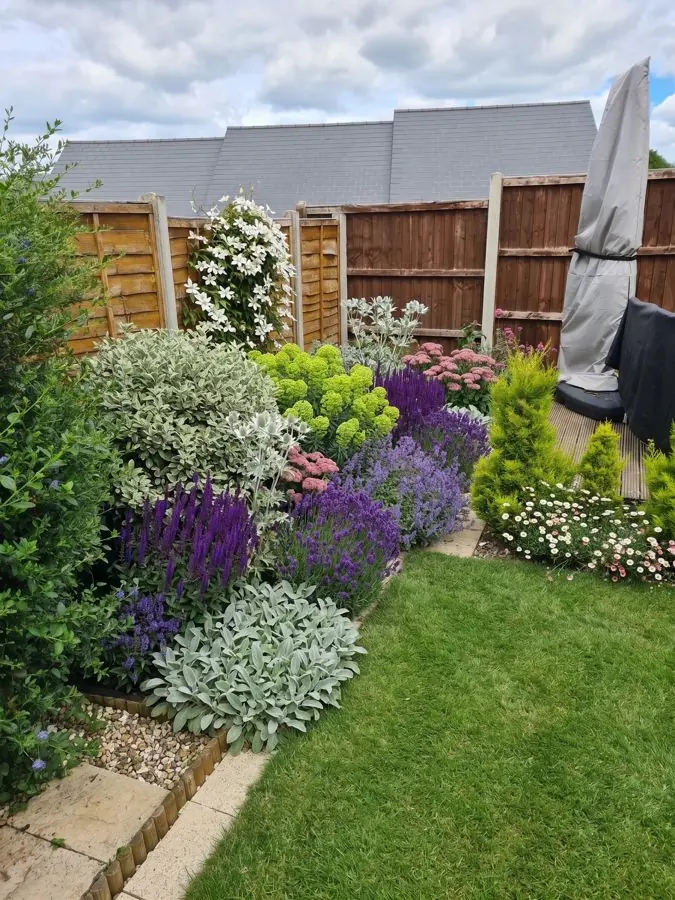
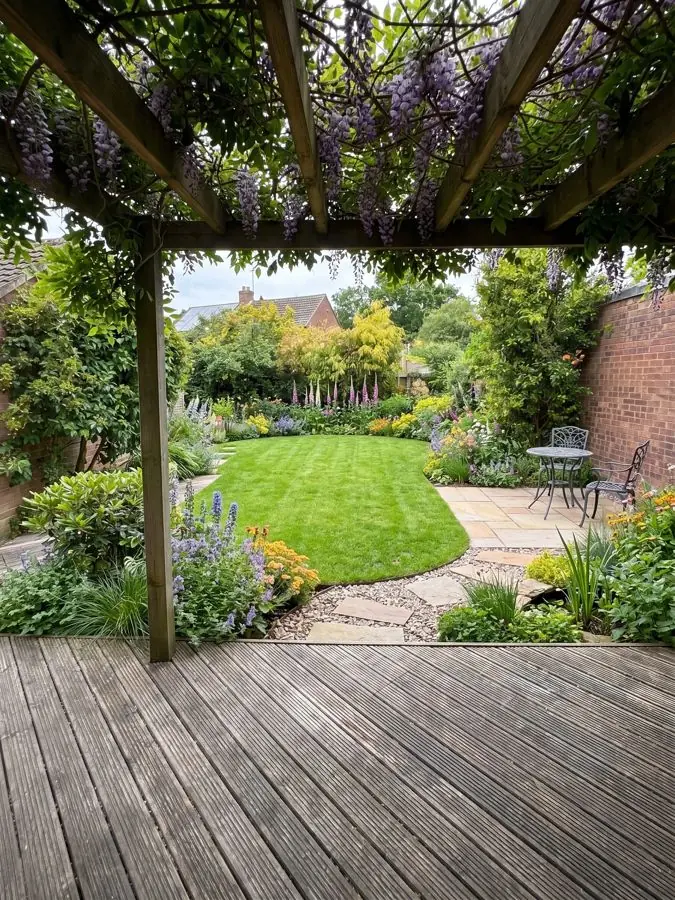
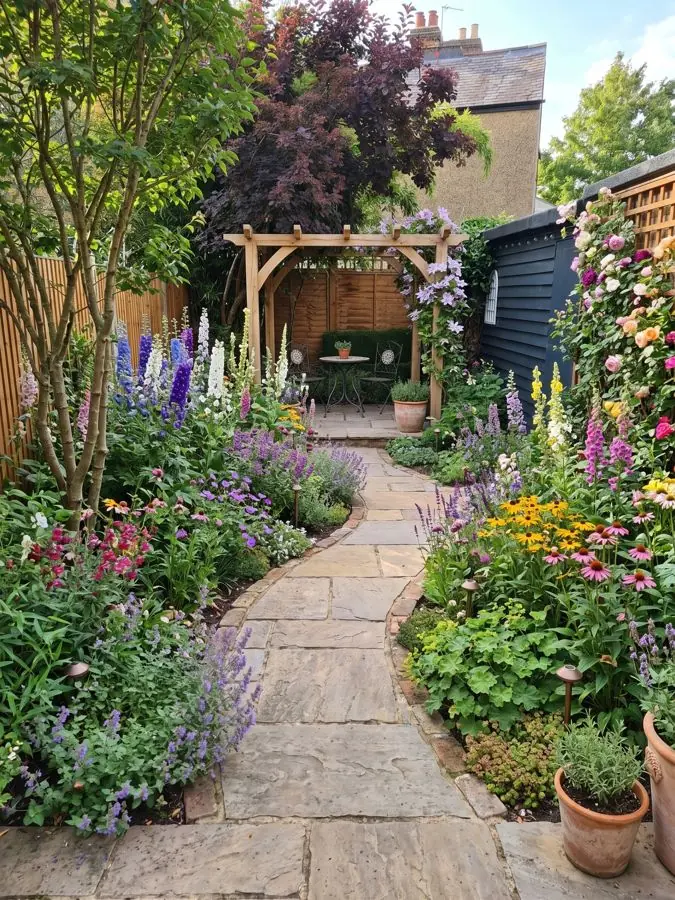
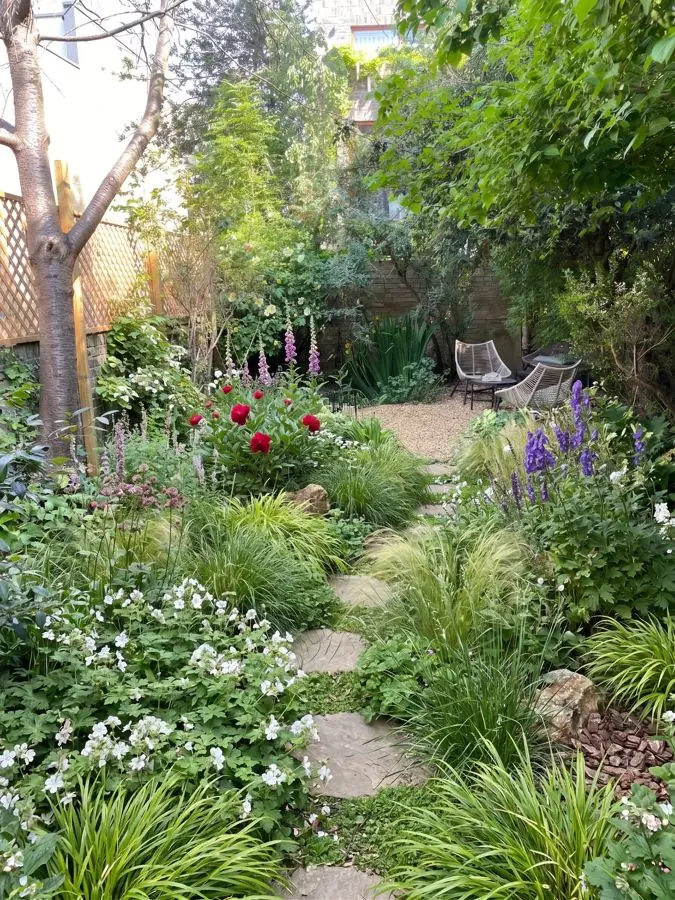
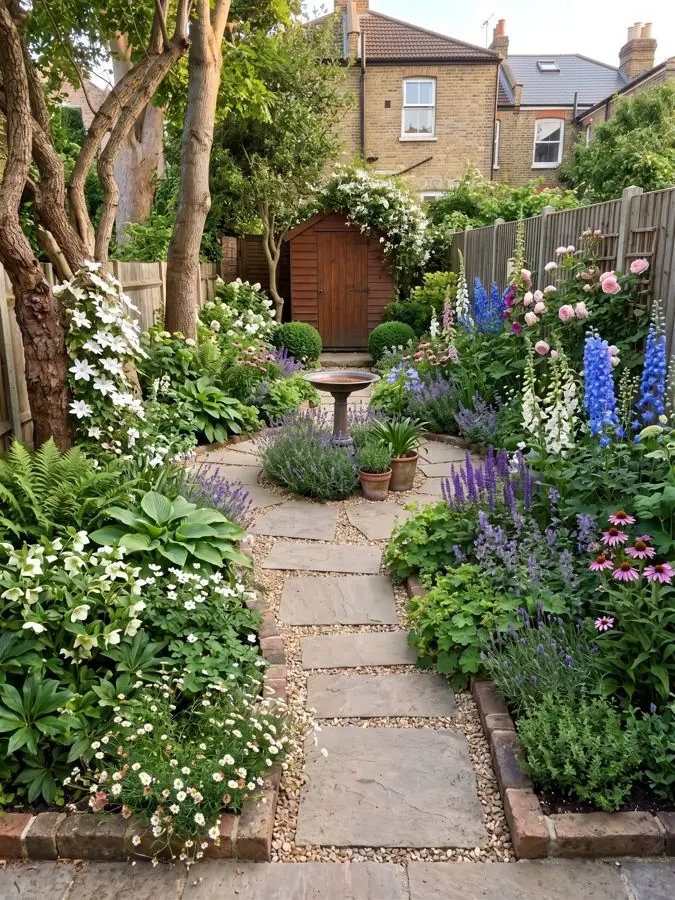
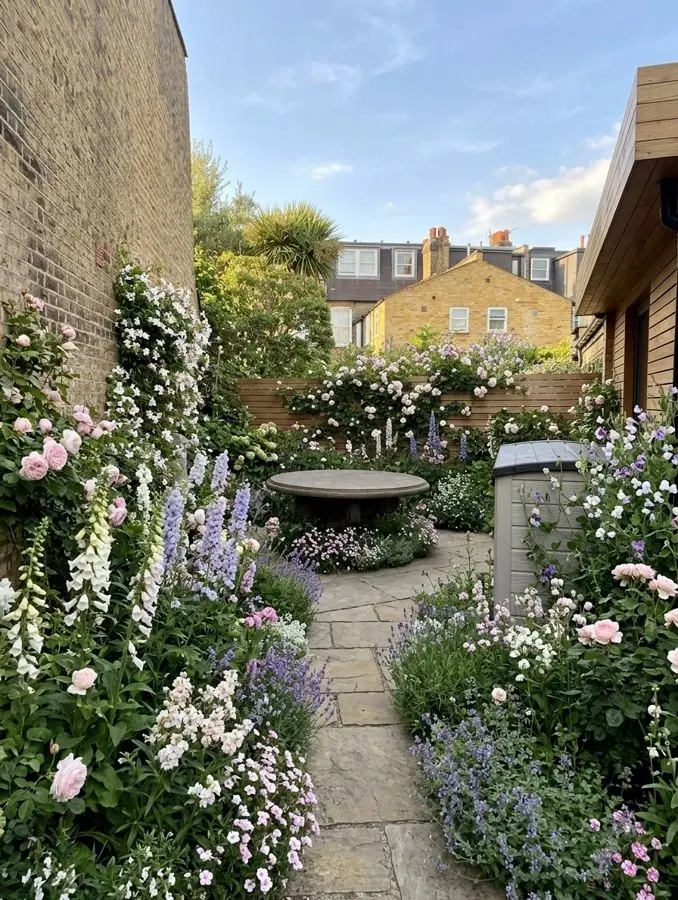
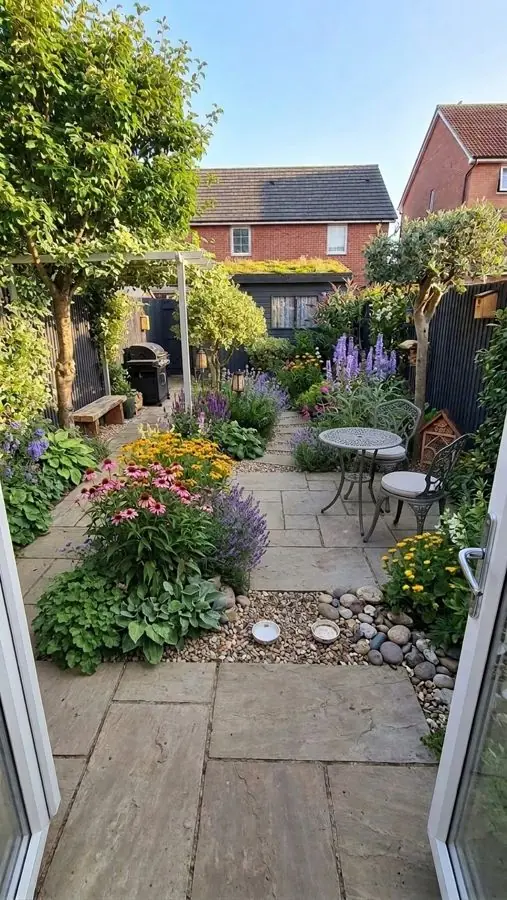
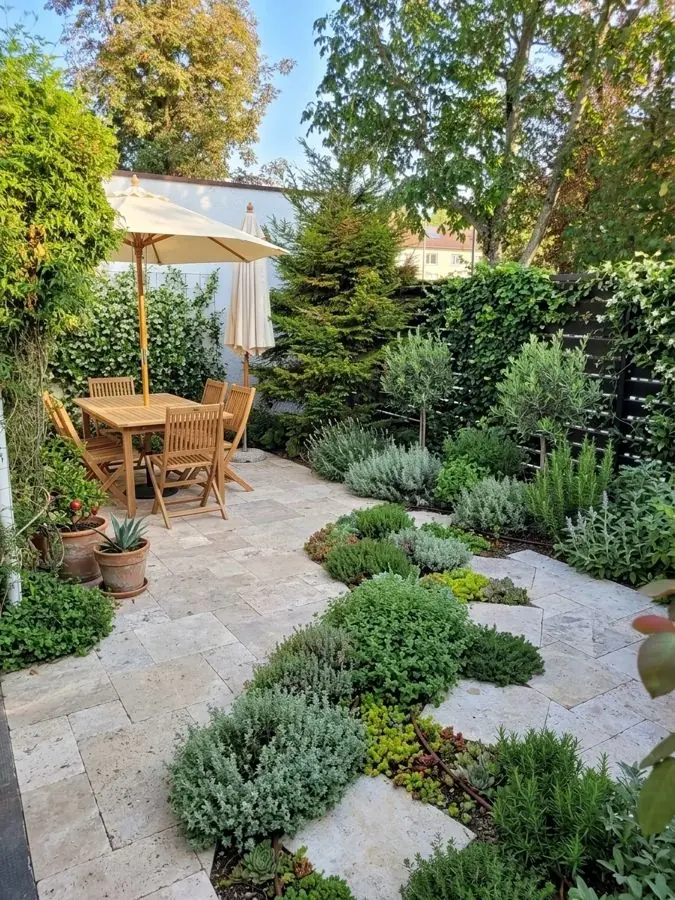
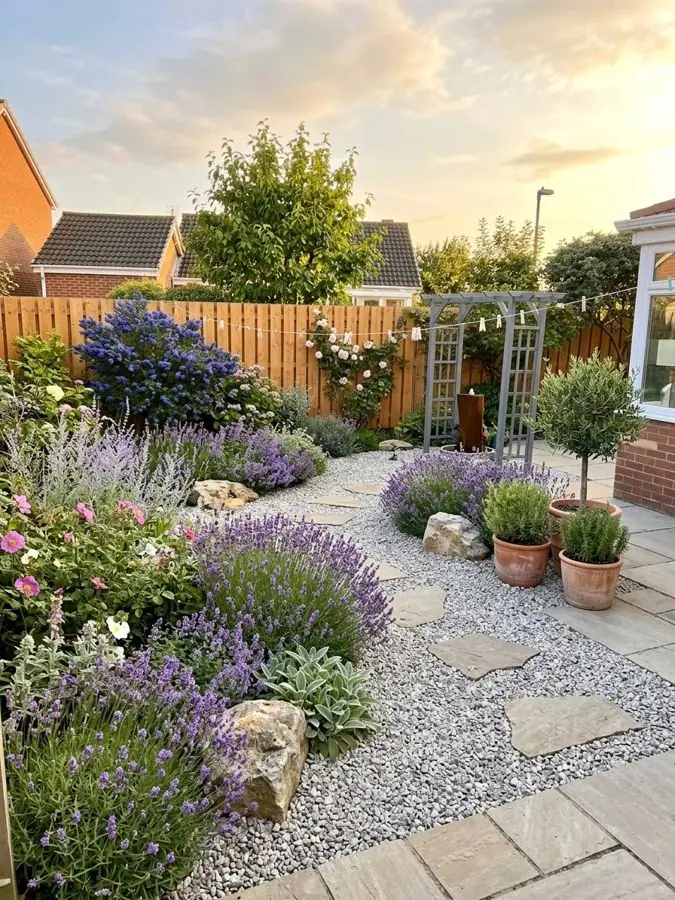
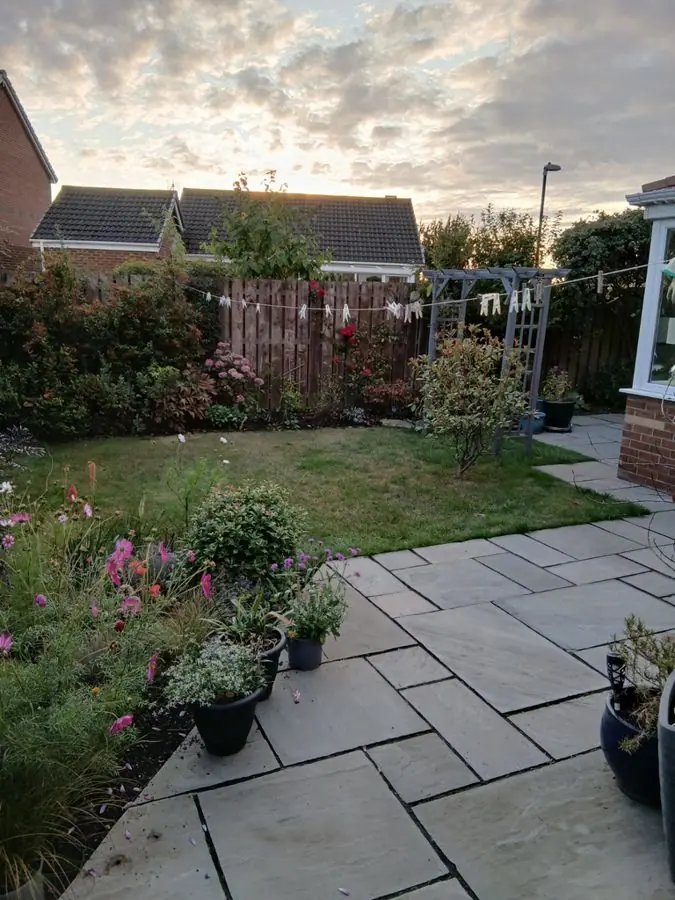
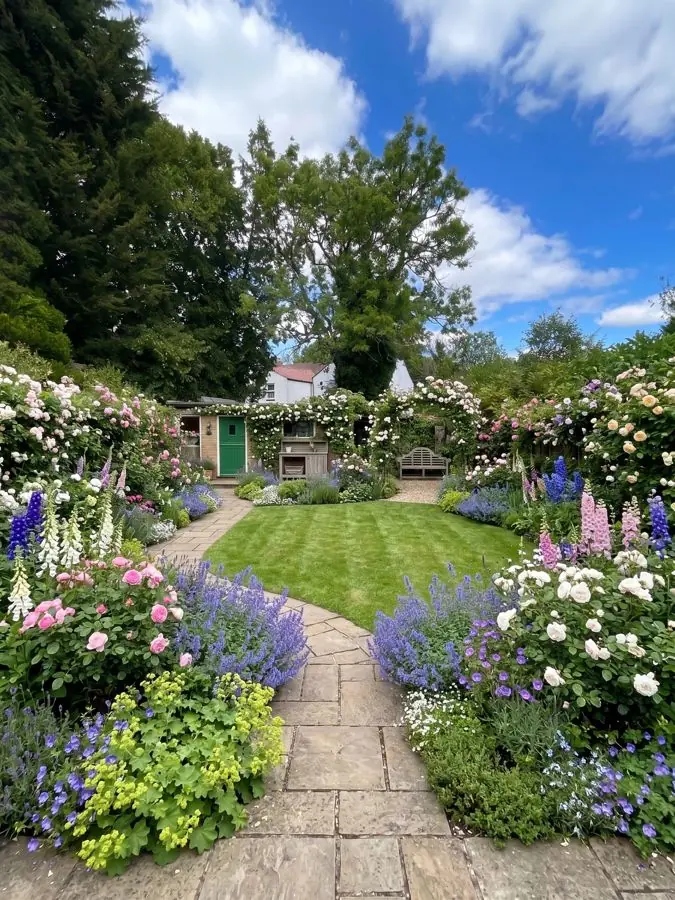
Lavender gravel garden
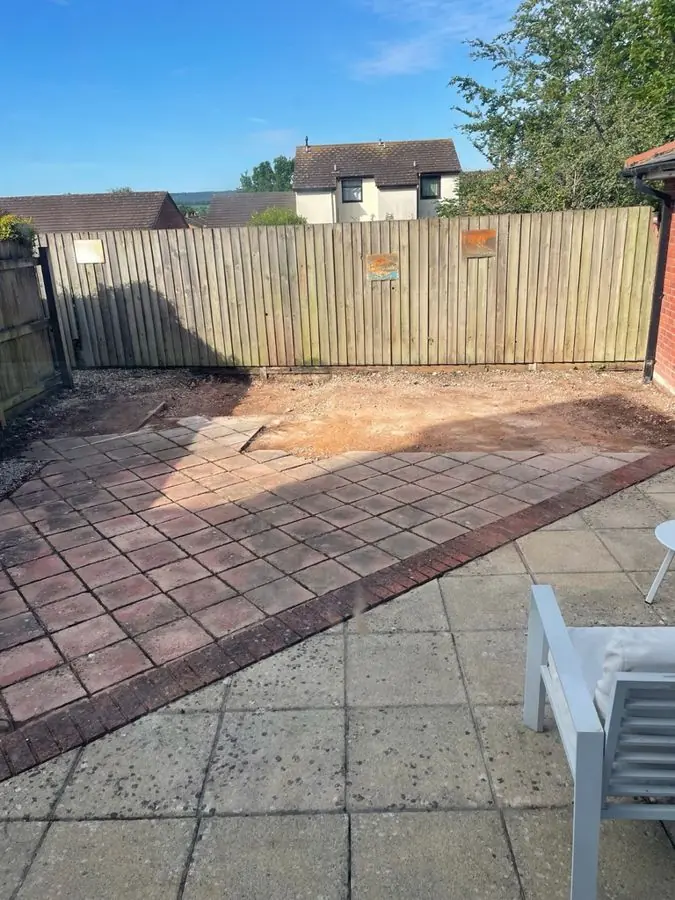
Before: a lawn and paved patio with pots and an arch beyond
Get this yard →First 3 designs free · No card
Tired of watering a lawn that keeps turning brown? Add one photo, pick a style and see a yard that needs less water in about a minute.
Add your ZIP code: plants picked for your USDA zone, your summer heat, your light and your soil.
Design my yardOver 500 yard designs made.
Every one is a real yard, redesigned from one photo, and each says what was there before. Most are in milder places than a desert: add your ZIP code and the plants we pick suit where you live. Tap Before to see the photo. Like one? Tap Get this yard to design your own yard in the same style.
Lawns, patios and bare ground turned into gravel, rock and plants that take the heat. 7 yards
Before: a lawn and paved patio with pots and an arch beyond
Get this yard →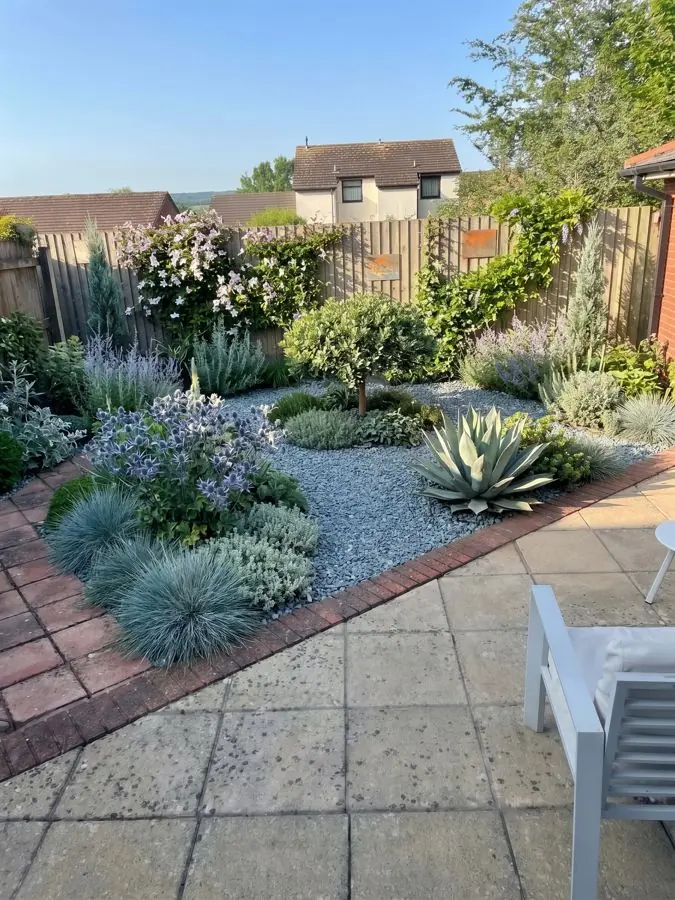
Before: A bare area of red brick pavers beside a gray concrete patio
Get this yard →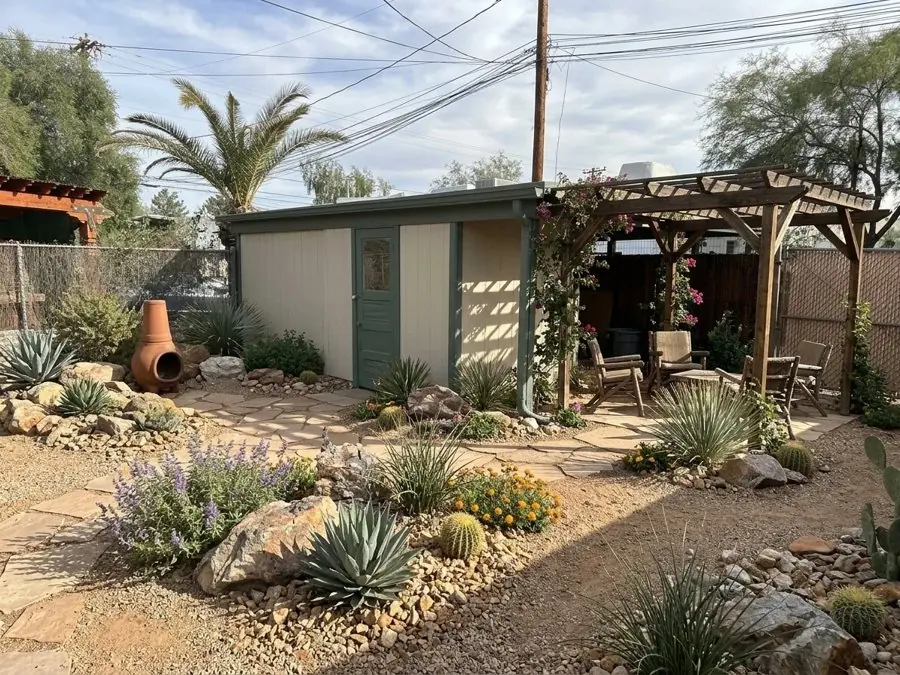
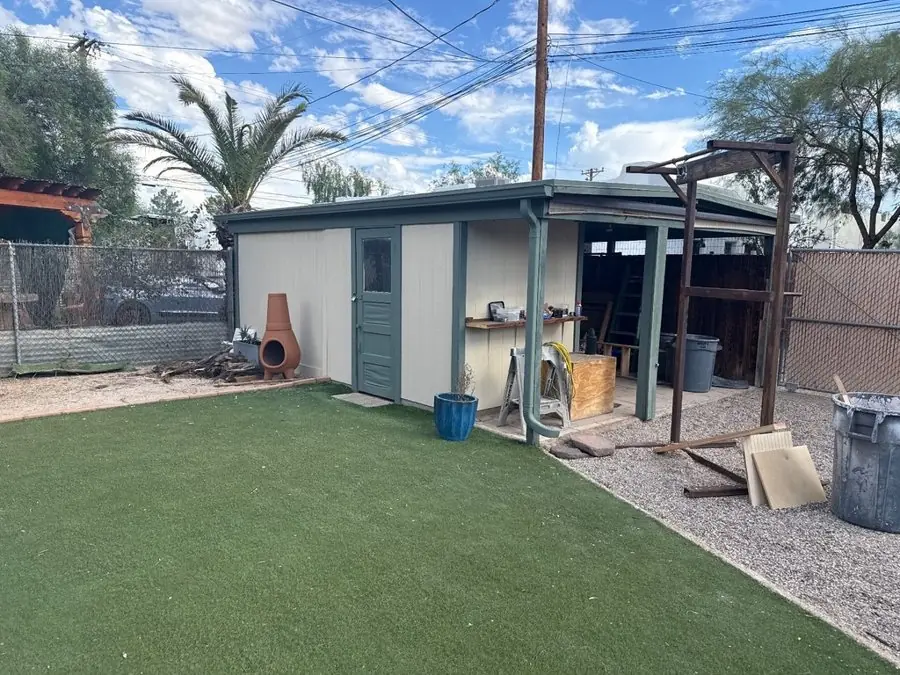
Before: artificial grass in front of a garden shed
Get this yard →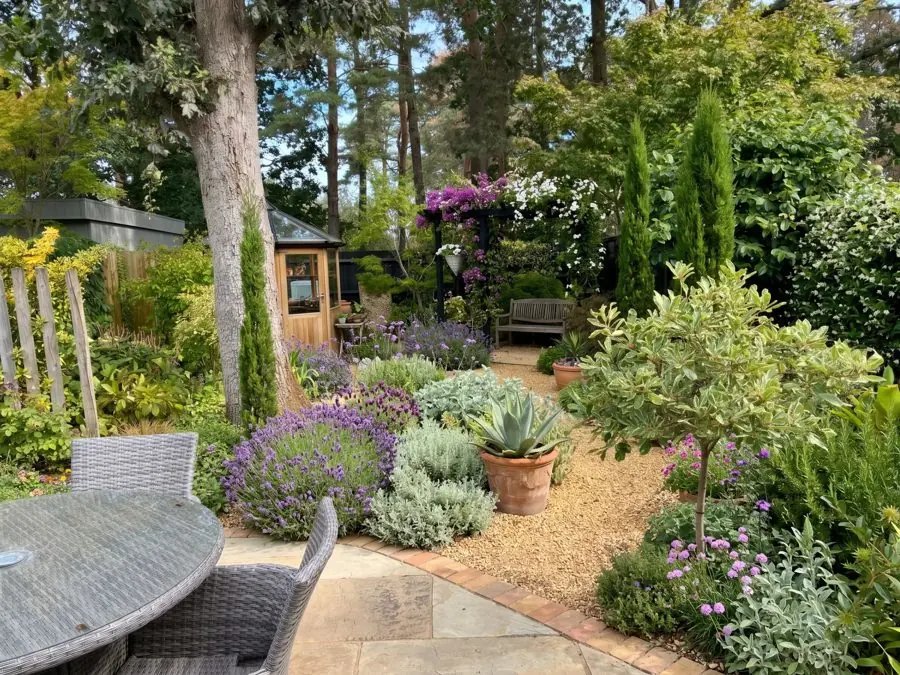
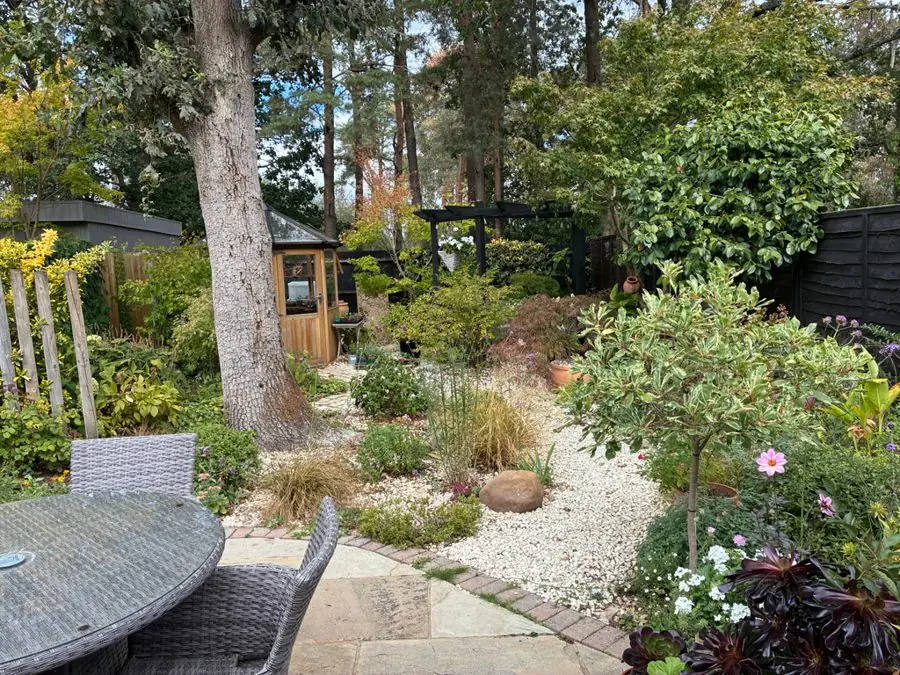
Before: a gravel bed with stones under a tall tree beside a patio
Get this yard →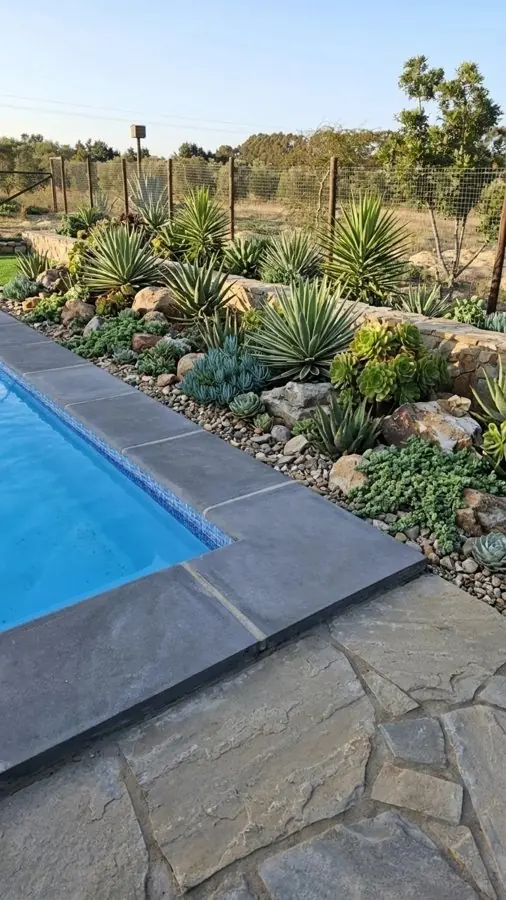
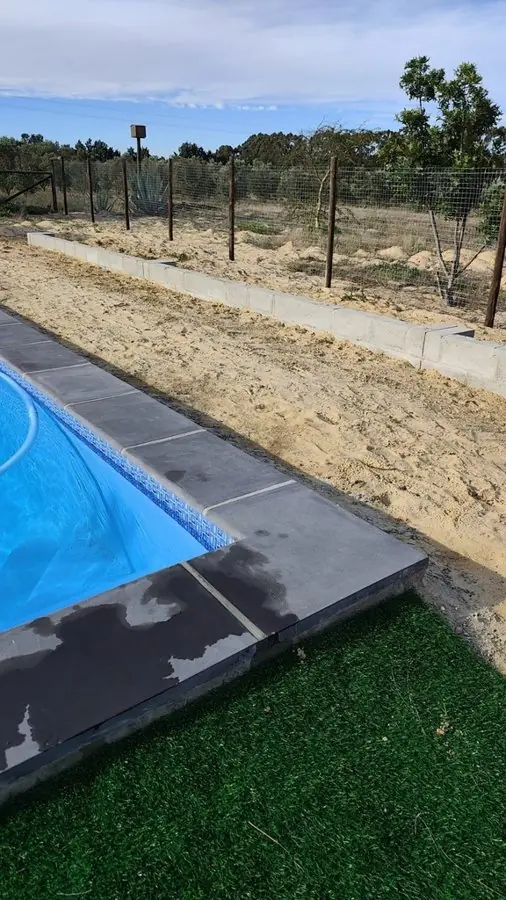
Before: a bare, sandy slope beside a pool
Get this yard →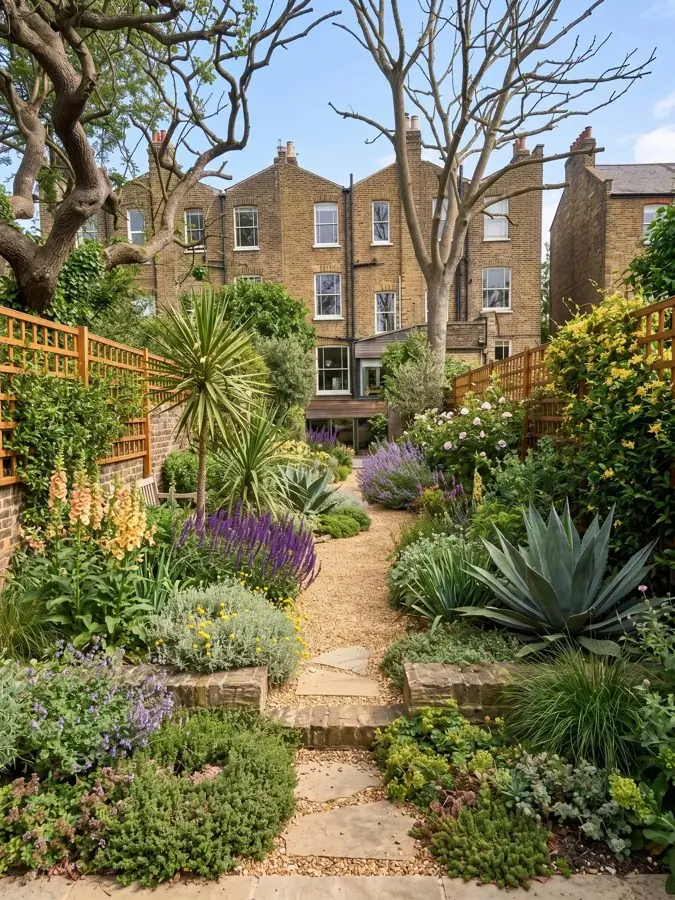
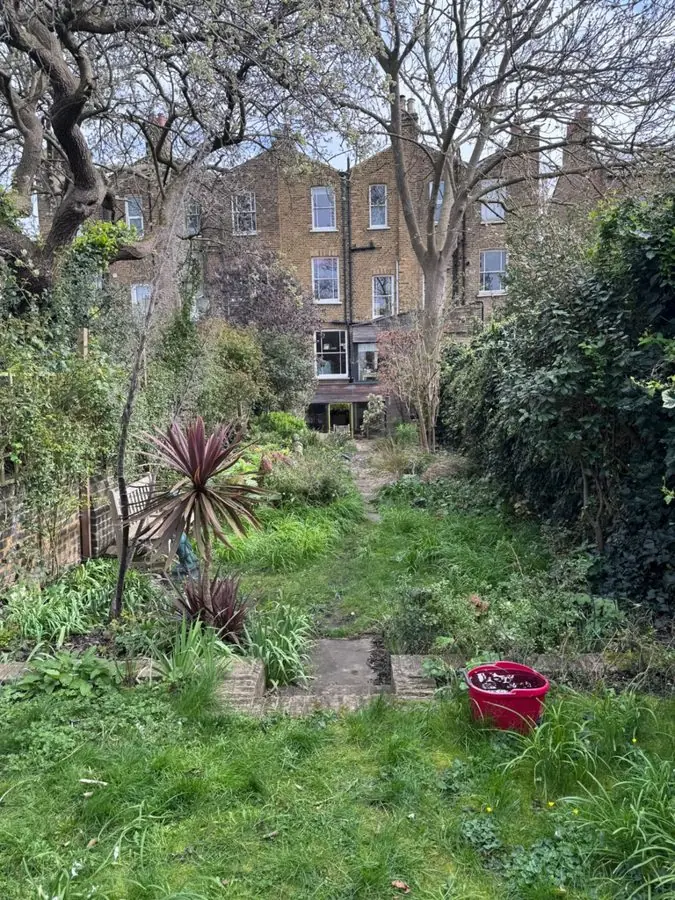
Before: an overgrown lawn with a spiky shrub in a long town garden
Get this yard →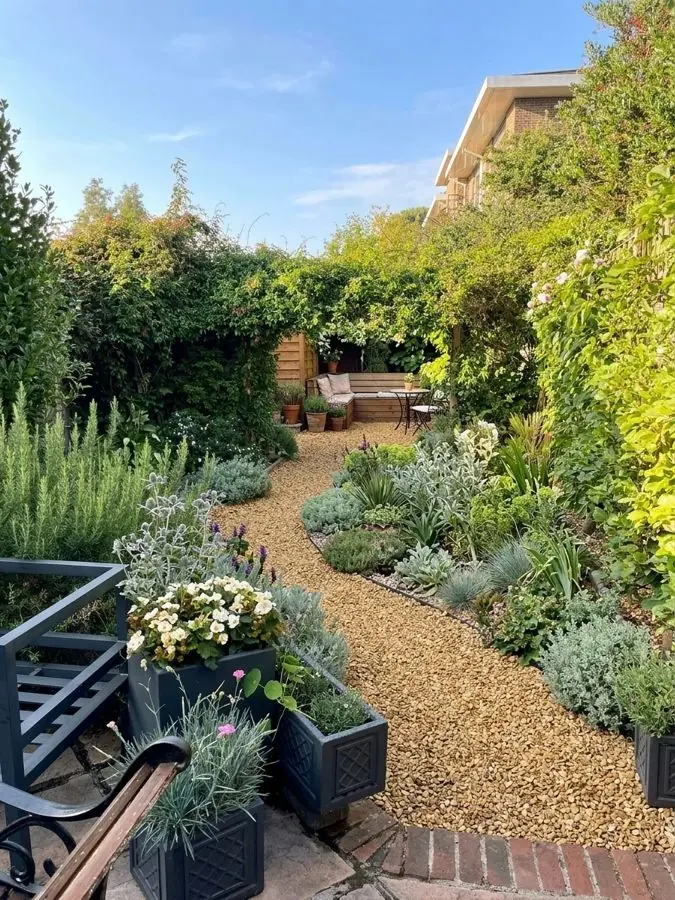
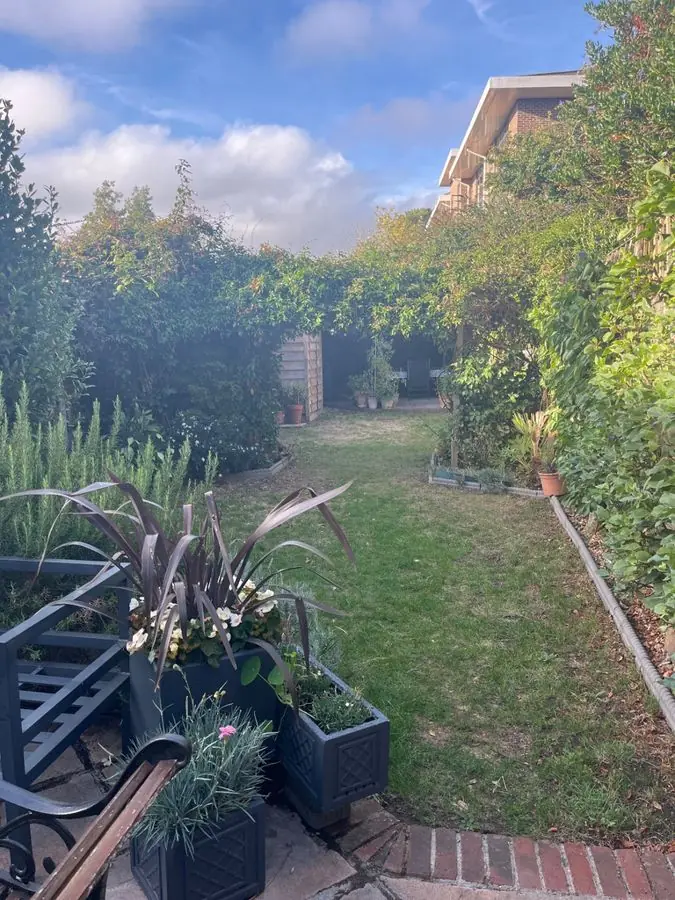
Before: a narrow lawn with planters, a bench and tall hedges
Get this yard →Dry, patchy lawns swapped for paths, gravel and flowers, each from one photo. 5 yards
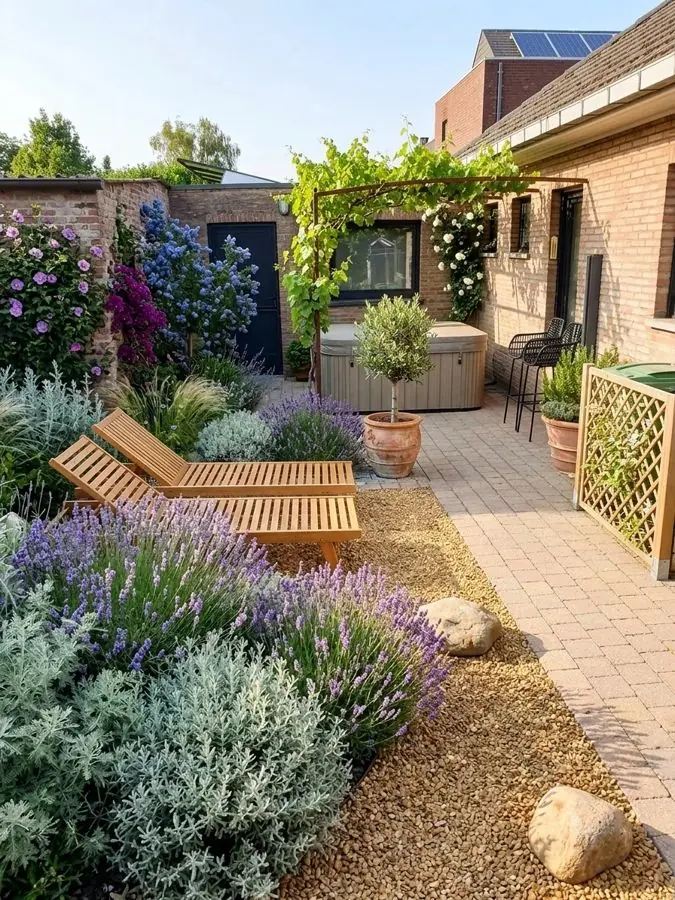
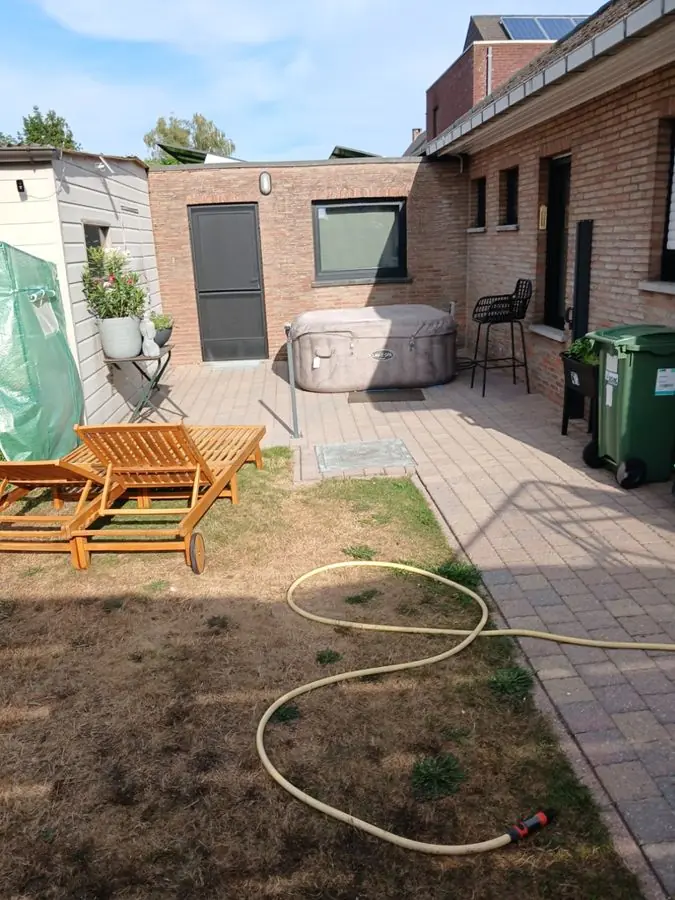
Before: a dry lawn with a hose, lounge chairs and a hot tub
Get this yard →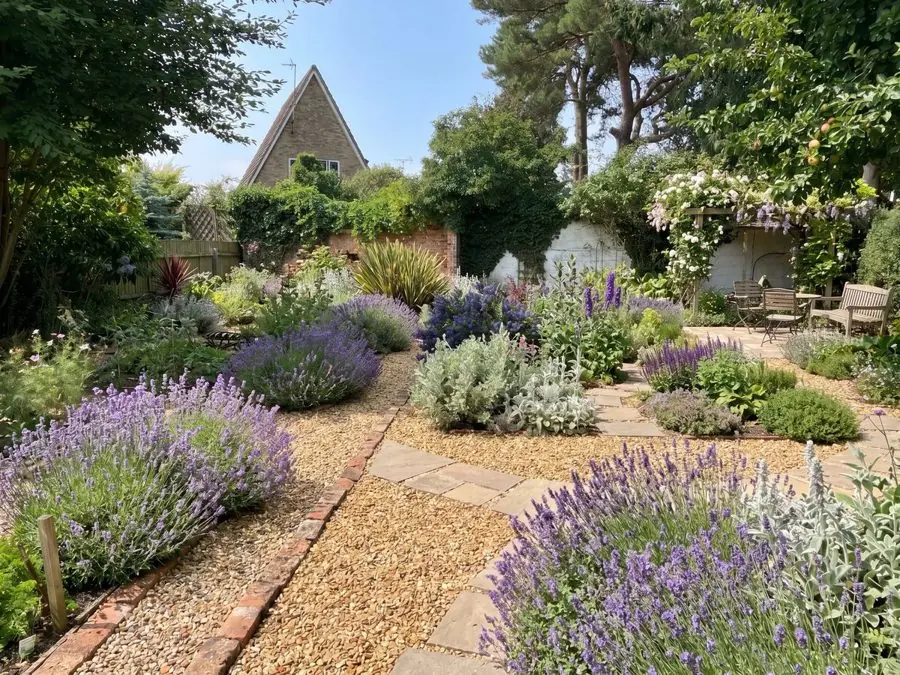
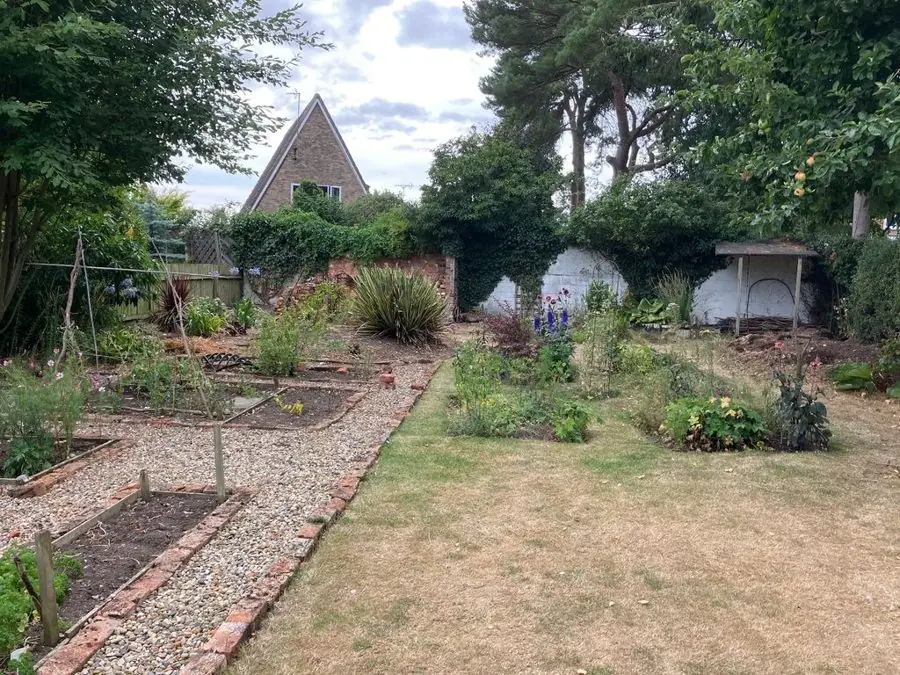
Before: a dry lawn beside gravel vegetable beds and old sheds
Get this yard →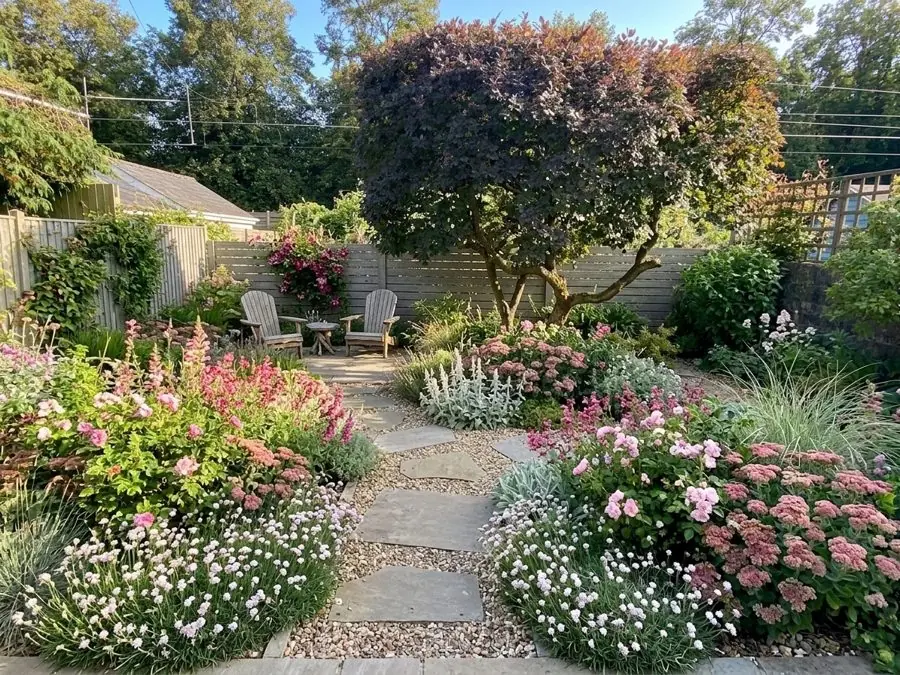
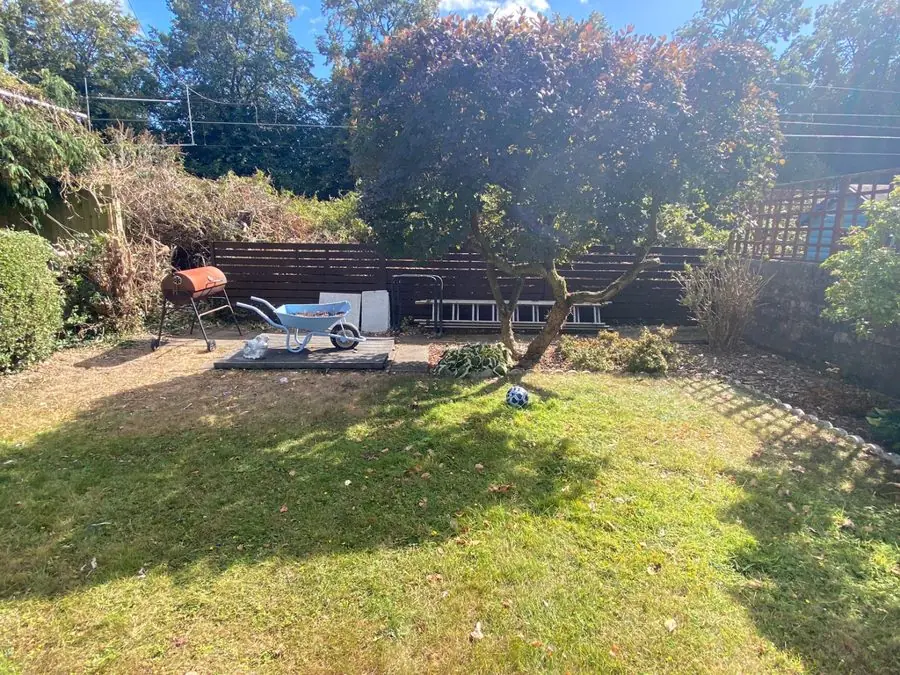
Before: a dry lawn with a small tree, wheelbarrow and clutter behind
Get this yard →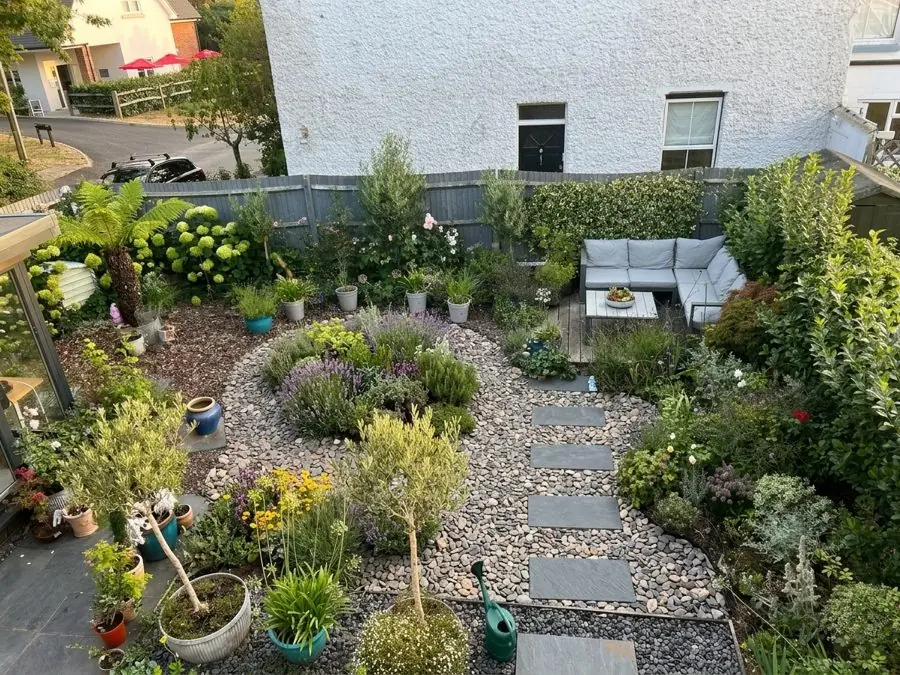
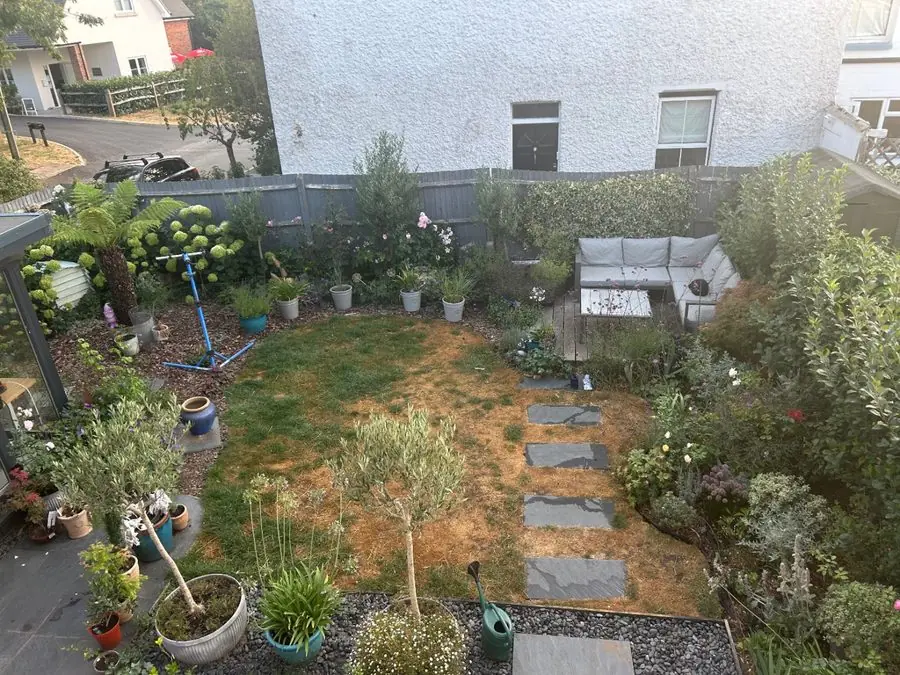
Before: a patchy brown lawn with stepping stones, pots and a sectional sofa
Get this yard →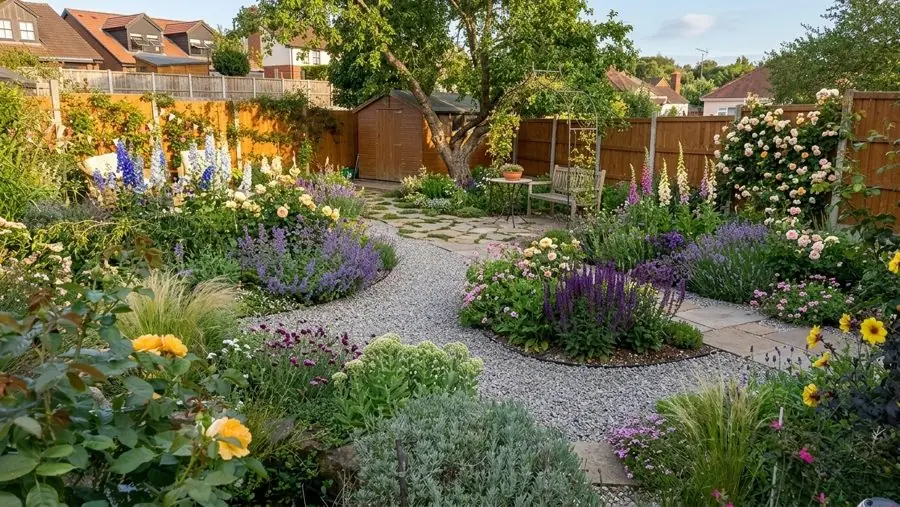
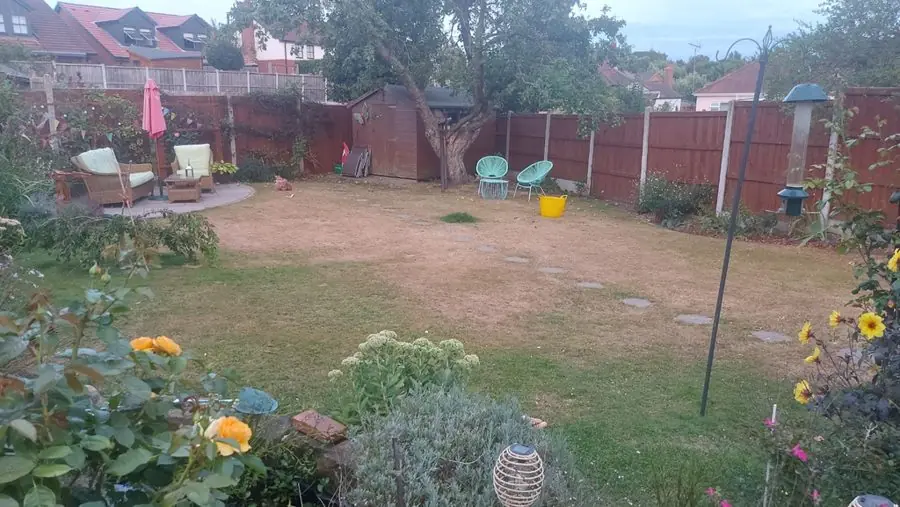
Before: a dry brown lawn with fences, a shed and garden chairs
Get this yard →Front yards of gravel and lavender, grasses and silver leaves, seen from the street. 4 yards
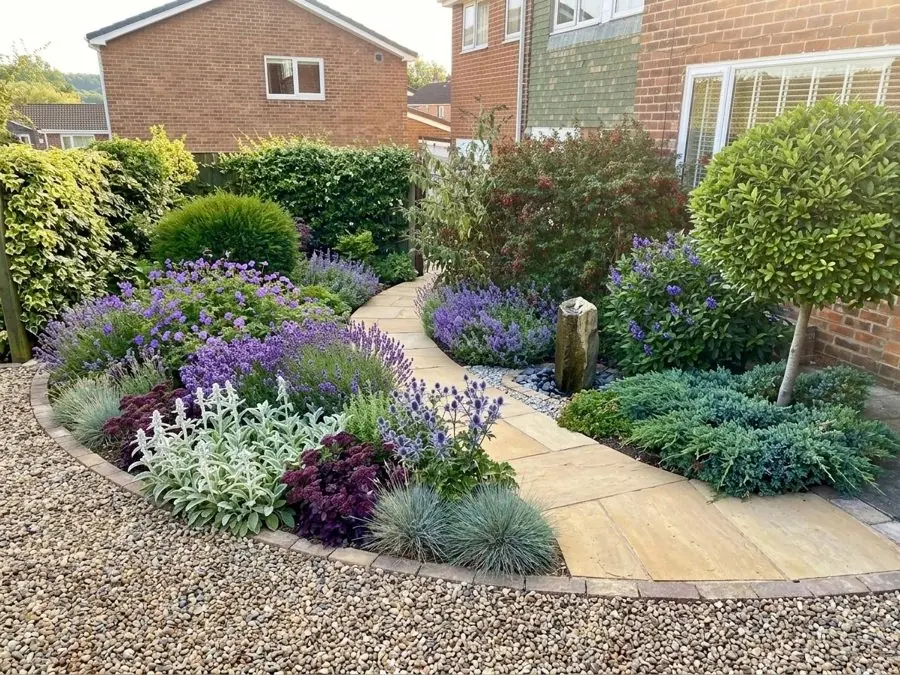
Before: a gravel front yard with a few shrubs and pots
Get this yard →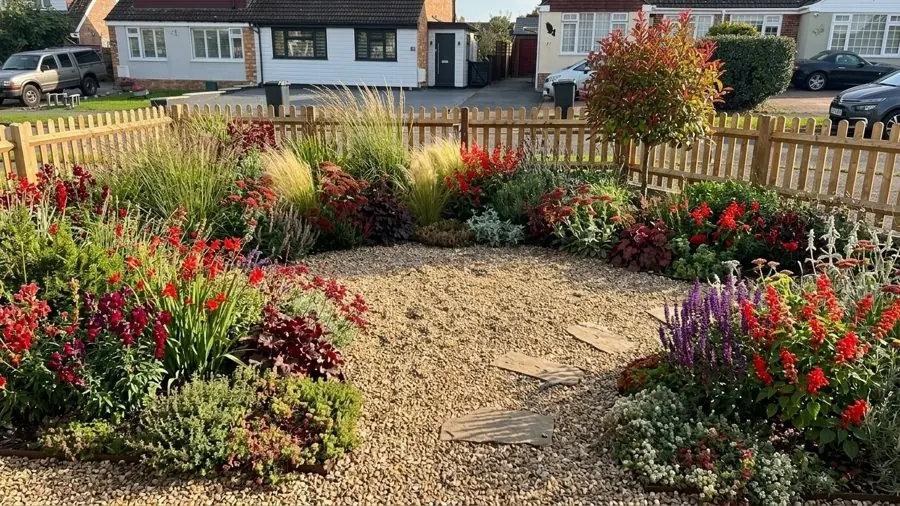
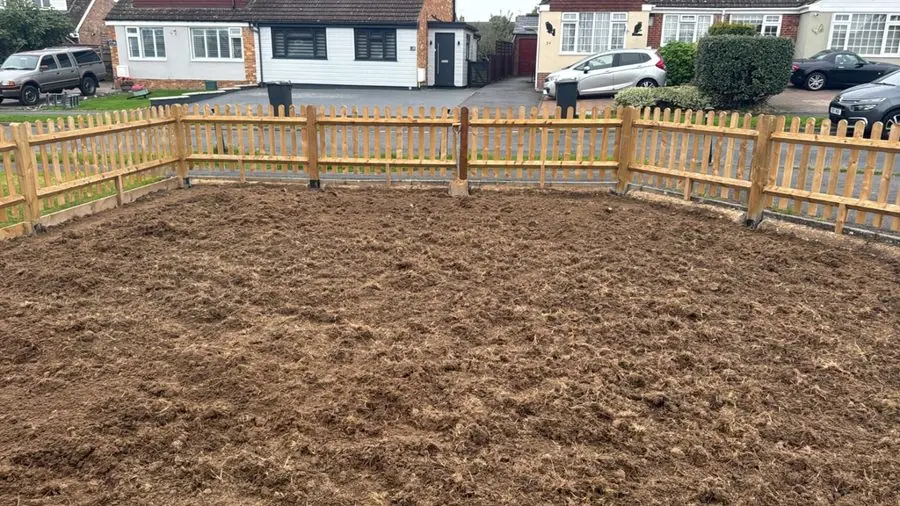
Before: bare raked soil inside a wooden picket fence facing the road
Get this yard →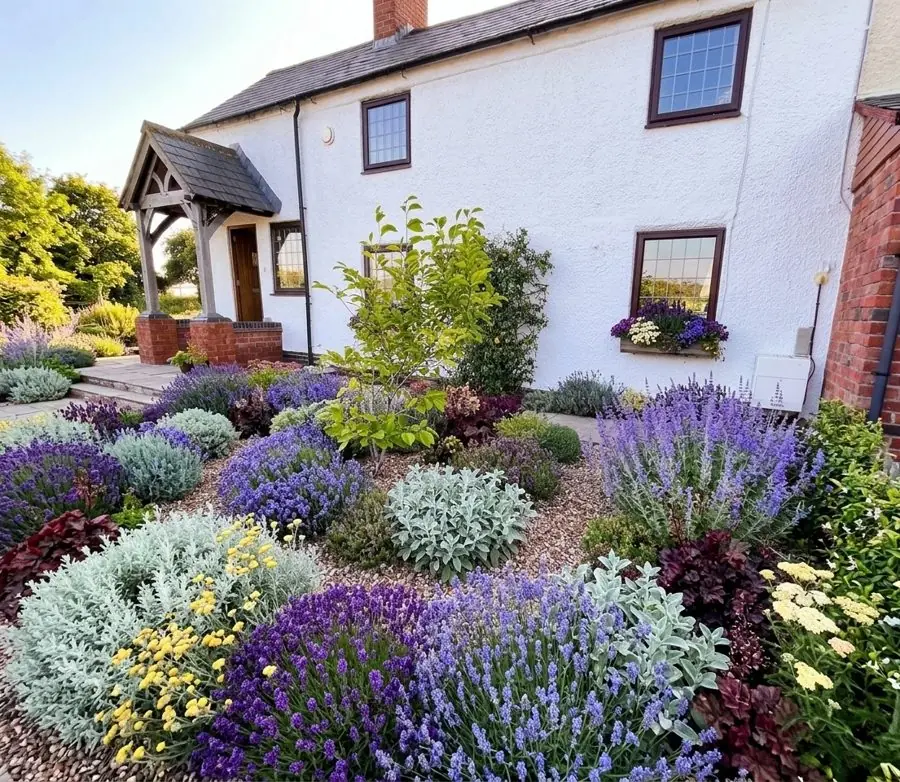
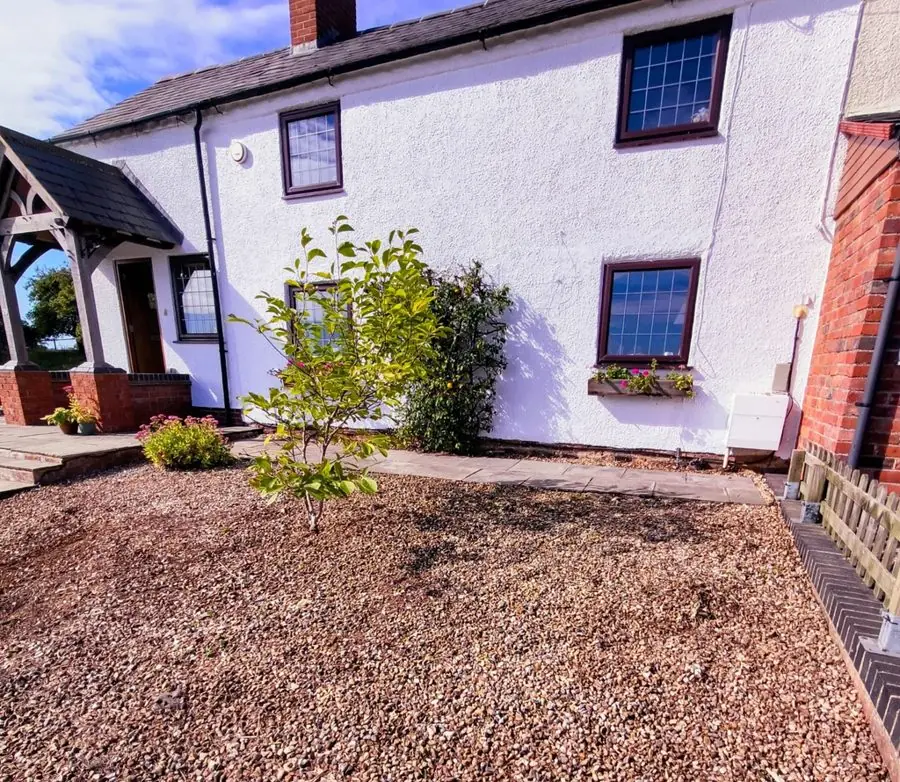
Before: a bare gravel front yard in front of a white cottage
Get this yard →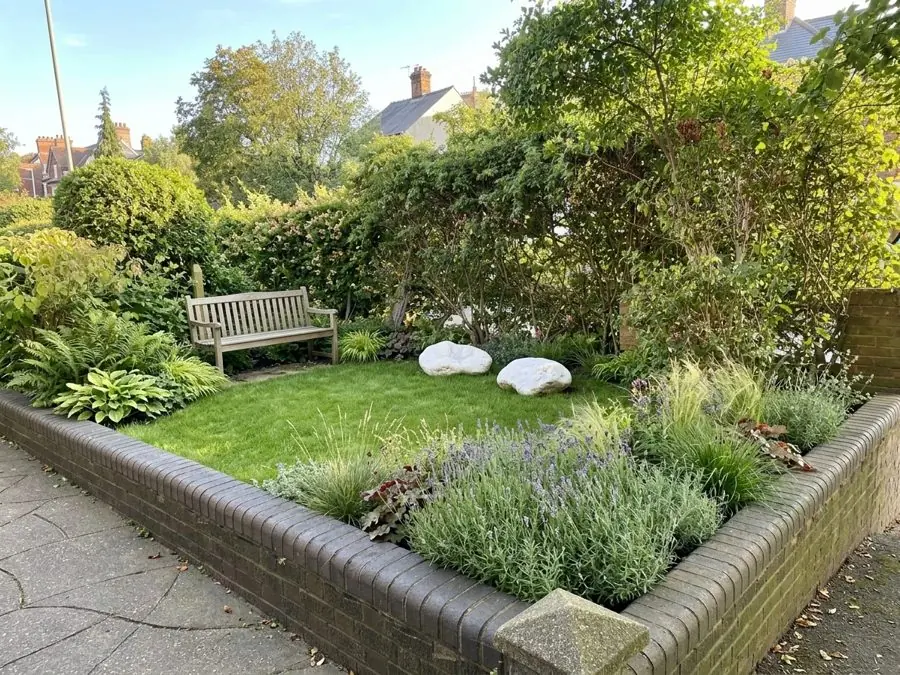
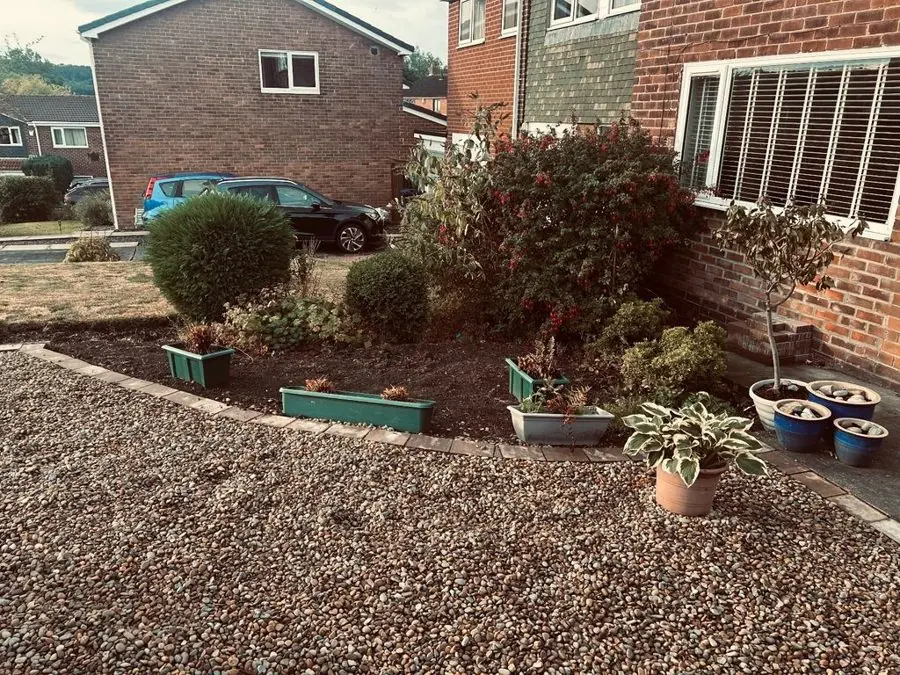
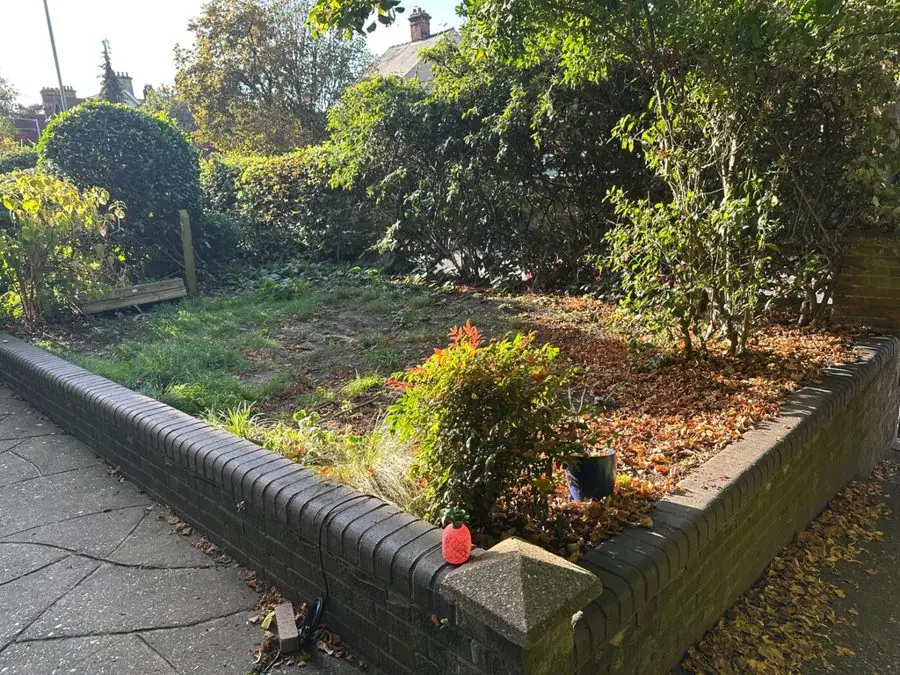
Before: a raised brick bed of bare soil, fallen leaves and overgrown shrubs
Get this yard →Start with the yard you have, including the lawn you want to get rid of.
One photo from your phone is all it takes. Your ZIP code gives us your USDA zone, so the plants we pick can live through your winters.
Pick one of 15 styles and a color scheme (Drought tolerant is the one to try first), then ask for anything you want, like "no grass" or "desert plants". Keep your paths and patio, or start over with a new layout.
Your real yard, replanted, in about a minute.
See your own yard redesigned first. When you find the look you love, Pro or Max plans turn it into a yard you can plant: $39 or $65 in the US, one payment.
See what goes into a planting plan before you choose.
Your first 3 designs are free.
Watermarked and lower quality. No card needed.
| One payment, no subscription. | ||
| What you get | ||
| Designs | 20 | 50 |
| Days to use them | 14 | 30 |
| Free designs on top | 5 | 10 |
| Designs at once, side by side | 2 | 4 |
| With every design | ||
| Every plant named, ready to buy | ||
| The materials, gravel to fence, with whole yard designs | ||
| Care guide and flowering calendar | ||
| Higher quality images | ||
| No watermark | ||
| Change any design in your own words | ||
The pot size to buy and how tall each grows. Measured borders also say how many to buy.
| Plant | Pot | Height |
|---|---|---|
| Catmint 'Walker's Low'Nepeta × faassenii | Quart to 1 gal | 4 to 20 in |
| Avens 'Totally Tangerine'Geum | 1 gal | 20 in to 3 ft |
| Giant montbretiaCrocosmia masoniorum | 1 gal | 3 to 5 ft |
| Tellmann's honeysuckleLonicera × tellmanniana | 1 to 2 gal | 8 to 13 ft |
Where it grows best, how to prune it and how it gets through winter.
Every plant, the months it flowers, in its own color.
Avens 'Totally Tangerine'
Catmint 'Walker's Low'
Clematis 'The President'
Lady's mantle
Higher quality images of your design, yours to keep.
 gardendesignapp.ai
Say what you want different, and see it redrawn.
On whole yard designs: the pavers, gravel, edging and fence in the picture.
Anywhere in the US, we take your ZIP code and choose plants suited to your zone, your light and your soil.
What xeriscape means, which plants work where and how to see it on your own yard before you take out the lawn.
Xeriscape means a yard designed to need little water beyond what falls on it. You will also see it spelled zeroscape, which makes it sound like bare rock, but xeriscape gardening is mostly plants: tough ones, grouped by how much water they need, with mulch or gravel on top to hold in what rain there is. Xeriscape landscaping works in cold places as well as hot ones, because it is about matching plants to your rainfall, not about a desert look. New plants still need watering until their roots are established, so it is not zero water in the first year or two.
Drought tolerant landscaping usually starts with the lawn, because grass is often the thirstiest part of a yard. Keep only the grass you use and turn the rest into planting, gravel or a path. Drought resistant landscaping then groups plants by thirst: the ones that need a drink together, near the house or a drip line, and the toughest further out. Low water landscaping does not have to look sparse if you plant in generous groups and repeat them. Some water utilities pay rebates for taking out grass, so check yours before you dig, and check any HOA rules too.
Desert landscaping ideas work best with plants that already like it hot: agaves, yuccas, red yucca, ocotillo, penstemons and muhly grass, with rock and gravel between them. Give each plant room, because desert plants look best when you can see their shape. Rock holds heat, so a yard of nothing but gravel can feel hotter, and shade near the house and over a place to sit makes the biggest difference. Which of these live in your yard depends on your winter: a high desert freezes hard and a low desert barely does. That is why your ZIP code decides the plants we pick.
A xeriscape front yard is seen from the street, so keep the edges neat and repeat a few plants. Swap a xeriscape front lawn for gravel or a low ground cover, and leave a clear walk to the door. A drought tolerant front yard looks best with one or two bigger plants for shape and groups of smaller ones around them. Choosing drought tolerant plants for front yard beds comes down to your sun: a south or west facing yard takes the most heat. A low maintenance xeriscape front yard adds a thick layer of mulch or gravel to keep weeds down.
Xeriscape plants are different in every state. In the desert Southwest, agaves and yuccas do the heavy lifting. In colder, drier places, little bluestem, blue grama, penstemons and yarrow are the usual picks. Xeriscape shrubs include sagebrush and santolina, and lavender does well where the soil drains fast. Drought tolerant plants for landscaping still need water in their first year while their roots grow. You don't have to work this out yourself: the plants we pick are matched to your winters, your summer heat, your light and your soil.
A xeriscape backyard needs somewhere you can sit without baking, so plan the shade first, with a tree, a pergola or the side of the house. Then give the rest of the xeriscape yard to gravel, rock and planting, with a path between them. Desert backyard ideas often use a low wall or a line of big pots to give the space some shape. Backyard desert landscaping ideas are easiest to judge on your own yard: take one photo from the back door and see it redesigned.
Inexpensive desert landscape ideas keep the hard surfaces small, because gravel costs less than pavers and plants cost less than either. Buy smaller plants and plant in the cooler months, when they settle in faster. Cheap drought tolerant landscaping works best a part at a time, starting with the area you see most. Inexpensive drought tolerant landscaping also keeps the patio and paths you already have. With Pro or Max plans, the plant list gives the pot size to buy and, for a measured bed, how many.
Low maintenance desert landscaping keeps to a few slow-growing plants, with room for their full size so they need less pruning. Weeds still come up through gravel, so a thick layer helps and a few minutes every few weeks keeps on top of them. Modern desert landscaping takes the same idea further: clean edges, one kind of gravel and a few sculptural plants repeated. Try the Modern style on one design and Drought tolerant on the next, on the same photo. For more ways to cut the work, see low maintenance landscaping.

Want clean lines? Modern landscaping keeps to simple shapes and a tidy lawn or patio.

Got a hill to deal with? Sloped yard landscaping shows what can work on a slope or a bank.

Neighbors looking right in? See backyard privacy ideas pictured on your own yard.

Not sure where to start? Browse landscaping ideas drawn on your own yard, from one photo.

Want somewhere to sit out? See backyard patio ideas pictured on your own yard.

Short on time? Low maintenance landscaping designs a yard that needs less work.

Ready to plant? See what goes into a planting plan: every plant, how big each grows and where it goes.
Zeroscape is a common misspelling of xeriscape. Xeriscape means landscaping that needs little water, and most of it is planted. It does not mean a yard of bare rock.
Yes. Xeriscape means matching plants to the rain you get, so it works in cold, dry places and in wetter ones too. Your ZIP code decides which plants we pick.
It depends on your winters and summers. In the desert Southwest, agaves, yuccas and penstemons; in colder, drier places, little bluestem, blue grama and yarrow. Add a photo and your ZIP code and we pick plants for your yard.
Yes, at first. New plants need regular watering until their roots are established, usually through the first year or two. After that most need far less, though how much depends on your summer heat.
It usually costs more to put in than leaving a lawn alone, and less to run, because you water and mow less. Plants and gravel cost less than pavers, and some water utilities pay rebates for taking out grass.
Check your HOA's rules first. Some states limit what an HOA can ban when it comes to low water yards, and a picture of the design can help when you ask for approval.
Yes. Add a photo and your ZIP code, pick the Drought tolerant style and ask for desert plants if you want them. The plants come from a list cut to where you live, which includes agaves, yuccas and penstemons for the places they can grow.
Yes. Add your ZIP code and we look up your USDA zone and your coldest winter night, and the plants we pick are the ones that can live through it. Rather not say? Choose your coldest winter night from the list instead.
You can ask for native plants when you describe what you want. Our list does not yet mark which plants are native to your state, so check the names in your plan with your local extension office or native plant society.
Yes, your first 3 designs are free, right away, with a small watermark. In the US, the Pro plan is $39 and the Max plan is $65, each one payment that covers your whole project, with no subscription. Every design you make with Pro or Max plans comes with every plant named, plus a clean, higher quality image that is yours to keep. Pro makes two designs at once, Max four.
Add one photo of your yard and see it redesigned in about a minute. Your first 3 designs are free, with no card.
Design my yard