
How we can help
How can you transform your garden to look like Beth Chatto’s Woodland Garden?
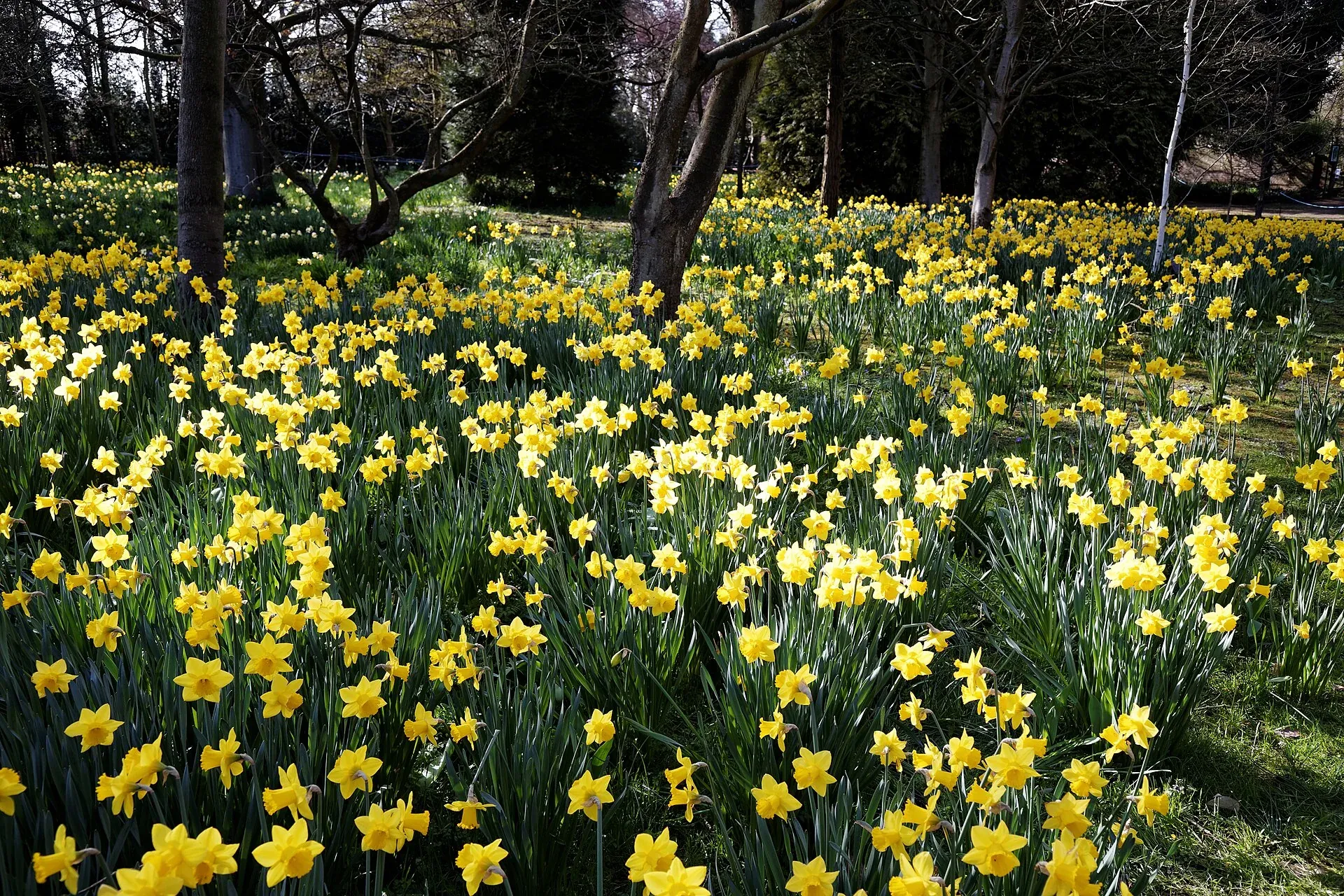
Beth Chatto turned a cleared patch under old oaks into a tapestry of shade loving plants. With Garden Design App, you add a photo of your garden, choose the Cottage style with Shady (under 3 hrs) light and White & silver colours, and ask for the Woodland Garden touches you love: ferns and periwinkle covering the ground, sweeps of snowdrops and pale daffodils, a climbing hydrangea up the tree. In just one minute you see your garden redesigned in a layered woodland look inspired by Beth Chatto, with your house, trees and fences kept.
- See the look before you spend. A dark corner under a tree is hard to picture as a tapestry of ferns, bulbs and pale flowers. Try the planting under the tree, then along the shady fence, and keep the design you love.
- Plants that will grow for you. Shade is where the wrong plant fails first. With Pro or Max, every plant is named and picked to thrive where you live, in your light and soil, ready to buy, with a flowering calendar that shows the bulbs handing over through spring.
- Save over £1,900. The average UK garden design costs £1,950, and a designer can take weeks to months to come back with a first design. Garden Design App gives you one in just one minute.
Your first 3 designs are free, with no card needed.
See a real Cottage garden redesignWhat the Beth Chatto Gardens are, and who made them
Beth Chatto was a plantswoman, garden designer and writer, born in 1923 at Good Easter in Essex. In 1943 she married Andrew Chatto, a fruit farmer whose lifelong interest in where garden plants come from shaped everything she grew. She died in May 2018, aged 94. Garden’s story · Wikipedia
The Beth Chatto Gardens history starts in 1960, when the family built a new house at Elmstead Market, near Colchester, on wasteland that had been part of their fruit farm. The soil was too dry in some places and too wet in others, rainfall is low, and the ground had run wild with blackthorn, willow and brambles. Only the ancient oaks on the boundary survive from those first days. Garden’s story · Wikipedia
Instead of fighting the site, she chose plants to suit each condition, making a series of gardens. Today the Beth Chatto Gardens in Essex include the Gravel Garden, the Woodland Garden, the Water Garden, the Long Shady Walk, the Reservoir Garden and the Scree Garden, about seven acres in all. In the Water Garden she dug four ponds out of a boggy hollow, and a path under the oaks along the boundary is lined with plants that take shade. A nursery followed in 1967, she won ten Gold Medals in a row at Chelsea from 1977, and in 2020 Historic England listed the gardens as a significant post war landscape. Wikipedia · Gardens Illustrated · Garden’s story
The most famous part is the Gravel Garden, made on the old nursery car park; our gravel garden design page covers that side of her work. This guide is about the shade under the oaks. The gardens are open to visitors; see the garden’s own website for times. Gardens Illustrated
The Woodland Garden: made after the 1987 storm
The Great Storm of October 1987 felled many trees in part of the garden, and the garden’s own team say that is when the decision was made to create a woodland garden there. More trees were thinned and the brambles and blackthorn cleared, leaving a blank canvas for Beth to weave a tapestry of shade loving plants under a high canopy of English oaks. Garden’s blog · Gardens Illustrated
The soil was sandy and stony, so compost and manure were dug in and mulched with leaf mould and bark. Vigorous ground covers went in to catch the falling oak leaves so they would rot down and slowly improve the soil. Bulbs were added to flow from bed to bed in natural sweeps, and shrubs and small trees were planted to slow the wind and give different heights. Gardenista · Garden’s blog
First published in 2002 as Beth Chatto’s Woodland Garden, her book is now titled Beth Chatto’s Shade Garden. Its message is to see shade as an opportunity rather than a problem area. Gardenista
Why the Beth Chatto woodland garden works
Beth Chatto garden design is easy to borrow, because it rests on a few clear ideas rather than rare plants or a big budget. These are the ideas worth taking home when planning a shady corner of your own, and each of them works under one tree in an ordinary garden.
Right plant, right place
Her best known principle, right plant right place, means choosing plants that suit the conditions you have instead of changing the conditions to suit the plants. Under trees that means many spring flowers, which grow, bloom and feed before the canopy closes over them. Gardenista · Wikipedia
The floor is planted, not bare
The first layer was ground cover: periwinkle and comfrey spreading under the oaks. It hides bare earth and, by trapping leaves, feeds the soil. Everything else grows up through it. Garden’s blog
Bulbs in sweeps, not dots
The bulbs flow from bed to bed, so the season moves through the garden as one wave: snowdrops, then daffodils, then fawn lilies. Plant them in broad drifts if you have the space, and always let the leaves die back so the bulbs build up strength. Garden’s blog · Gardenista
Layers from the ground up
Ground cover, perennials, shrubs and small trees, then climbers. In the Woodland Garden the climbing hydrangea is trained about 20 feet up the oak trunks, bringing colour up into the trees once the floor is in shade, and tough shrubs such as holly break the wind along the boundaries. Gardenista
Leaves first, flowers second
Flowers can be over in days, so she chose plants for their leaves. Hostas act as punctuation points, bergenias sit on corners for their glossy leaves, and light green or variegated foliage brings flashes of light into summer shade. Gardenista
Swathes that knit together
The garden’s own team say Beth’s woodland has a different feel from an intricately planted one: broad swathes of plants mix and compete with each other. As the ground cover settles, more plants are added and partnered so that one doesn’t overwhelm the other, until the whole floor reads as one tapestry rather than single clumps. Garden’s blog
Beth Chatto plants through the year
First, the plants that published accounts name in the real Woodland Garden. Then the plants in our Beth Chatto Gardens look, season by season. Where the garden’s own plant is not on our list, we use a stand in and say so.
Woodland Garden plant list from published accounts
- Periwinkle ‘La Grave’ and comfrey
- The vigorous ground covers planted to trap falling leaves: Vinca minor ‘La Grave’, with purple flowers among neat leaves, and the comfrey Symphytum ‘Hidcote Blue’, its flowers pink in bud, opening pale blue and then white. Garden’s blog
- Snowdrops, wild daffodils and fawn lilies
- The bulbs that flow from bed to bed from January to April, with hellebores, and trilliums and erythroniums among the rarer treasures. The daffodil is Narcissus pseudonarcissus. Garden’s blog · Gardens Illustrated
- Star magnolia, Mahonia and flowering currant
- Shrubs and small trees planted to slow the wind. The garden team call Magnolia stellata and its hybrids ‘the stars of the show’. Garden’s blog
- Climbing hydrangea, hostas, bergenias and holly
- Hydrangea anomala subsp. petiolaris trained 20 feet up the oaks, hostas as punctuation, bergenias on corners and holly against the wind. Gardenista
Gardenista also names Magnolia × loebneri ‘Leonard Messel’ flowering in April, viburnums, currants, Cornus mas and lace cap hydrangeas in the shrub layer, and Hosta var. elegans, H. ventricosa and H. lancifolia among the hostas, with very little slug damage in this cool, damp garden. The garden’s blog names wood anemones and Epimedium ‘Sulphureum’ growing up through periwinkle. Gardenista · Garden’s blog
Plants for a Beth Chatto look at home
Each season below shows our Beth Chatto Gardens look, the Cottage theme we built inspired by the Woodland Garden, then the plants our sources say grow in the Woodland Garden itself. Where the garden uses comfrey, trilliums and flowering currant, which are not on our shade list, periwinkle, epimediums and fawn lilies do that work in our look. Our theme
Spring is the big moment. Snowdrops cover the ground in January and February, wild daffodils (Narcissus pseudonarcissus) take over in March, and in April the fawn lilies break through, with wood anemones and the sulphur yellow epimedium growing up through periwinkle. The garden team call star magnolia (Magnolia stellata) and its hybrids ‘the stars of the show’. Our look keeps that pale story: white and green snowdrops, the lemon daffodil ‘Pipit’, creamy Erythronium ‘Pagoda’, white lungwort and white bleeding heart. Summer turns cool and green, autumn brings white Japanese anemones and bugbane, and winter is about scent and evergreens. Garden’s blog · Gardens Illustrated
| Season | What to plant |
|---|---|
| Winter | Scent and evergreens In our Beth Chatto Gardens look, winter is green and scented: sweet box (Sarcococca confusa), Mahonia ‘Winter Sun’, witch hazel ‘Pallida’, evergreen ferns and the coral bark maple, with silver edged holly as the evergreen in the canopy. Named in the Woodland Garden: snowdrops from January, hellebores and holly. |
| Spring | Sweeps of pale bulbs over the ground cover Daffodil ‘Pipit’, Erythronium ‘Pagoda’, periwinkle ‘La Grave’, white lungwort, bleeding heart and star magnolia, with Bowles’s golden grass (Milium effusum ‘Aureum’), whose lime leaves Gardenista suggests pairing with daffodils in spring. Our stand in for the garden’s sulphur yellow ‘Sulphureum’ is the epimedium ‘Frohnleiten’. Named in the Woodland Garden: wild daffodils, fawn lilies, wood anemones, periwinkle ‘La Grave’, epimedium, Mahonia, star magnolia and trilliums. |
| Summer | Cool, green and leafy White foxgloves, straw foxglove, goat’s beard, rodgersias, Hosta ‘Elegans’, lady fern ‘Ghost’ and honeysuckle scrambling into the trees. Named in the Woodland Garden: climbing hydrangea (Hydrangea anomala subsp. petiolaris) on the oaks, and hostas. |
| Autumn | White flowers and berries Japanese anemone ‘Honorine Jobert’, bugbane, the scented Hosta plantaginea, lilyturf and the berries of Sorbus vilmorinii. Named in the Woodland Garden: the oaks’ falling leaves, caught by the ground cover. |
How to get the Beth Chatto look in an ordinary garden
You do not need a wood to make a Beth Chatto shade garden. One tree, a tall hedge or a shady fence gives you the shade, and the rest is layers. Our shade garden design page shows whole layouts for shady plots.
What to do first
Start where she started: the soil. Dig in compost or well rotted manure and mulch with leaf mould or bark, but avoid alkaline mushroom compost, because many shade plants prefer slightly acid soil. Then plant the ground cover and let fallen leaves lie in it. Gardenista
In a small garden
Keep the layers but shrink them: one small tree or a climber on the fence, one or two evergreen shrubs, ground cover beneath and bulbs threaded through it in one generous drift, so even a small space gets that sweep of snowdrops then daffodils.
Under trees and in dry shade
Shade under trees is often dry as well as dark, which is where the right plant matters most. Our guide to plants for dry shade lists the tough ones, and our woodland garden planting guide covers the moister, leafier end.
On a tight budget
Spend on the soil and the ground cover first; the Woodland Garden was built on them. The garden’s own team say that once the structure is in place, there is room to add special perennials to catch the eye, so the jewels can wait. Garden’s blog
Pair plants with care
The garden’s own team say timing and knowledge of the plants is everything: knowing when to cut plants down so the new growth shows off best the following spring, and partnering plants so that one doesn’t overwhelm the other. Give a quiet ground cover a neighbour that will not smother it. Garden’s blog
Light up the shade with leaves
Light green and variegated leaves brighten summer shade. Gardenista suggests Bowles’s golden grass, with its zingy lime leaves, alongside daffodils in spring, and it is in our look too; white flowers and the silver of lady fern ‘Ghost’ carry the same light on into summer. Gardenista · Our theme
Garden Design App
How can we help you transform your garden to look like Beth Chatto’s Woodland Garden?
Planning a woodland garden is hard to do in your head. A dark corner under a tree is easy to give up on, and shade is where the wrong plant costs most: one that wants sun sulks, one that wants water dries out among the roots, and it can take a whole season to find out. Garden Design App takes the guesswork away. It redesigns your own garden in a layered woodland cottage look inspired by Beth Chatto, one corner or the whole garden, so you see the result before you buy a single plant and spend only on planting you know you want.
Think of an April morning under the tree at the end of the garden: the snowdrops have gone over, and in their place pale daffodils flow across the ground in one broad sweep, creamy fawn lilies nod above glossy leaves, and a small star magnolia is covered in white flowers. Periwinkle and ferns cover every bit of soil, so nothing looks bare. By July the same corner is cool and green, with big hosta leaves and white foxgloves in the dappled light: the calming shady atmosphere the garden’s own team describe, a place to cool yourself from the summer sun. Garden’s blog Ask for exactly that, and the app draws it into your garden, around the house, trees and fences you already have.
What you can ask for
Type any of these into the “Anything else?” box, in your own words:
- Shade planting under the tree, spring bulbs and ferns
- Periwinkle and other ground cover over every bit of soil, so nothing looks bare
- One broad sweep of snowdrops and pale daffodils flowing from bed to bed
- A climbing hydrangea up the tree trunk, or along the shady fence
- Big hosta leaves through the bed, and a bergenia on the corner by the path
- A small star magnolia and an evergreen holly along the boundary, for height and shelter
How to design a woodland garden in five steps
- Start a free garden design. Press “Start my free garden design” and add a photo of the part of the garden you want to transform: the shady corner under a tree, the strip by a tall hedge or the bed along a shady fence. Your house, trees and fences stay where they are.
- Choose Cottage for the style, pick Shady (under 3 hrs) for the light, then White & silver for the colours, which suits the pale flowers of this look. If the spot gets three to six hours of sun, pick Part sun (3–6 hrs) instead. Cottage is the place to start because our Beth Chatto look is full and layered, with old favourites such as snowdrops, daffodils, periwinkle, foxgloves and honeysuckle.
-
Ask for the Woodland Garden touches you love in the “Anything else?” box.
“Plant under the tree like a woodland: ferns and periwinkle covering the ground, sweeps of snowdrops and pale daffodils through it, big hosta leaves, and a climbing hydrangea up the trunk.”
- See your garden transformed in just one minute. Look at the layers against the house, trees and fences the app keeps. Try a second design with more ferns, or a small magnolia in place of the climber, and keep the one you love.
- Turn it into a garden you can plant. With Pro or Max (£29 or £49, paid once), every plant in your design is named and picked for your light and soil, so right plant right place is worked out for your garden, plant by plant. Each comes with the pot size to buy and how tall it grows, plus a care guide and a flowering calendar that shows the bulbs handing over from snowdrops to daffodils to fawn lilies.
Why try it with Garden Design App first?
No guesswork
You don’t need to know the name of a single plant. You see the layers against your own fence, lawn and patio before you spend anything on them, and if the magnolia blocks the view from the kitchen window, you try it somewhere else.
Plants that will thrive
Pro and Max pick every plant to thrive where you live, in your light and soil, and name each one ready to buy. Under trees, where shade is often dry as well as dark, that is the difference between a tapestry and bare patches. Measured borders also tell you how many of each to buy.
Your garden stays familiar
Your house, trees and fences stay where they are, so the design fits the garden you already have, and the tree that casts the shade becomes the canopy of the woodland, whether that’s one corner or the whole plot.
A design in just one minute
A garden designer can take weeks to months to come back with a first design, and the average UK garden design costs £1,950. Save over £1,900, and start today with 3 free designs.
A real garden, before and after
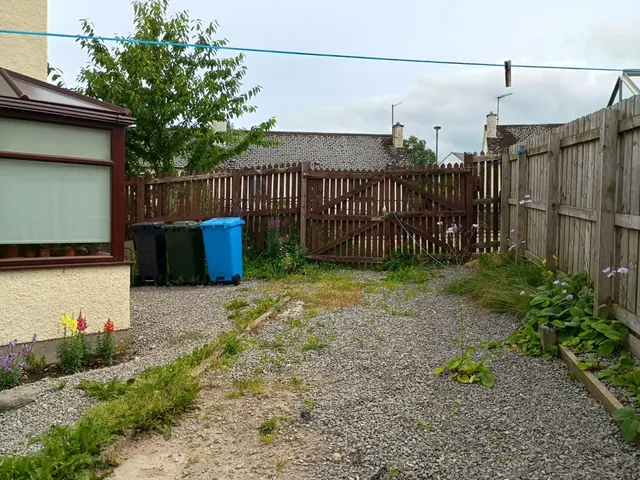 Original garden
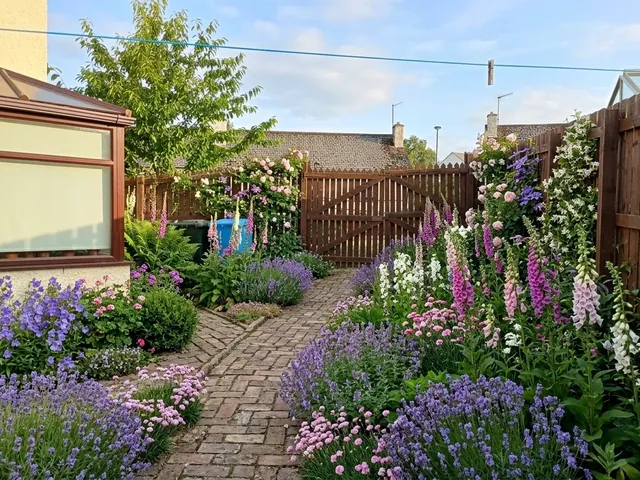 Cottage design
Over 500 garden designs made.
Try a layout before you spend on plants or a designer
If the shrubs crowd a small plot, or the corner turns out shadier than you thought, try a second layout while it’s still easy to change. Once you’ve found a layout you like, the planting list with Pro or Max tells you what to buy, so you can go to the garden centre with a plan. A garden designer can visit, measure and oversee the build. When you want that help, bring the look you found here.
Start with 3 free designs
Your first 3 designs are free, with no card needed, so you can try the woodland look three times before you spend anything: under the tree, along the fence, and with more ferns. See how it works on our design my garden page. For more ideas, our cottage garden design page shows real gardens redesigned in the Cottage style, and our famous gardens guide gathers looks inspired by Britain’s best known gardens.
What you get with Garden Design App
Start free. When you’re ready for a plan you can plant from, choose Pro or Max. One payment, no subscription.
- Free £0
- Your first 3 designs
- Lower quality images with a watermark
- Pro £29
- 20 designs over 14 days
- 5 free designs on top
- 2 designs at once, side by side
- Max £49
- 50 designs over 30 days
- 10 free designs on top
- 4 designs at once, side by side
Turn the design you love into a garden you can plant
Every Pro or Max design comes with a Garden Transformation Pack: the plants, layout, materials and features, with a full care guide.
- Know what to buy. Get plants picked to thrive where you live, in your light and soil. Every plant is named, with the pot size to buy and how tall it grows. For a measured border, you also get how many of each plant to buy.
- Plan the whole garden. Get a layout and the features in your design, plus materials from gravel to fencing with whole garden designs.
- Know what to do through the year. Use the care guide to look after your plants and the flowering calendar to see what comes into bloom next.
- See the detail and ask for changes. Get higher quality images without a watermark, and change any design in your own words.
Your first 3 designs are free, with no card needed.
Questions about Beth Chatto and her gardens
What is Beth Chatto famous for?
For her gardens at Elmstead Market in Essex, made on difficult ground by choosing plants that suit each condition, especially the Gravel Garden and the Woodland Garden. She won ten Gold Medals in a row at Chelsea, wrote books on dry, damp and shady gardens, and was recognised in 1995 for introducing plant ecology to garden design. Garden’s story · Wikipedia
How can I make my garden look like Beth Chatto’s Woodland Garden?
Give it the layers the Woodland Garden is built on: ground cover over every bit of soil, bulbs in sweeps from snowdrops to daffodils to fawn lilies, shrubs and a small tree for height, and leaves that count as much as flowers. To try the look before you buy plants, add a photo of your garden to Garden Design App, choose Cottage with Shady (under 3 hrs) and White & silver, and ask for ferns, bulbs and ground cover under your tree in your own words. Your garden is redesigned in just one minute, and your first 3 designs are free.
Who was Beth Chatto’s husband?
Andrew Chatto, a fruit farmer. They married in 1943, and his lifelong research into where garden plants come from shaped the way she chose plants. The gardens were made on land that had been part of the Chatto fruit farm. Garden’s story · Wikipedia
When was the Beth Chatto woodland garden made?
After the Great Storm of October 1987 brought down many trees in that part of the garden. The space was thinned and cleared, the sandy soil improved, and the planting built up in layers beneath the remaining oaks. Garden’s blog · Gardens Illustrated
What does right plant right place mean?
It is the principle Beth Chatto is known for: choose plants suited to the conditions in your garden, such as dry shade, damp ground or sun baked gravel, rather than trying to change the conditions. Gardenista · Wikipedia
What plants grow in Beth Chatto’s Woodland Garden?
Published accounts name snowdrops, hellebores, wild daffodils, fawn lilies, wood anemones and trilliums over a floor of periwinkle ‘La Grave’ and comfrey, with star magnolia, Mahonia and flowering currant in the shrub layer, climbing hydrangea on the oak trunks, and hostas, bergenias and holly. Our season by season table lists plants for a Beth Chatto look at home. Garden’s blog · Gardenista
Which Beth Chatto book is about shade?
Beth Chatto’s Shade Garden, first published in 2002 as Beth Chatto’s Woodland Garden. Gardens Illustrated says her experience of making the Woodland Garden led to it, and Gardenista describes it as written through the course of one year, with details of 500 plants. Its message is to see shade as an opportunity rather than a problem area. Gardens Illustrated · Gardenista
Can you visit the Beth Chatto Gardens?
Yes. The gardens near Colchester are open to visitors and have a plant nursery. Opening times and prices change, so check the garden’s own website before you go.
About the author
Sources
- The Beth Chatto Gardens, The Story Of
- The Beth Chatto Gardens blog, Springtime shade plants
- Gardenista, Beth Chatto’s garden: shade-loving plants for year-round interest
- Gardens Illustrated, Discover the pioneering gardens of Beth Chatto by Catherine Horwood
- Wikipedia, Beth Chatto
- Garden Design App, Beth Chatto Woodland Tapestry theme, our cottage theme inspired by the Woodland Garden
- Garden Design App homepage