Winter jobs for landscapers that bring in money
Here is what landscapers do in the winter, service by service. SynkedUp, Jobber and iScape, three software companies that serve landscaping firms, each publish a guide to winter landscaping services, and their lists overlap closely. The right mix for you depends on your climate, your crew and the equipment you already own.
| Winter work | Best fit | What it takes | Watch for |
|---|---|---|---|
| Snow plowing and ice management | Regions with regular snow | A plow, a spreader, insurance and a crew on call | A mild winter. SynkedUp says many firms sell seasonal contracts so they are paid whether it snows or not |
| Holiday light installs and takedowns | November to January | Ladders, safety procedures, a crew comfortable at height | A short season. Jobber says most clients want lights up by December 1 and down by January 31 |
| Leaf, gutter and yard cleanups | Late fall into winter | Tools you already own | Jobber suggests selling leaf removal as part of a contract for steadier work |
| Pruning, and planting trees and shrubs | Days when the ground is not frozen | Your usual crew and tools | Frozen ground stops planting |
| Hardscape: patios, retaining walls, fire pits | Dry days that are too cold to plant | The hardscape gear you already have | Weather delays. SynkedUp says to price thaw delays and protection work into the estimate |
| Commercial winter maintenance contracts | All winter | Contracts signed before the first snow | Slow payers. SynkedUp says to set clear billing cycles and late fee rules |
| Firewood, pressure washing, water features, ice rinks, indoor plants | Depends on your area and clients | Mostly equipment you own; firewood also needs storage and drying time | Check you have the capacity before you rely on it (SynkedUp, on firewood) |
Snow and ice management
For landscaping businesses in regions with regular snowfall, SynkedUp calls snow removal and ice management "far and away the biggest drivers of offseason revenue". Commercial and residential clients need plowing, blowing, salting and deicing, and the contracts have to be secured before the first flake falls.
Adding a snow removal business to a landscaping company is not free money. Jobber points out that a snow plowing business can need a substantial investment in plows, salters and snow plow insurance, plus wear and tear on your trucks. If you are not ready for that, Jobber suggests starting with sidewalks and driveways for your existing mowing clients, using a shovel or snow blower.
The real risk is a mild winter. If you sell per visit, you can sink money into equipment and labor you cannot bill for. SynkedUp says that is why many contractors sell seasonal contracts instead, some with a cap on snow events, after which they switch to billing per visit.
In a winter that is cold but not snowy, iScape recommends deicing and salting, particularly for older clients who could slip on an icy sidewalk, and lists ice dam removal from roofs as a separate job.
Holiday lights, cleanups and other seasonal work
Most of this work uses the tools and skills a landscaping crew already has.
- Holiday lights. Many homeowners would rather pay a professional than climb ladders in the cold (SynkedUp). Jobber suggests offering installation, maintenance, takedown and storage as one service, and iScape says to set dates with clients well in advance because the scheduling is tight.
- Leaf removal and fall cleanups. Leaves often need clearing well into winter, and Jobber says it helps prevent snow mold. A wet day in November or December works as well as an earlier date (iScape).
- Gutter cleaning. All it needs is a sturdy ladder (Jobber), and a warmer winter day suits it well (iScape).
- Winter lawn prep and mulching. Draining sprinklers and hoses, wrapping plants in burlap, and mulching perennials once the ground has hardened or after the first hard frost (Jobber).
- Pressure washing. A warm day that melts the snow also shows the dirt on siding, driveways, decks, fences and patios (iScape).
- Firewood. Winter storms bring down trees, and the wood can be split and sold, if you have the equipment, storage and drying time (SynkedUp).
- Water features, ice rinks and indoor plants. Jobber lists winter pond and fountain care, building and looking after ice rinks, and regular visits to care for clients' indoor plants.
Hardscape and planting while the ground allows
Landscaping in winter still includes building and planting. As long as the ground isn't frozen, Jobber says winter is a good time for planting young trees and shrubs, and cooler weather makes that heavy work more comfortable. There are also spells that are too cold for planting but fine for hardscape: patios, retaining walls, fire pits and raised beds. Winter tree pruning fits here too: iScape calls late winter a great time to structurally prune shrubs and trees.
Fire pits suit the season. iScape notes they often get pushed back in the busy months, and they give clients a way to enjoy the yard in the cold. Jobber adds that a client who is happy with their hardscape is likely to call you first when they are ready for planting in spring.
Design next year's jobs now, and sign spring work early
This is the winter work that fills your spring. Jobber's guide says that while you might not be able to build or plant, you can help clients plan their next projects: market your design services and meet clients at their properties so you are "in a prime position to get work lined up for the spring". iScape's guide makes the same point about its own design app.
If you are wondering how to get landscaping jobs in winter, start with the people who already know you: past clients, the leads that went quiet in the fall, and the neighbors of jobs you finished this year. Jobber suggests asking clients whether they want to lock in big projects before your summer schedule starts to fill up.
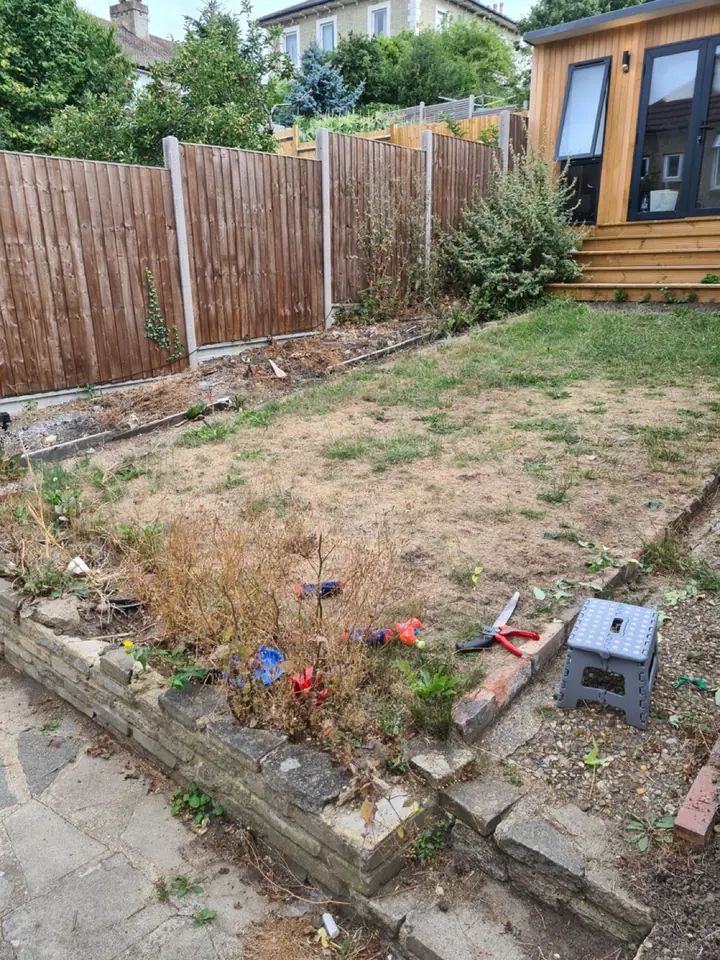
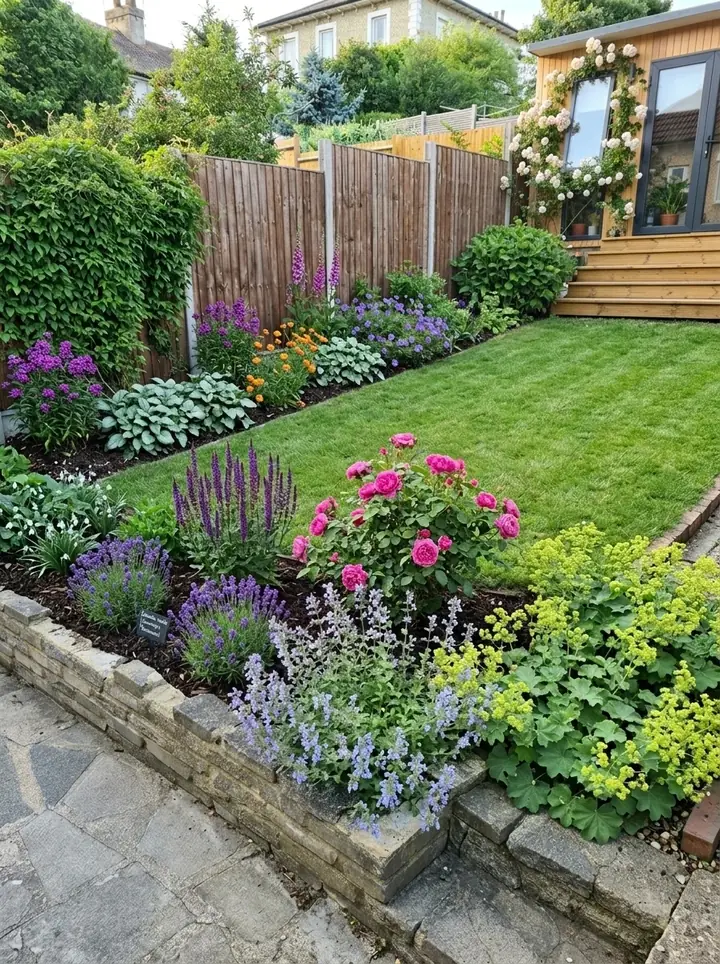
A bare winter yard makes it harder for a client to picture what the spring work could look like. Garden Design App fixes that: the client sees their own yard finished before the season starts, so you can sign the job now instead of chasing it in spring. Here is how a landscaper uses it on a winter visit:
- Take one photo of the yard on your phone as you walk around it with the client.
- Pick one of 15 styles and a color scheme, then ask for what the client wants, such as a new patio, more privacy or less lawn.
- In about a minute the yard is redesigned, shown in summer. Show it on your phone while you are both still standing in the yard.
- Add the seasons to show the same design in spring, fall and winter too.
- Change any material the client is unsure about, such as gravel for pavers, and show them the new version.
- Send the share link with your proposal. Your firm's name and logo are on the plan and the share link, and every plant is named, with care notes.
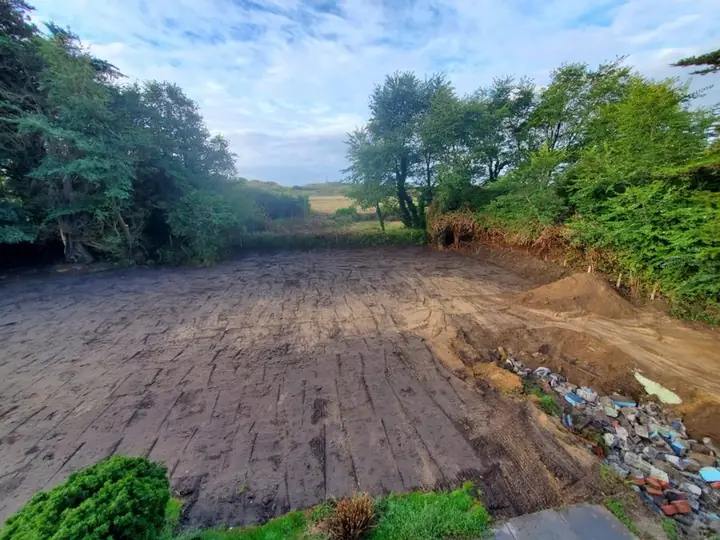 Before
 After
What the app does and what stays with you
It shows the client their own yard redesigned, with a planting plan, and plants are picked for where the yard is, so you are not promising plants that will struggle there. Pricing, the bid and invoices stay with the software you use now, so there is nothing to switch and you price the job your own way. Business is $199 a month for 120 credits. A design uses one credit, a view from above one, and the seasons three. See how it works for landscaping firms.
Work on the business: pricing, equipment and crew
SynkedUp and Jobber both say the slow months are the time to work on the business, not just in it. SynkedUp puts it bluntly: winter is paid for in the summer.
Price so winter is already covered
Insurance, equipment payments, shop rent and the pay of crew you keep all year do not stop in January. SynkedUp's advice is to build a twelve month budget and price peak season work to carry it, so winter income becomes a bonus instead of a lifeline. Know your breakeven rate, the least you can charge an hour and still cover your costs, before you take on any winter job.
Review last season's jobs
Look for jobs where labor ran long, materials were underestimated or travel time was left out, then fix the cause, whether that is estimating, production or training (SynkedUp). Update your estimating templates while you have the time. Jobber adds: check your overhead and material costs, and talk to suppliers about better terms.
Service equipment and organize the shop
Make a maintenance list from whatever broke or cost you time last season, and organize the shop or trailer so crews load faster (SynkedUp). Some firms sell the same skills to clients over winter, such as sharpening mower blades and keeping snow blowers running (Jobber).
Hire and train the crew
Ask your team what went well, what went badly and what would make their jobs easier, then pick a few fixes you will actually follow through on (SynkedUp). Winter is also the time to hire and train for spring (Jobber). Keeping your best foremen through winter is a pricing decision: their winter pay has to be built into what you charge in peak season (SynkedUp).
How to choose winter work that pays
Not all work is worth doing. SynkedUp's first question is whether your priority is cash flow or spring capacity. For cash flow, take jobs that are easy to schedule, finish and collect on. For spring capacity, avoid winter work that could drag into spring and eat into your best months.
- Keep the menu short. A few winter services keep estimates, pricing and cash flow clean (SynkedUp).
- Check the risk. If a job needs perfect weather, special equipment or one key person, have a backup plan or leave it off the winter list (SynkedUp).
- Price the whole job. Loading, travel, disposal, cleanup and equipment warm up all take longer in the cold (SynkedUp).
- Start with what you own. Most of the services on Jobber's list use equipment a landscaping crew already has.
Use the landscaping off season to stay in touch
The landscaping off season is a good time to reach the clients you already have. Jobber's suggestions: email past clients about winter services or a seasonal offer, ask happy clients for reviews, update your website, and tell existing clients about services they may not know you offer. One line in Jobber's guide sums it up: "You don't need a whole bunch of new shiny clients; you just need to tell your existing clients about the services you do."
Garden Design App gives you a reason to get in touch that is about the client's own yard: redesign it from a photo you took on the last job and send the share link with your winter offer.
Our guide to winning more landscaping jobs covers leads, the site visit, bids and following up in more detail.
Why use Garden Design App?
Show a client their yard before you build it.
Your name and logo on the plan
Clean pictures
No watermark.
Every plant named, with care
Change any material
From above views
All four seasons
Questions about landscaping in winter
Do landscapers work in the winter?
Yes, most do, though the work changes. Where it snows, many plow and manage ice. Elsewhere they take on cleanups, pruning, planting while the ground is workable, hardscape and holiday lights, and they use the slower weeks to fix pricing, service equipment, train crews and plan spring jobs with clients.
What do landscaping companies do in the winter?
Many lean on snow and ice contracts, signed before the first snow, and winter maintenance for commercial properties. They also review last season's job costs, update estimating templates, hire and train, and line up spring design and build work while crews are less busy.
What do lawn care companies do in the winter?
Much the same as landscapers, with less building. Jobber lists fall and winter cleanups, leaf and weed removal, winter lawn prep, mulching, snow removal for existing mowing clients, gutter cleaning and holiday lights, and suggests using the slower weeks to review pricing and train staff.
What can landscapers do in the winter besides plow snow?
iScape lists nine jobs for winters without snow: holiday lights, leaf removal, late winter pruning and lawn work, pressure washing, gutter cleaning, deicing and ice dam removal, fire pit builds, interior jobs, and digital design work to show clients. Add tree and shrub planting while the ground is not frozen, and hardscape on dry days.
What do landscapers do in the fall?
Cleanups, and getting yards ready for winter. Among fall landscaping services, Jobber's guide puts fall yard cleanups from late summer to the middle of fall (leaves and debris, dead plants, garden beds, pruning and weed control) and suggests offering one as your mowing contract ends. Then comes winter lawn prep: draining sprinklers and hoses before the freeze, dethatching, pruning and wrapping plants in burlap, and clearing leaves to prevent snow mold. Jobber also names fall as a good time for pressure washing, and SynkedUp says snow contracts have to be secured before the first snow.
Is snow removal worth it for a landscaping business?
It can be the biggest winter earner where snow is regular, but it needs a plow, a spreader, insurance and a crew on call, and a mild winter can leave you with costs you cannot bill. SynkedUp says many contractors handle that risk by selling seasonal contracts, paid whether it snows or not.
When should landscapers start selling spring jobs?
In winter, before the busy season fills your calendar. Jobber suggests asking clients whether they want to lock in big projects before your summer schedule fills up. With Garden Design App, a winter visit can end with the client looking at their own yard redesigned, which gives them something clear to say yes to before spring.
Sources (3)
- SynkedUp, What Do Landscapers Do in the Winter for Income? (Weston Zimmerman, last updated February 20, 2026), read November 13, 2026
- Jobber Academy, What Do Landscapers Do in the Winter? 19 Fall and Winter Landscaping Services (Andrew Robichaud, last updated February 20, 2026), read November 13, 2026
- iScape, What Can Landscapers Do in the Winter Besides Plow Snow?, read November 13, 2026