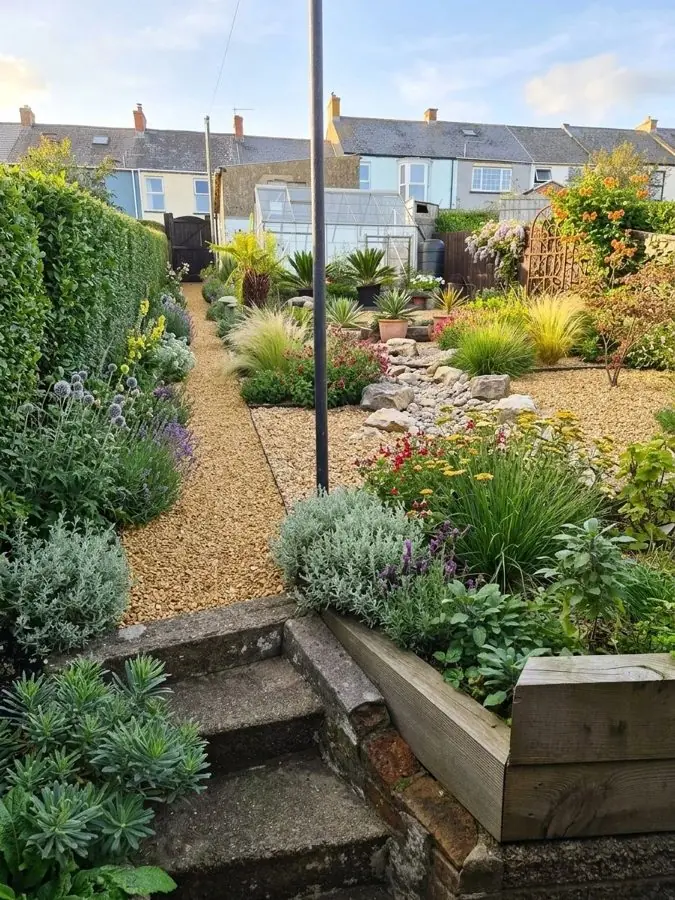
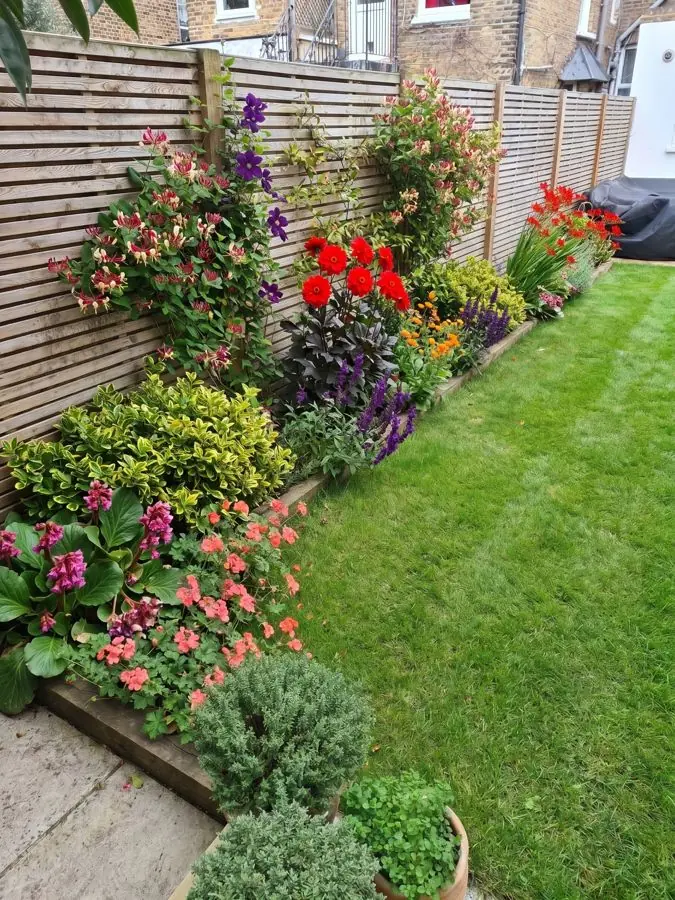
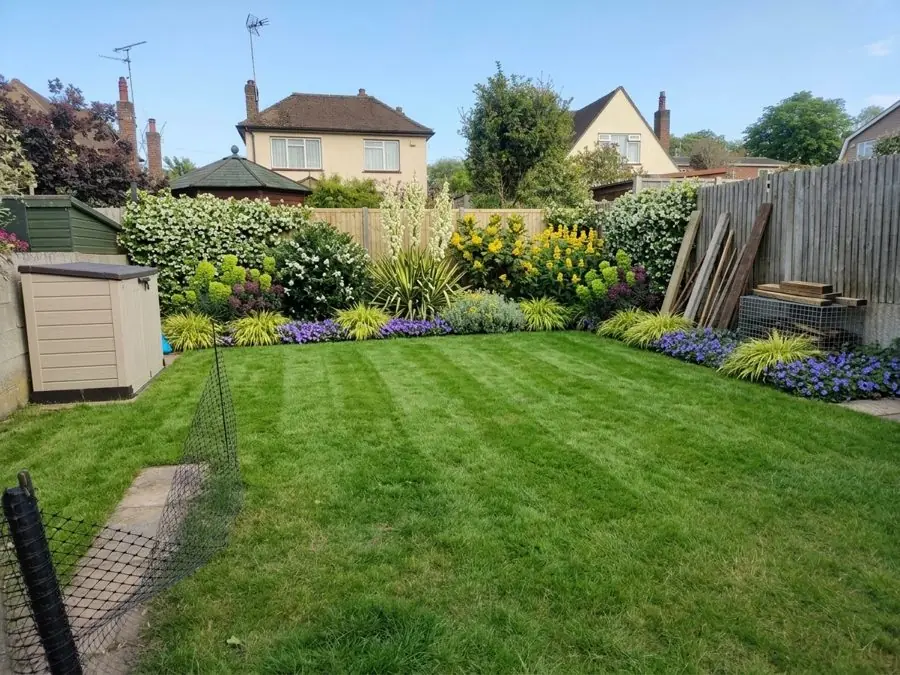
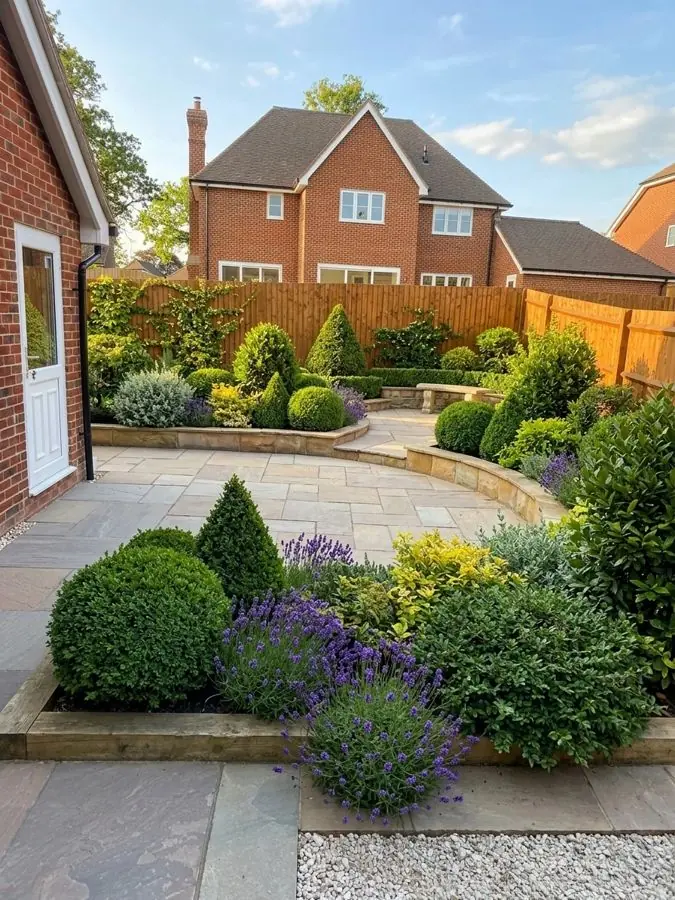
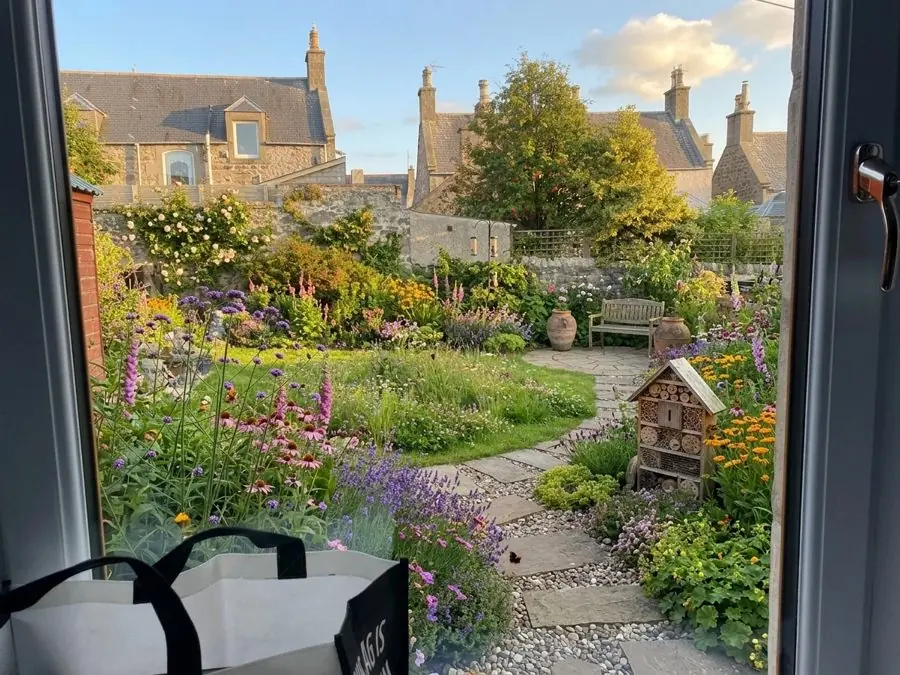
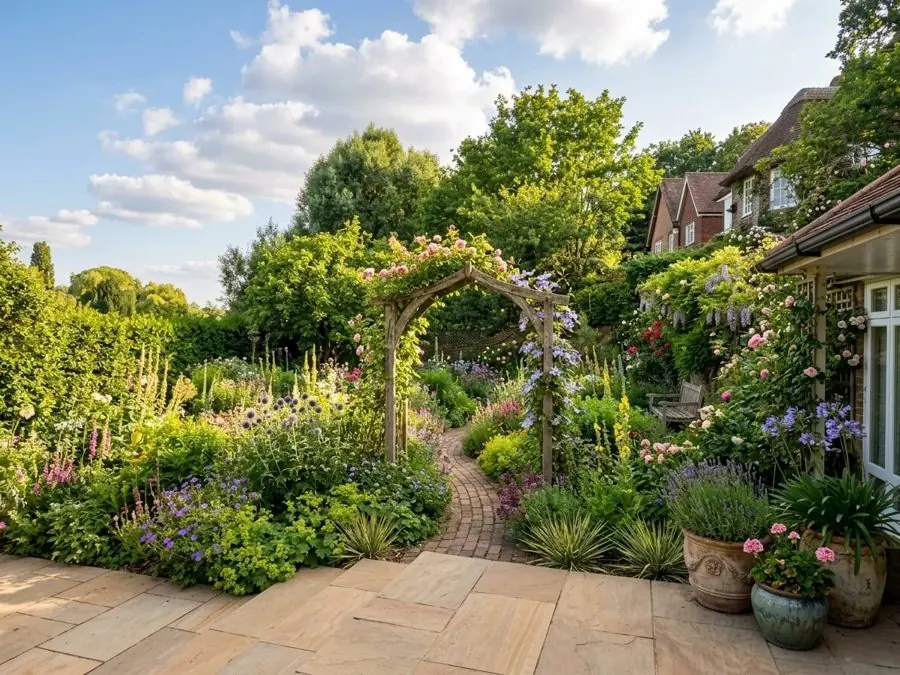
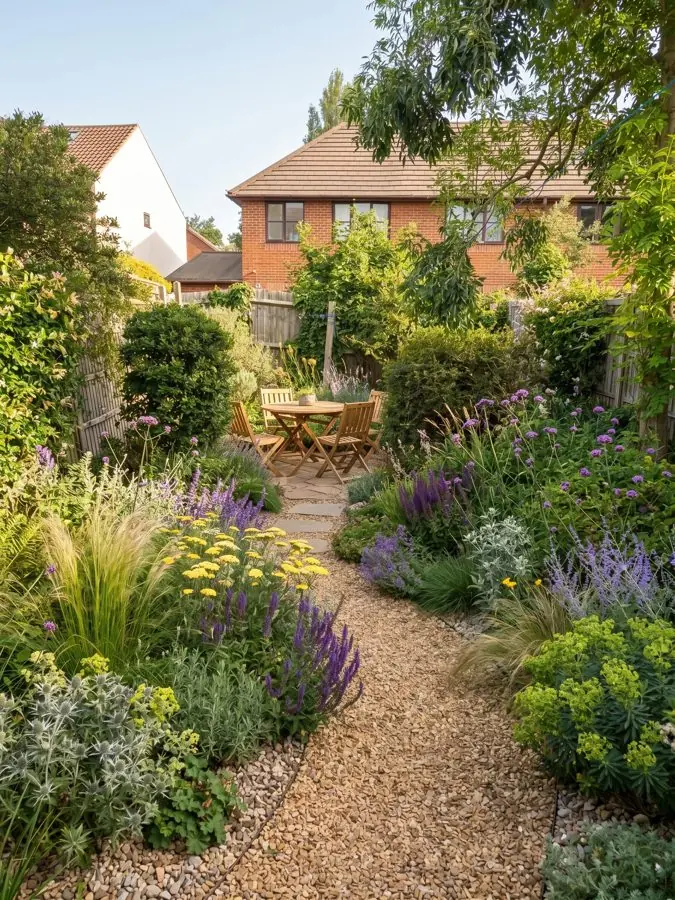
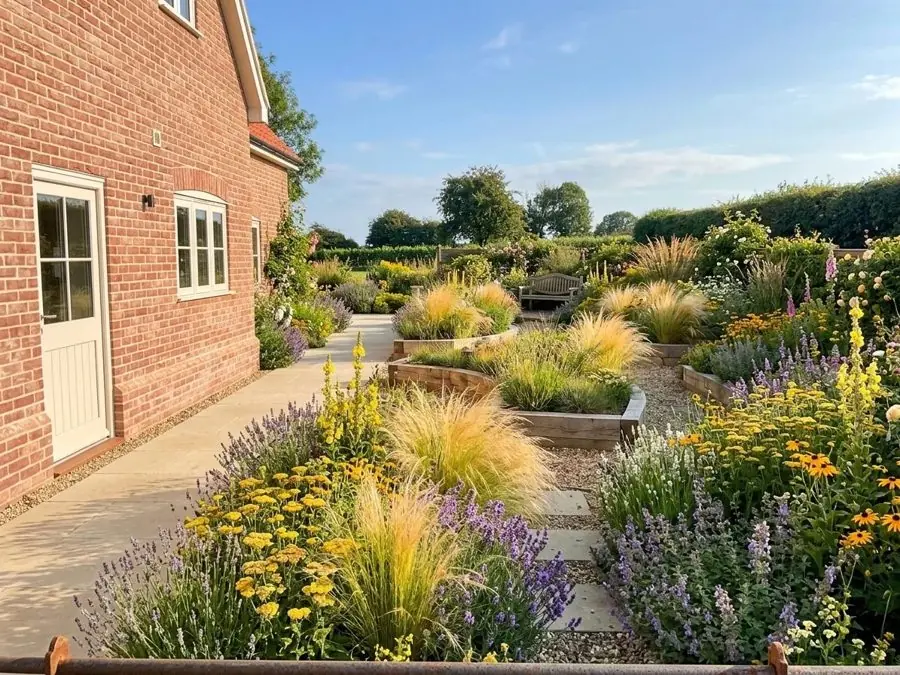
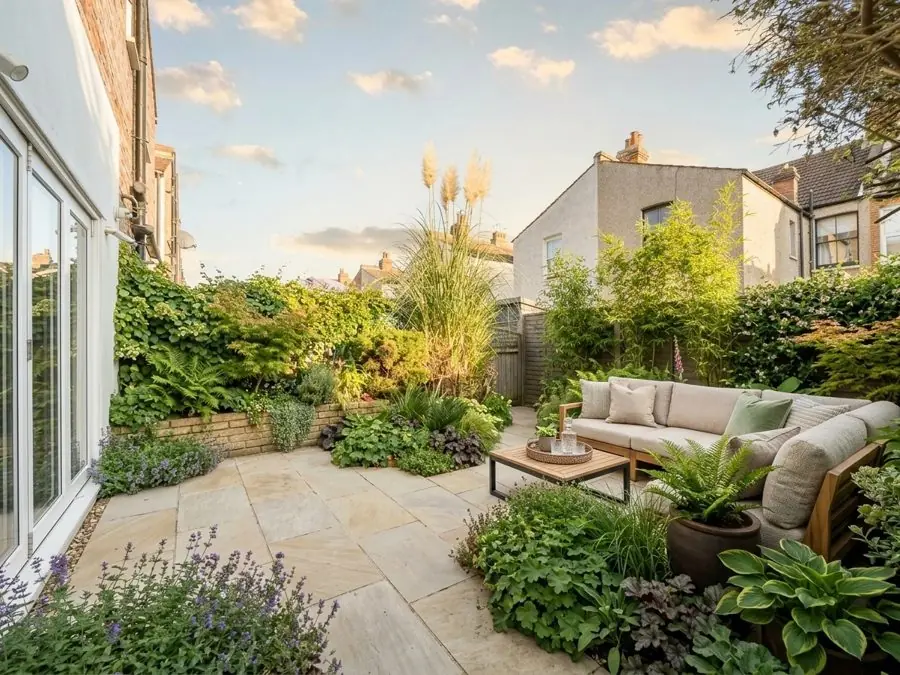
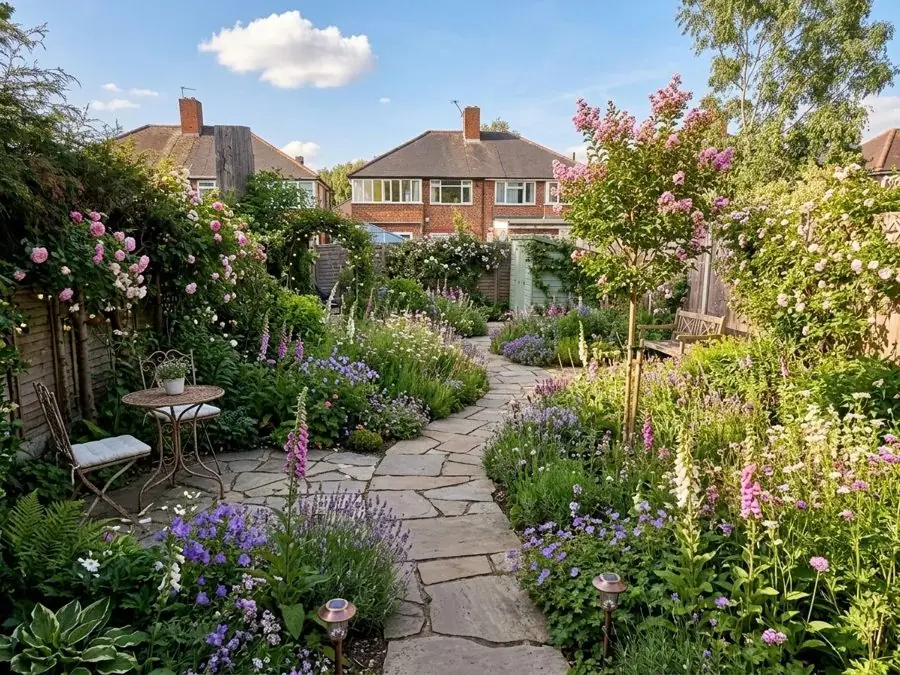
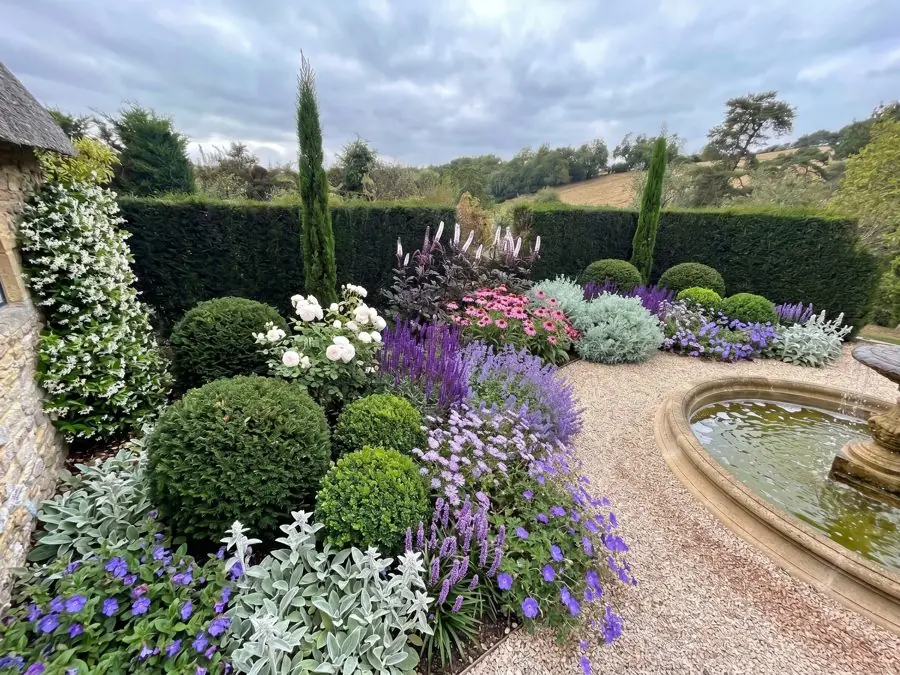
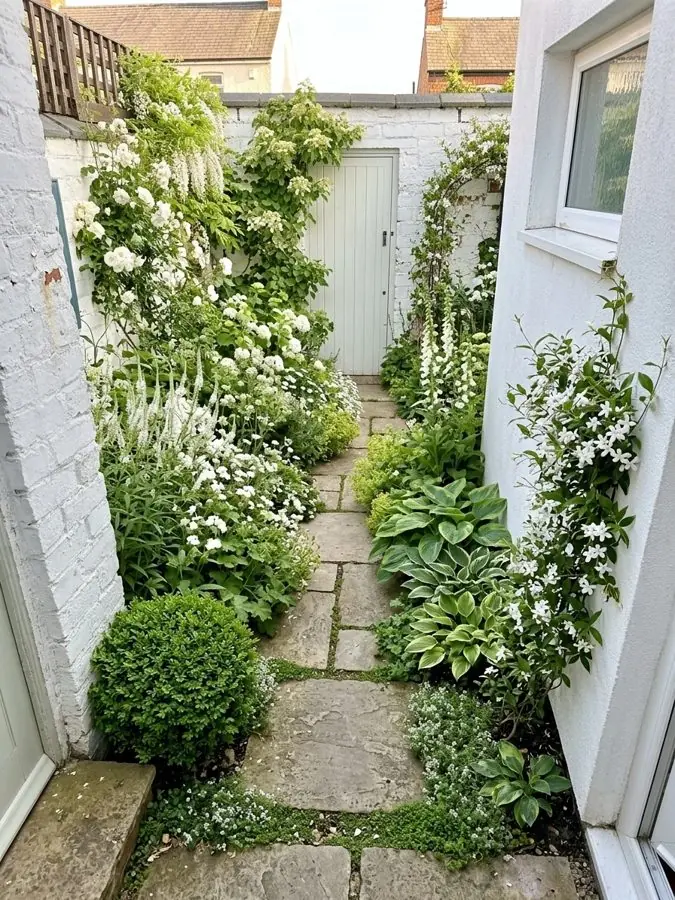
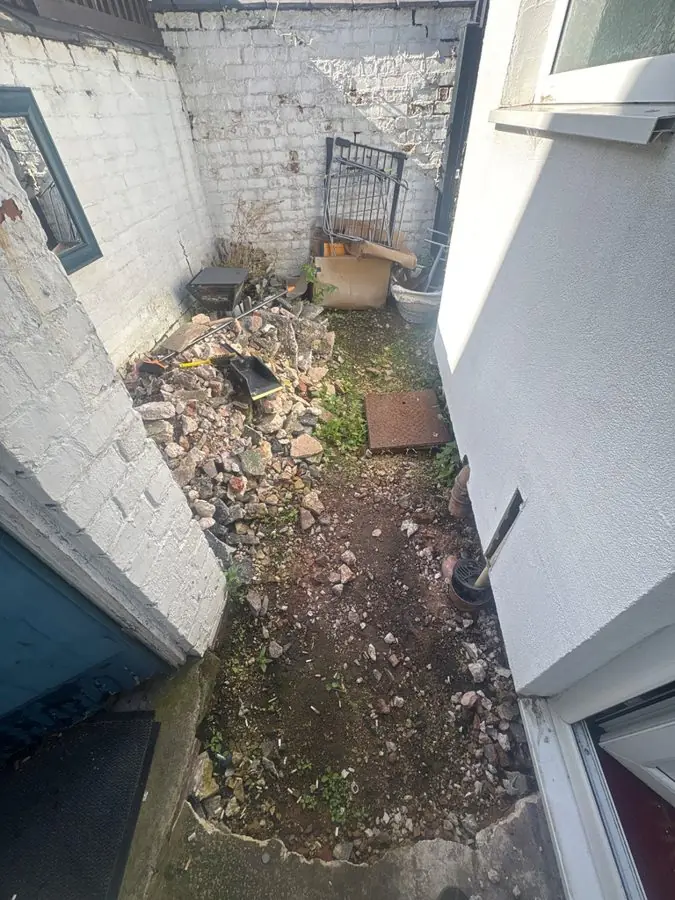
A narrow side yard turned into a stone path between white roses and hostas
Before: a narrow side yard full of rubble between white walls
Get this yard →First 3 designs free · No card
A strip down the side of the house doing nothing? Add one photo, ask for a path or planting and see your yard redesigned in about a minute.
Add your ZIP code: plants picked for your USDA zone, your summer heat, your light and your soil.
Design my yardOver 500 yard designs made.
Every one is a real yard, redesigned from one photo, and each says what was there before. Tap Before to see the photo. Like one? Tap Get this yard to design your own yard in the same style, with the same plants.
Narrow passages and strips beside a house, turned into stone paths and gravel walks with planting along the way. 5 yards
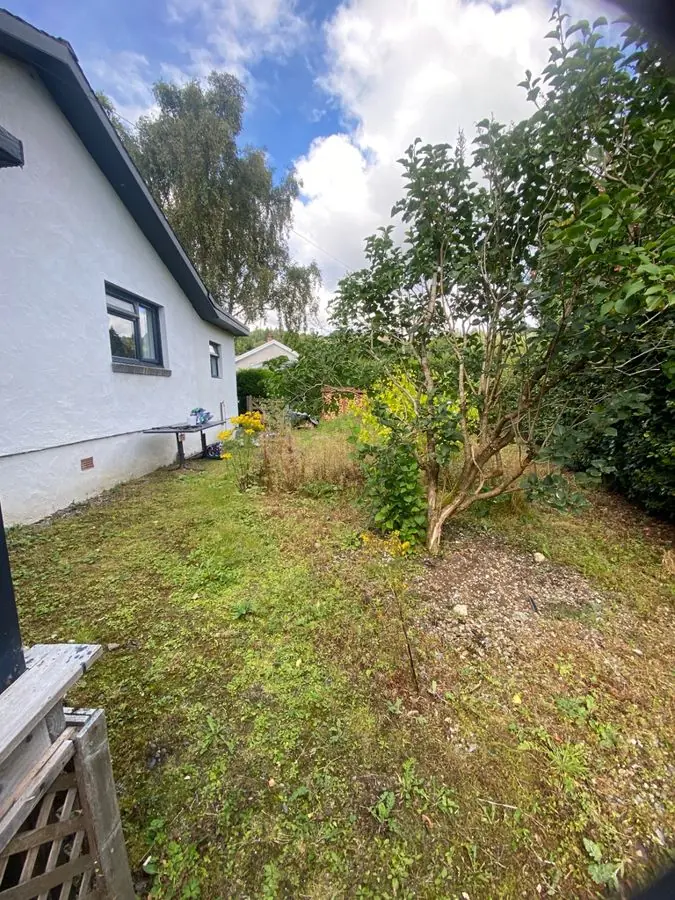
Before: a narrow side yard full of rubble between white walls
Get this yard →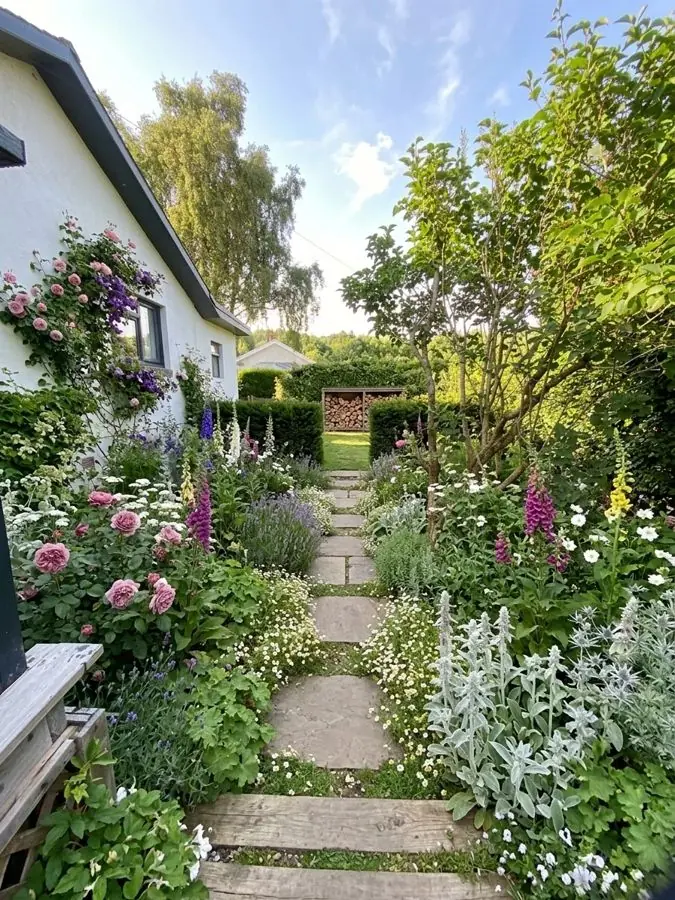
Before: a rough lawn beside a white house with a young tree
Get this yard →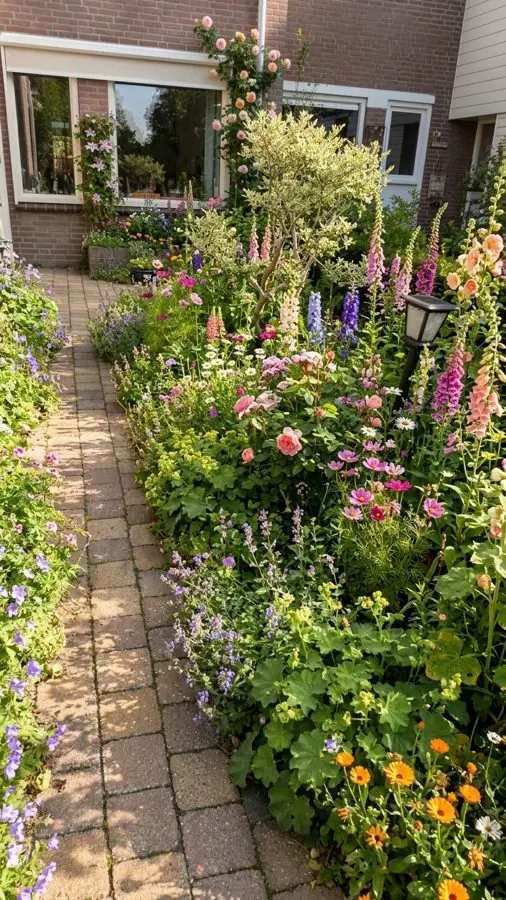
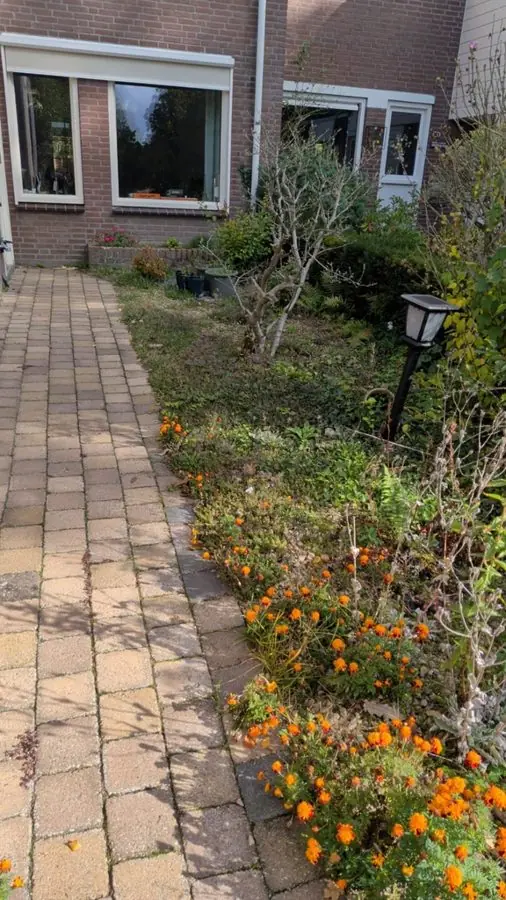
Before: a brick paver path beside a narrow bed of orange flowers
Get this yard →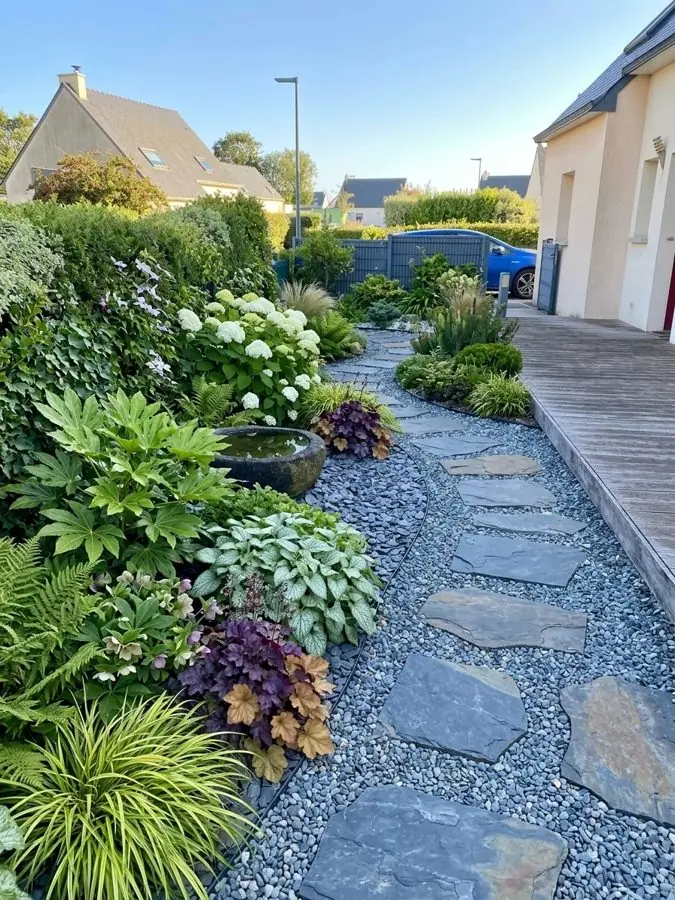
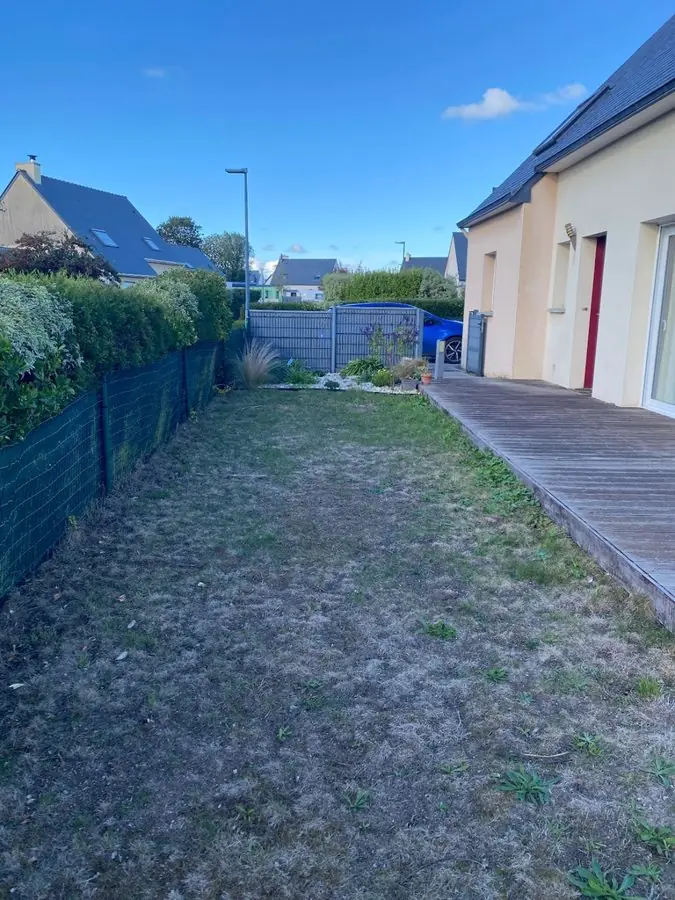
Before: a narrow worn lawn beside a house and a wooden deck
Get this yard →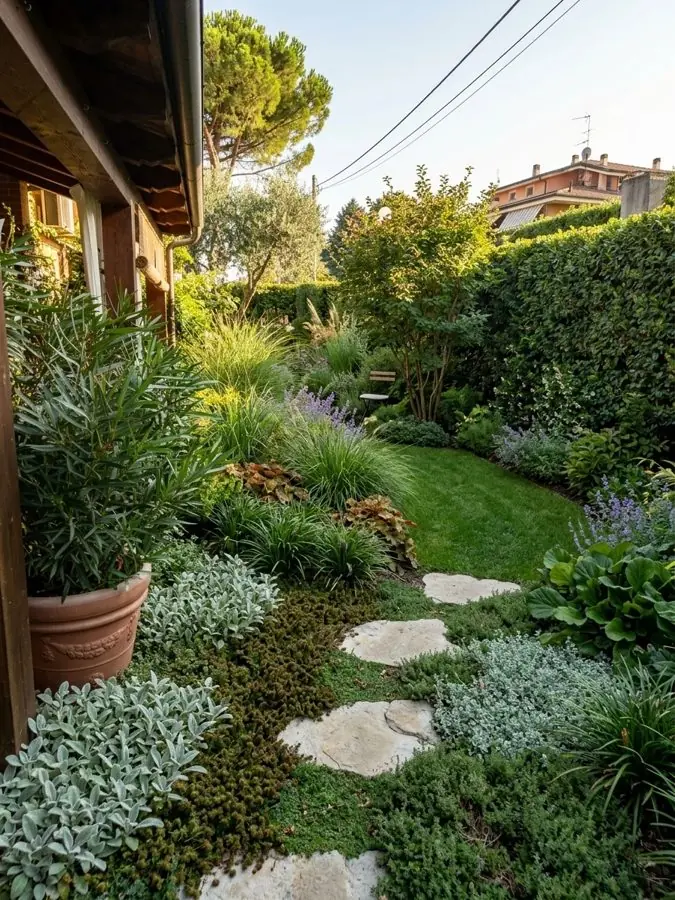
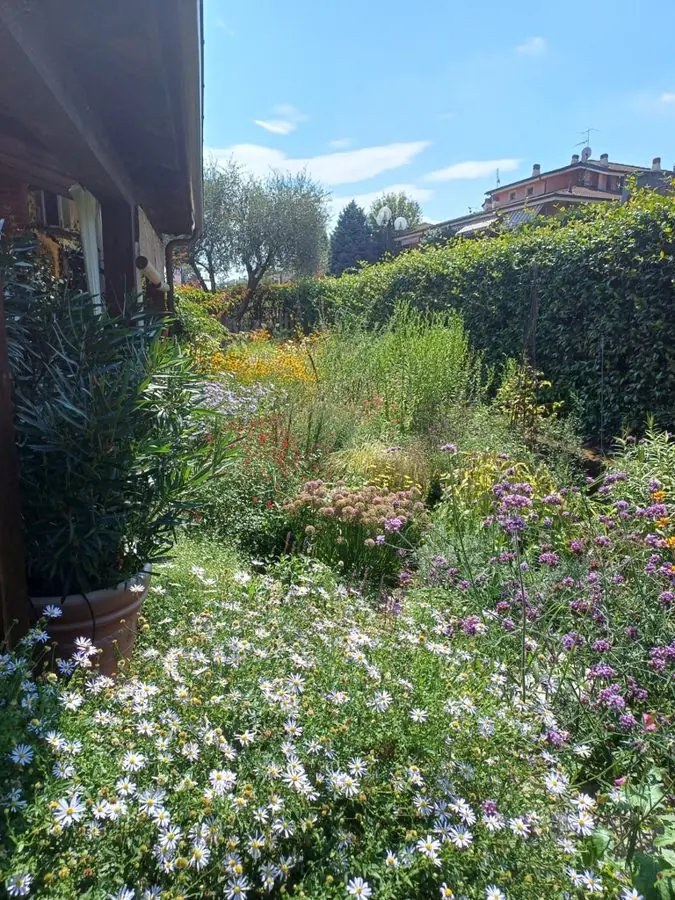
Before: a crowded bed of white daisies and flowers beside a house
Get this yard →Long, thin beds planted from end to end, beside a fence, a carport or a driveway. 5 yards
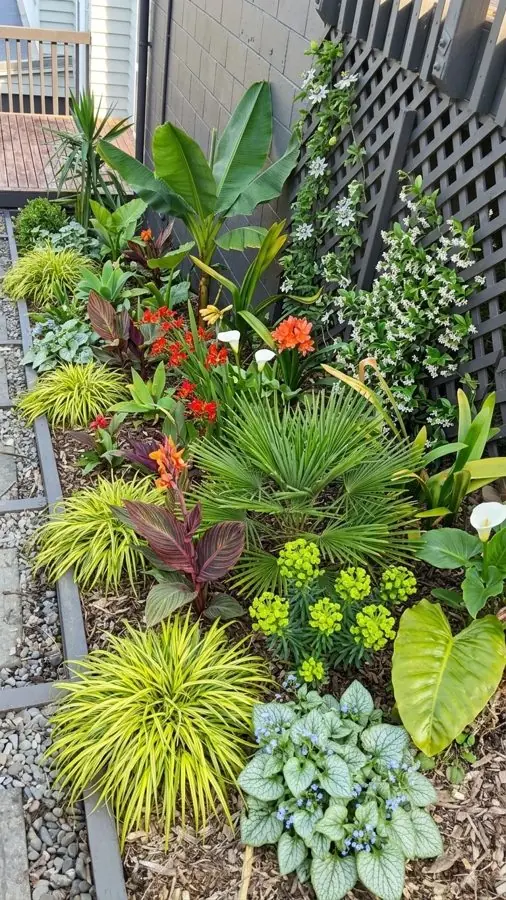
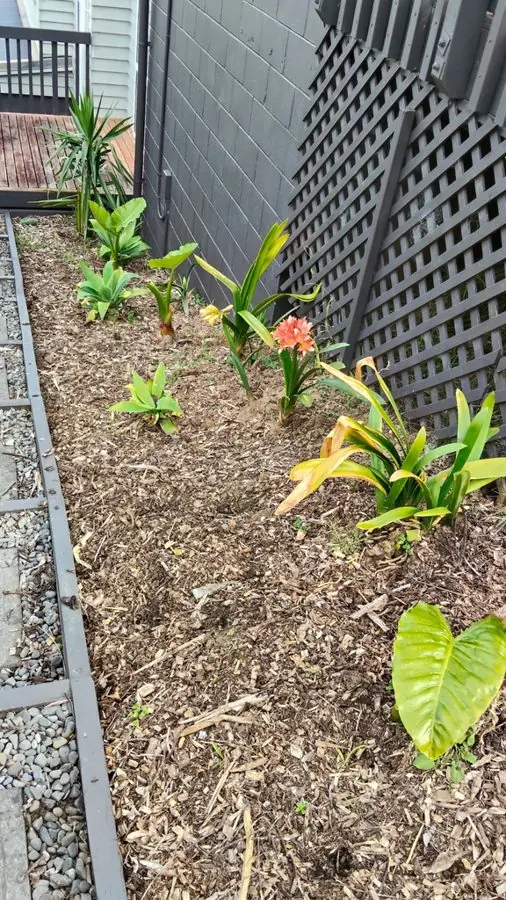
Before: a narrow bark bed with a few young plants by a trellis fence
Get this yard →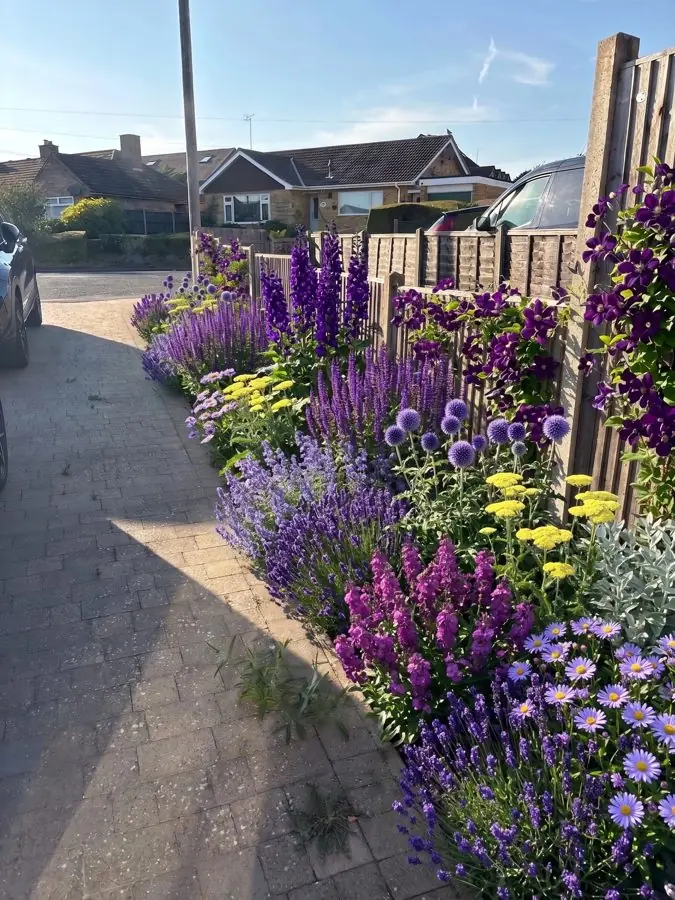
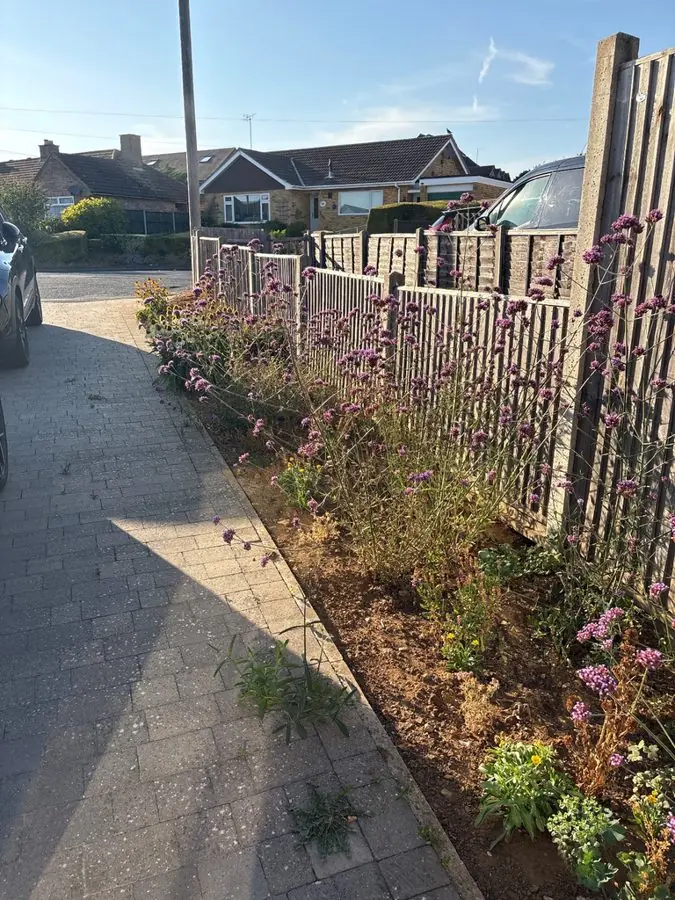
Before: a thin, weedy strip of plants along a fence beside a drive
Get this yard →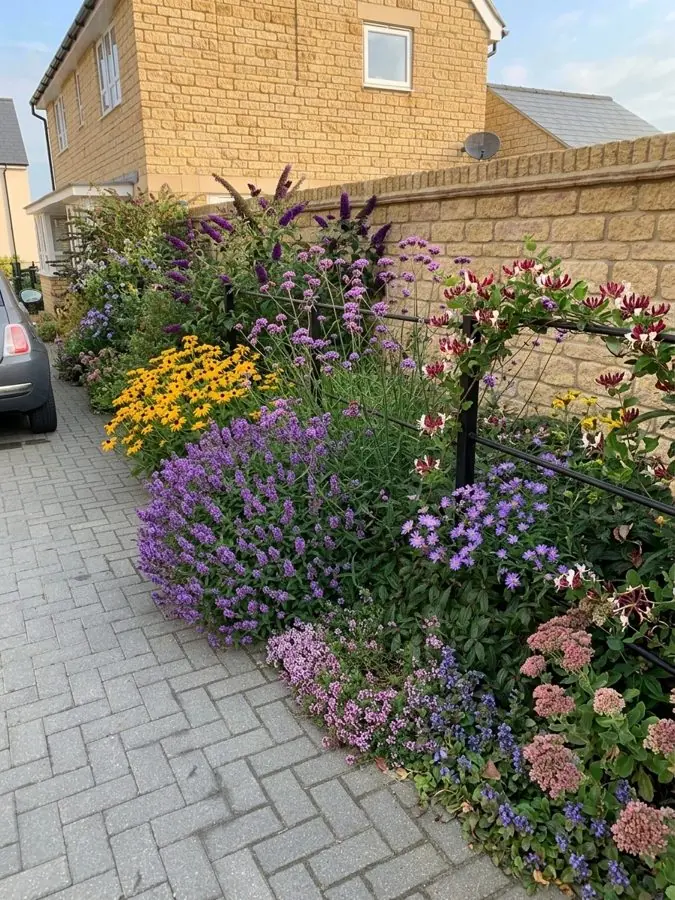
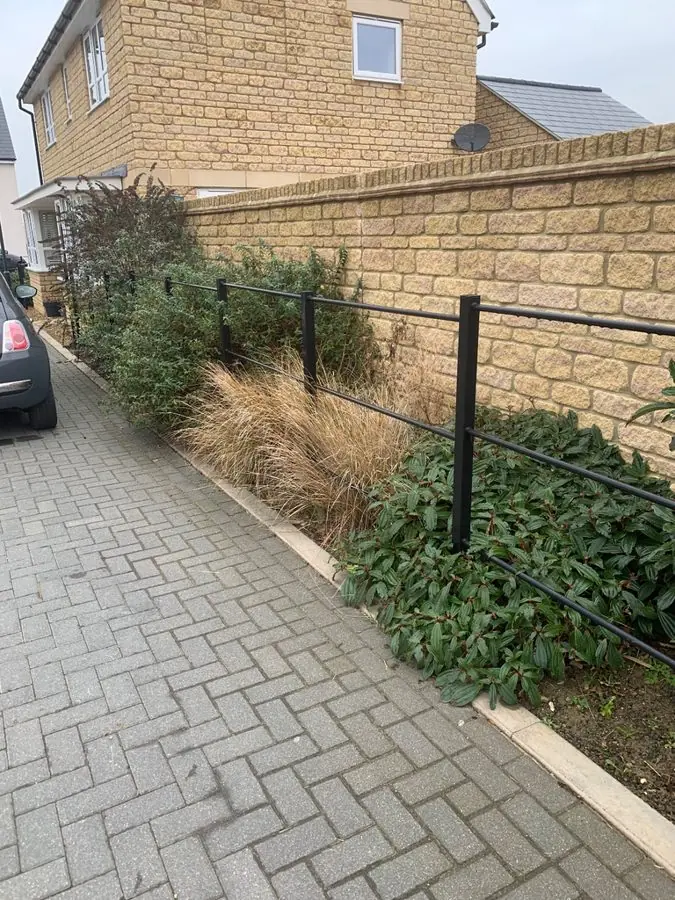
Before: a narrow strip of grasses and shrubs beside a brick paver driveway
Get this yard →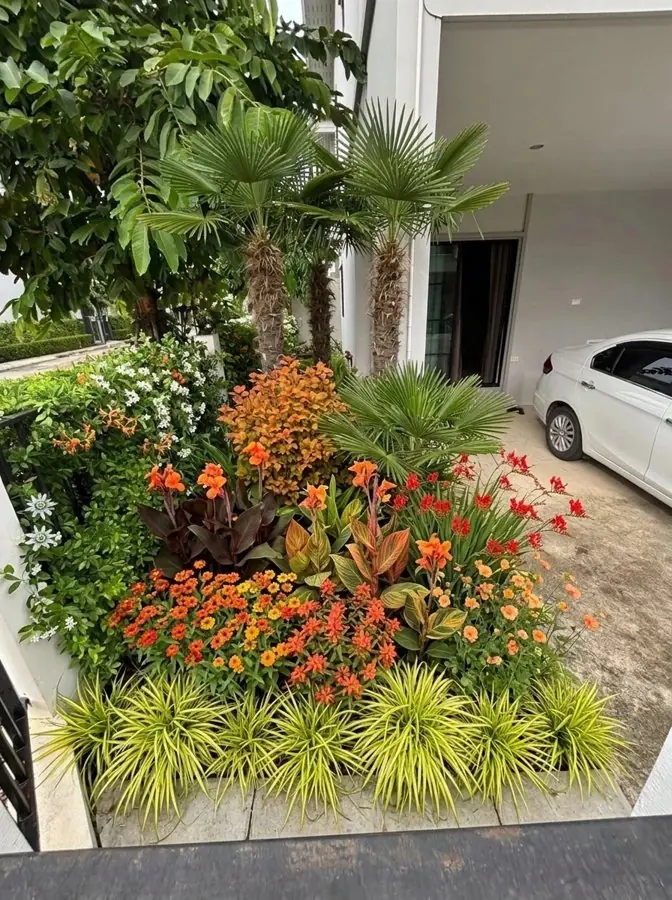
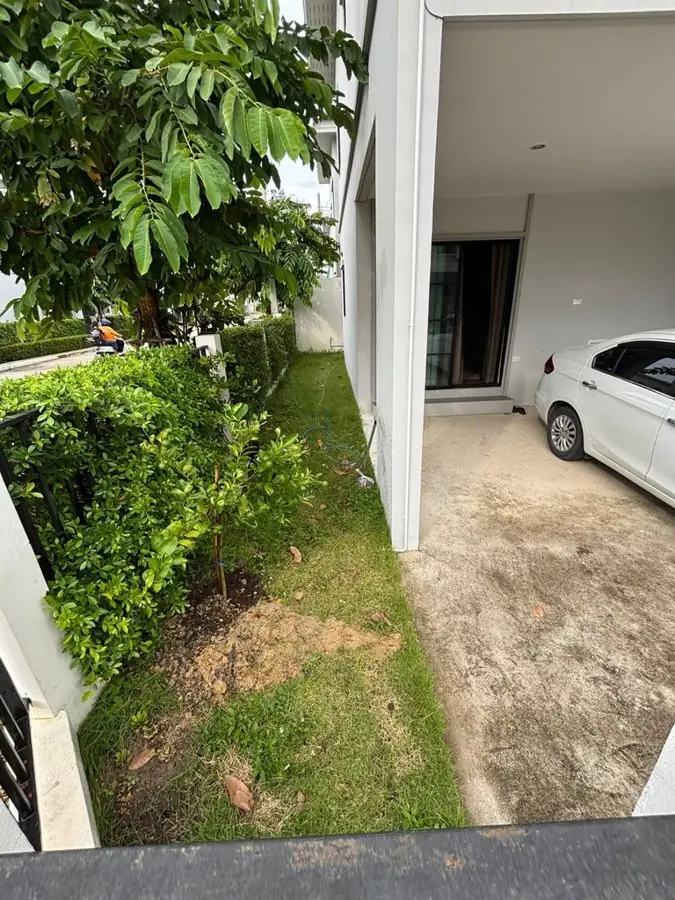
Before: a worn strip of grass beside a carport and a parked car
Get this yard →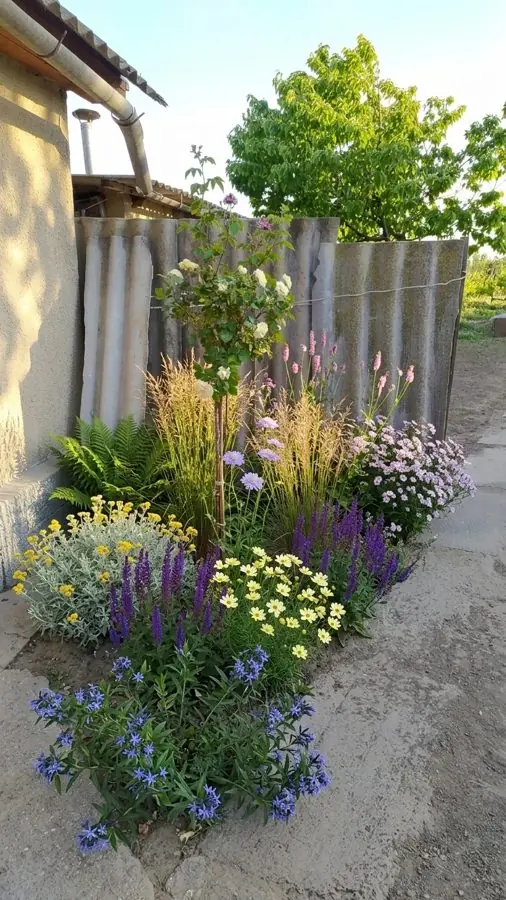
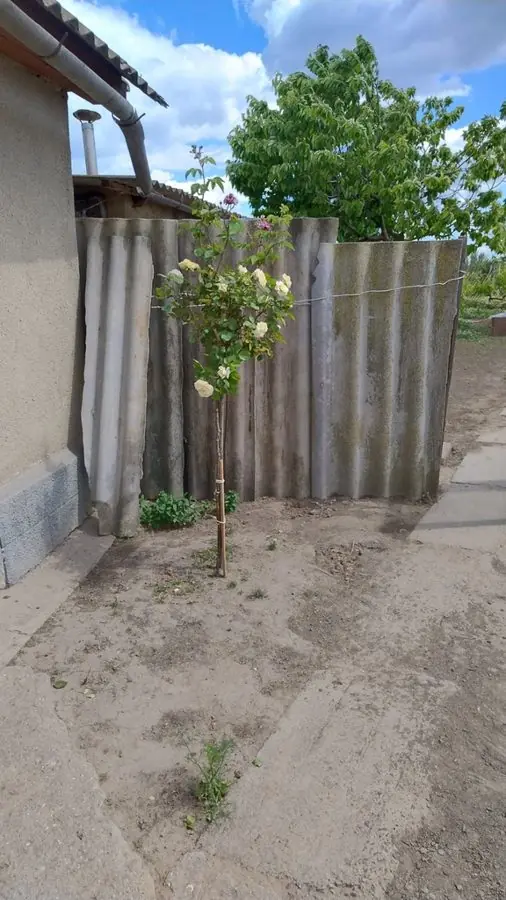
Before: a bare concrete corner with a young standard tree by a fence
Get this yard →Wider spots along the side of a house, with gravel, paved paths and planting. 3 yards
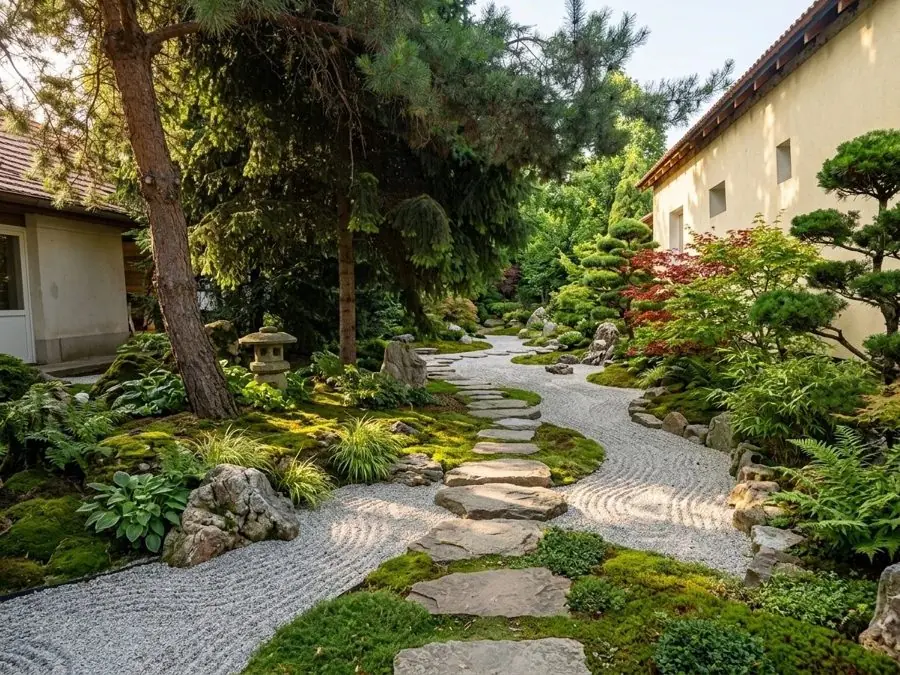
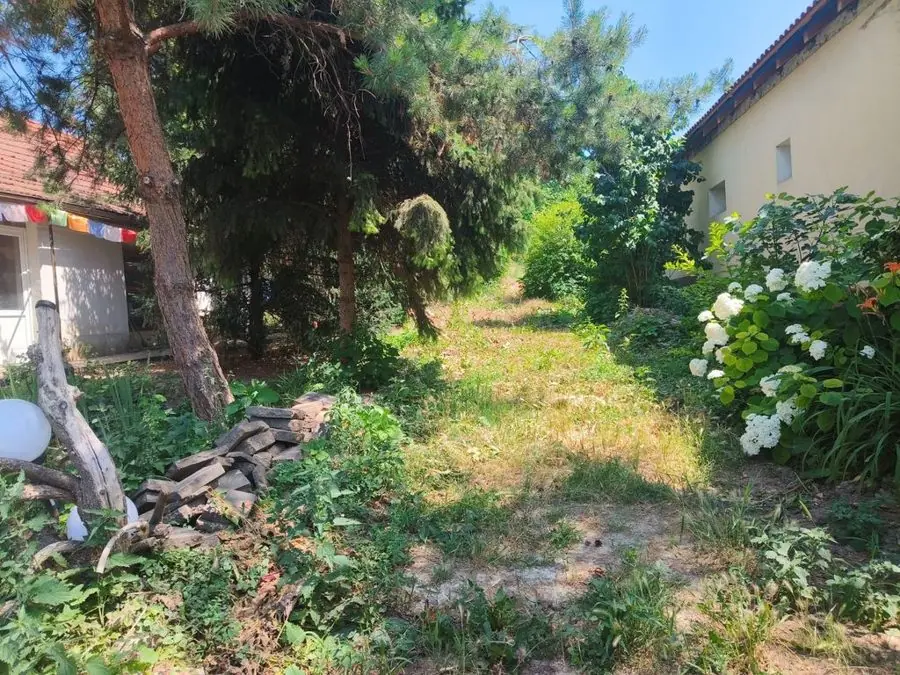
Before: an overgrown strip of grass and weeds under tall pines
Get this yard →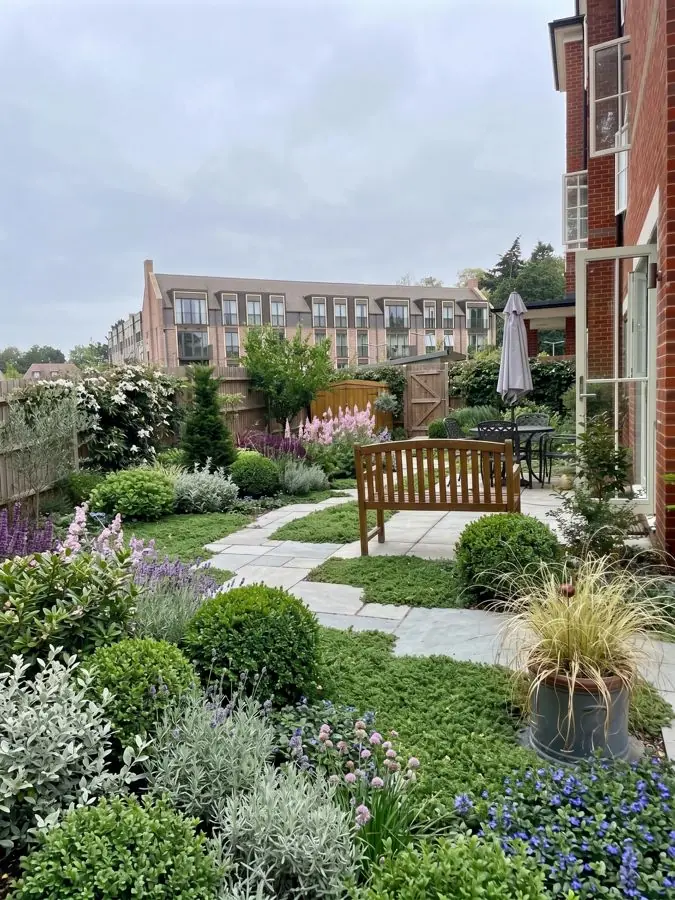
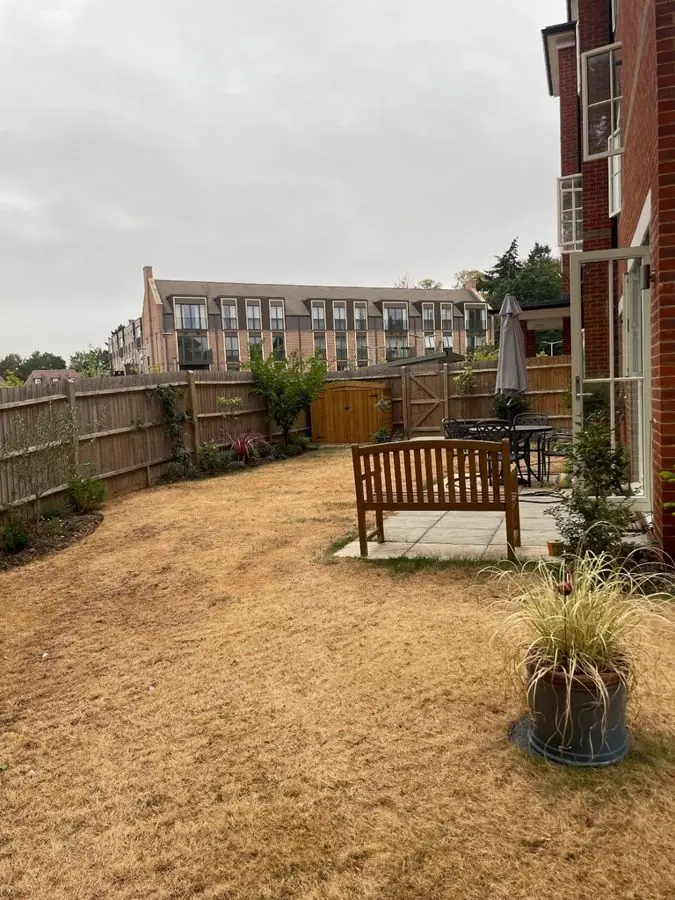
Before: a dry brown lawn with a bench, fence and potted grass
Get this yard →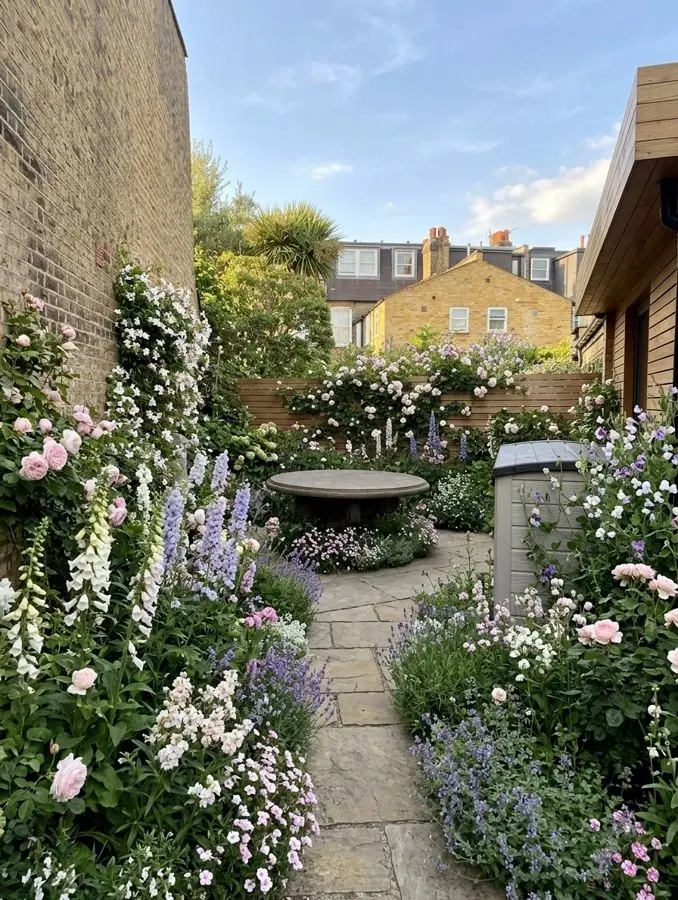
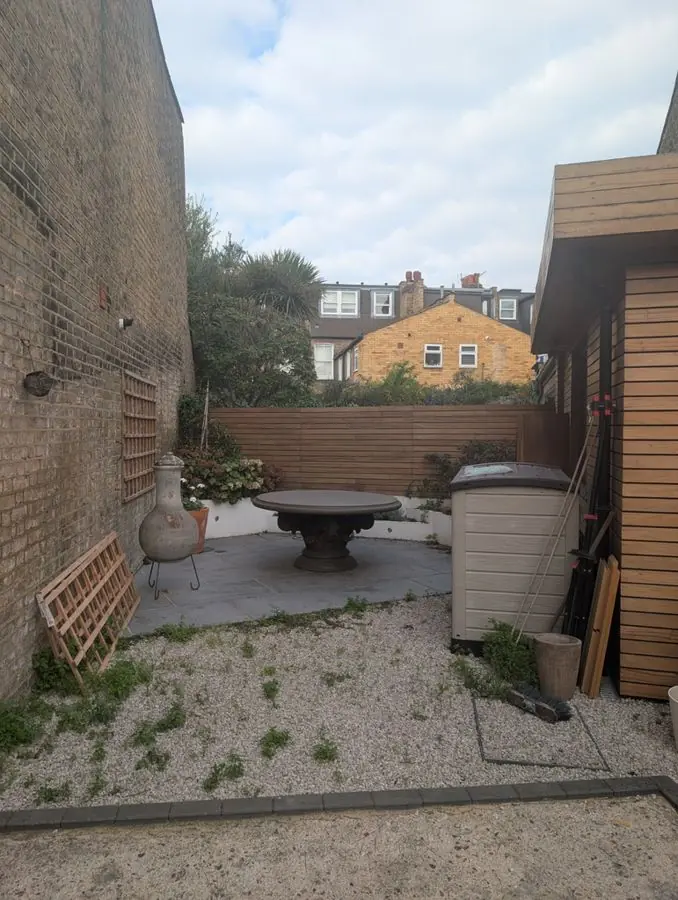
Before: a gravel yard with a stone table, a brick wall and shed
Get this yard →Take the photo from one end, looking along the side of the house, so the whole strip is in the picture.
One photo from your phone is all it takes. Your ZIP code gives us your USDA zone, so the plants we pick can live through your winters.
Pick one of 15 styles and a color scheme, then ask for anything you want, like "a stepping stone path" or "gravel with low planting along the wall". Keep your paths and patio, or start over with a new layout.
Your real yard, redesigned, in about a minute.
See your own yard redesigned first. When you find the look you love, Pro or Max plans turn it into a yard you can plant: $39 or $65 in the US, one payment.
See what goes into a planting plan before you choose.
Your first 3 designs are free.
Watermarked and lower quality. No card needed.
| One payment, no subscription. | ||
| What you get | ||
| Designs | 20 | 50 |
| Days to use them | 14 | 30 |
| Free designs on top | 5 | 10 |
| Designs at once, side by side | 2 | 4 |
| With every design | ||
| Every plant named, ready to buy | ||
| The materials, gravel to fence, with whole yard designs | ||
| Care guide and flowering calendar | ||
| Higher quality images | ||
| No watermark | ||
| Change any design in your own words | ||
The pot size to buy and how tall each grows. Measured borders also say how many to buy.
| Plant | Pot | Height |
|---|---|---|
| Catmint 'Walker's Low'Nepeta × faassenii | Quart to 1 gal | 4 to 20 in |
| Avens 'Totally Tangerine'Geum | 1 gal | 20 in to 3 ft |
| Giant montbretiaCrocosmia masoniorum | 1 gal | 3 to 5 ft |
| Tellmann's honeysuckleLonicera × tellmanniana | 1 to 2 gal | 8 to 13 ft |
Where it grows best, how to prune it and how it gets through winter.
Every plant, the months it flowers, in its own color.
Avens 'Totally Tangerine'
Catmint 'Walker's Low'
Clematis 'The President'
Lady's mantle
Higher quality images of your design, yours to keep.
 gardendesignapp.ai
Say what you want different, and see it redrawn.
On whole yard designs: the pavers, gravel, edging and fence in the picture.
Anywhere in the US, we take your ZIP code and choose plants suited to your zone, your light and your soil.
What has to stay clear, what fits in a narrow strip, what grows there and how to see it on your own yard first.
Side yard landscaping starts with what is already there. Most side yards hold the gas meter, the AC unit, a hose bib and the trash cans, so any planting has to work around them. Leave room to walk past each one, keep plants back from the AC unit (its manual gives the distance, often a foot or two) and ask your gas utility what clearance the meter needs. Good side yard design is mostly about fitting the planting into the space that is left over.
Planting beside a house has one job before anything else: keep water away from the foundation. Keep soil and mulch well below the siding (6 inches is a common rule for wood siding, but other materials and local codes vary), and make sure the ground slopes away from the wall, which in a tight side yard can mean a shallow swale carrying water to the front or back. Plant shrubs at least half their full-grown width from the wall, plus a foot or so, so air can move and you can reach the siding. If water pools against the house now, fix that before you plant.
In a narrow side yard, it comes down to a clear path and using the height of the wall or fence instead of the ground. A very narrow side yard may only have room for a straight path and one row of low plants. A long, narrow strip works better when something breaks up the run, like a large pot, a change in the path or a small tree at the far end. In a small, narrow strip, keep the walkway clear and choose plants that stay slim, like upright shrubs or a climber on a trellis.
Start with width. About 3 feet is a comfortable minimum for rolling a trash can or a wheelbarrow, if the space allows. Most paths here use pavers, concrete, or stepping stones set in gravel. Side yard pavers give a firm, level surface for anything on wheels, and a pattern laid across the path can make the strip feel wider. Stepping stones look softer but are harder to roll a can over, so they suit a stretch you only walk. Whatever you choose, keep the surface below the siding and sloped away from the house.
Grass rarely does well in a side yard, because the strip is often shady, awkward to mow and easy to wear out. Most side yards with no room for a lawn use gravel with stepping stones, pavers or a low groundcover that suits your zone instead. Gravel needs a firm edge so it stays out of the path and off the lawn next door.
Side of house landscaping is usually one long bed with a wall on one side and a path on the other. A simple version can be one repeated shrub or grass and a layer of mulch or gravel. Where the bed is narrow, lean on upright shapes: slim shrubs, tall pots or a climber on a trellis set a few inches off the wall. A flower bed along the side of the house works best about 2 feet deep or more, so plants have room to fill out without pressing against the siding. How well any of this does depends on how much sun the strip gets.
The side of a house facing north gets little direct sun, so shady side yard ideas usually lean on ferns, hostas and other shade plants. A south or west wall can get hot in summer and suits plants that like sun and heat. What actually grows depends on your USDA zone, so your ZIP code goes in first and the plants come from a list chosen for your winters, your light and your soil.
A large side yard has room for more than a path: a bed on both sides, or a small seating area where the strip widens. Side yard patio ideas usually put a small patio at that wider spot, often toward the back. Modern side yard ideas lean on straight pavers, gravel and one repeated plant. A small side yard goes the other way and does less: one path, one row of plants, one large pot. Whatever the size, pick one look and repeat it down the whole length.
On a slope, start with where the water goes. Many side yards fall from front to back, and a few low steps or a gentle grade of gravel is often all a small drop needs. If the ground runs toward your foundation, or the slope is steep enough to need a wall, that is a job for a licensed contractor. Retaining walls often need a permit above a certain height, commonly around 4 feet, but the limit varies by city.
Side setbacks and fence rules vary by city, so check with your building department before adding a fence, a shed or anything permanent near the property line. Your HOA may have its own rules too. Call 811 before you dig, even for a small bed: gas, electric and water lines often run through side yards.
This draws a design and names plants. It does not survey, price, build or install anything. Drainage, grading, gas and electric lines, and anything close to the foundation belong with a licensed contractor, and your HOA or city may need to approve the work. You can take the design to whoever does the work.

Planning beds full of color? See flower bed ideas drawn into a photo of your yard.

Thinking about stone instead of lawn? See rock landscaping ideas drawn into a photo of your yard.

Got big trees or a shady corner? See shade garden ideas drawn into a photo of your yard.

Want somewhere to sit out? See backyard patio ideas pictured on your own yard.

Tired of mowing? See lawn alternatives like gravel, meadow and ground cover on your own yard.

Neighbors looking right in? See backyard privacy ideas pictured on your own yard.

Ready to plant? See what goes into a planting plan: every plant, how big each grows and where it goes.
Start with a clear path, then add what fits: low plants along one side, or a trellis and slim shrubs along the wall. A very narrow side yard often has room for a path and one row of planting.
The gas meter, the AC unit, the hose bib and a route for the trash cans. Keep plants back from the AC unit, ask your gas utility what the meter needs, and leave room to walk through.
Keep soil and mulch well below the siding, commonly 6 inches for wood siding, and plant shrubs at least half their full-grown width from the wall, plus a foot or so. Make sure water drains away from the foundation.
Gravel with stepping stones, pavers, or a low groundcover that suits your USDA zone. Gravel needs a firm edge to keep it in place.
Ferns, hostas and other shade plants are common choices, but what will thrive depends on your USDA zone and how much light the strip gets.
Add one photo of your side yard, pick a style and ask for a path, gravel or planting. You see your yard redesigned in about a minute, and your first 3 designs are free.
Yes. Keep your paths and patio and only the planting changes, or start over with a new layout.
Often for a fence, sometimes for a path. Side setbacks and fence rules vary by city, so ask your building department, and your HOA if you have one, before you start.
No. It draws the design, and Pro or Max adds the plant list and the materials shown in the picture. A local contractor can price the work.
Your ZIP code gives us your USDA zone and your summer heat, and the plants come from a list of more than 1,400 chosen for your winters, your light and your soil.
No. It runs in your browser, on a phone or a computer.
Add one photo of your yard and see it redesigned in about a minute. Your first 3 designs are free, with no card.
Design my yard