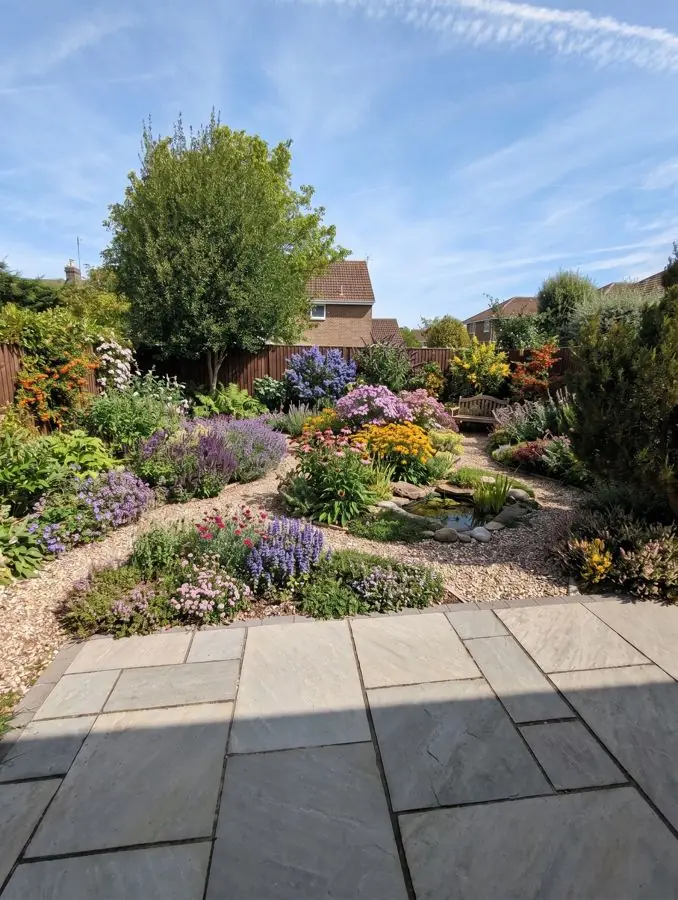
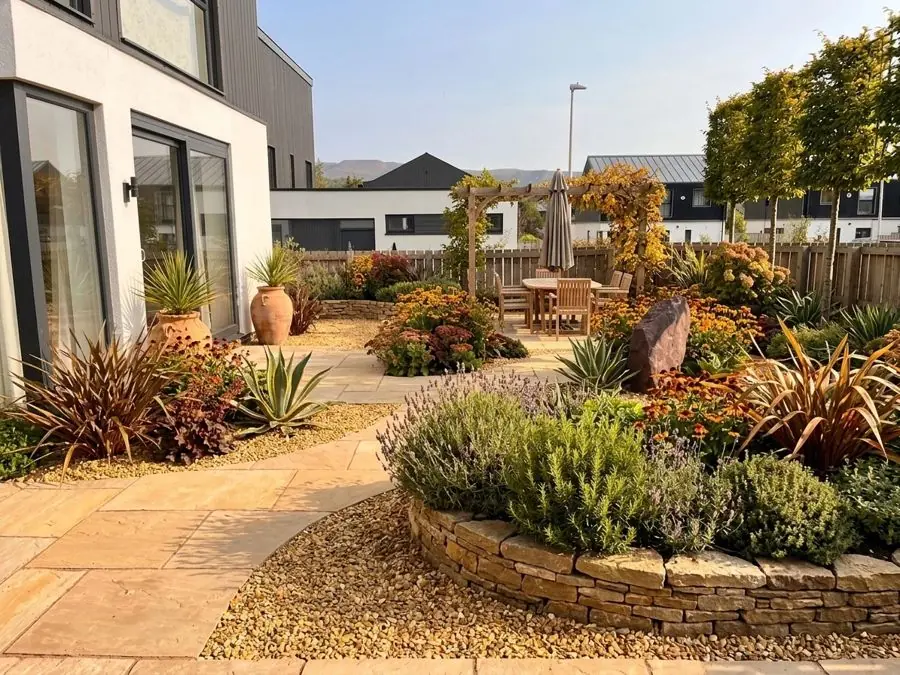
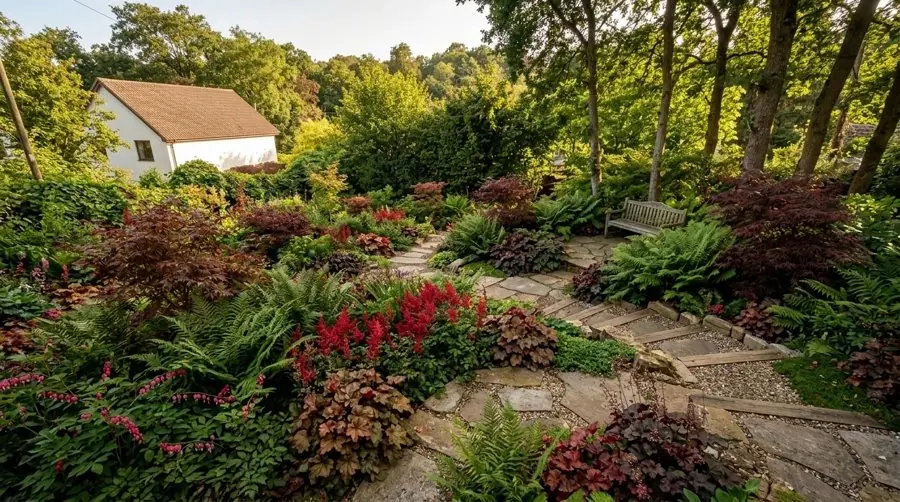
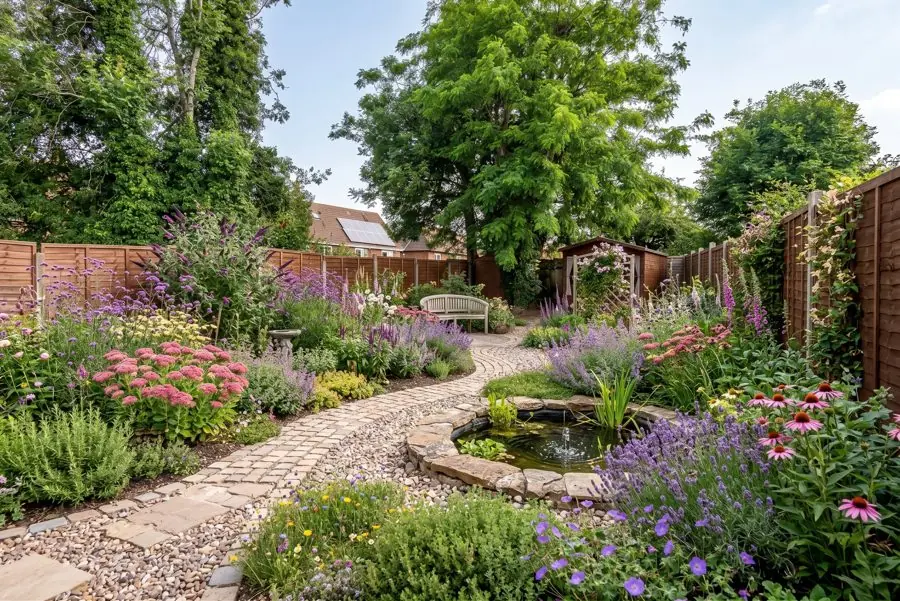
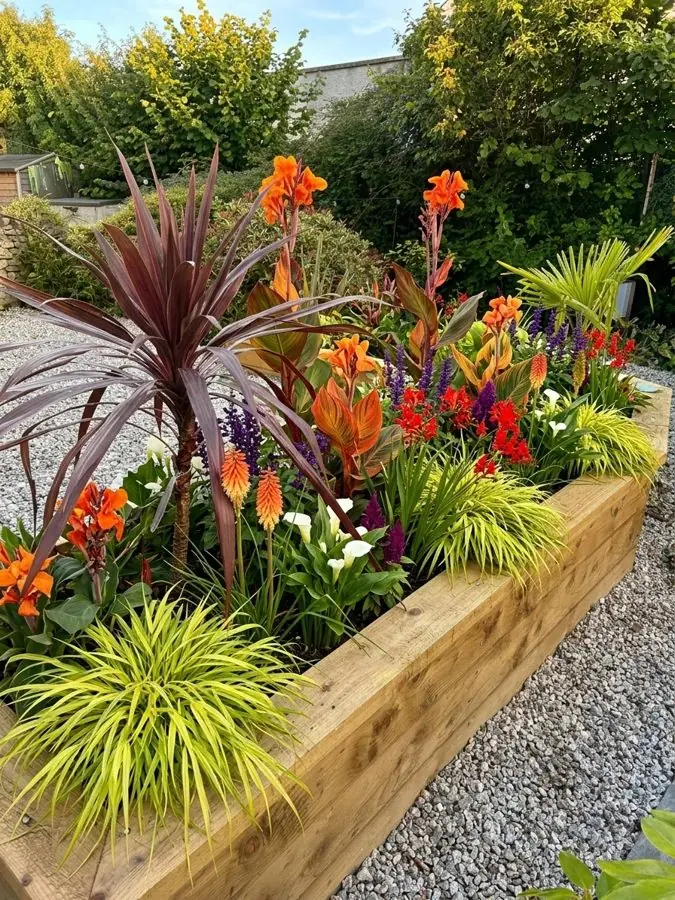
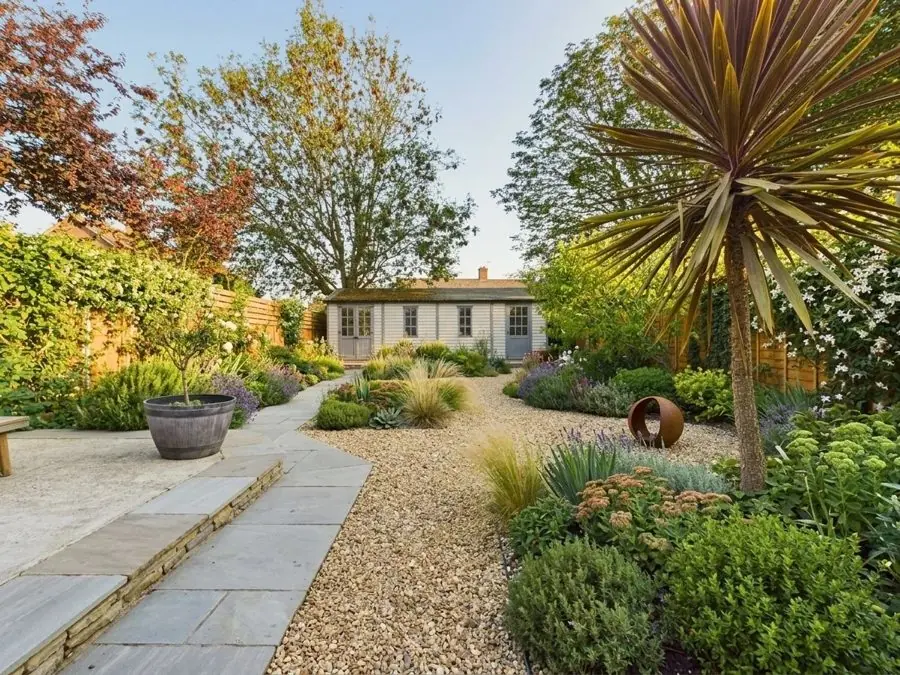
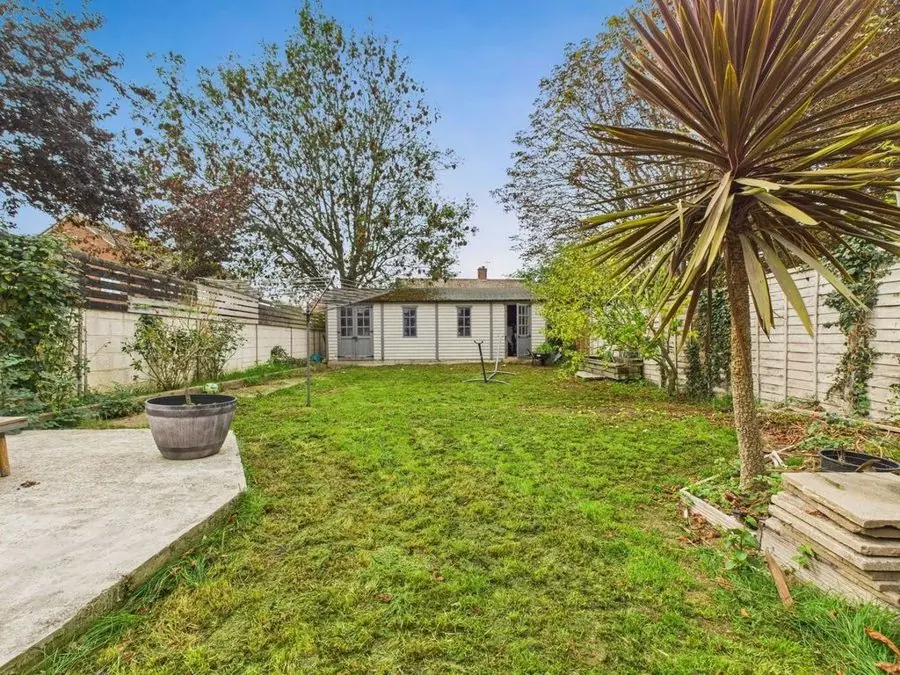
Gravel path past a cordyline
Before: a lawn with a cordyline, a small patio and a garden house
Get this yard →First 3 designs free · No card
Tired of mowing and watering a lawn? Add one photo, ask for what you want instead and see your yard redesigned in about a minute.
Add your ZIP code: plants picked for your USDA zone, your summer heat, your light and your soil.
Design my yardOver 500 yard designs made.
Every one is a real yard, redesigned from one photo, and each says what was there before. Tap Before to see the photo. Like one? Tap Get this yard to design your own yard in the same style, with the same plants.
Each lawn is now gravel, with planting through it or along it. 7 yards
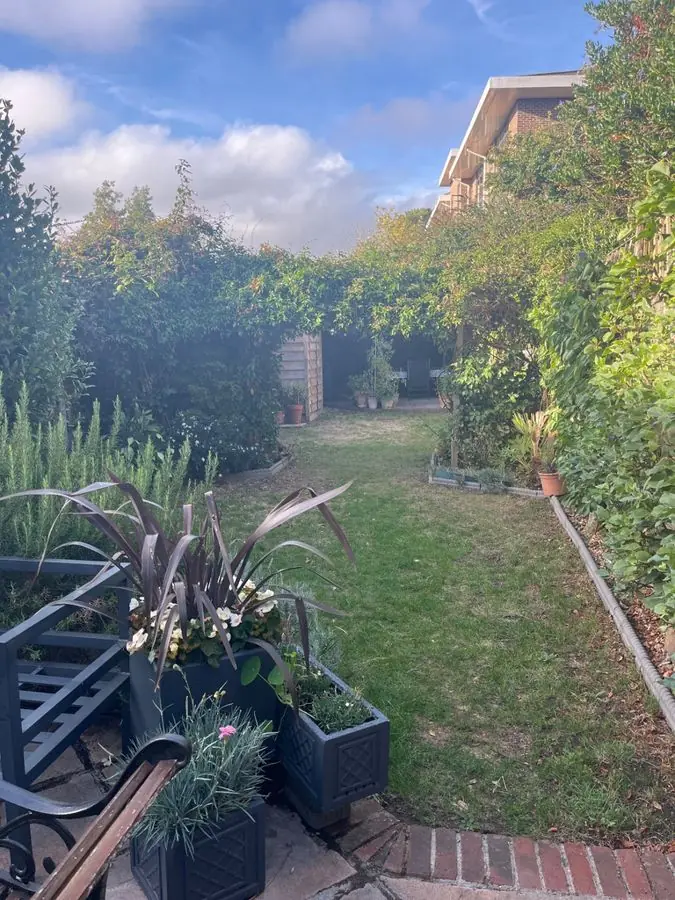
Before: a lawn with a cordyline, a small patio and a garden house
Get this yard →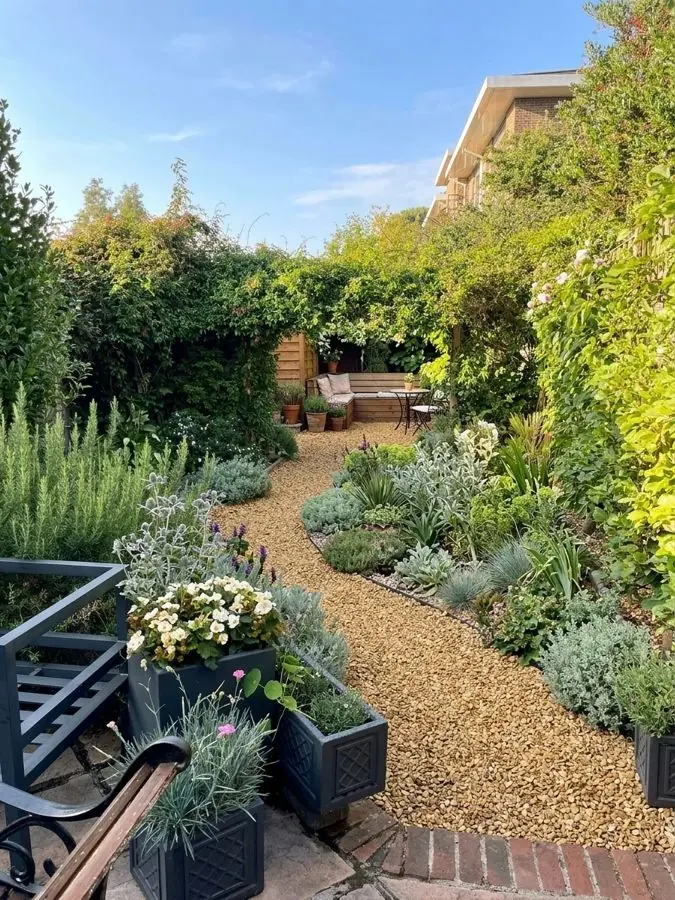
Before: a narrow lawn with planters, a bench and tall hedges
Get this yard →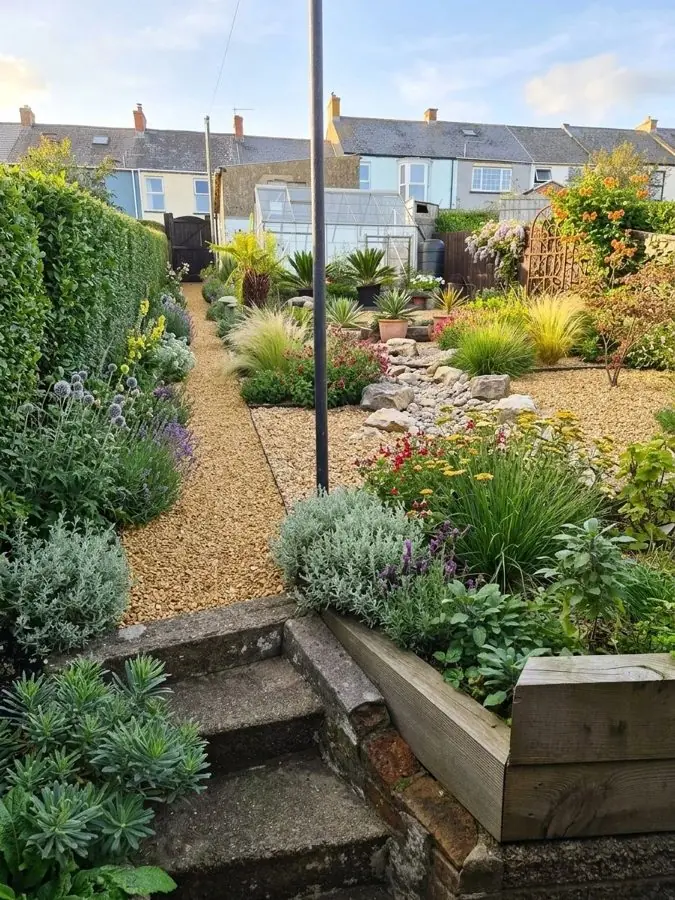
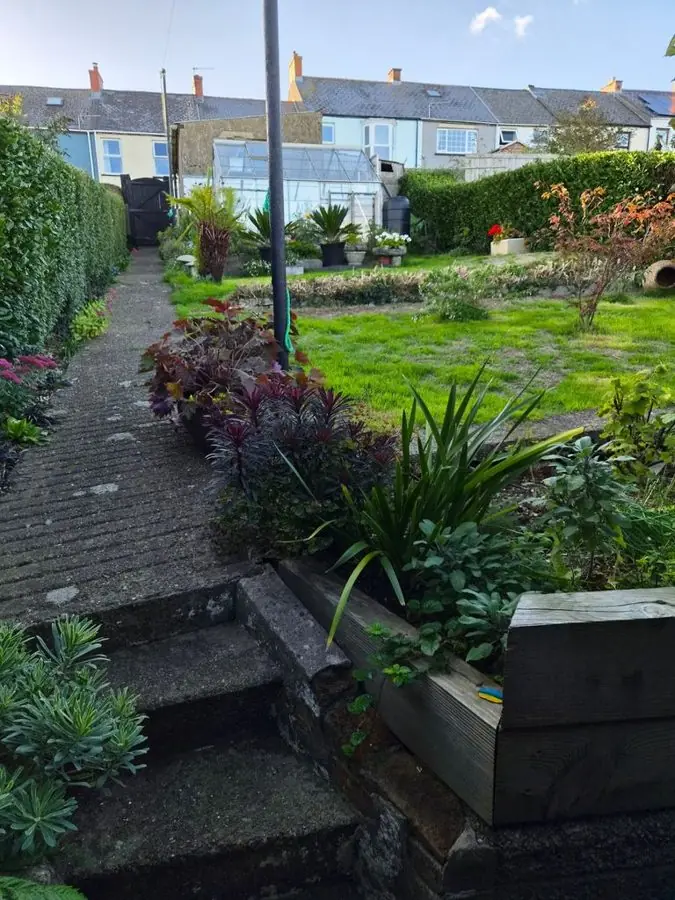
Before: steps down to a long lawn with a narrow path and hedge
Get this yard →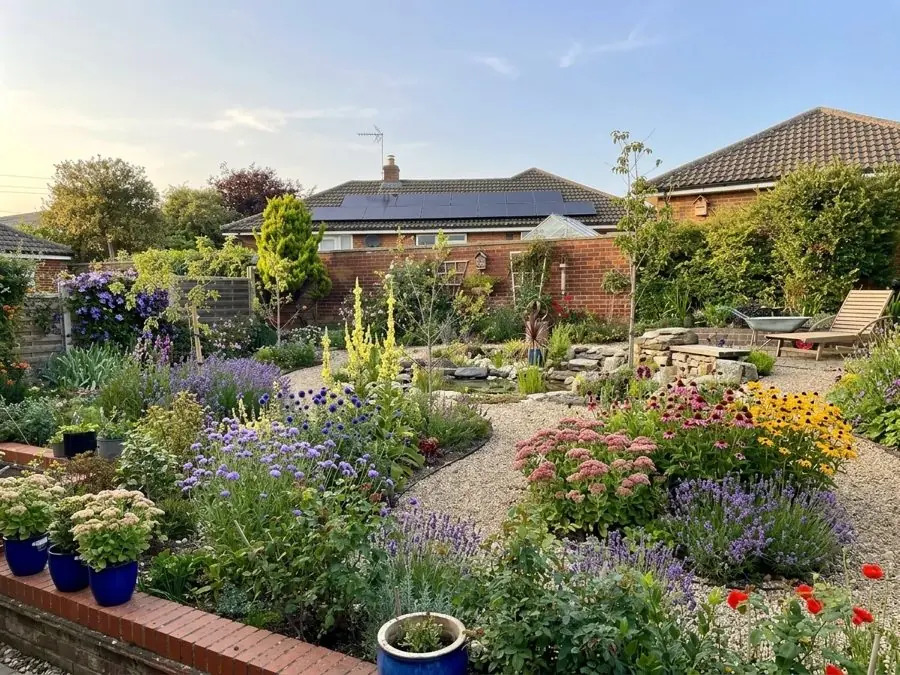
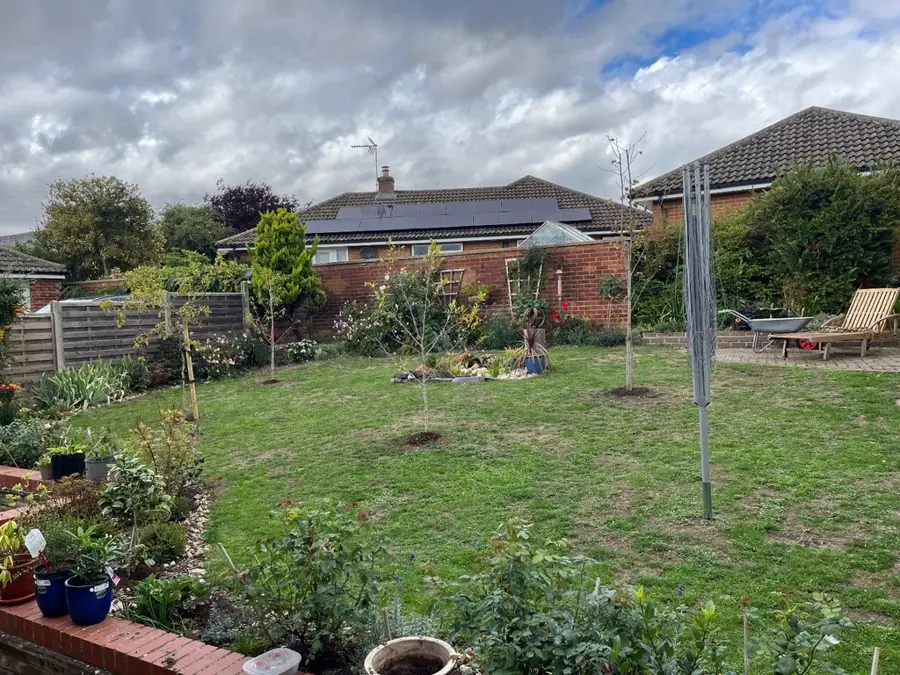
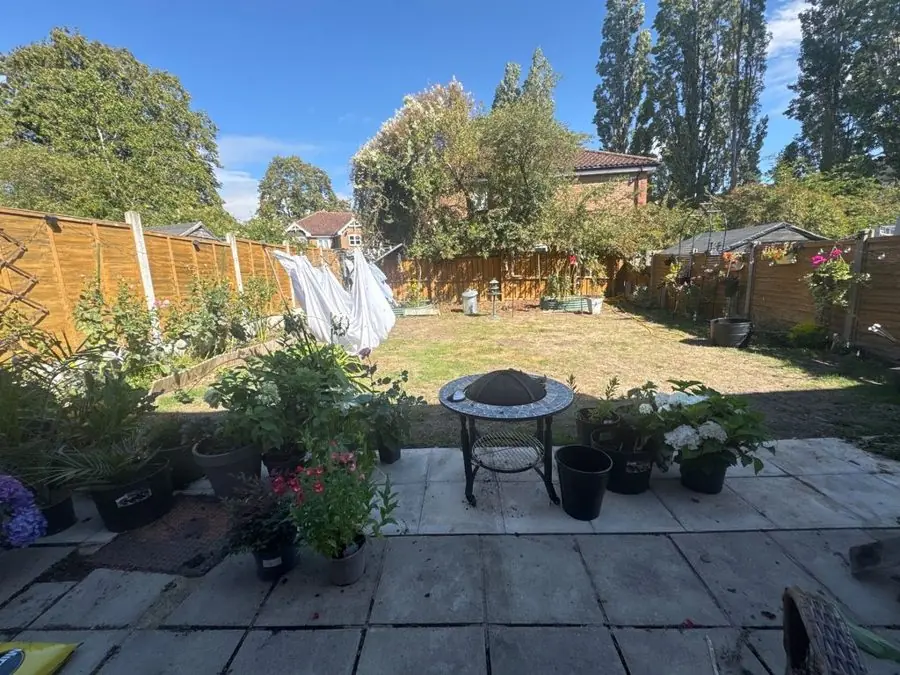
Before: a lawn with young trees and a clothesline, beds around the edge
Get this yard →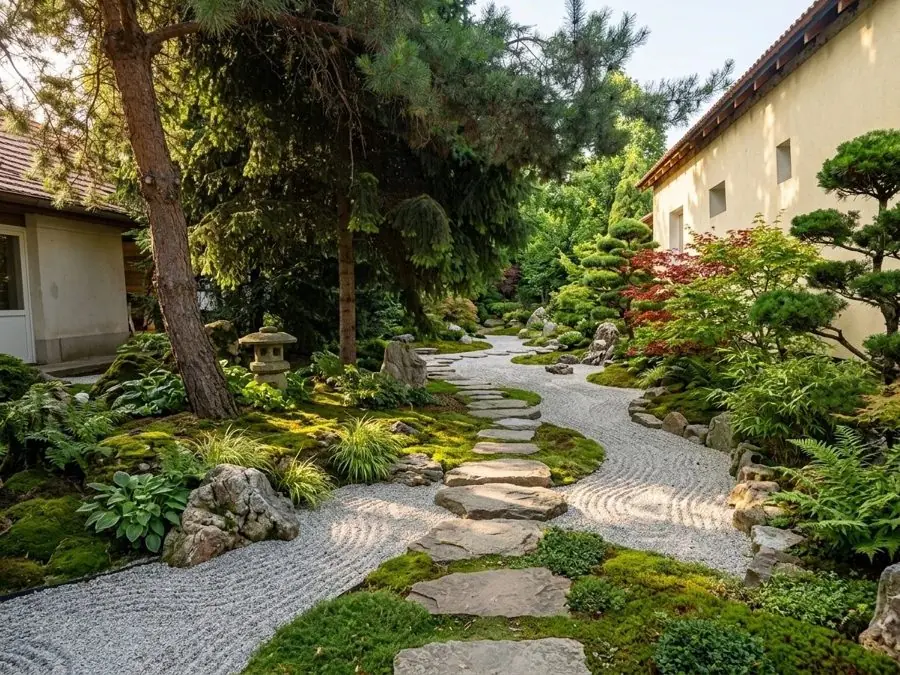
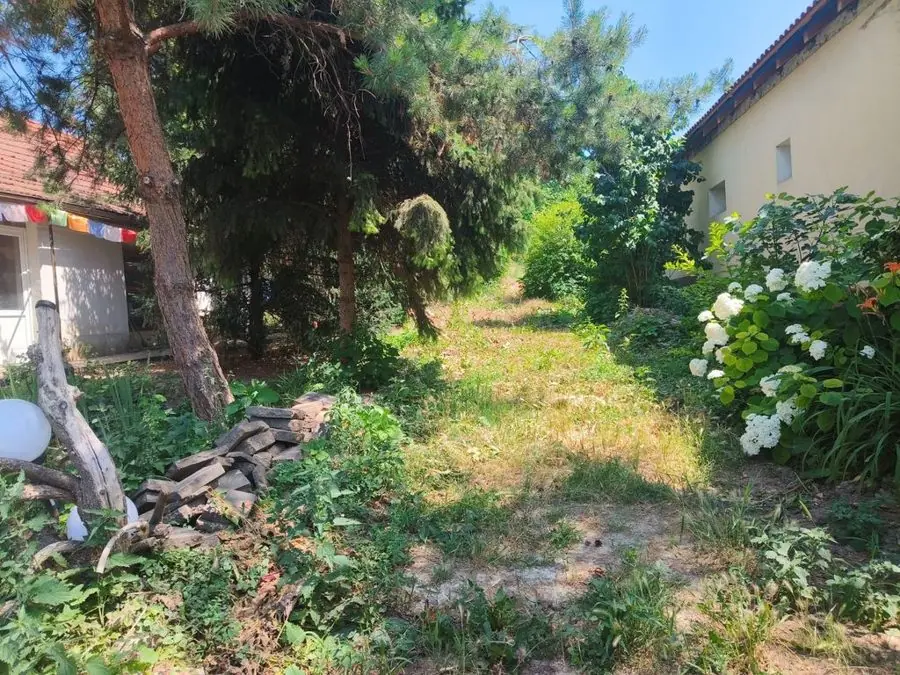
Before: an overgrown strip of grass and weeds under tall pines
Get this yard →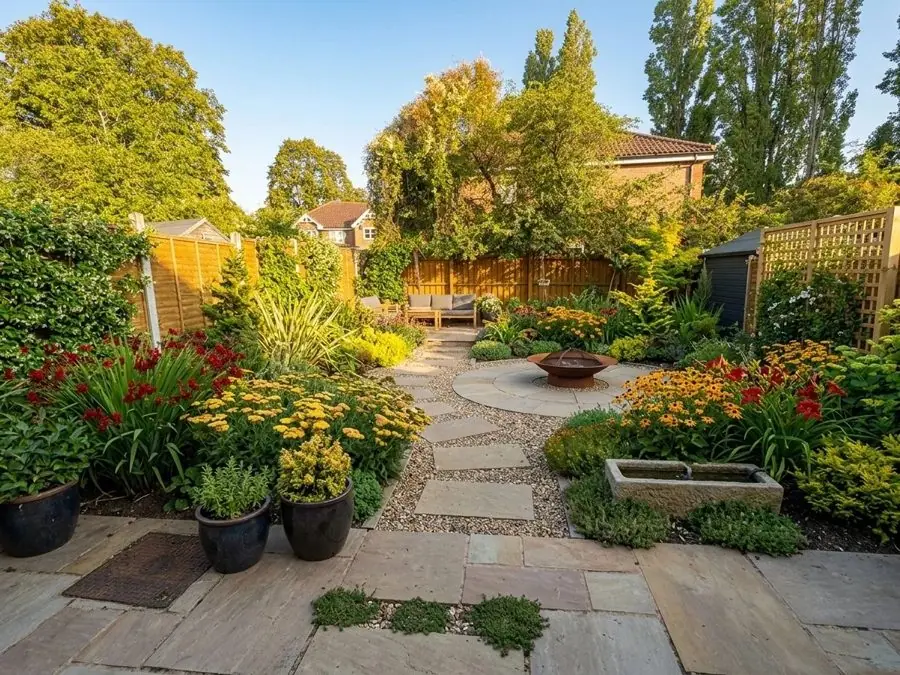
Before: a concrete patio with pots, a fire pit and a lawn beyond
Get this yard →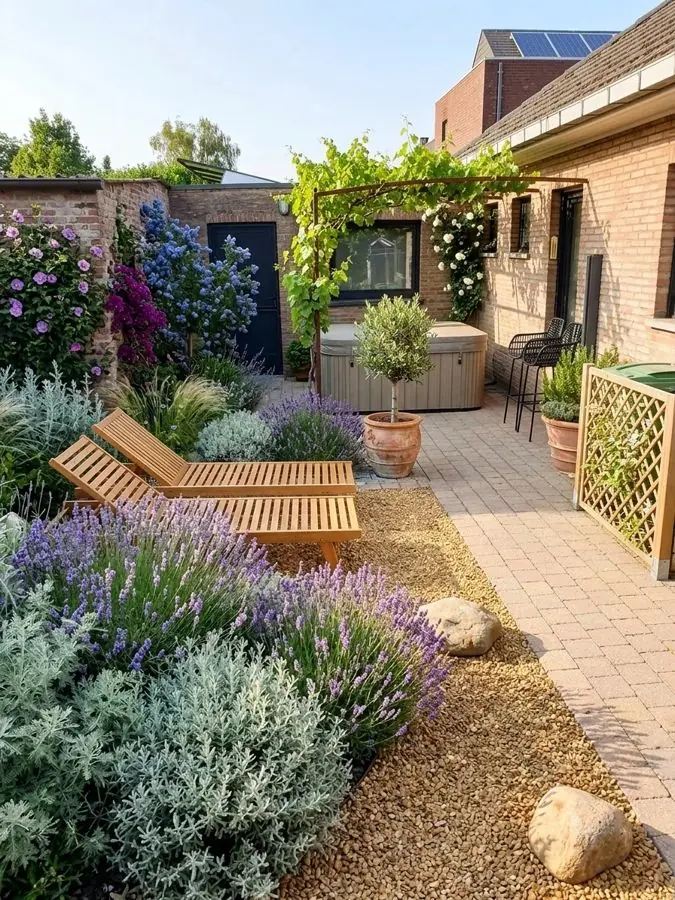
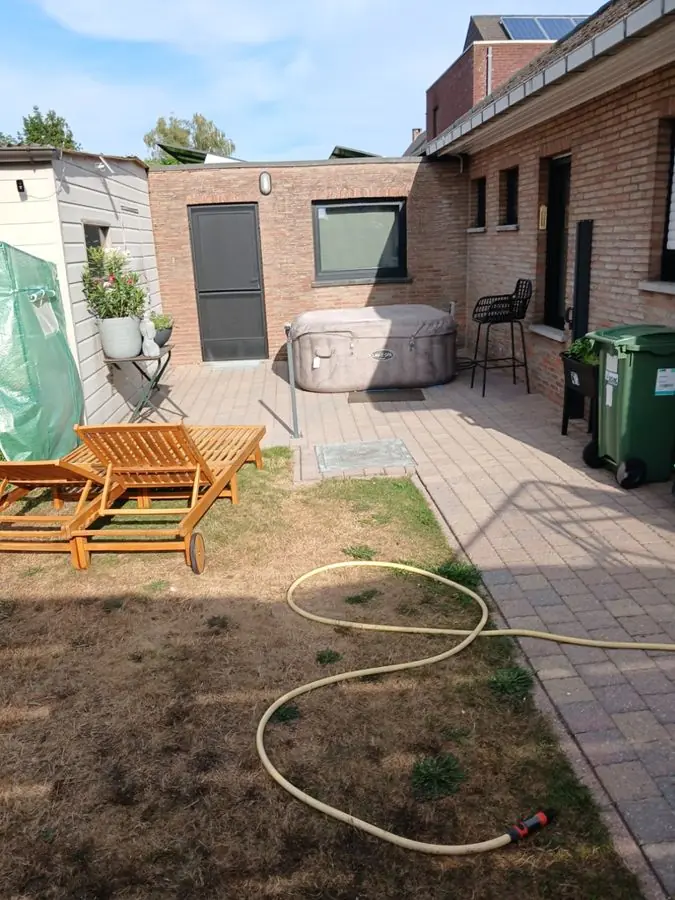
Before: a dry lawn with a hose, lounge chairs and a hot tub
Get this yard →Each lawn is now planting, from tall meadow to low ground cover, with a path to walk through it. 6 yards
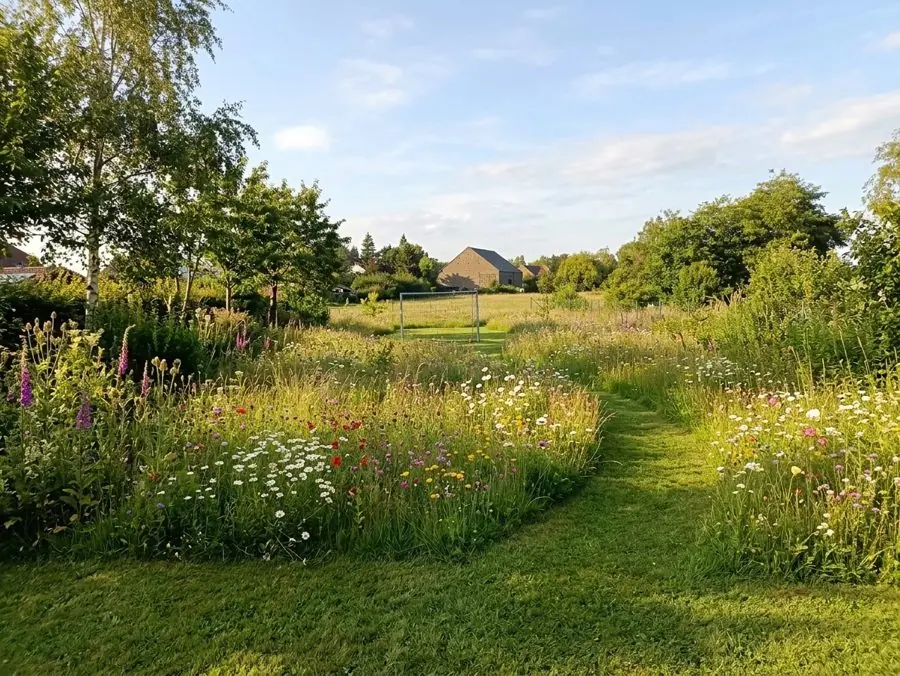
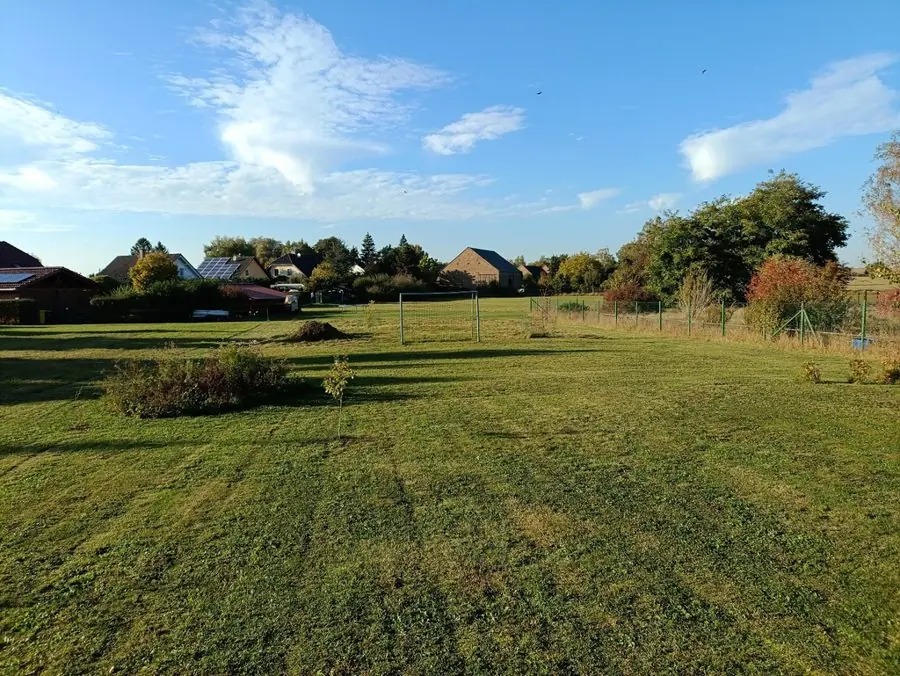
Before: a big open lawn with a few shrubs and houses beyond
Get this yard →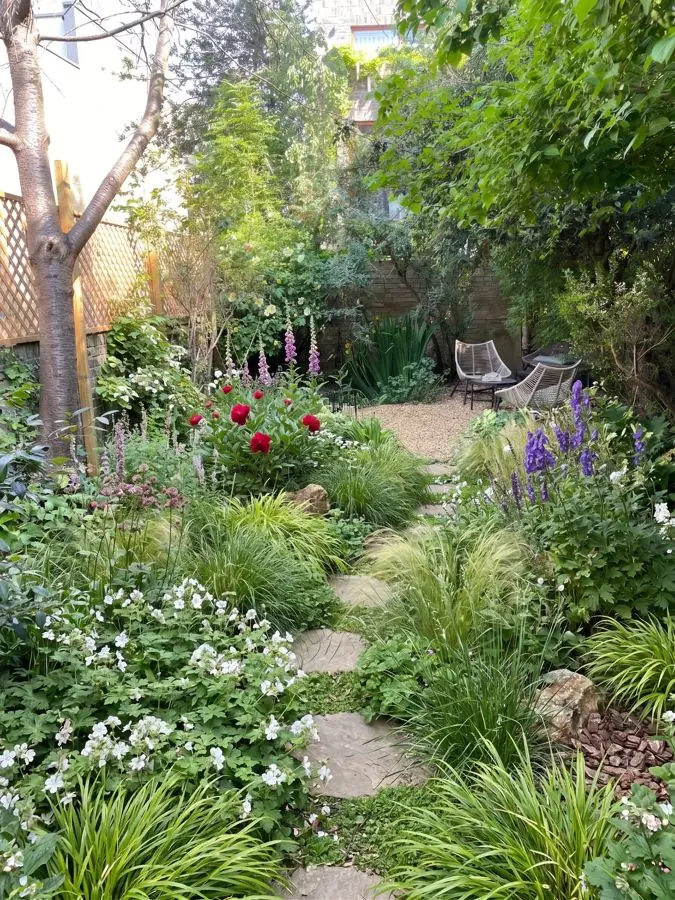
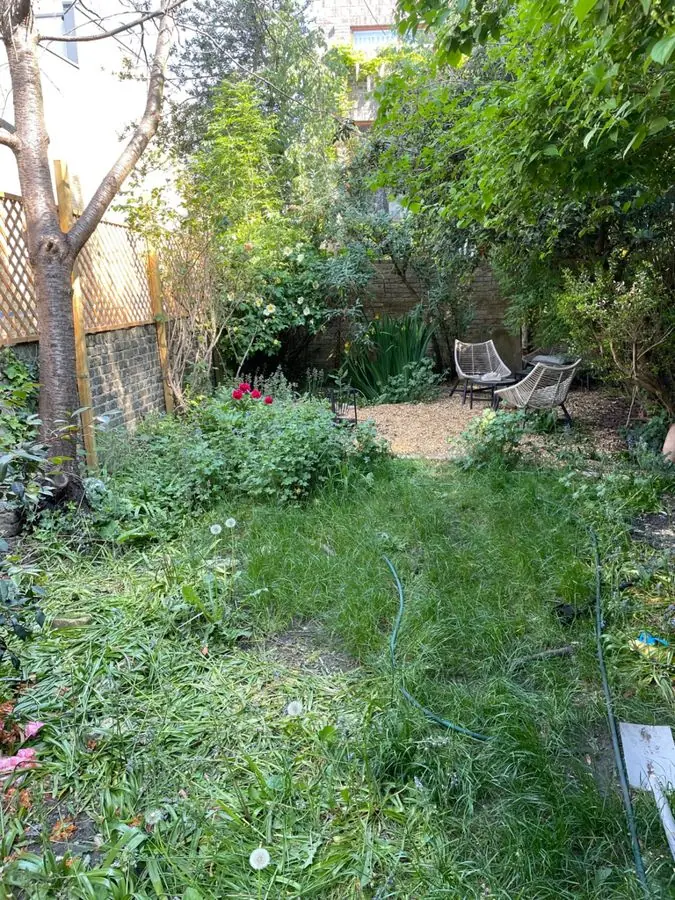
Before: an overgrown lawn under a tree with two chairs at the back
Get this yard →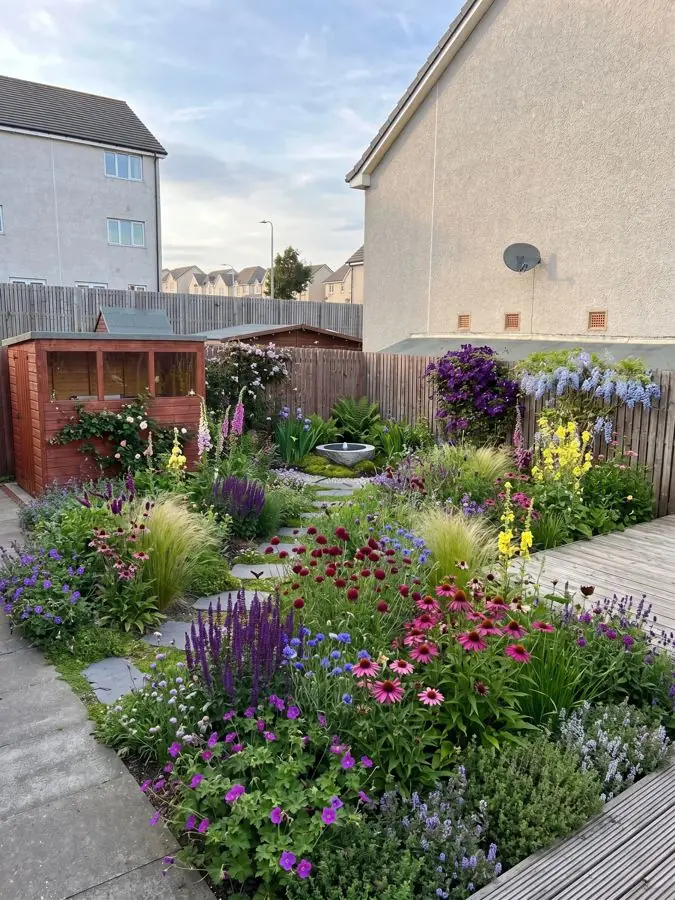
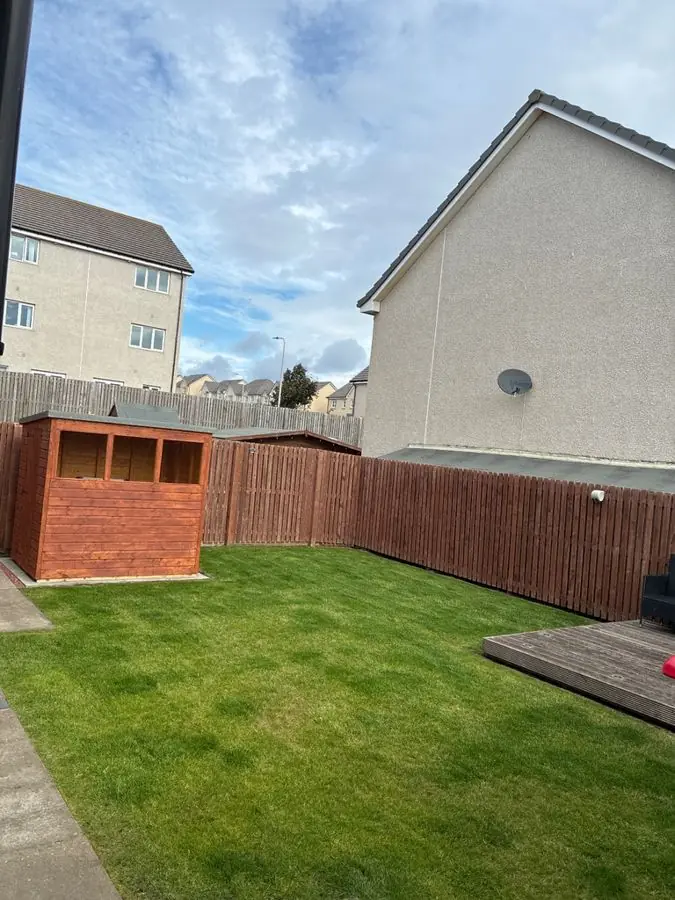
Before: a plain green lawn with a red shed and wooden fence
Get this yard →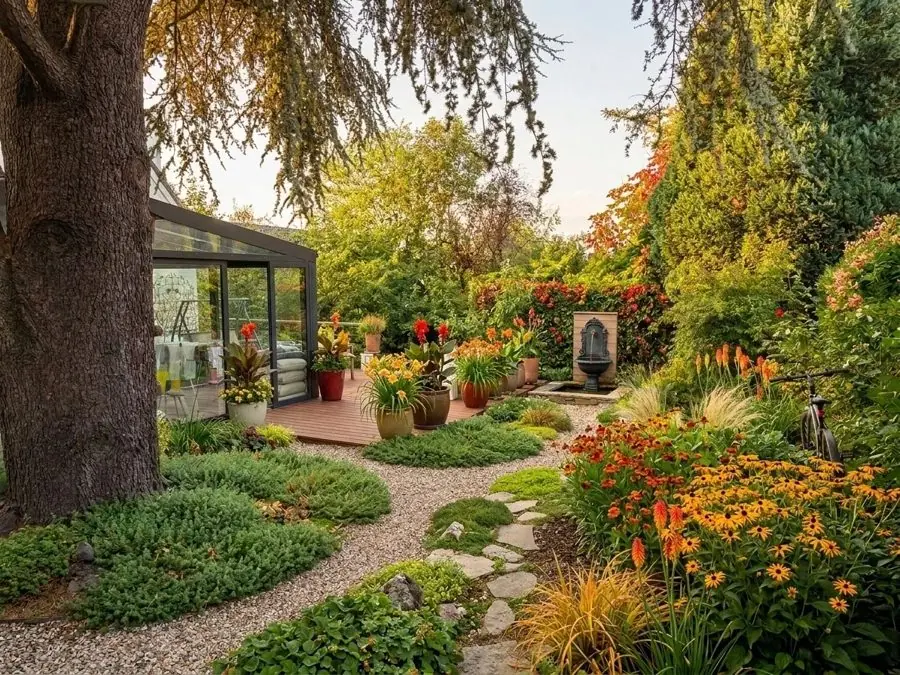
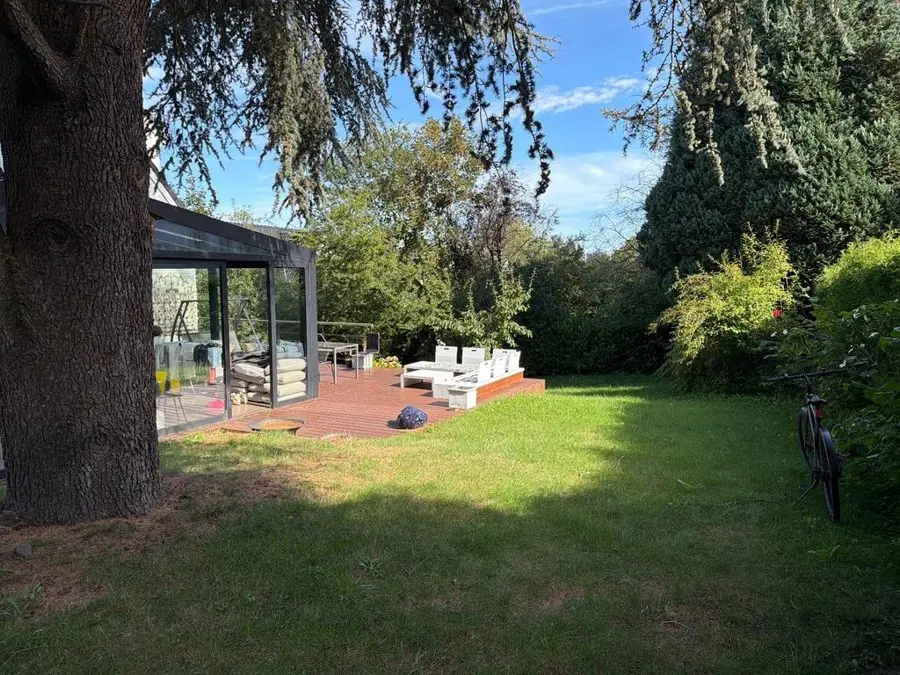
Before: a lawn under a large tree with a glass backyard studio
Get this yard →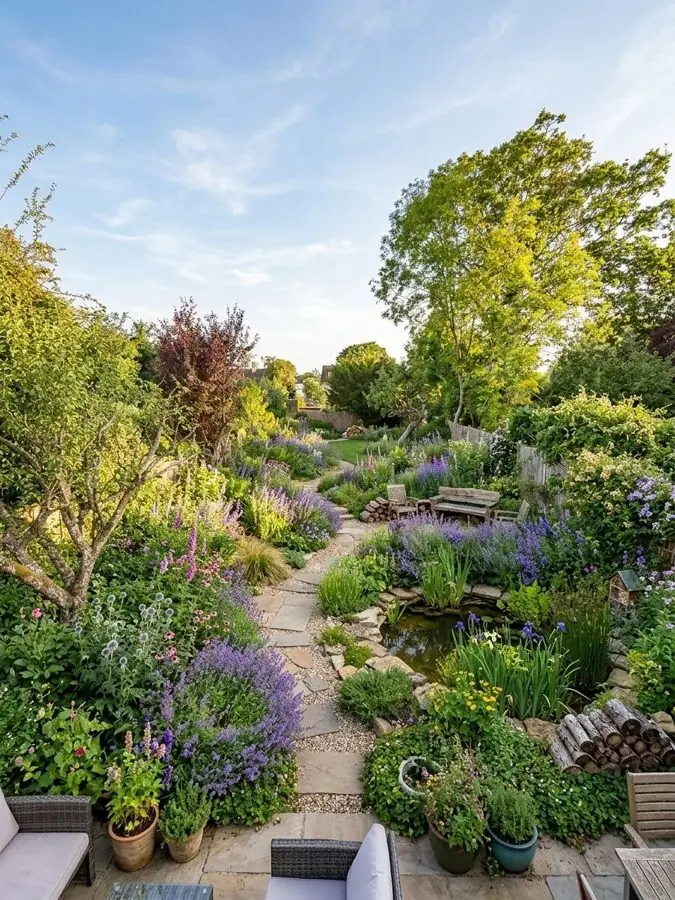
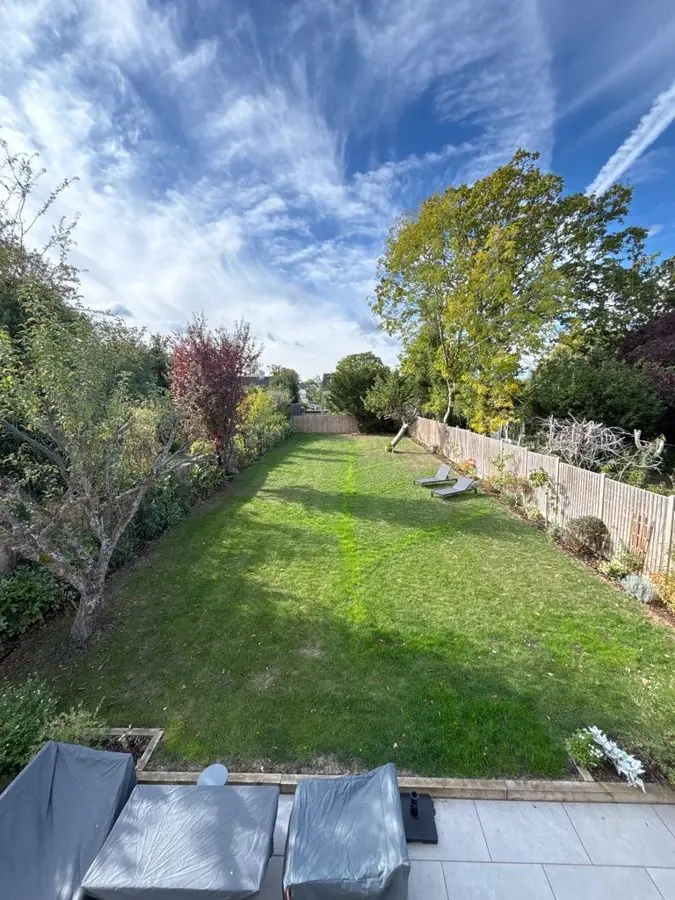
Before: a long straight lawn with a fence and trees at the end
Get this yard →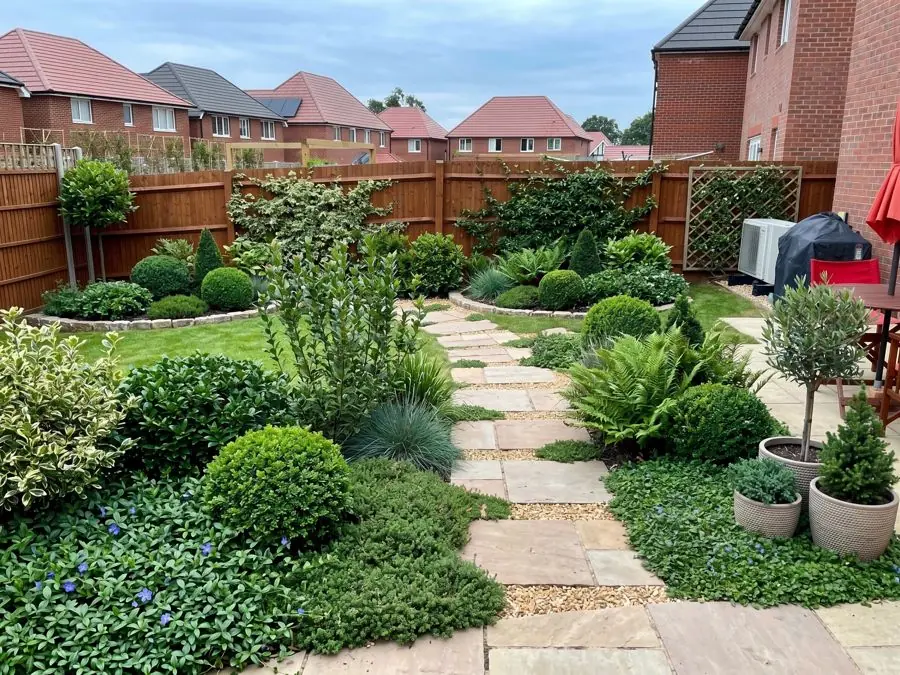
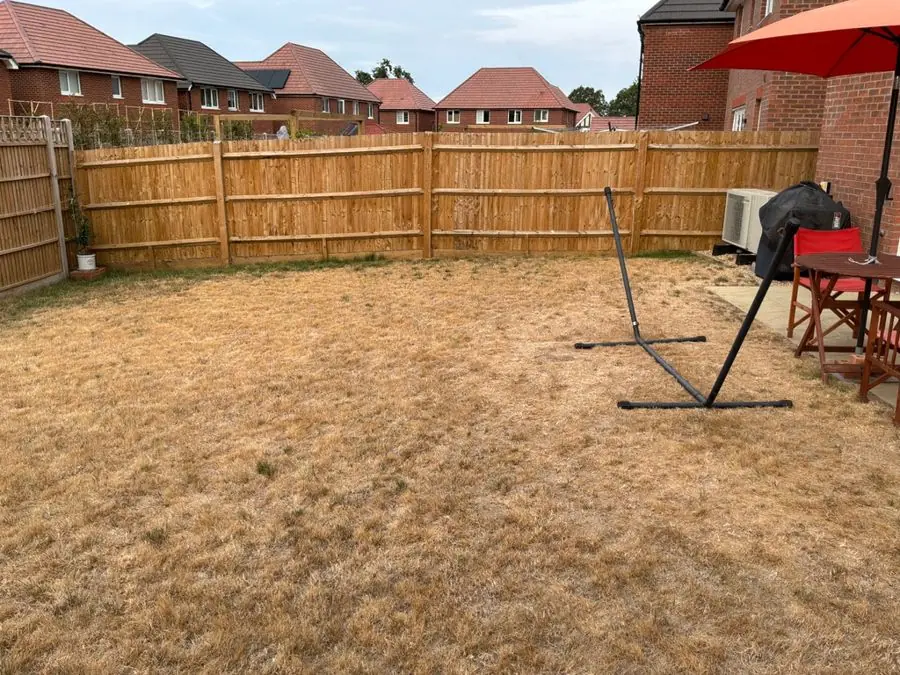
Before: a dry brown lawn with a hammock frame and a patio umbrella
Get this yard →Each lawn is now a stone path, patio or paved center, with beds around it. 6 yards
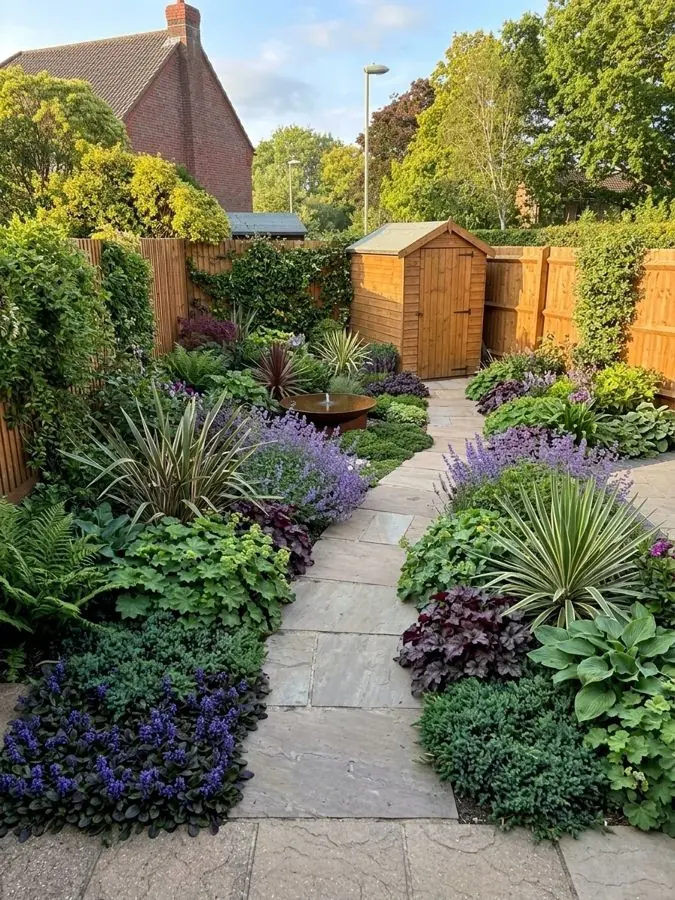
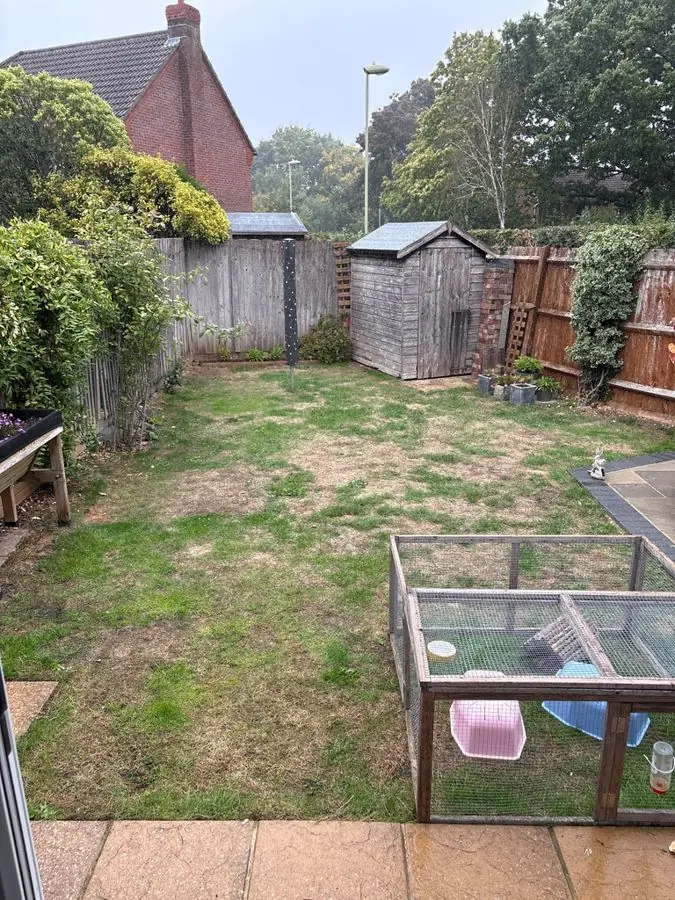
Before: a patchy lawn with a shed, fences and a pet run
Get this yard →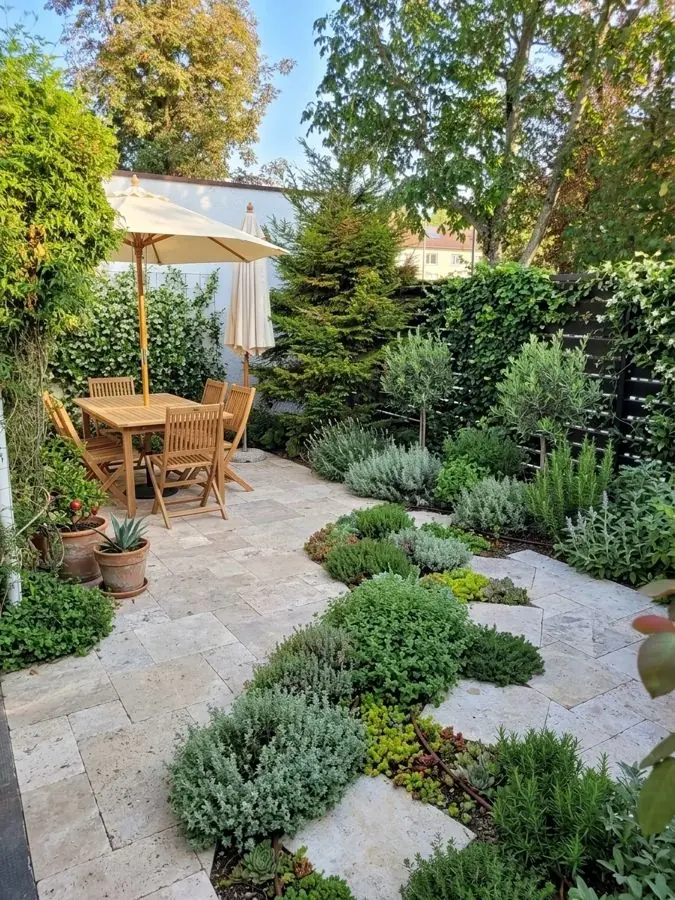
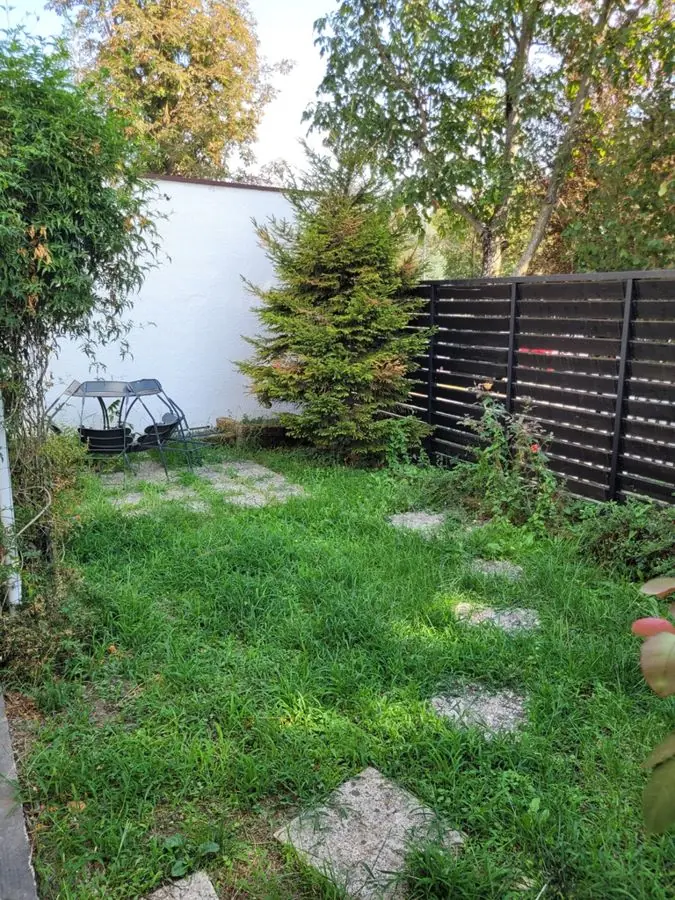
Before: a lawn with stepping stones, a white wall and a dark fence
Get this yard →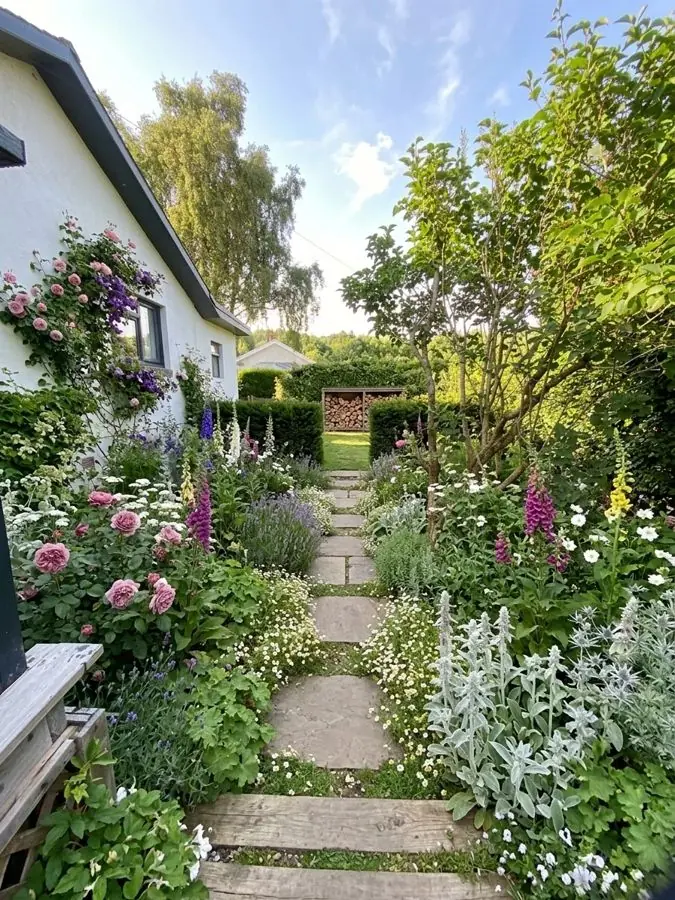
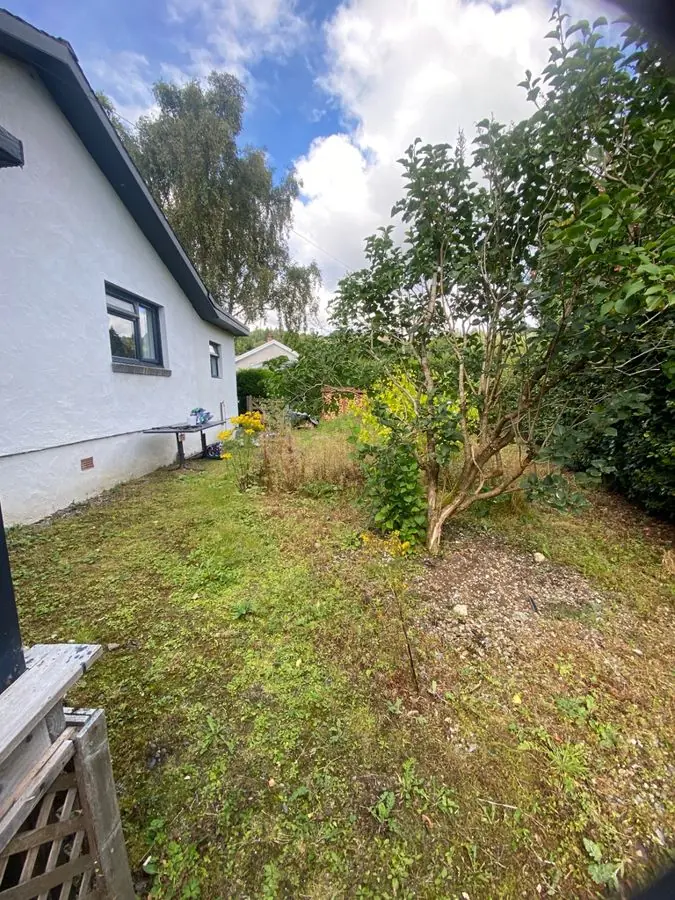
Before: a rough lawn beside a white house with a young tree
Get this yard →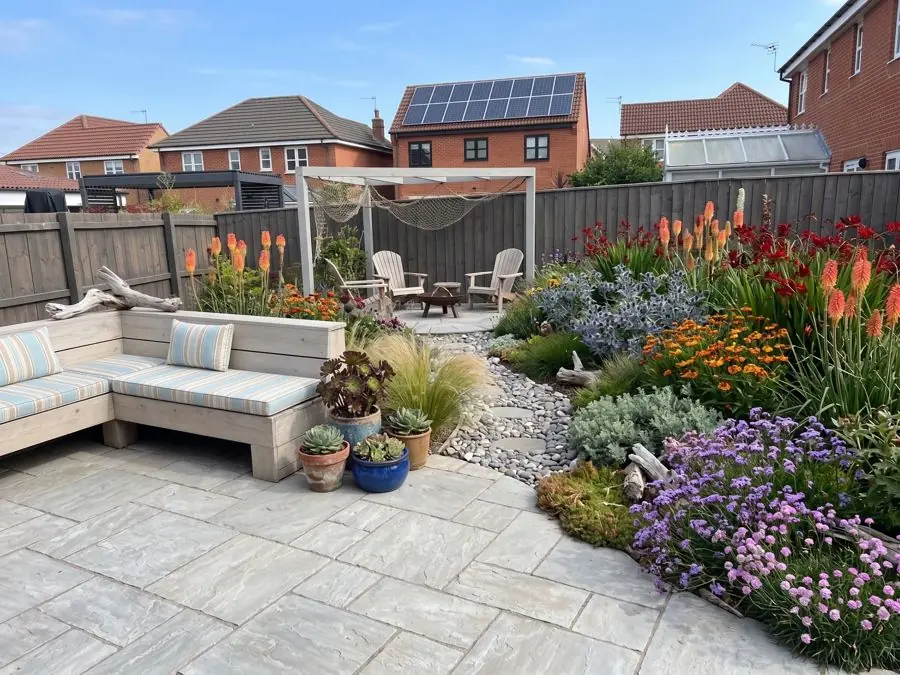
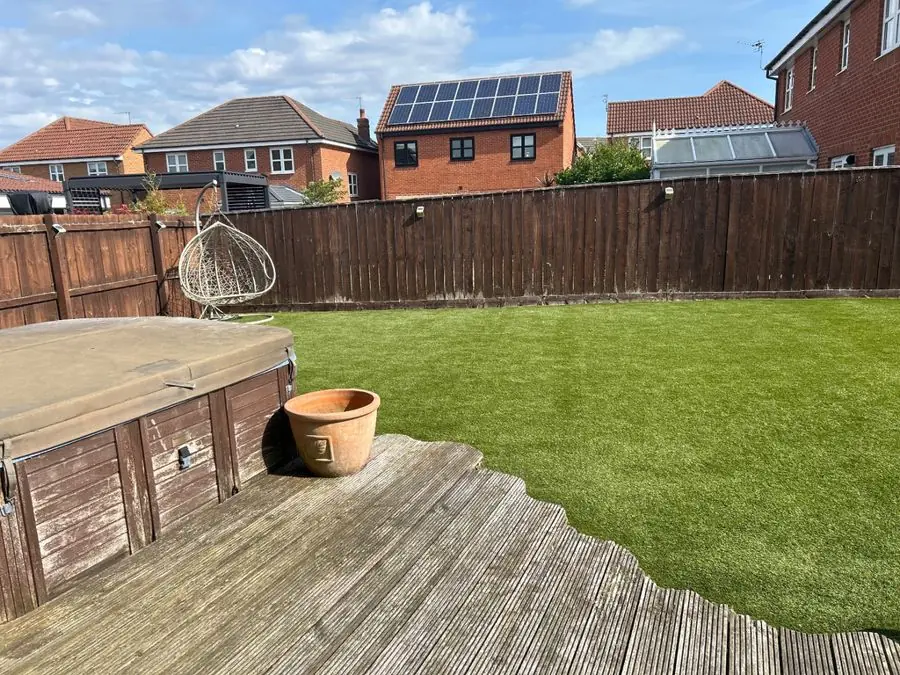
Before: a plain lawn and worn deck with a covered hot tub
Get this yard →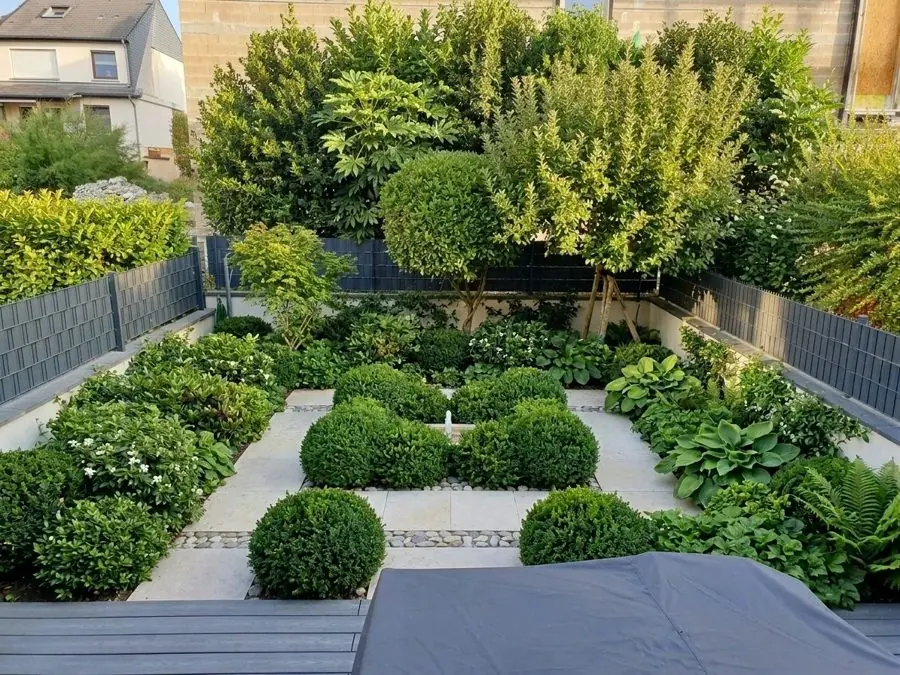
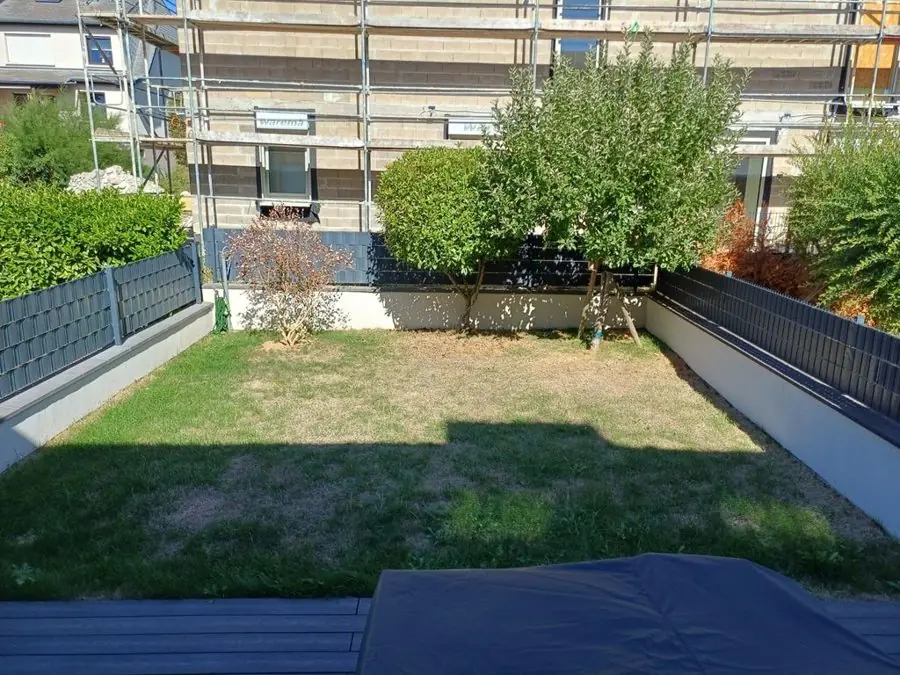
Before: a sunken lawn walled with gray fencing and a few shrubs
Get this yard →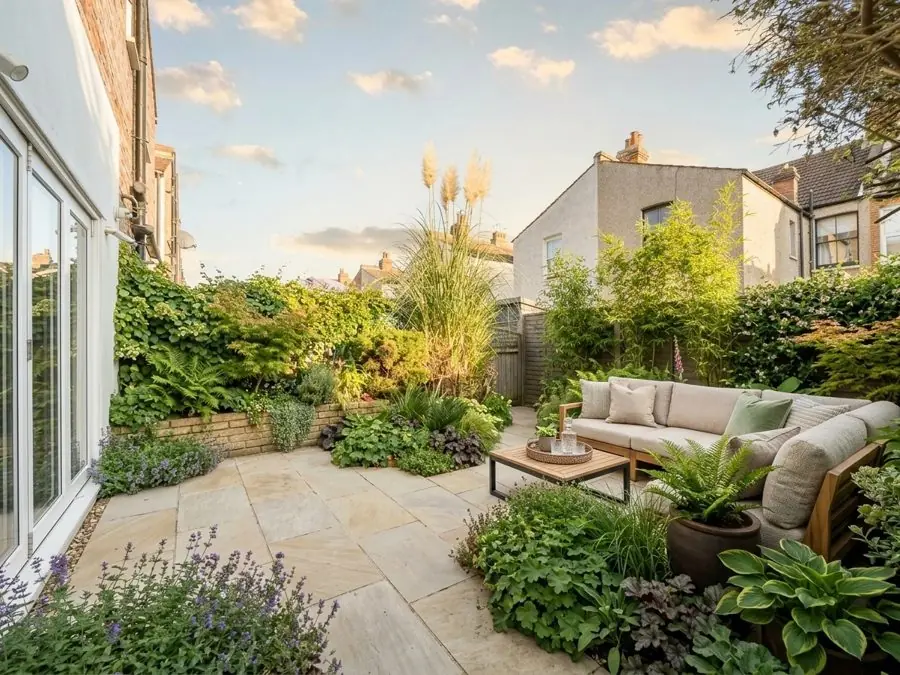
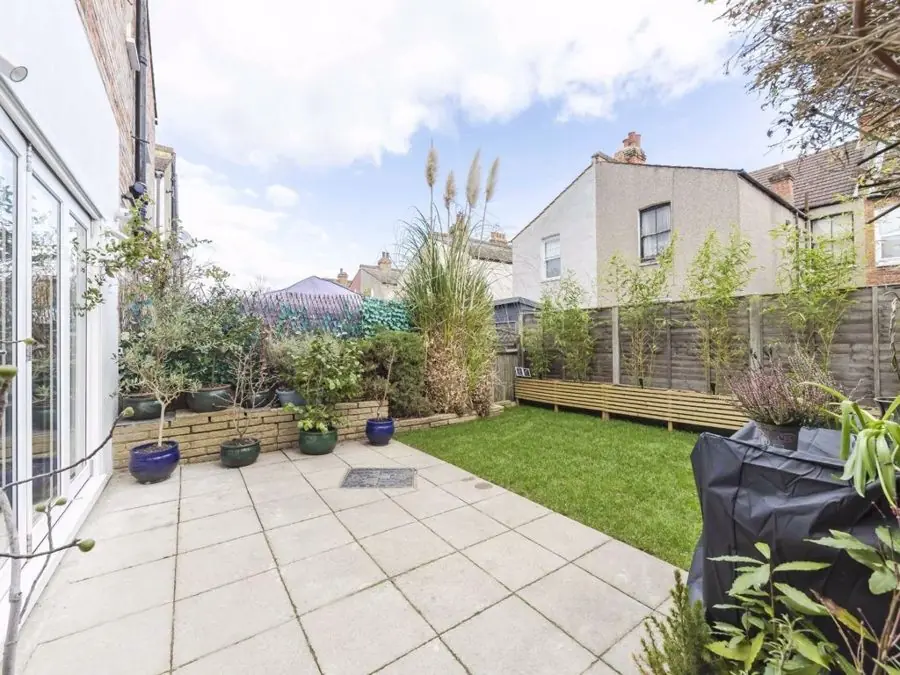
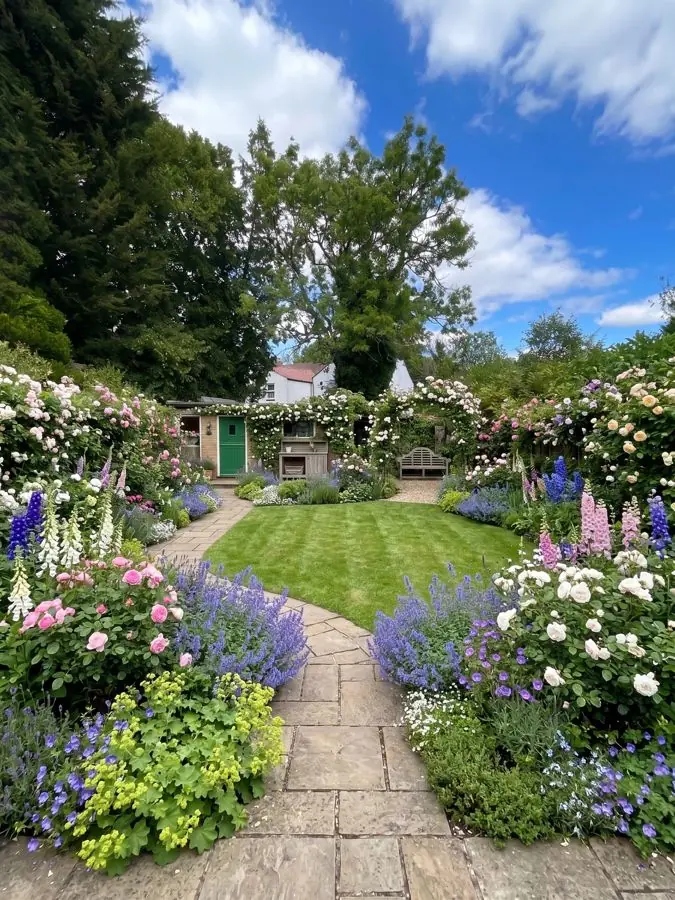
Before: a pale paved patio and small lawn beside raised timber beds
Get this yard →Take the photo from where you see the lawn most, like the back door, the deck or the porch, so the whole lawn and what is around it are in the picture.
One photo from your phone is all it takes. Your ZIP code gives us your USDA zone, so the plants we pick can live through your winters.
Pick one of 15 styles and a color scheme, then ask for anything you want, like "replace the lawn with gravel and planting" or "a meadow with a mown path". Keep your paths and patio, or start over with a new layout.
Your real yard, redesigned, in about a minute.
See your own yard redesigned first. When you find the look you love, Pro or Max plans turn it into a yard you can plant: $39 or $65 in the US, one payment.
See what goes into a planting plan before you choose.
Your first 3 designs are free.
Watermarked and lower quality. No card needed.
| One payment, no subscription. | ||
| What you get | ||
| Designs | 20 | 50 |
| Days to use them | 14 | 30 |
| Free designs on top | 5 | 10 |
| Designs at once, side by side | 2 | 4 |
| With every design | ||
| Every plant named, ready to buy | ||
| The materials, gravel to fence, with whole yard designs | ||
| Care guide and flowering calendar | ||
| Higher quality images | ||
| No watermark | ||
| Change any design in your own words | ||
The pot size to buy and how tall each grows. Measured borders also say how many to buy.
| Plant | Pot | Height |
|---|---|---|
| Catmint 'Walker's Low'Nepeta × faassenii | Quart to 1 gal | 4 to 20 in |
| Avens 'Totally Tangerine'Geum | 1 gal | 20 in to 3 ft |
| Giant montbretiaCrocosmia masoniorum | 1 gal | 3 to 5 ft |
| Tellmann's honeysuckleLonicera × tellmanniana | 1 to 2 gal | 8 to 13 ft |
Where it grows best, how to prune it and how it gets through winter.
Every plant, the months it flowers, in its own color.
Avens 'Totally Tangerine'
Catmint 'Walker's Low'
Clematis 'The President'
Lady's mantle
Higher quality images of your design, yours to keep.
 gardendesignapp.ai
Say what you want different, and see it redrawn.
On whole yard designs: the pavers, gravel, edging and fence in the picture.
Anywhere in the US, we take your ZIP code and choose plants suited to your zone, your light and your soil.
What can go where the grass was, how to get rid of the grass, what each choice needs and how to see it on your own yard first.
Lawn alternatives, sometimes called a lawn substitute, are anything you grow or lay in place of turf grass. Most lawn replacements fall into four groups: gravel with planting, low ground cover, a meadow or deep planting, and hardscape such as a patio or path. Most yards mix them, with a hard surface where you sit and walk and planting everywhere else, and some keep a small patch of lawn for play. Grass alternatives are not all lower in upkeep: gravel and pavers need the least once laid, while a new meadow or bed needs weeding and watering for its first year or two. The best lawn alternatives for your yard depend on how you use it, how much sun it gets and your climate.
Start with what the lawn is used for now. If it is where you sit, make that part a patio or a gravel seating area and plant around it. If it is mostly for looking at, deep planting with a path through it gives far more color than grass. If kids or dogs run on it every day, keep that part tough, with a small lawn, wood chips or play surfacing, and change the rest. Good backyard ideas without grass usually keep one open area, a path that leads somewhere, like a bench, a fire pit or a shed, and planting at the edges so the yard does not look like a parking lot. A backyard without grass also sheds or soaks up rain differently: gravel and planting let water soak in, while a large patio sends it somewhere else, so think about where it will drain.
A gravel garden is gravel spread over the soil with plants growing through it. Plants that like sun and good drainage suit it best, such as lavender, sedums, salvias and ornamental grasses. Angular crushed gravel locks together and is easier to walk on than round pea gravel, which rolls under your feet. Landscape fabric under a gravel path or seating area keeps the gravel out of the soil, though weeds still seed into the dust that settles on top over time. In the planted areas, many gardeners leave the fabric out so plants can spread and seed, and pull a weed now and then instead. Gravel in full sun gets hot and reflects heat onto nearby walls and plants, which some plants enjoy and others do not.
Low ground covers spread to fill the space a lawn took up, and many need no mowing. Few of them take daily foot traffic the way turf does, so most grass alternatives you can walk on are only good for light use, and a path you use every day is better made of stepping stones set through the ground cover. Which ground cover alternatives to grass suit your yard depends on your zone, your sun or shade and your soil, and some spread too far, so ask your county extension service which ones are invasive where you live. Clover is a popular choice, mixed into grass or on its own: it often stays green with less water than many lawn grasses and bees visit its flowers, which makes it a poor spot for bare feet. It is grown from seed, so ask a local garden center which kind suits your area.
No mow lawn alternatives include a meadow cut once a year, a no-mow fescue mix in cooler parts of the country, and deep planting with a path through it. A meadow usually takes two or three years to settle in and does best on poor soil, since rich soil feeds the grasses and weeds that crowd out the flowers. Buy seed or young plants meant for your region, and clear the existing grass first or the meadow will struggle. A mown path through it and a crisp edge along the front make it look deliberate, which helps with neighbors and with HOA rules about tidy yards.
Low maintenance lawn alternatives still need care at first: new plants need regular water and weeding until they are established, often for the first year or two. After that, gravel with drought tolerant planting is usually the least work, followed by deep planting and ground cover. Drought tolerant lawn alternatives use less water than a lawn in many places, but how much less depends on your climate, your soil and the plants you choose, and drip irrigation wastes less water than sprinklers. Some cities and water districts, mostly in drier parts of the country, offer rebates for replacing turf. The rules differ and some ask for approval before you remove anything, so check with your water provider before you start.
The cheapest way to get rid of grass is to smother it. Sheet mulching means mowing it short, covering it with overlapping plain cardboard, wetting it and covering that with compost or mulch; the grass dies over a few months and you plant through it. Solarizing means covering mown, watered grass with clear plastic for several weeks in the hottest part of summer, and works best in hot, sunny areas. Cutting the turf out with a rented sod cutter is fastest but takes some topsoil with it. Spreading grasses such as Bermuda can come back through cardboard, so watch the edges. To save on materials, tree services sometimes give wood chips away, small plants grow into big ones within a couple of seasons, and perennials can be divided once they fill out.
A soil test through your county extension service tells you the pH and what your soil lacks, usually for a small fee, before you buy anything to add. Call 811 a few working days before you dig, even for planting, since some buried lines are not deep. Spread mulch about 2 to 3 inches deep between new plants and keep it a few inches clear of stems and trunks. Check your HOA rules too: some require a certain amount of lawn in the front yard or ask you to get changes approved, and some states limit those rules, so get any approval in writing before you start.
This draws a design and names plants. It does not survey, price, build or install anything, and it does not remove turf. It does not work out how much water you would save, what a rebate might be or how much gravel, mulch or stone you need. It draws gravel, pavers, ground cover and planting in place of grass; it does not plan a clover lawn or tell you what seed to sow. You can take the design to whoever does the work, or plant it yourself.

Got a bare fence to soften? See fence line landscaping drawn into a photo of your yard.

Got big trees or a shady corner? See shade garden ideas drawn into a photo of your yard.

Love roses and foxgloves? See cottage garden ideas drawn into a photo of your yard.

Planning beds full of color? See flower bed ideas drawn into a photo of your yard.

Comparing tools? Here is how landscape design software that draws for you compares with drawing it yourself.

Got a narrow strip beside the house? Side yard landscaping shows what can work there.

Ready to plant? See what goes into a planting plan: every plant, how big each grows and where it goes.
Gravel with planting, low ground cover, a meadow, deep planting with paths, or a patio, or a mix of them. Many yards keep a small patch of lawn for play and change the rest.
There is no single best one. For somewhere to sit, a patio or gravel; for little upkeep in a dry climate, gravel and drought tolerant planting; for color, a meadow or deep planting; for light foot traffic, low ground cover with stepping stones.
Gravel, wood chips, pavers or stone, with planting through it or around it. Landscape fabric under gravel paths keeps the gravel and soil apart, but many gardeners leave it out of planted areas.
Smother it: cover mown grass with overlapping cardboard and a layer of compost or mulch, and it dies over a few months. In hot, sunny areas, clear plastic over the grass for several weeks in summer also works.
Some cities and water districts offer one, mostly in drier parts of the country. The rules and amounts differ, and some need approval before you start, so check with your water provider first.
It may have rules that require some lawn or ask you to get changes approved, and some states limit those rules. Read your HOA rules and get approval in writing before you start.
Yes if you dig, and it is free. Many states require it. Call a few working days ahead so buried lines can be marked.
Add one photo, pick a style and ask for what you want, like "replace the lawn with gravel and planting". You see your yard redesigned in about a minute, and your first 3 designs are free.
No. It draws the design, and Pro or Max adds the plant list and the materials shown in the picture. A local landscaper or garden center can measure and price the work.
Your ZIP code gives us your USDA zone and your summer heat, and the plants come from a list of more than 1,400 chosen for your winters, your light and your soil.
No. It runs in your browser, on a phone or a computer.
Add one photo of your yard and see it redesigned in about a minute. Your first 3 designs are free, with no card.
Design my yard