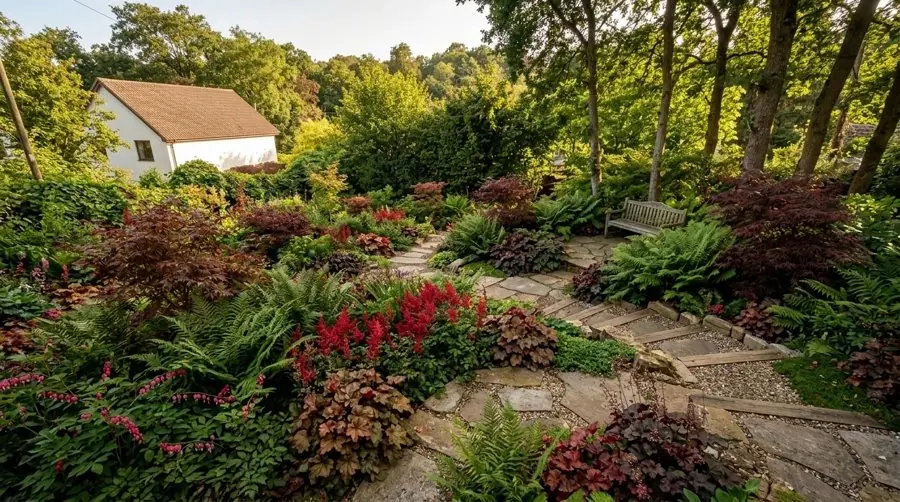
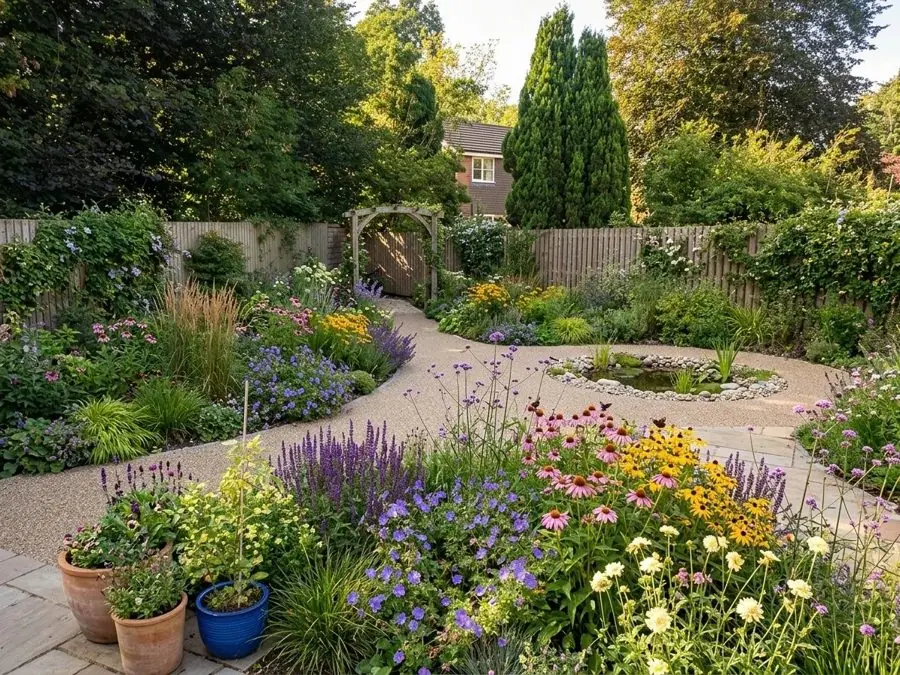
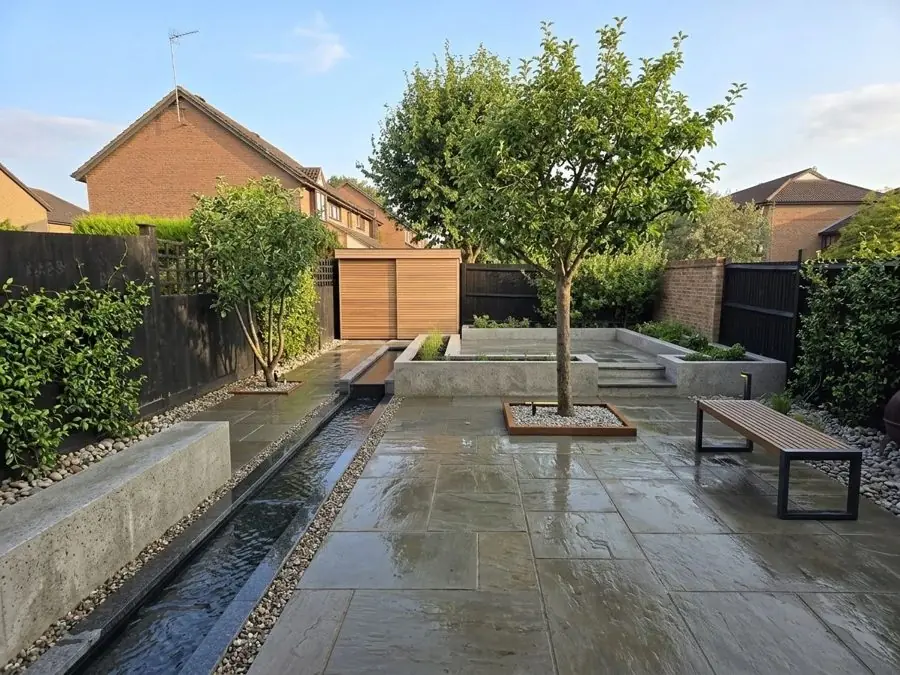
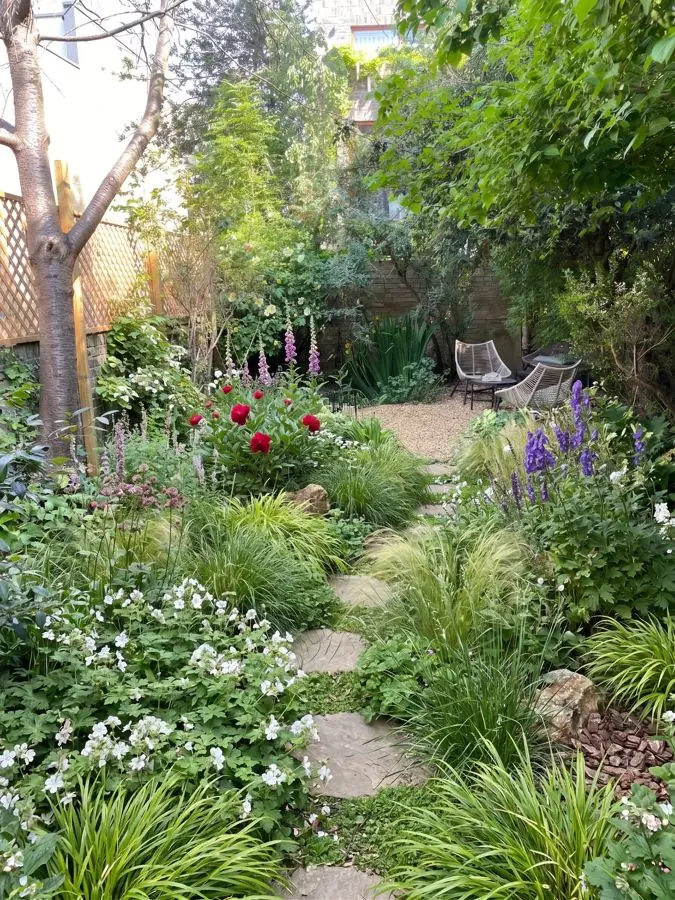
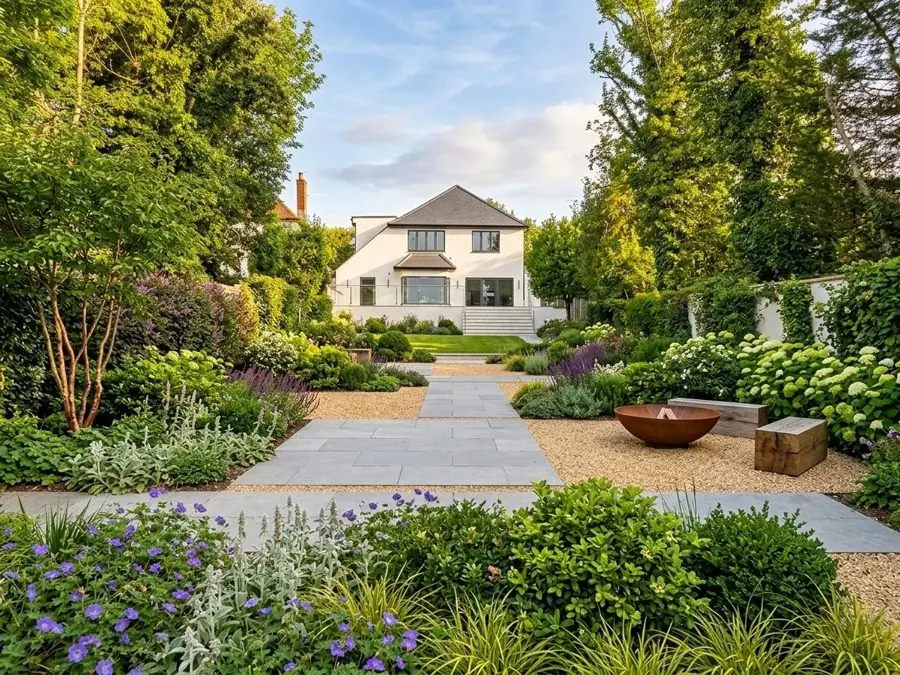
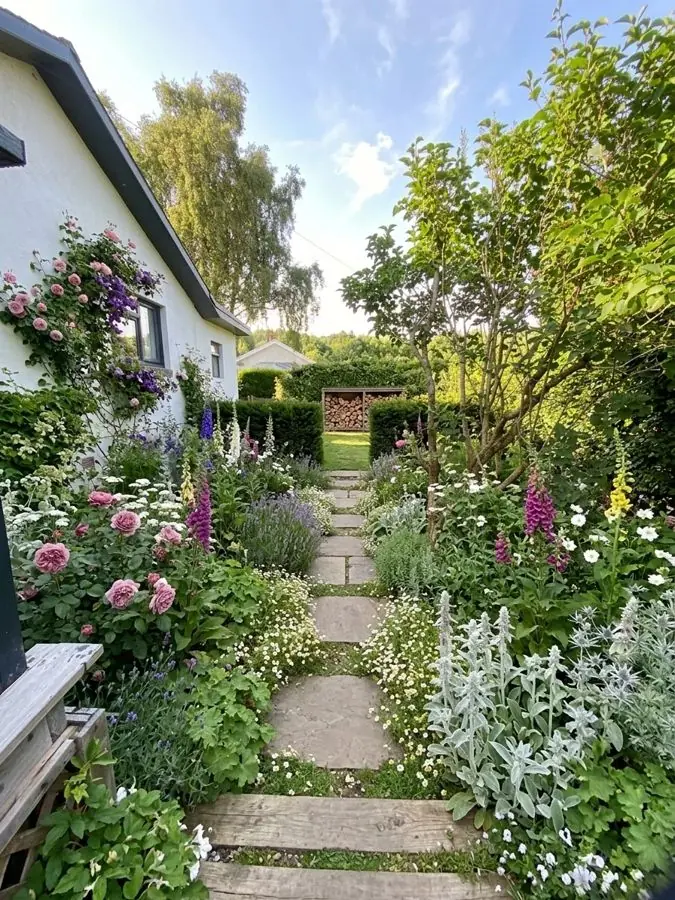
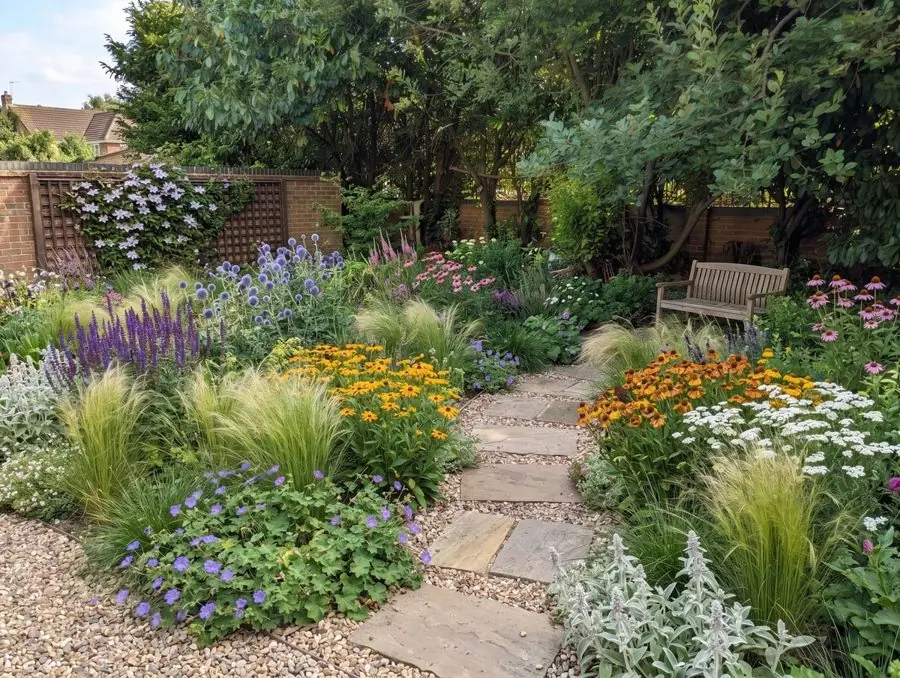
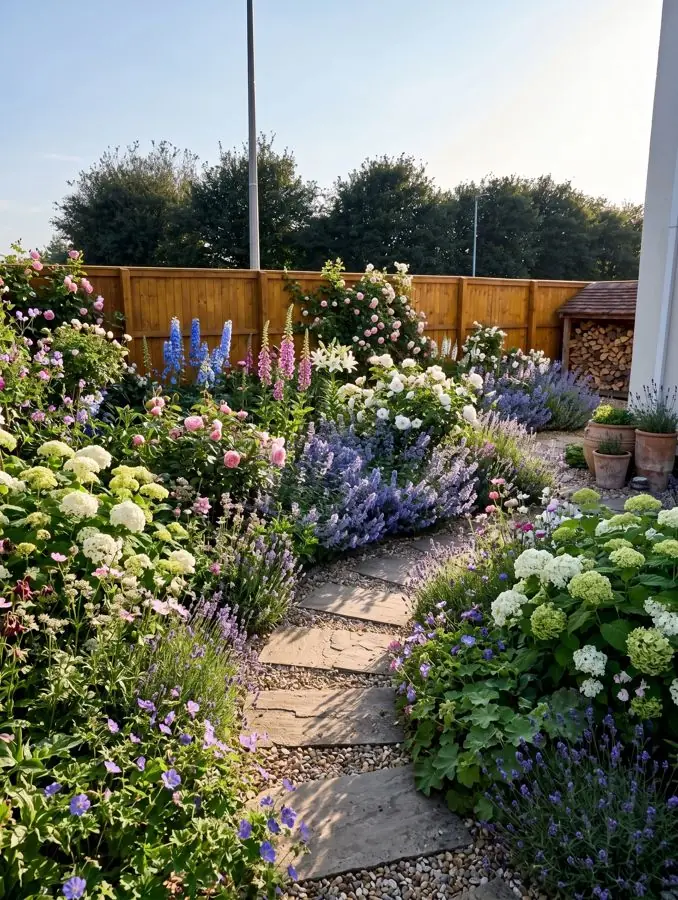
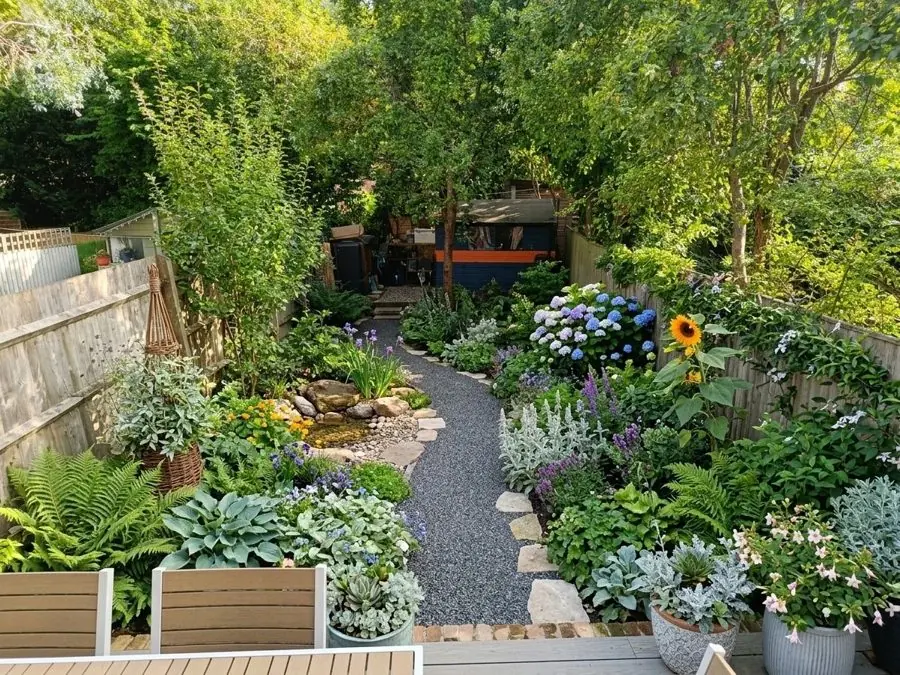
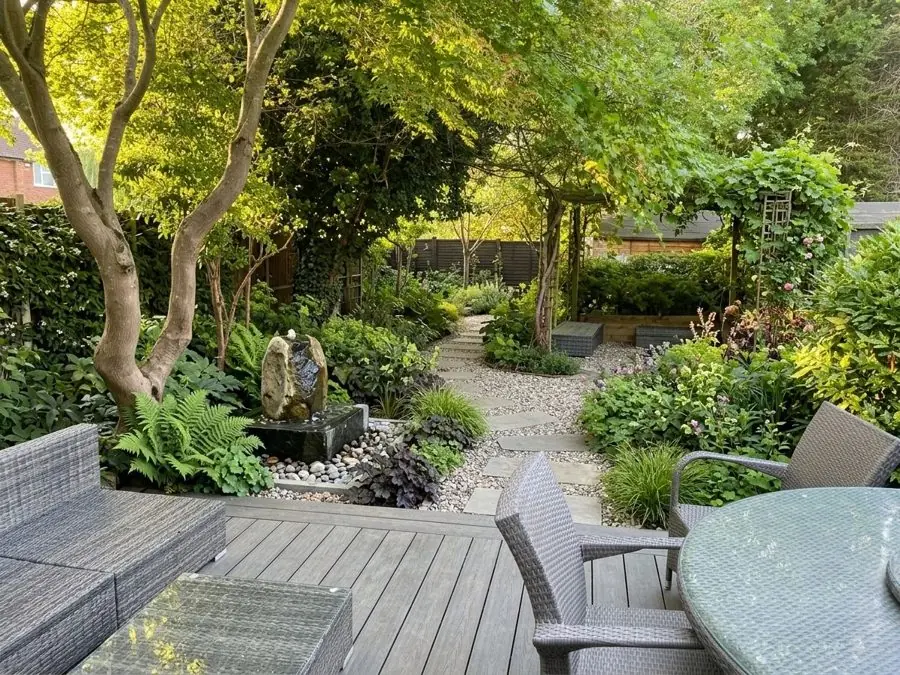
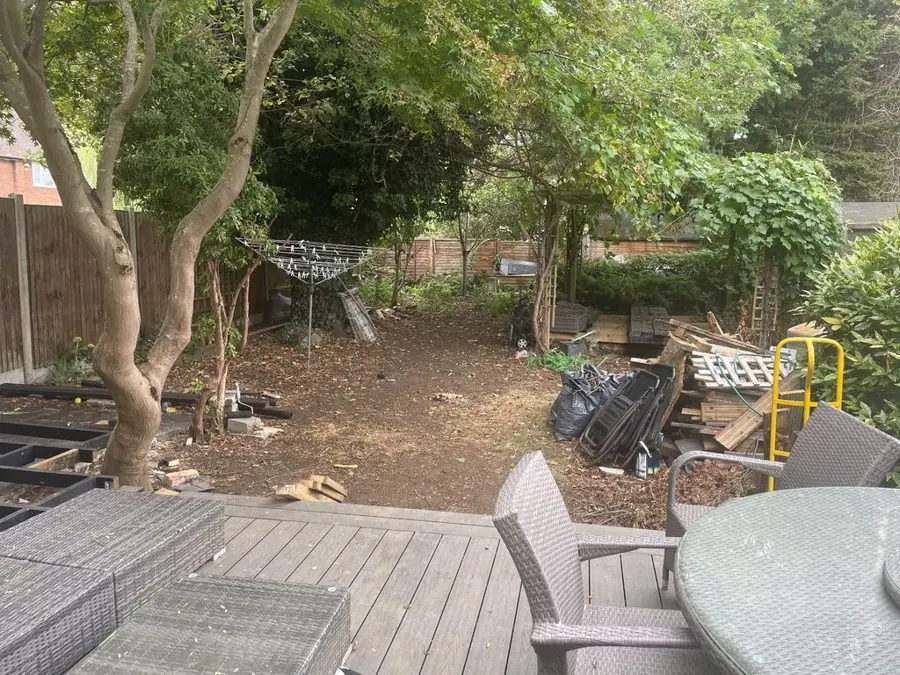
Shady garden with a water feature under trees
Before: bare earth and piles of junk beyond a deck under trees
Get this yard →First 3 designs free · No card
Got big trees, a north-facing bed or a dark corner? Add one photo, ask for it and see your yard redesigned in about a minute.
Add your ZIP code: plants picked for your USDA zone, your summer heat, your light and your soil.
Design my yardOver 500 yard designs made.
Every one is a real yard, redesigned from one photo, and each says what was there before. Tap Before to see the photo. Like one? Tap Get this yard to design your own yard in the same style, with the same plants.
Every yard here has trees overhead or right beside it, with beds, paths or seating set beneath them. 8 yards
Before: bare earth and piles of junk beyond a deck under trees
Get this yard →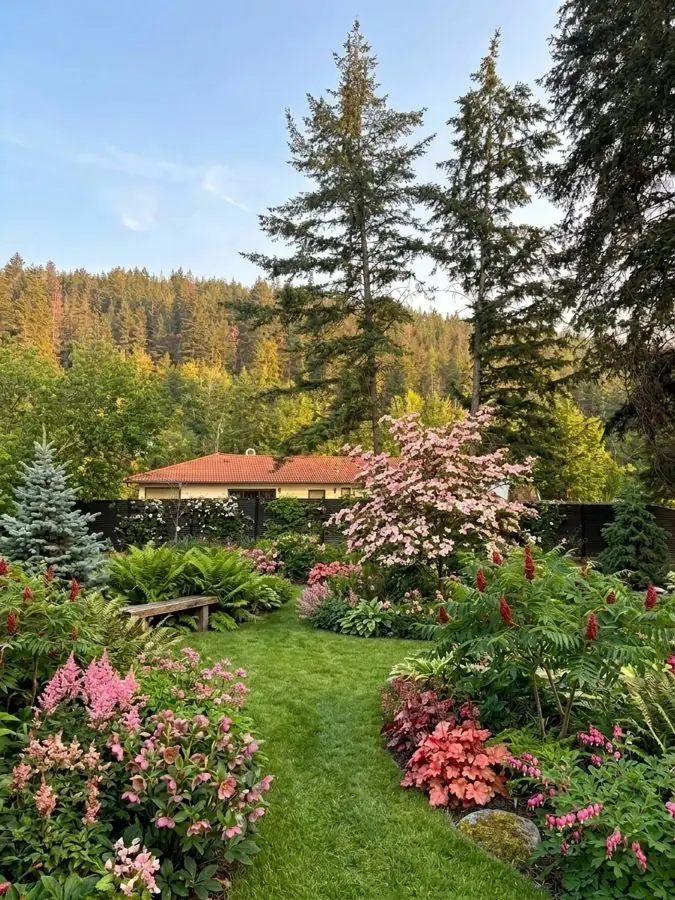
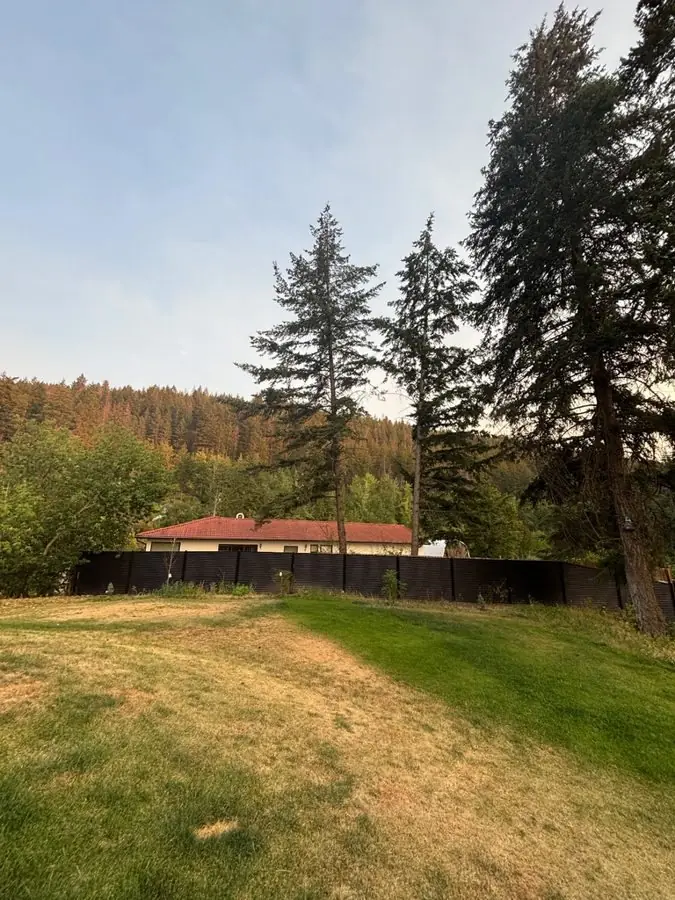
Before: a dry lawn under tall conifers with a forest behind
Get this yard →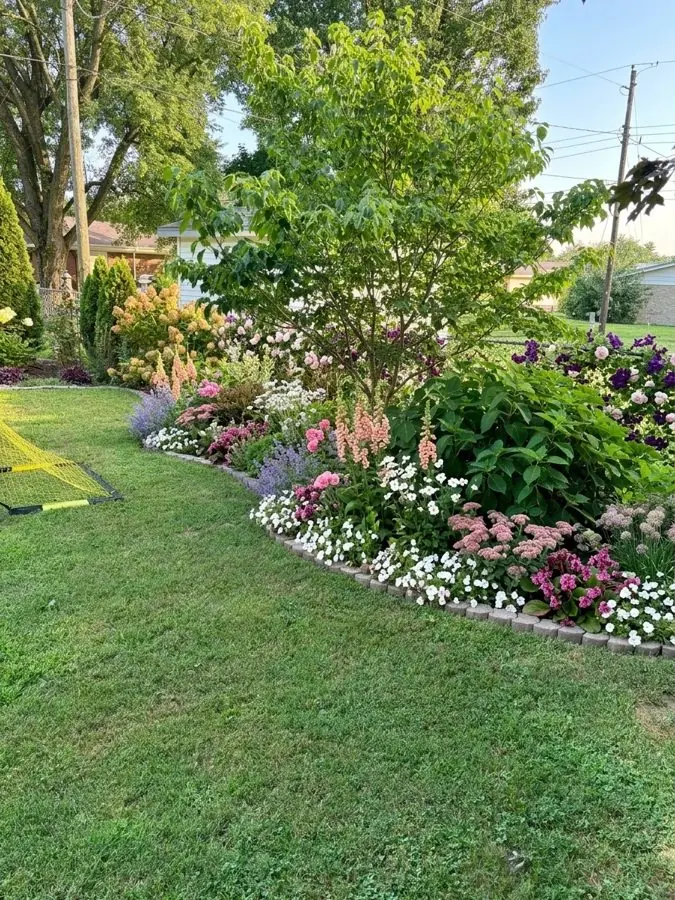
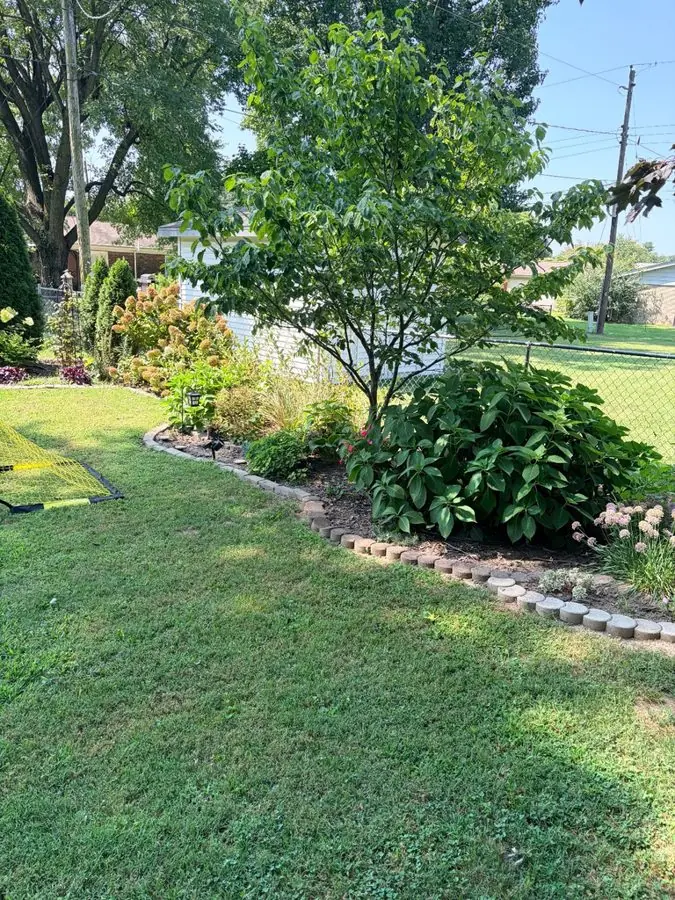
Before: a lawn with a curved brick edged bed under a young tree
Get this yard →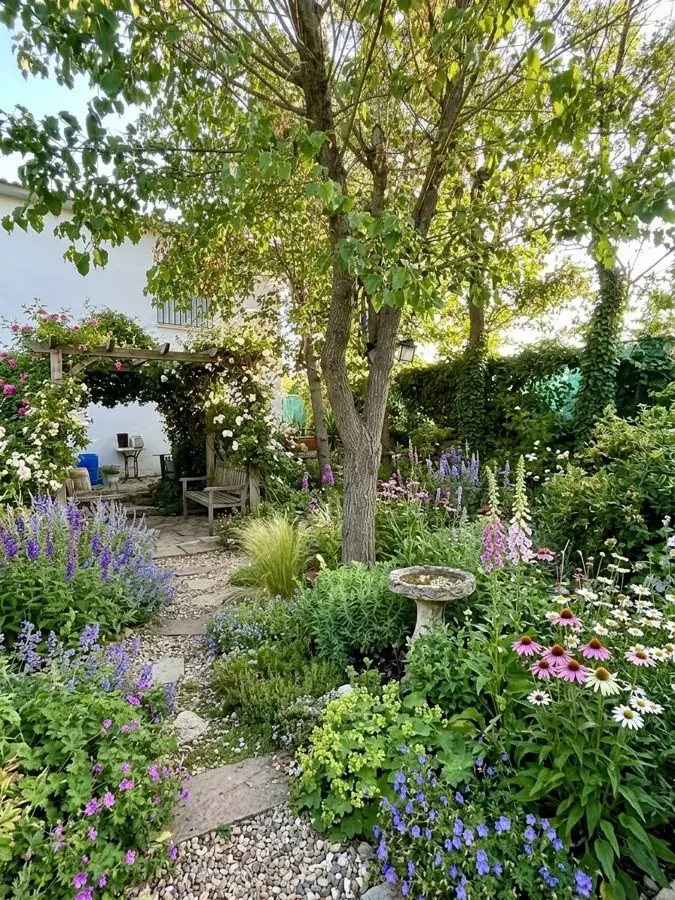
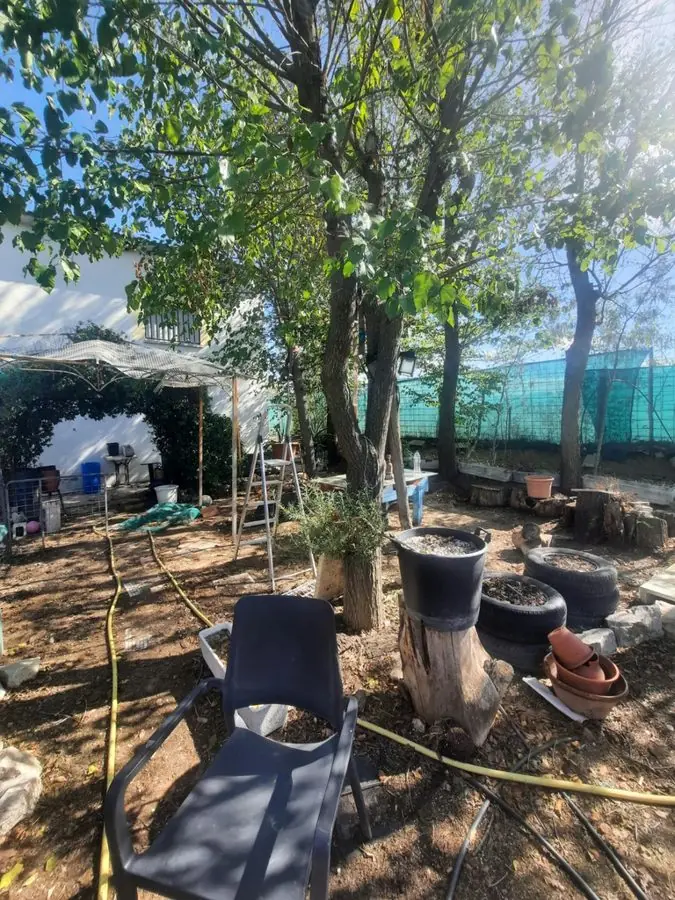
Before: bare ground under trees, cluttered with pots, chairs and a hose
Get this yard →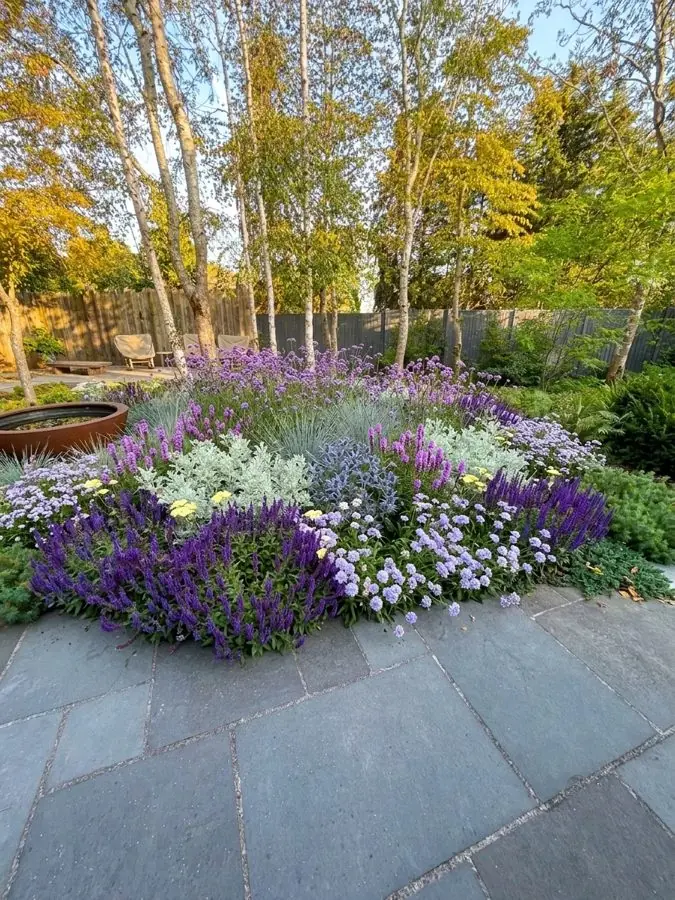
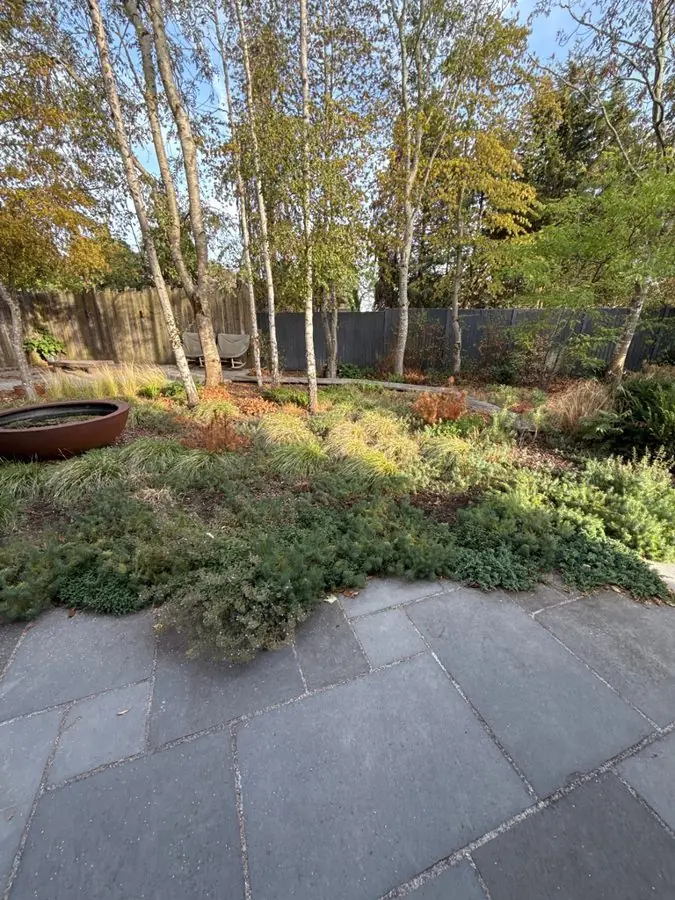
Before: low ground cover beside a slate patio under birch trees
Get this yard →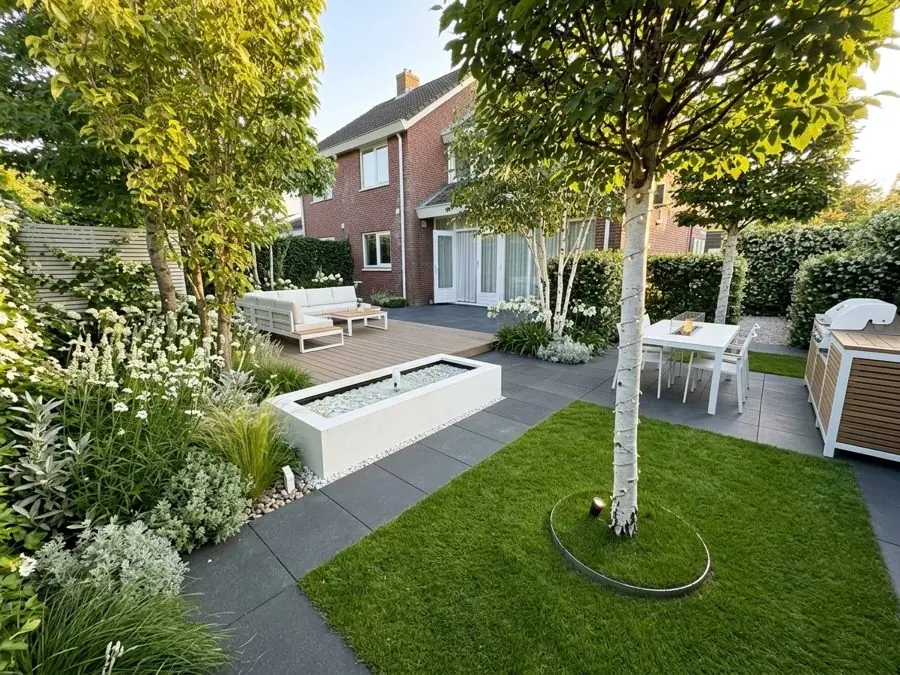
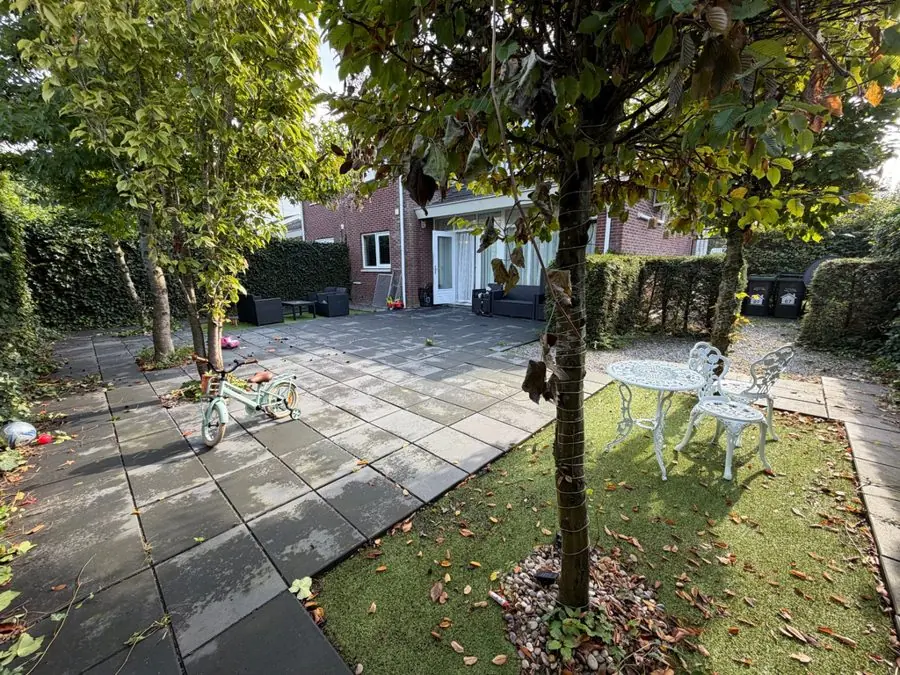
Before: a paved patio and small lawn with a tree and white table
Get this yard →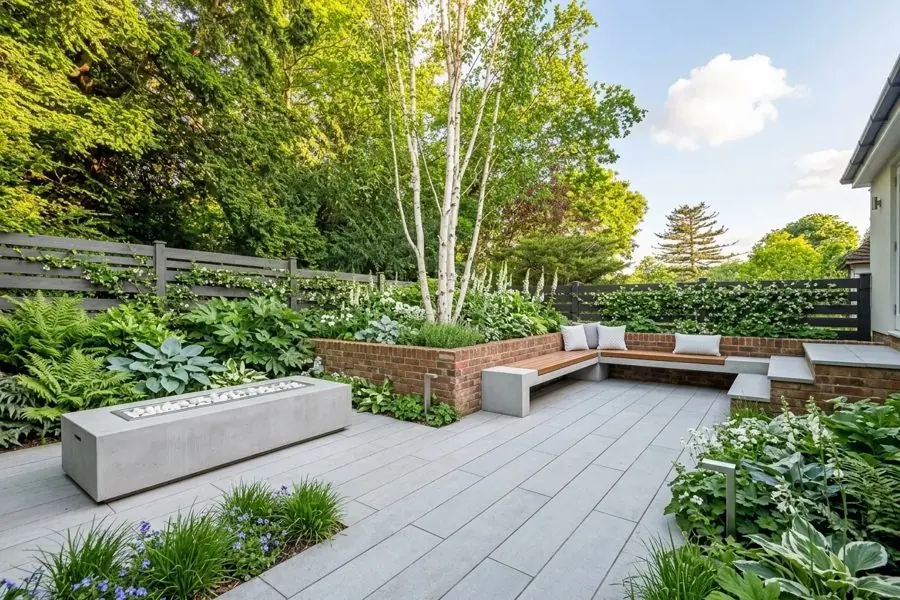
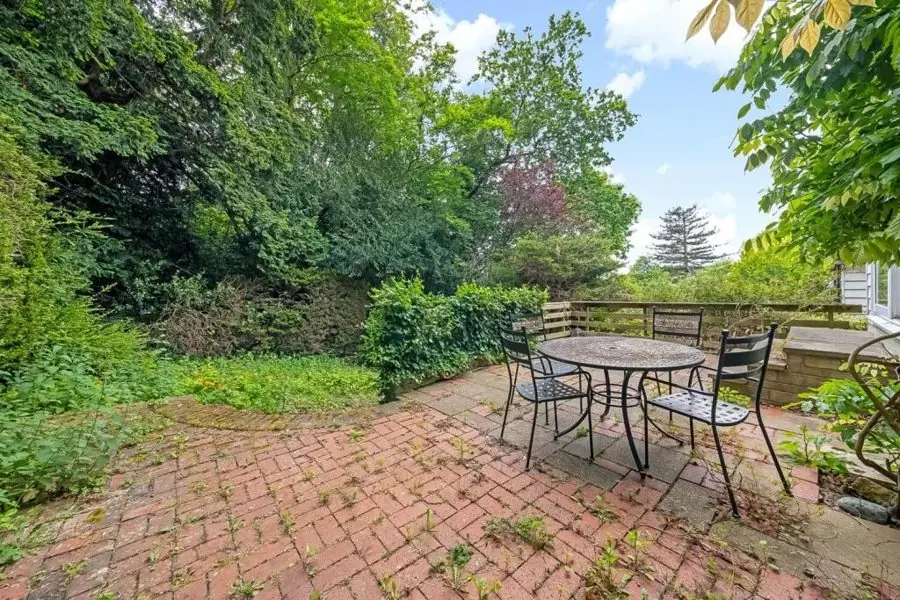
Before: a weedy brick patio with a round table and chairs
Get this yard →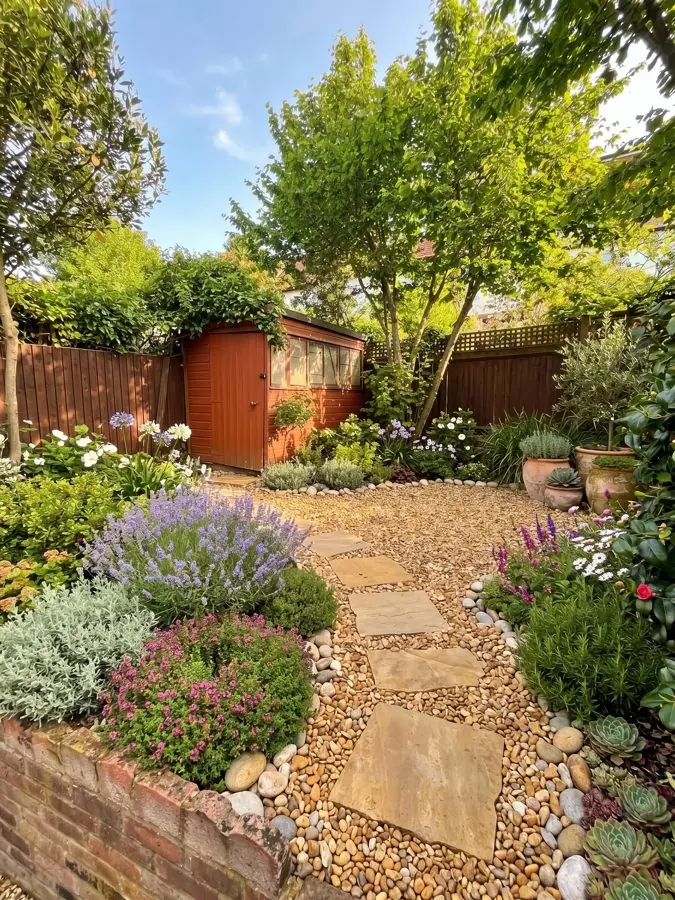
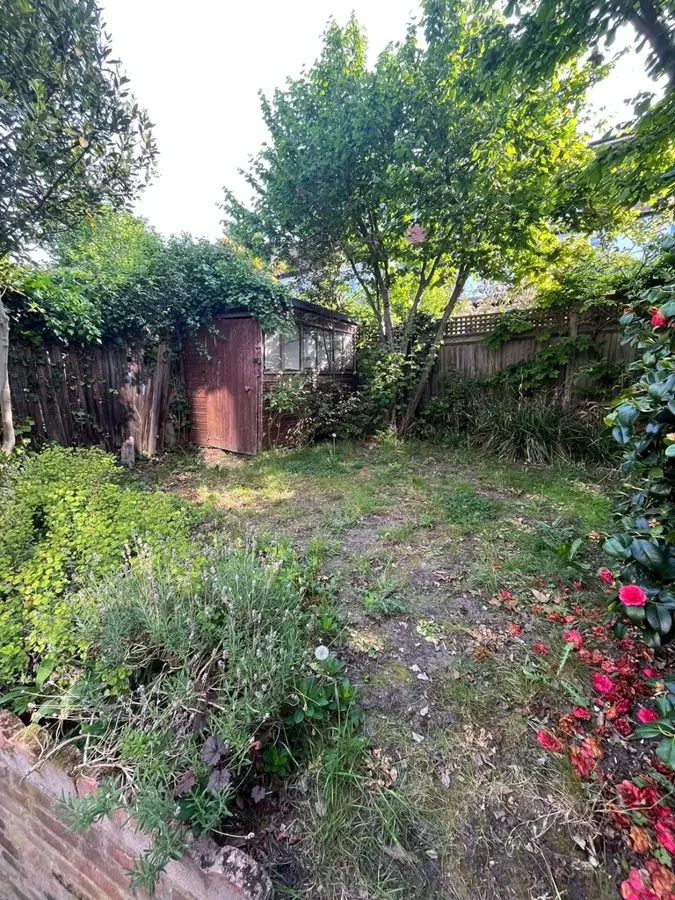
Before: an overgrown patchy lawn leading to a shed under trees
Get this yard →Every design here uses hostas, with ferns, grasses, hydrangeas or other plants around them. 6 yards
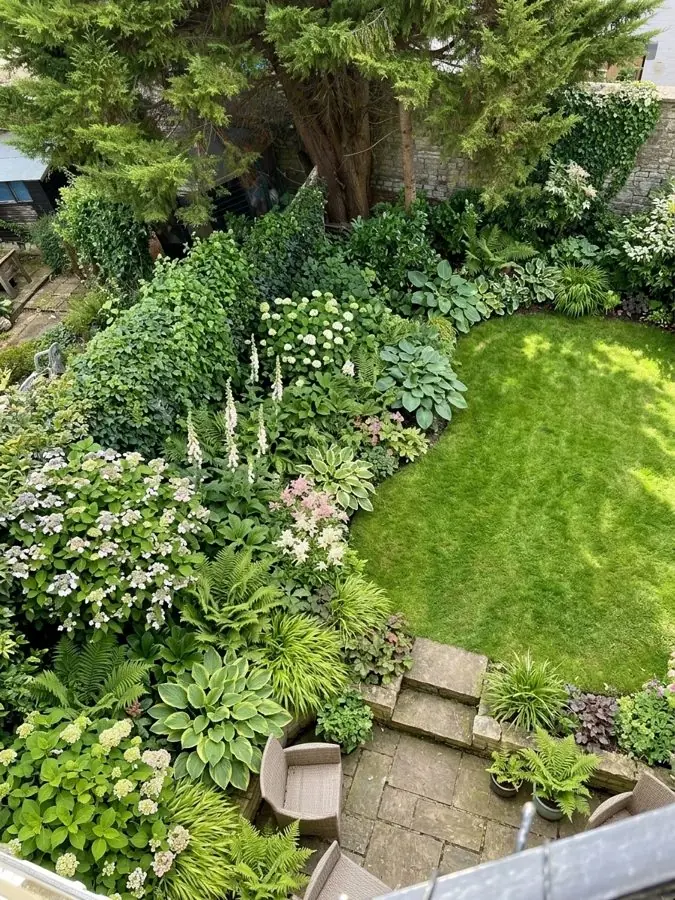
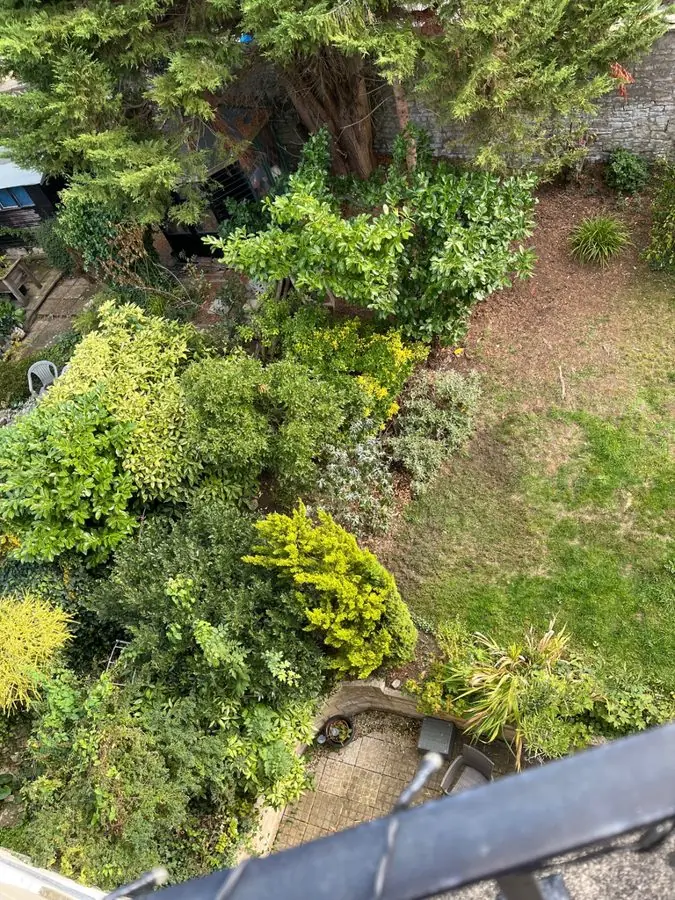
Before: an overgrown sloped yard of conifers and shrubs, seen from upstairs
Get this yard →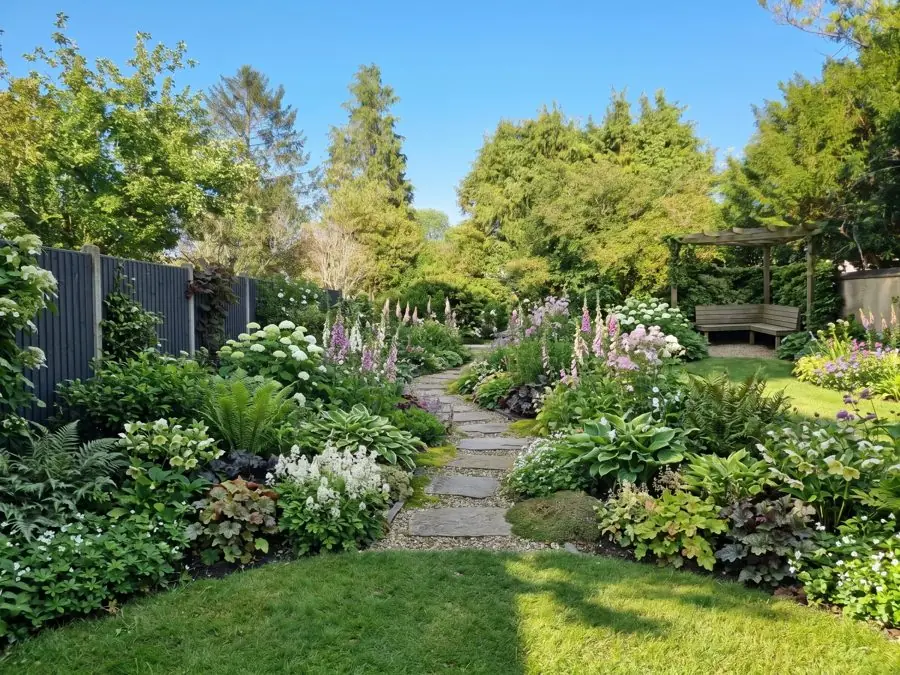
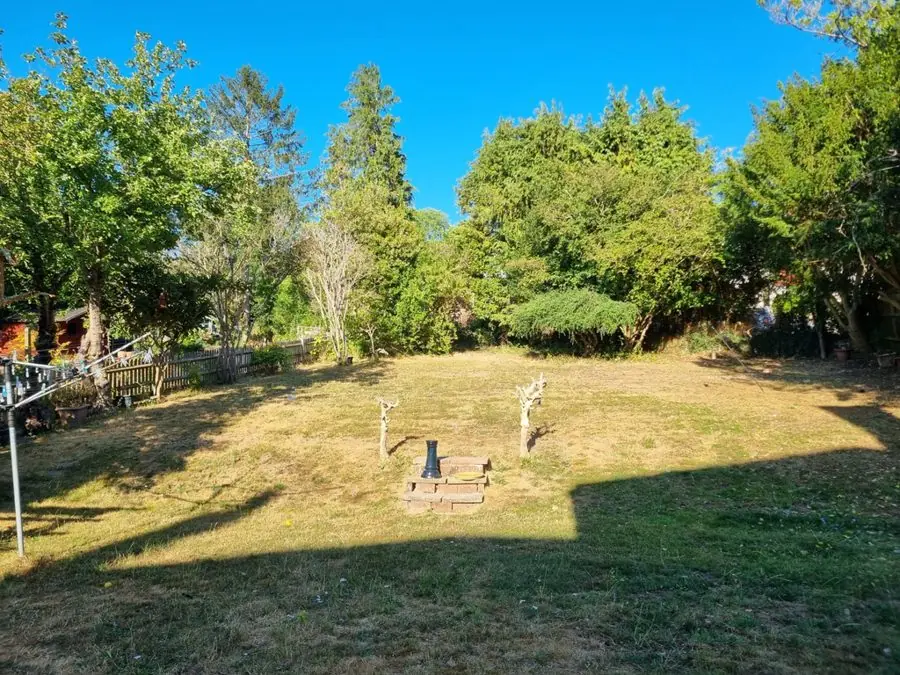
Before: a dry, patchy lawn ringed by trees with a clothesline
Get this yard →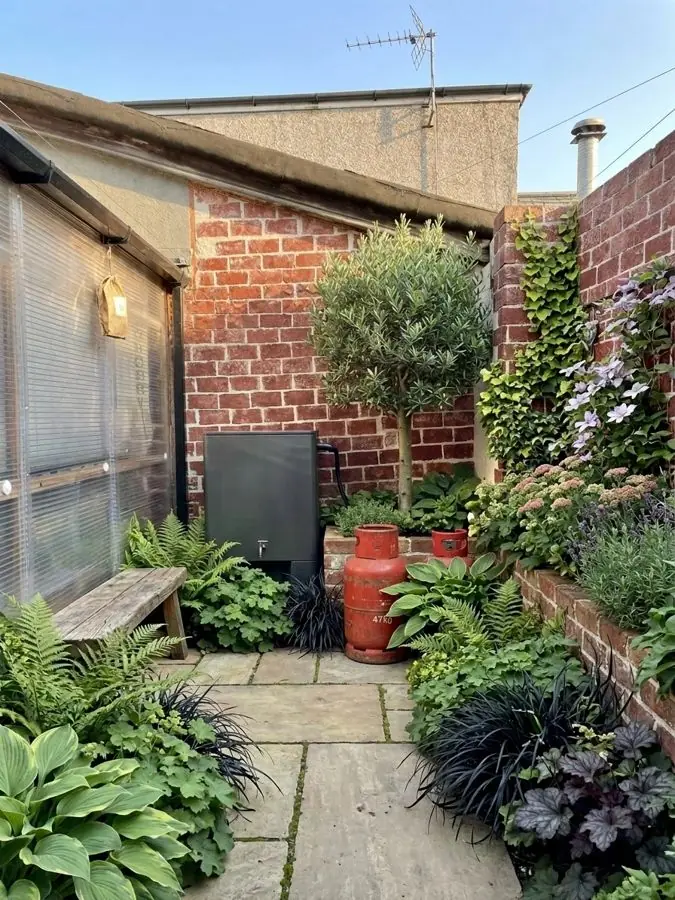
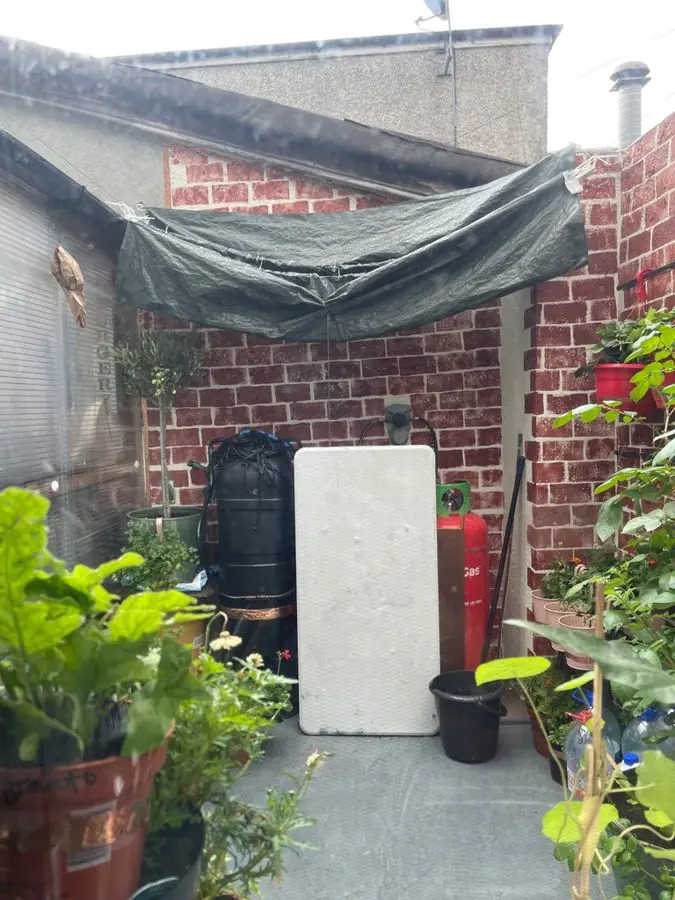
Before: a small paved yard cluttered with a tarp, pots and boards
Get this yard →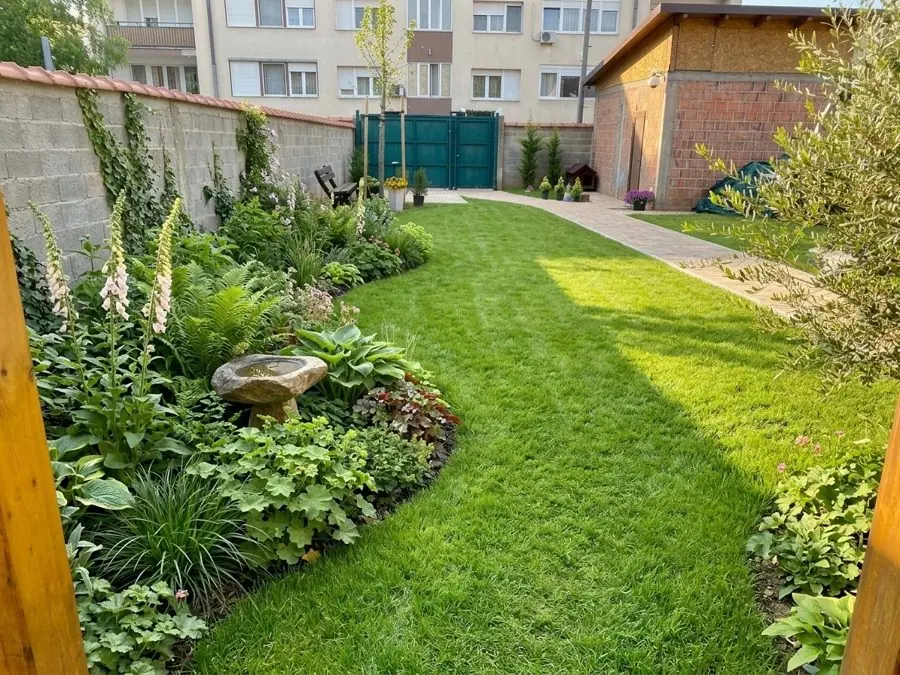
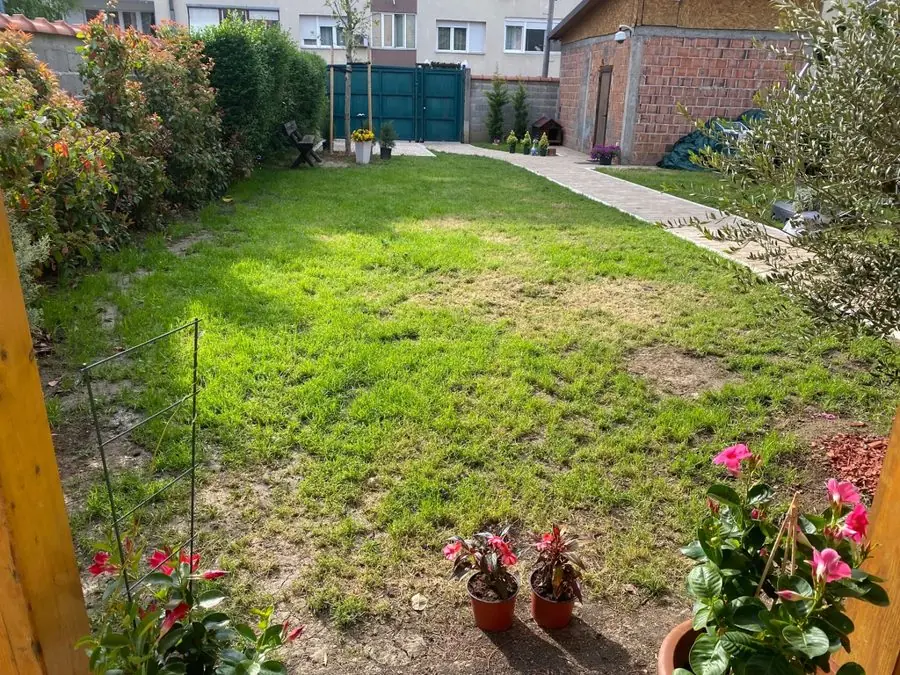
Before: a sloping lawn with a path to a green gate and potted flowers
Get this yard →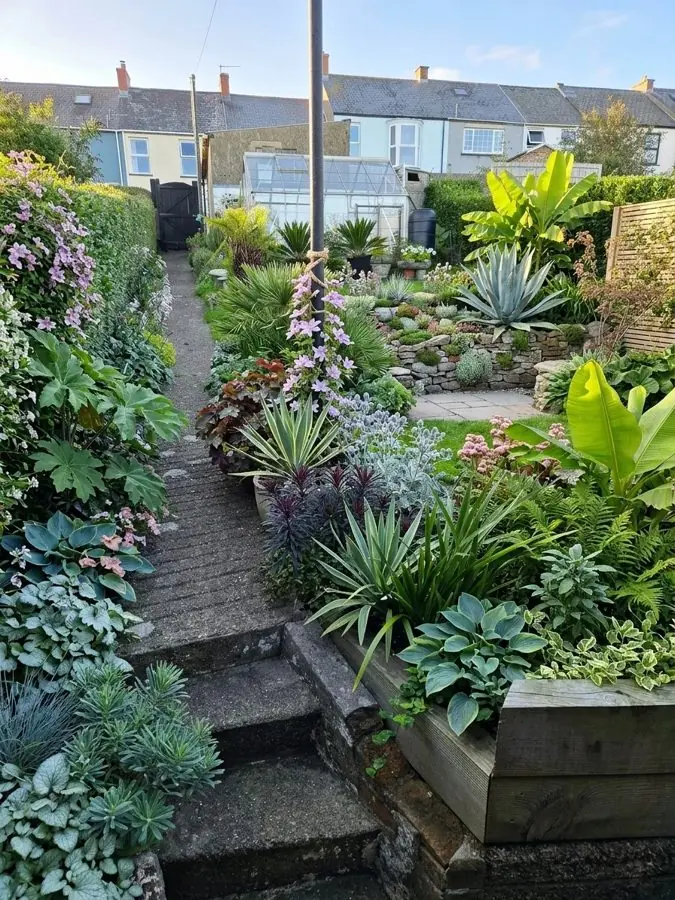
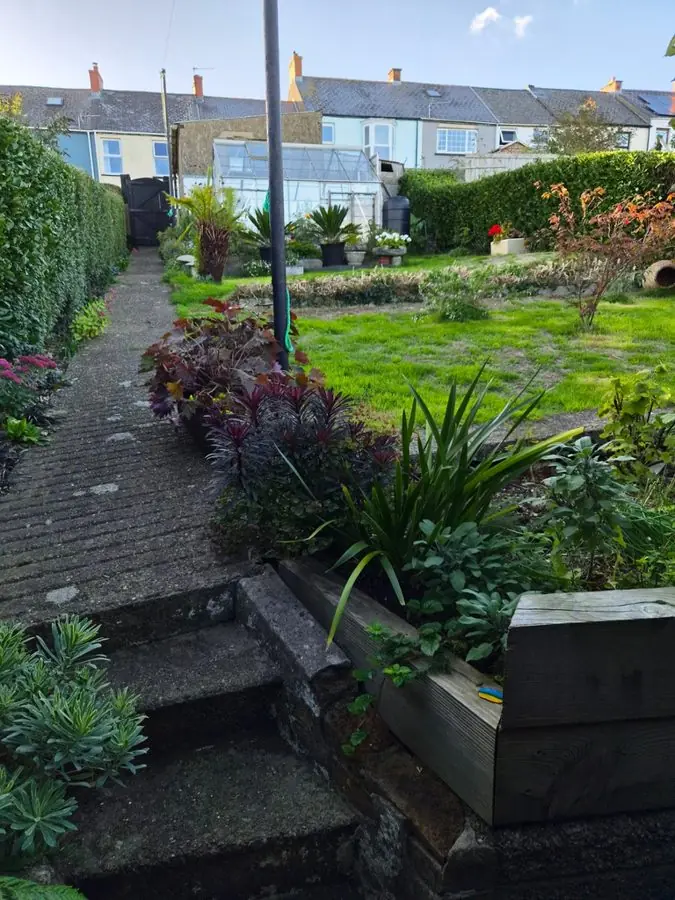
Before: brick steps beside a timber bed leading up to a lawn
Get this yard →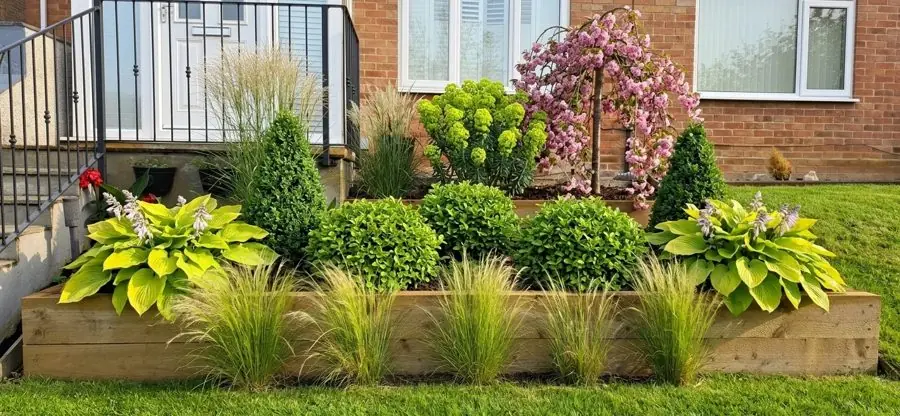
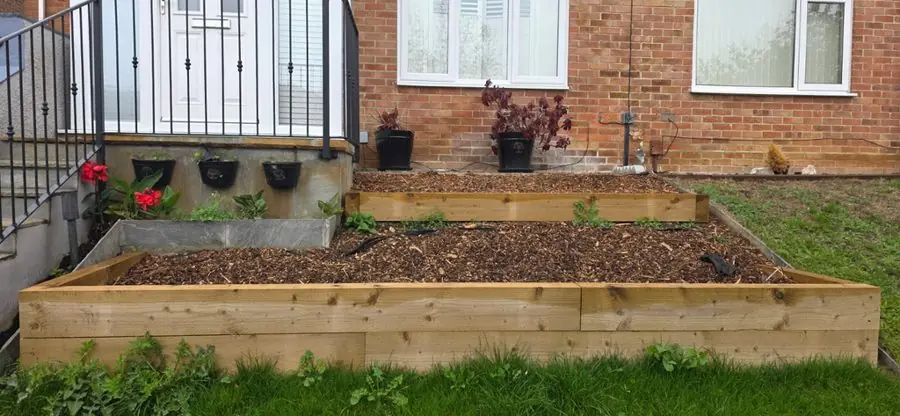
Before: an empty wooden raised bed of soil under a window
Get this yard →Take the photo in daylight from where you see the shady spot most, like the patio, the deck or the back door, so the trees, the ground under them and any path or fence nearby are in the picture.
One photo from your phone is all it takes. Your ZIP code gives us your USDA zone, so the plants we pick can live through your winters.
Pick one of 15 styles, such as Woodland shade, and a color scheme, then ask for anything you want, like "a fern and hosta bed under the maple" or "a gravel path through the trees". Keep your paths and patio, or start over with a new layout.
Your real yard, redesigned, in about a minute.
See your own yard redesigned first. When you find the look you love, Pro or Max plans turn it into a yard you can plant: $39 or $65 in the US, one payment.
See what goes into a planting plan before you choose.
Your first 3 designs are free.
Watermarked and lower quality. No card needed.
| One payment, no subscription. | ||
| What you get | ||
| Designs | 20 | 50 |
| Days to use them | 14 | 30 |
| Free designs on top | 5 | 10 |
| Designs at once, side by side | 2 | 4 |
| With every design | ||
| Every plant named, ready to buy | ||
| The materials, gravel to fence, with whole yard designs | ||
| Care guide and flowering calendar | ||
| Higher quality images | ||
| No watermark | ||
| Change any design in your own words | ||
The pot size to buy and how tall each grows. Measured borders also say how many to buy.
| Plant | Pot | Height |
|---|---|---|
| Catmint 'Walker's Low'Nepeta × faassenii | Quart to 1 gal | 4 to 20 in |
| Avens 'Totally Tangerine'Geum | 1 gal | 20 in to 3 ft |
| Giant montbretiaCrocosmia masoniorum | 1 gal | 3 to 5 ft |
| Tellmann's honeysuckleLonicera × tellmanniana | 1 to 2 gal | 8 to 13 ft |
Where it grows best, how to prune it and how it gets through winter.
Every plant, the months it flowers, in its own color.
Avens 'Totally Tangerine'
Catmint 'Walker's Low'
Clematis 'The President'
Lady's mantle
Higher quality images of your design, yours to keep.
 gardendesignapp.ai
Say what you want different, and see it redrawn.
On whole yard designs: the pavers, gravel, edging and fence in the picture.
Anywhere in the US, we take your ZIP code and choose plants suited to your zone, your light and your soil.
How much shade you have, how to lay it out and plant it, how to plant under trees without hurting them, and how to see it on your own yard first.
Good ideas for a shade garden begin with how much direct sun the spot gets, so watch it a few times on a clear day. Most plant tags use rough terms like these: full sun means six or more hours of direct sun a day, part shade means about three to six hours, best in the morning, and full shade means less than three hours, with bright or dappled light the rest of the day. Deep shade, under evergreens or on the north side of a house, gets almost no direct sun. Shade also changes through the year: under a maple or an oak the ground gets spring sun before the leaves come out, which is why spring bulbs do well there. Most shade garden ideas you see online come from gardens that have had years to fill in, so expect a new planting to look sparse at first.
In shade, leaves do more of the work than flowers. Gold, lime, silver and variegated leaves and white flowers show up in low light and brighten a dark corner. Put big, broad leaves like hostas next to fine ones like ferns so the textures stand apart, and plant three or five of one plant together rather than one of everything. Layer it the way a woodland grows: a small tree or shrubs at the back, perennials in the middle and a ground cover in front. Most perennial shade garden ideas have few flowers in high summer and die back in winter, so a few shrubs and evergreens keep the bed from looking empty. A path, a bench or a birdbath gives you a reason to walk into a shady corner instead of only looking at it from the house. Space plants by their size when grown, not their size in the pot.
Hostas are where most people start, and there are thousands of varieties, from small edging plants to clumps several feet wide. Most do well in part shade or light shade, and many like a little morning sun; blue-leaved ones usually hold their color best in shade, while many gold ones color up better with a few hours of sun. Hosta garden ideas often pair them with ferns, heucheras, astilbes, bleeding hearts and Solomon's seal, and with spring bulbs whose fading leaves the hostas cover as they open. Deer eat hostas in many areas and slugs chew the leaves, and what deer eat varies by area, so ask your county extension office what gets eaten where you live before planting a lot of them. Under a big tree, hostas compete with the roots for water, so water them through their first summer.
Most of a tree's roots sit in the top foot or so of soil and spread well past its branches, so landscaping around trees means working between those roots, not on top of them. Add only a thin layer of soil and mulch over the roots, keep mulch a few inches off the trunk and never pile soil against it: a raised ring of soil and stone around the trunk can slowly kill a tree. Plant small plants from small pots in the gaps between roots, using a hand trowel rather than a spade, and avoid cutting through larger roots. A flower bed around trees works best as a wide, flat ring of small plants and mulch. Good landscaping ideas around tree roots that rise above the lawn are simple: cover them with mulch instead of soil, or plant a ground cover between them, rather than cutting them out. Edging around a tree is best kept shallow, since a deep trench or a ring of stones dug into the ground cuts every root it crosses. Before landscaping around a tree that is old, large or close to the house, a certified arborist can tell you what it will put up with.
Gardening under trees is harder than shade alone suggests, because the canopy keeps off rain and the roots take most of the water that does fall. This is dry shade, and it suits fewer plants than moist shade, so water new plants through their first season or two and look for plants sold for dry shade in your zone. Lawn usually thins under trees because it wants more sun, so a bed or a ground cover tends to do better there than more grass seed. Gardening around trees can also mean pots: some extension services suggest containers set on top of the roots where nothing will grow in the ground. Landscaping under pine trees is a little different again: the shade is often lighter, the soil is dry, and fallen needles make a good mulch that changes the soil's acidity far less than is often said. Where little will grow, landscaping under trees can simply be a wide circle of mulch with a bench, a path or a few pots.
What grows depends on your zone, your soil and how dry the shade is, so treat these as names to look up rather than a list to buy. For leaves, hostas, ferns, heucheras and hellebores are the usual start; for flowers, astilbes in moist shade, bleeding hearts, foxgloves and Solomon's seal. Hydrangeas and azaleas usually flower best with some morning sun, and azaleas and rhododendrons need acid soil. Some ground covers sold for shade, such as English ivy, are invasive in many states, so check your state's invasive plant list first. We pick from more than 1,400 plants by the USDA zone your ZIP code gives us, but we do not mark which are native, so ask a local nursery or your extension office if native plants matter to you.
A soil test through your county extension service tells you the pH and what your soil lacks, usually for a small fee, before you buy anything to add. Spread mulch about 2 to 3 inches deep on open beds, only a thin layer over tree roots, and keep it a few inches clear of stems and trunks. Call 811 a few working days before you dig, even for small plants, since some buried lines are shallow. Check your HOA rules too, which sometimes cover what can be planted or removed in a front yard, and some towns and cities have rules about cutting down large trees.
This draws a design and names plants. It reads the light only as far as your photo shows it, so it does not measure how many hours of sun a spot gets; say how shady it is in your request, like "full shade under the oak". It does not survey, price, build or install anything, and it does not work out how much soil, mulch or stone you need. Pruning or taking down a tree belongs with a certified arborist, and you should call 811 before anyone digs. You can take the design to whoever does the work, or plant it yourself.

Tired of mowing? See lawn alternatives like gravel, meadow and ground cover on your own yard.

Planning beds full of color? See flower bed ideas drawn into a photo of your yard.

Got a bare fence to soften? See fence line landscaping drawn into a photo of your yard.

Got a narrow strip beside the house? Side yard landscaping shows what can work there.

Love roses and foxgloves? See cottage garden ideas drawn into a photo of your yard.

Thinking about stone instead of lawn? See rock landscaping ideas drawn into a photo of your yard.

Ready to plant? See what goes into a planting plan: every plant, how big each grows and where it goes.
Keep it shallow and small. Clear grass and weeds by hand, add only a thin layer of soil and mulch over the roots, keep mulch off the trunk, and plant small, shade-tolerant plants in the gaps between roots. Water them through their first season, since the tree takes most of the water.
There is no single best plant: it depends on how much light gets through, how dry the soil is and your zone. Ground covers, ferns, hostas, heucheras and spring bulbs are common choices, planted small. Where nothing takes, a wide ring of mulch is kinder to the tree than grass.
It is a rule of thumb rather than a standard: plant in groups of three, five or seven of the same plant, because odd numbers tend to look more natural than pairs or rows.
As most plant tags use them, part shade means about three to six hours of direct sun a day and full shade means less than three. Count the hours on a clear day, and remember the same spot can get more sun in spring, before the trees leaf out.
In many areas, yes, and slugs and rabbits eat them too. What deer eat varies by area and by year, so ask your county extension office what gets eaten near you.
Only as far as your photo shows. It does not measure hours of sun, so say how shady the spot is in your request, like "full shade under the maple".
Add one photo, pick a style such as Woodland shade and ask for what you want, like "a fern and hosta bed under the maple". You see your yard redesigned in about a minute, and your first 3 designs are free.
No. It draws the design. Pro or Max adds the plant list, with each plant named and its pot size, and how many to buy on measured borders; on a design of the whole yard it also lists the materials shown in the picture. A local garden center or landscaper can measure and price the work.
Your ZIP code gives us your USDA zone and your summer heat, and the plants come from a list of more than 1,400 chosen for your winters, your light and your soil.
Yes, it is free and recommended for any digging, and many states require it. Call a few working days ahead so buried lines can be marked.
No. It runs in your browser, on a phone or a computer.
Add one photo of your yard and see it redesigned in about a minute. Your first 3 designs are free, with no card.
Design my yard