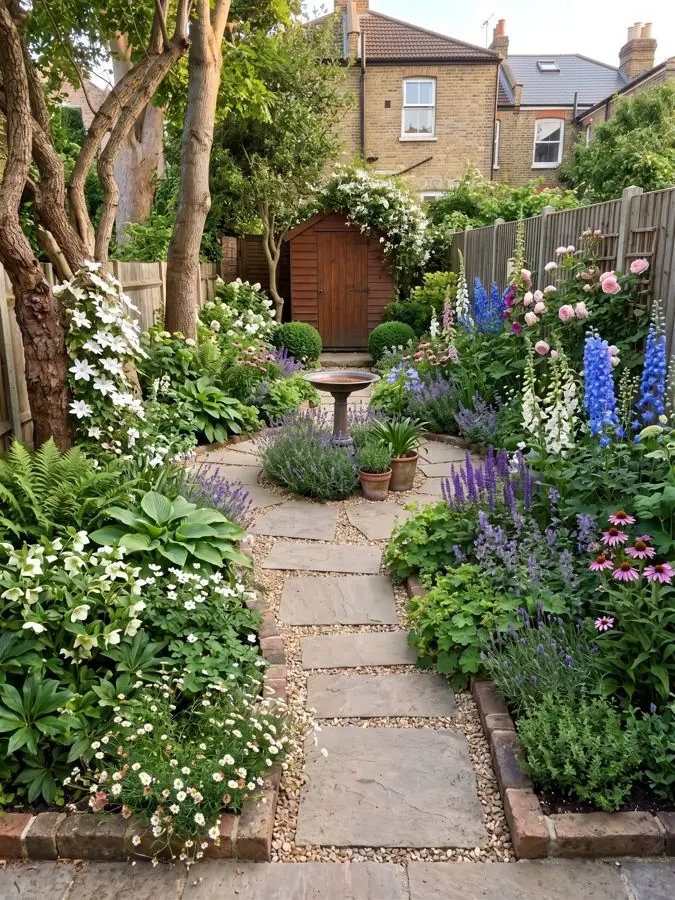
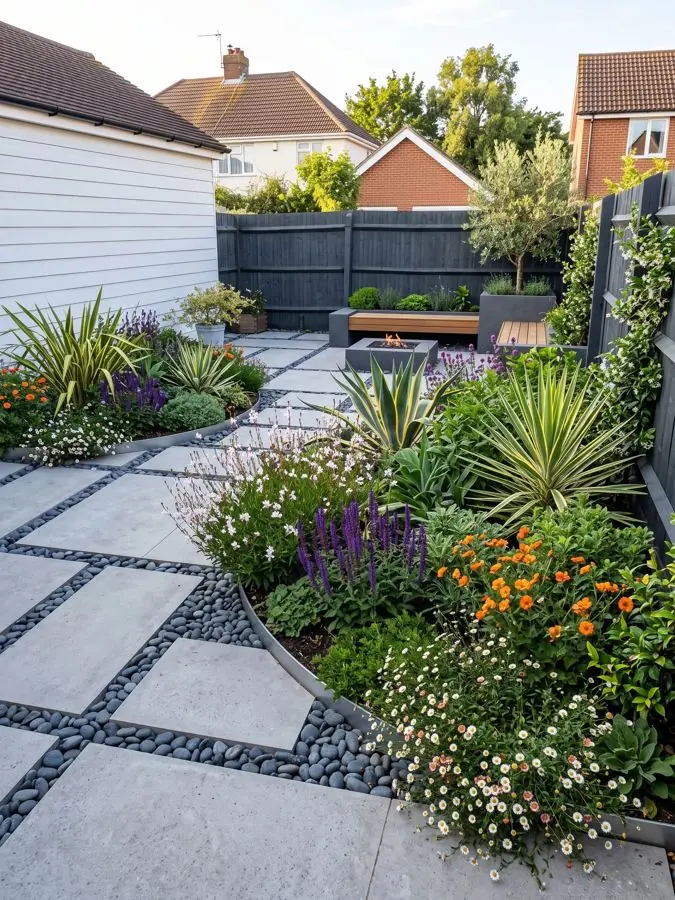
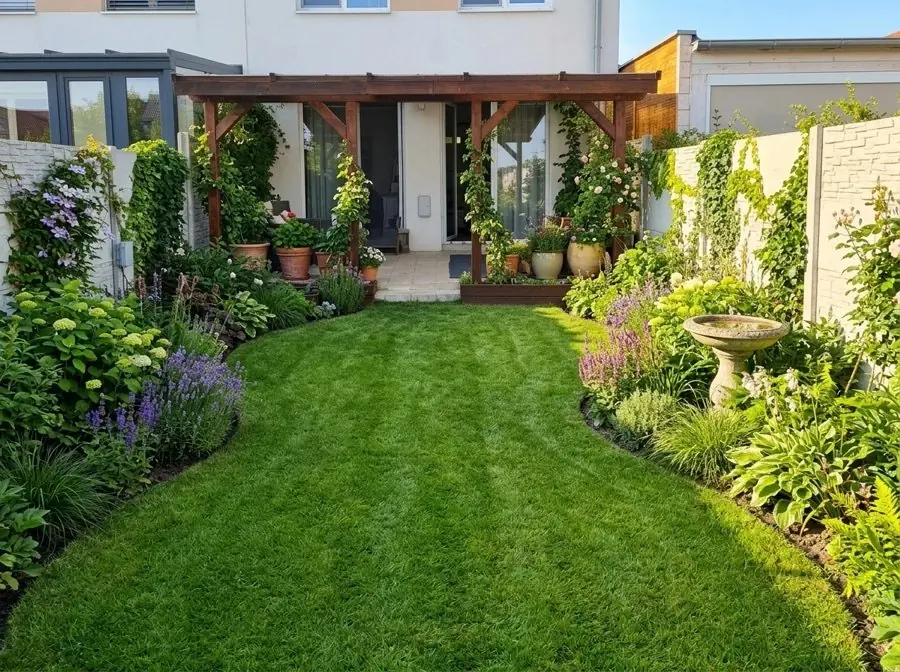
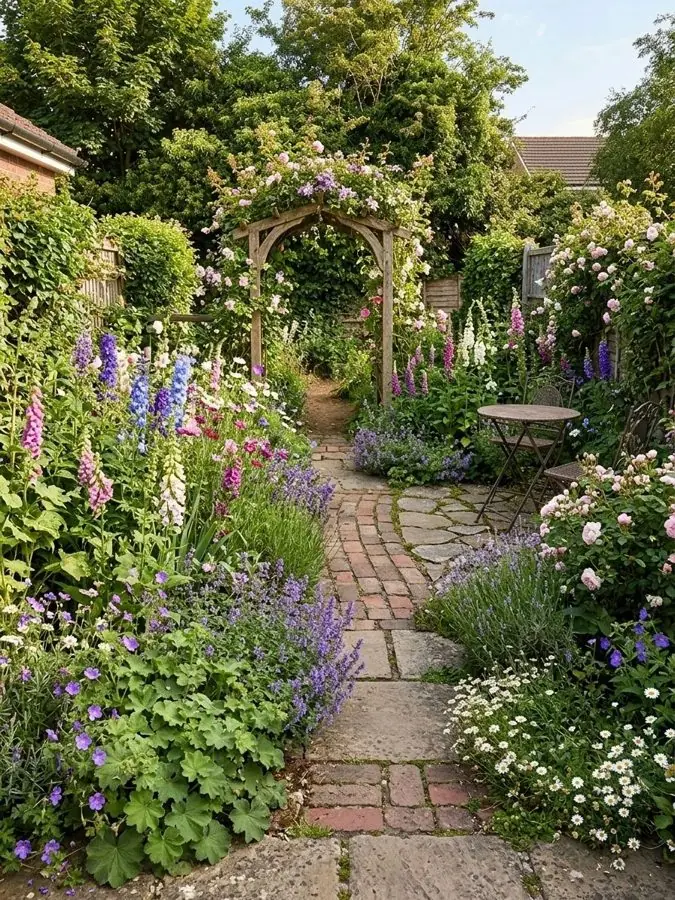
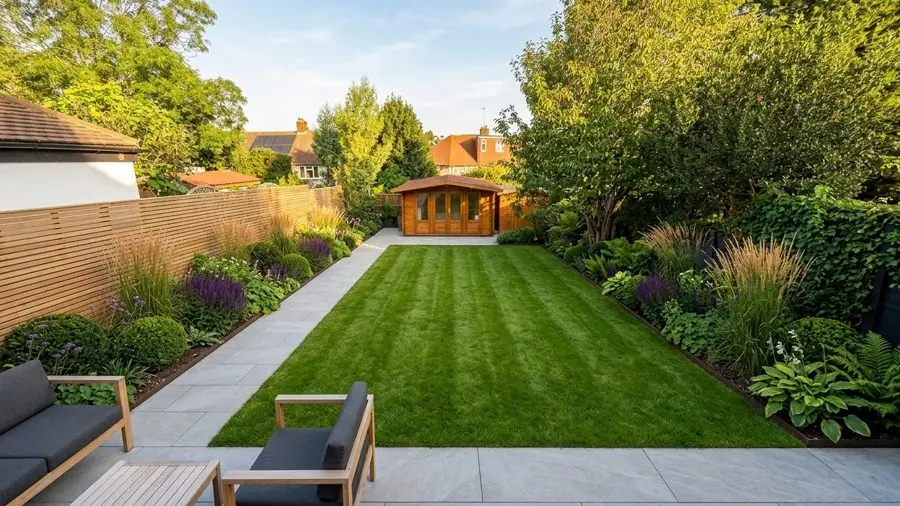
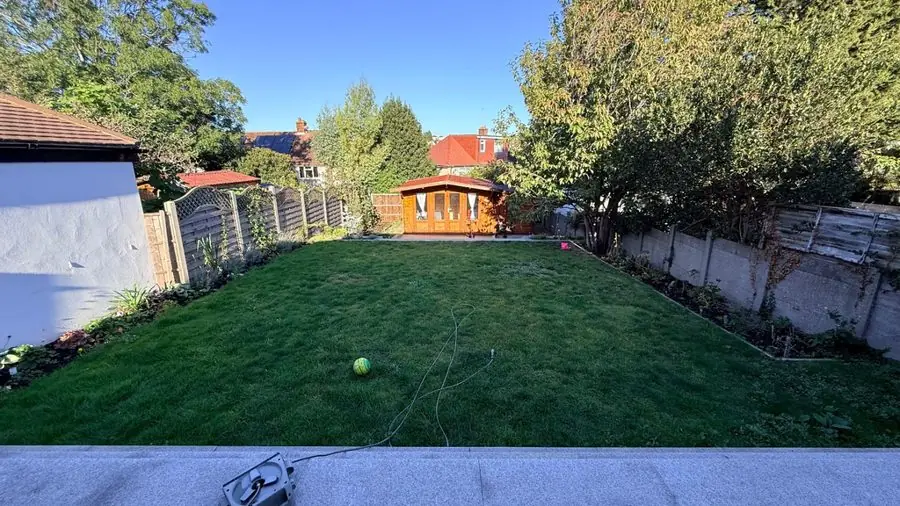
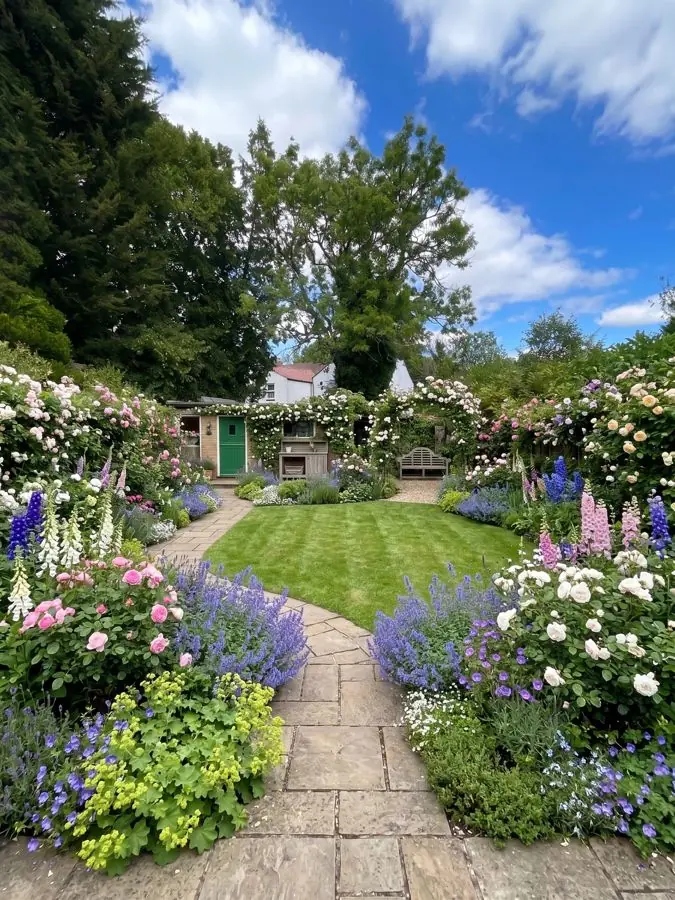
Striped lawn to a garden house
Before: a plain lawn between fences with a garden house at the end
Get this yard →First 3 designs free · No card
Got a bare fence to plant up? Add one photo, ask for a border, climbers or trees and see your yard redesigned in about a minute.
Add your ZIP code: plants picked for your USDA zone, your summer heat, your light and your soil.
Design my yardOver 500 yard designs made.
Every one is a real yard, redesigned from one photo, and each says what was there before. Tap Before to see the photo. Like one? Tap Get this yard to design your own yard in the same style, with the same plants.
Each has a bed or border running along a fence, in front of a lawn, a path, gravel or a place to sit. 8 yards
Before: a plain lawn between fences with a garden house at the end
Get this yard →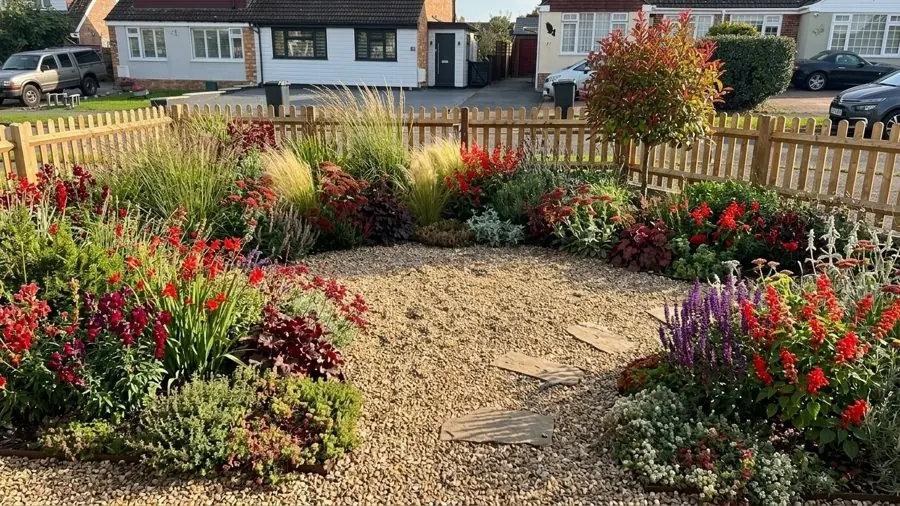
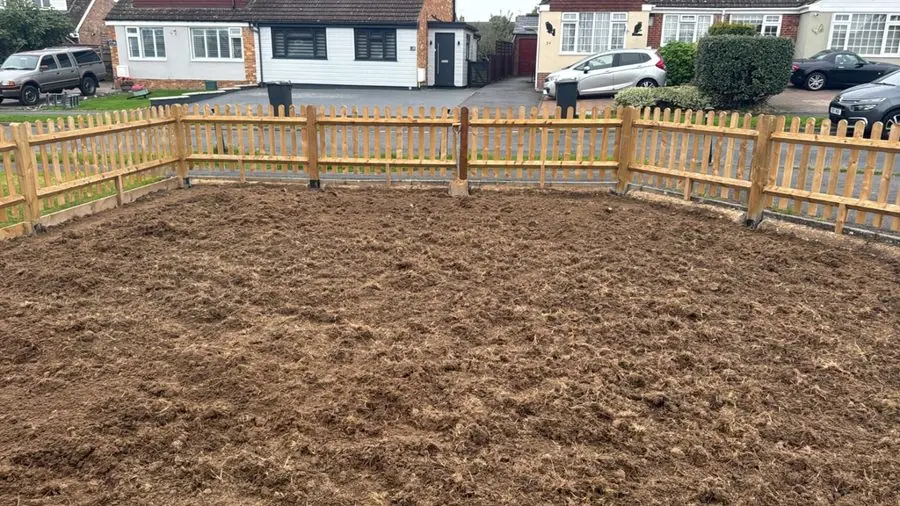
Before: bare raked soil inside a wooden picket fence facing the road
Get this yard →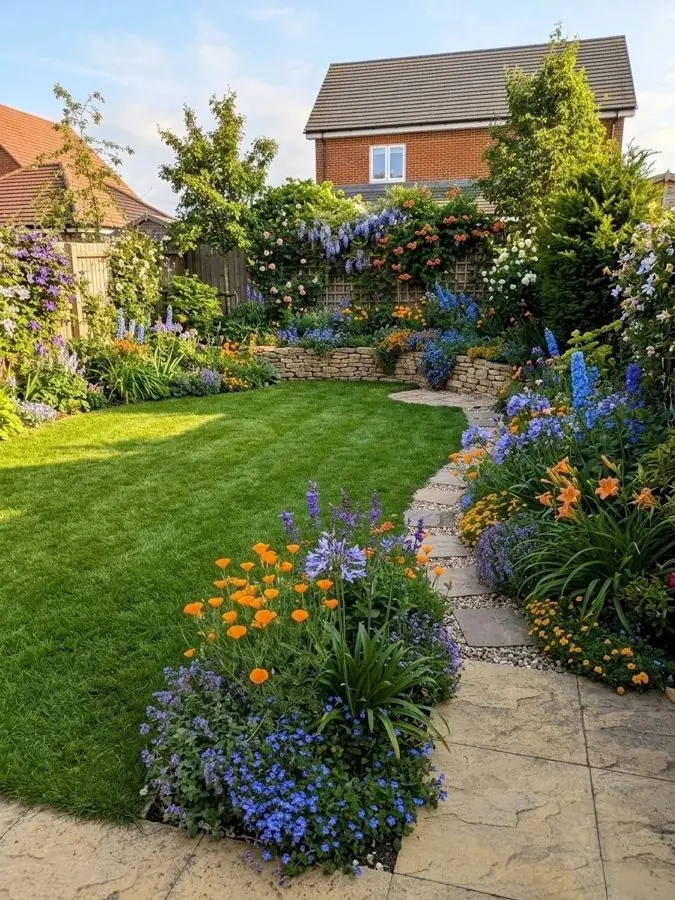
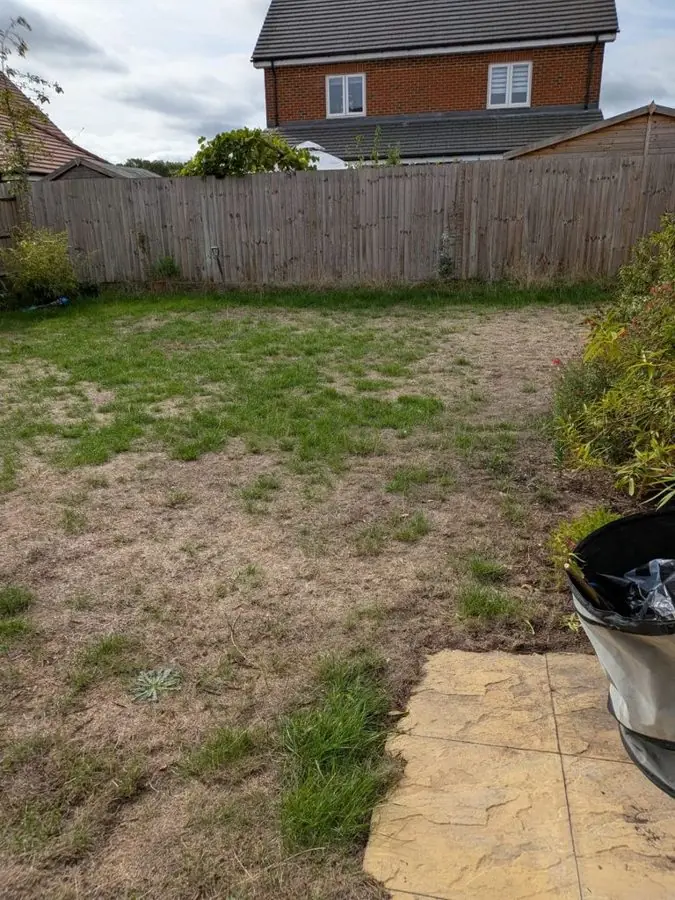
Before: a patchy dry lawn with a wooden fence and paved corner
Get this yard →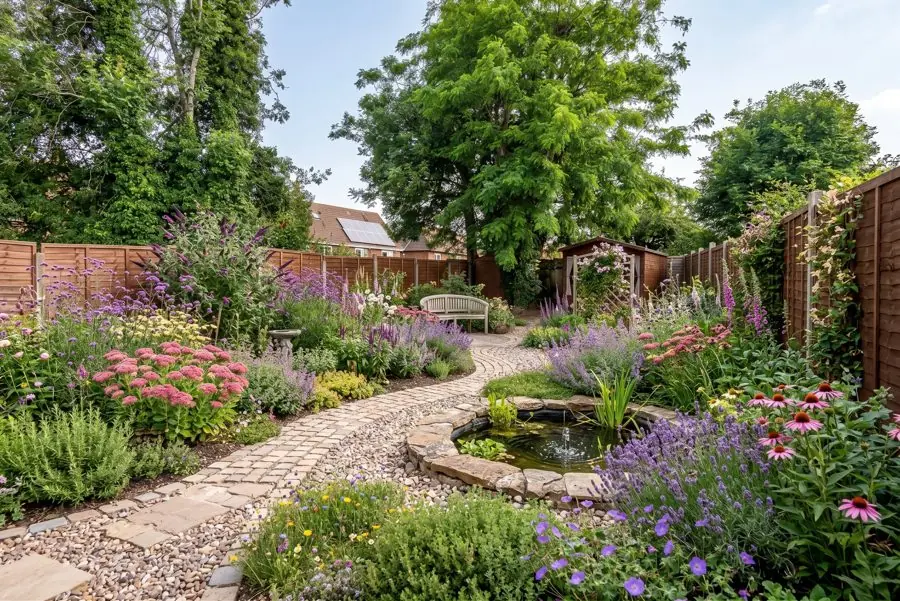
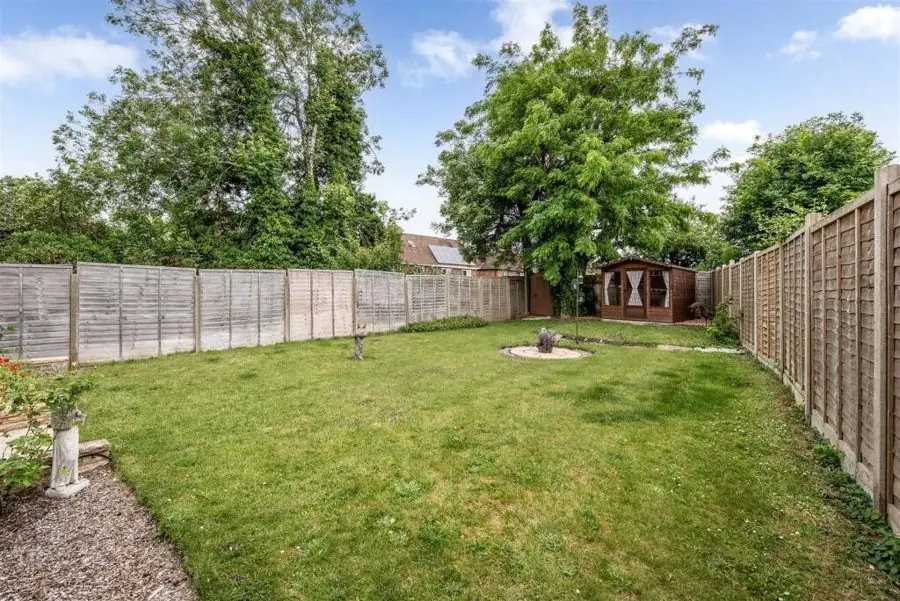
Before: a long lawn between panel fences with a garden house at the end
Get this yard →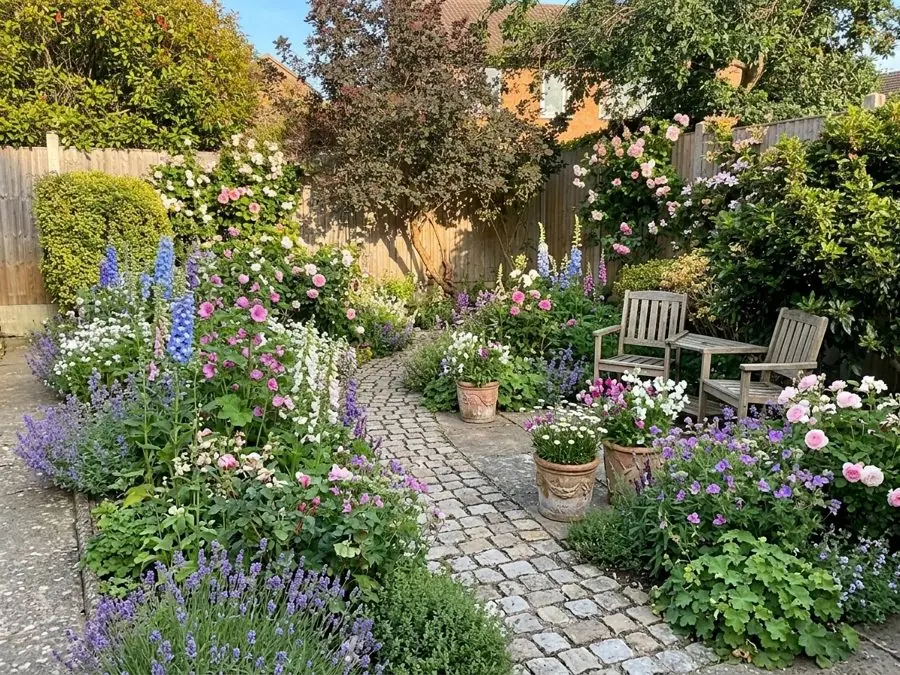
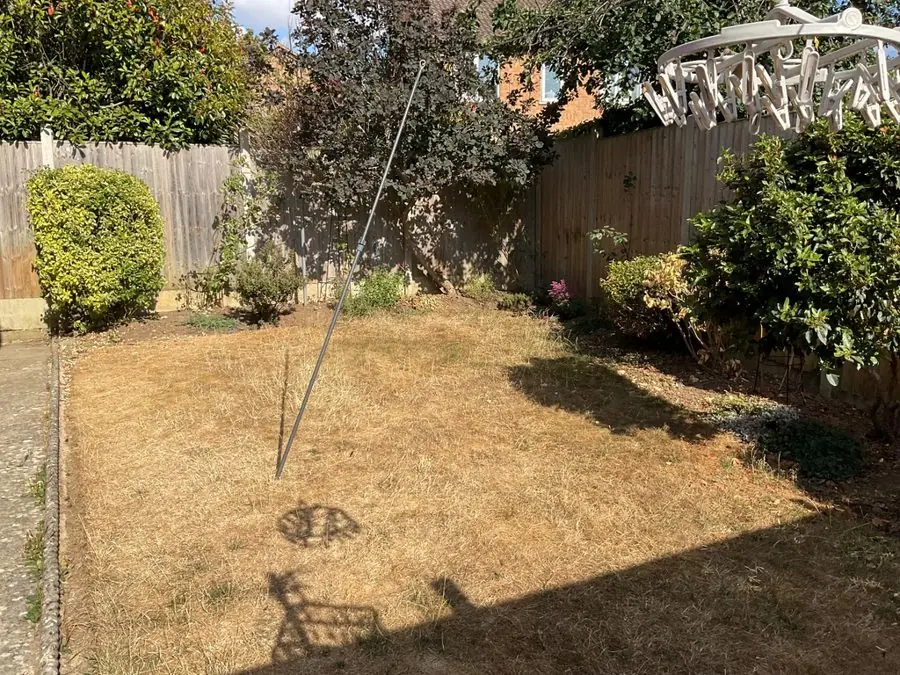
Before: a dry brown lawn with a clothesline, fence and shrubs
Get this yard →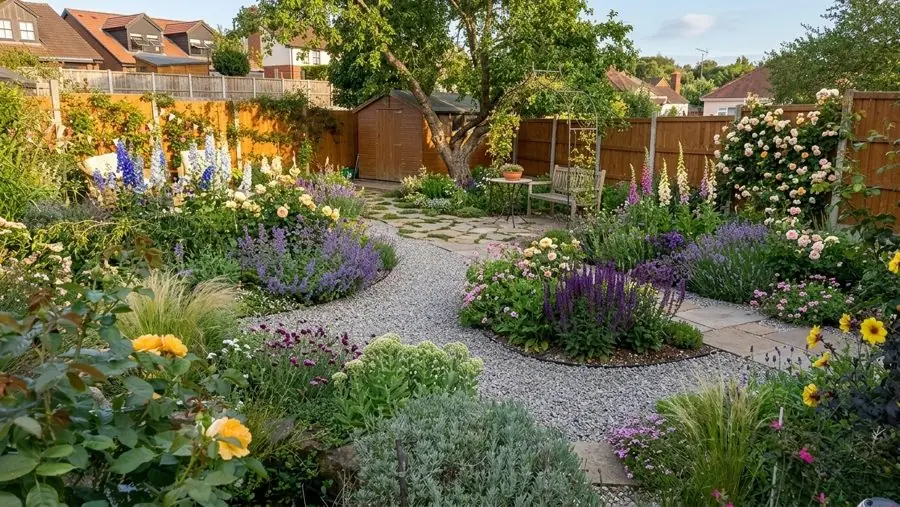
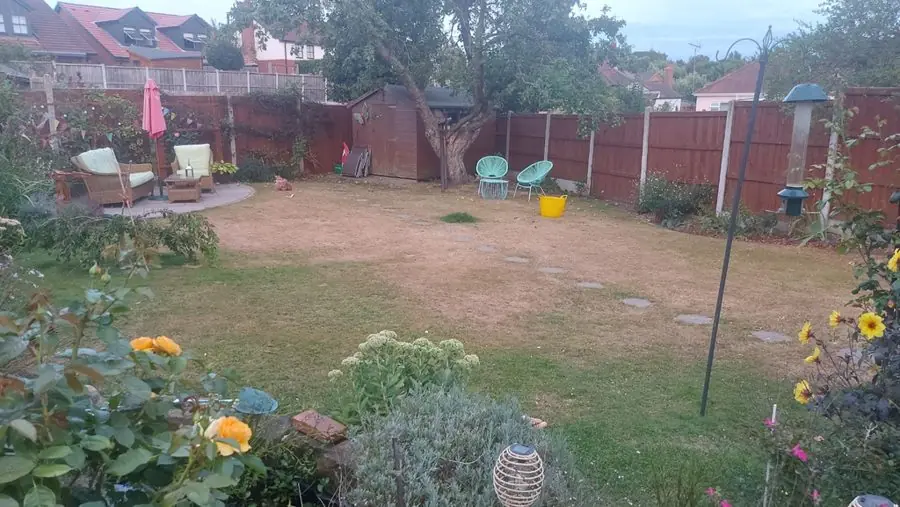
Before: a dry brown lawn with fences, a shed and garden chairs
Get this yard →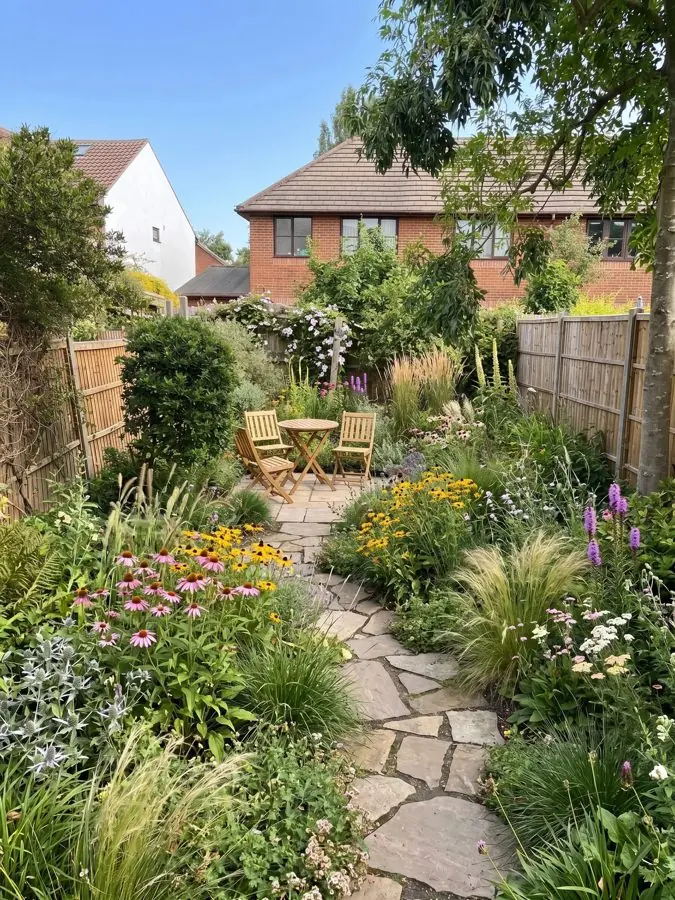
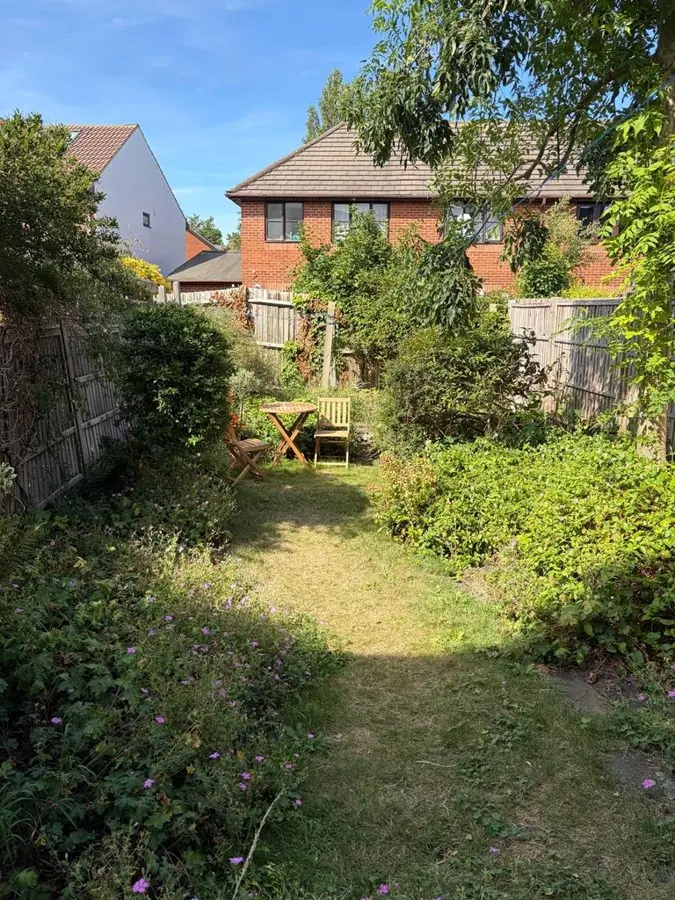
Before: a long overgrown grass path between shrubs and fences
Get this yard →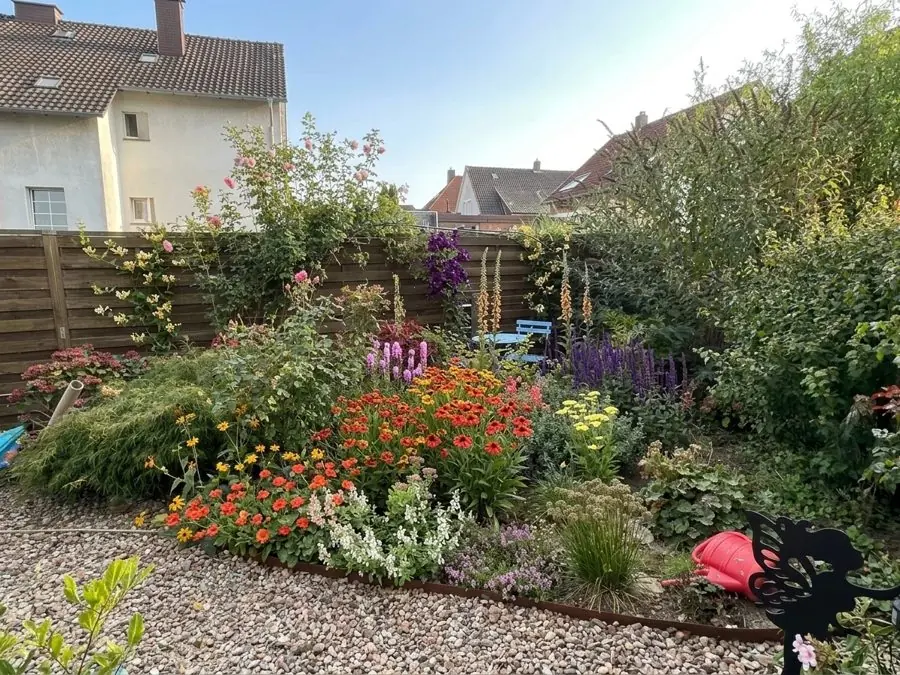
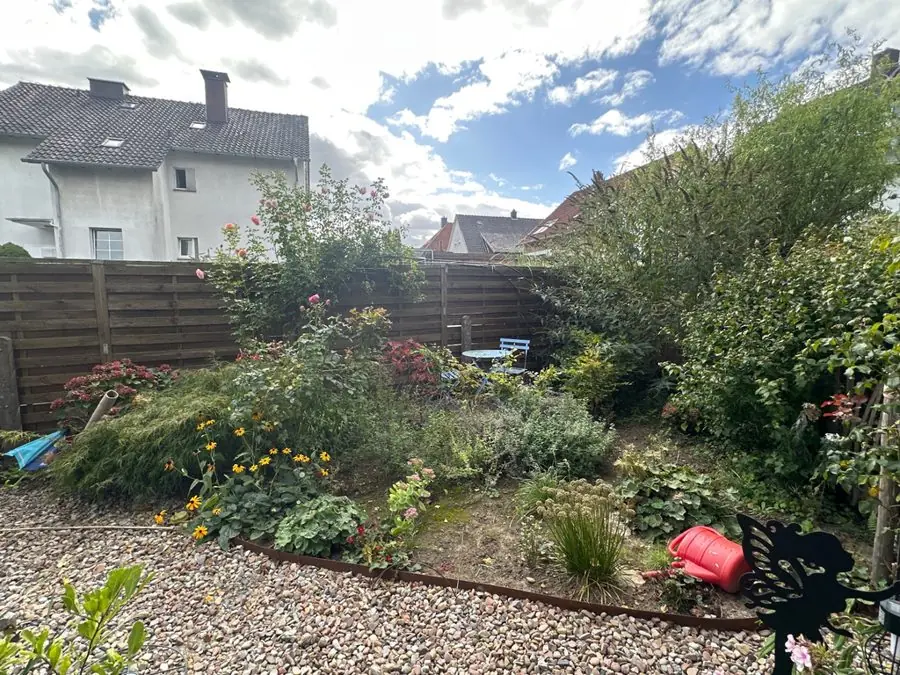
Before: a mixed border beside gravel, in front of a wooden fence
Get this yard →Each has climbers, such as roses or clematis, growing up the fence or a trellis, with a bed in front. 7 yards
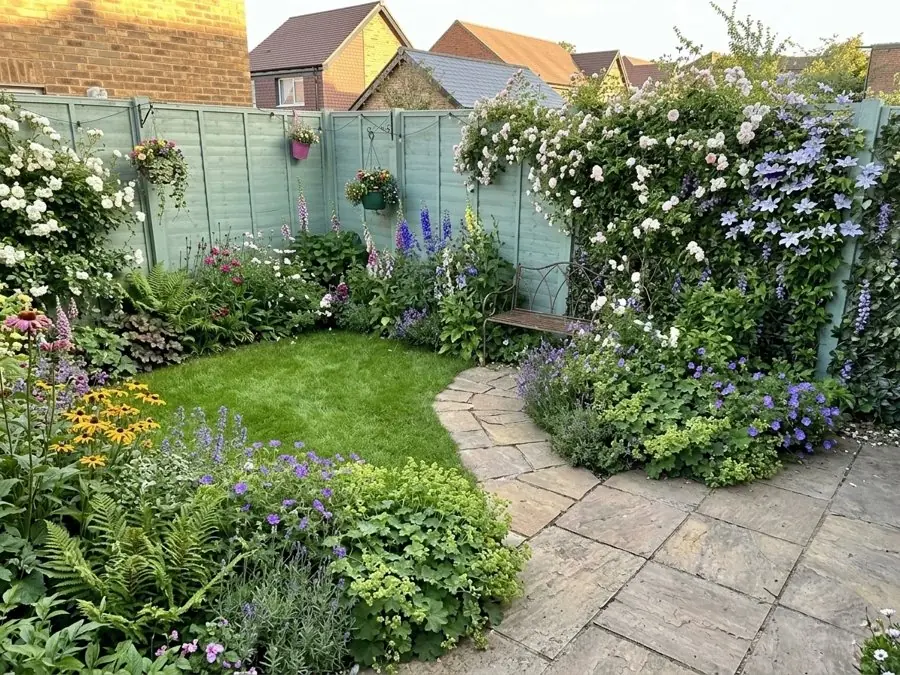
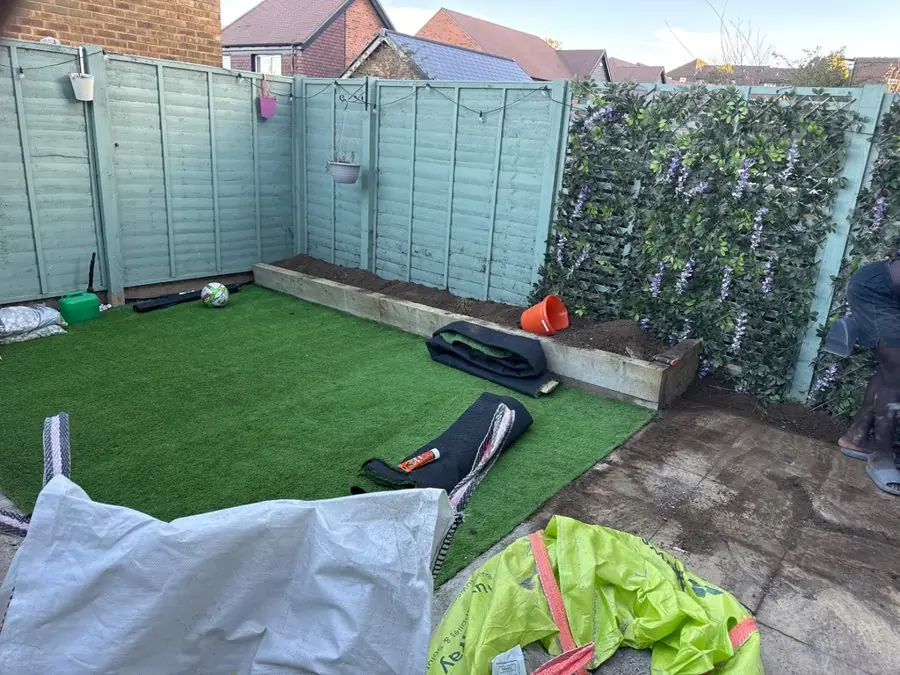
Before: artificial turf and an empty timber bed inside a painted fence
Get this yard →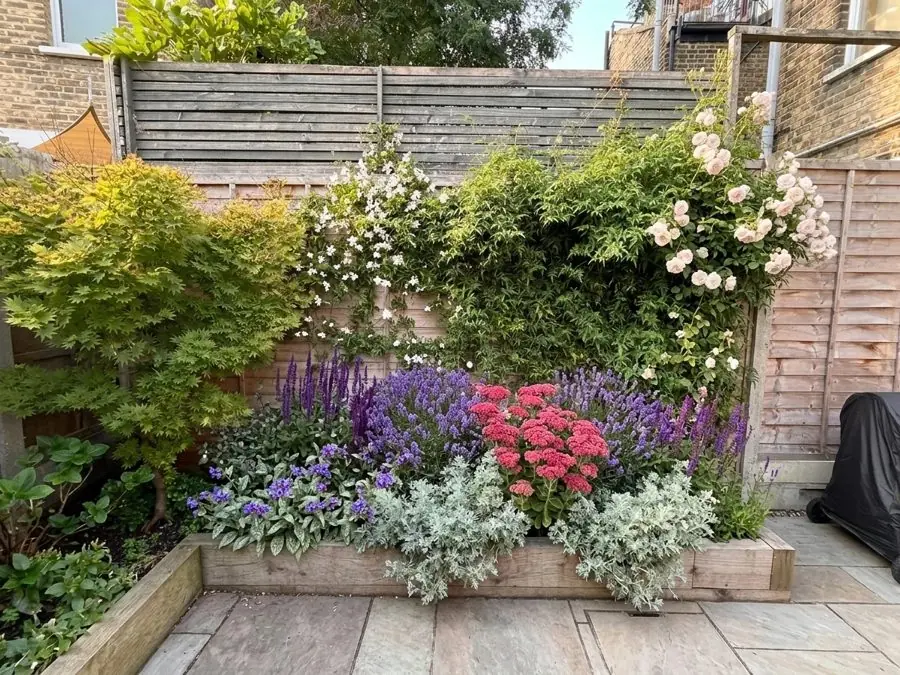
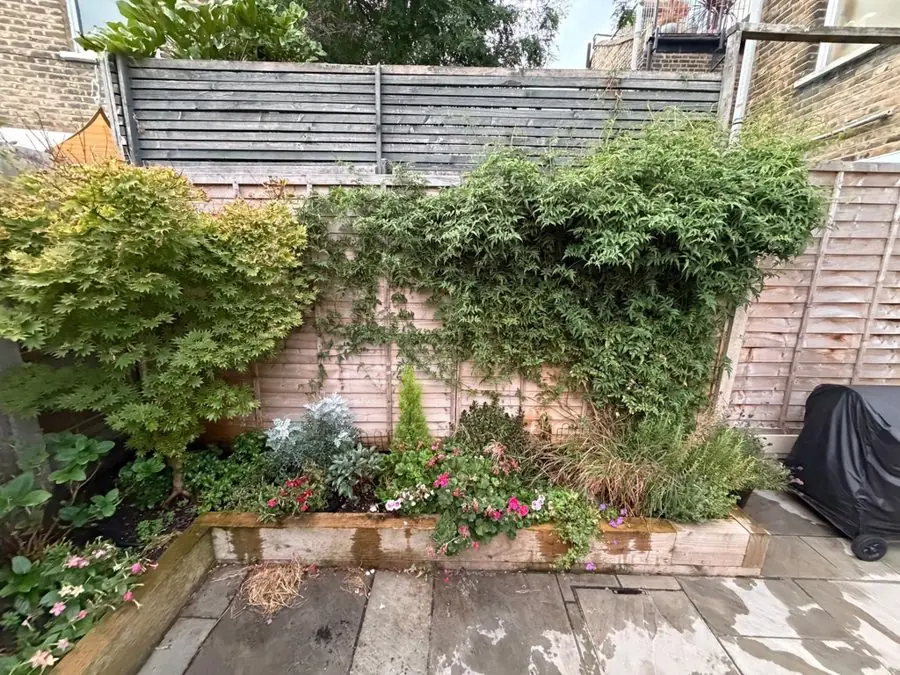
Before: a timber raised bed of mixed plants against a fence
Get this yard →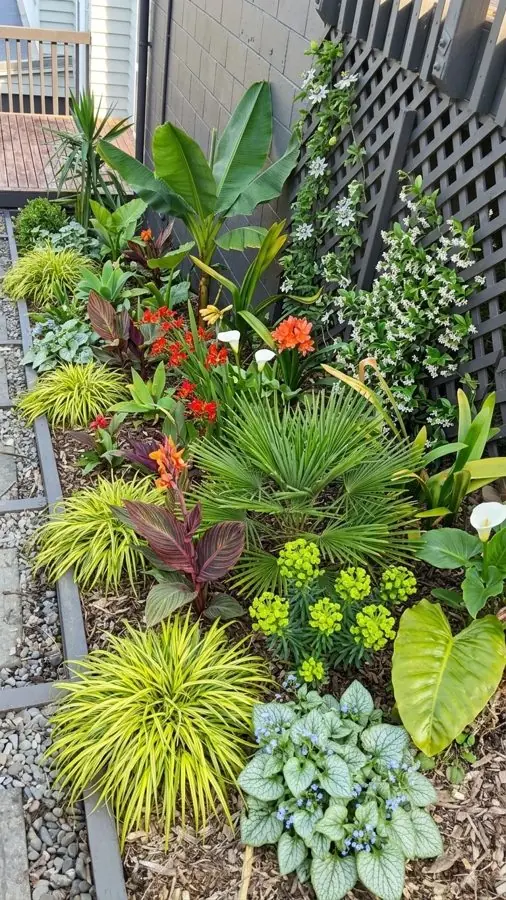
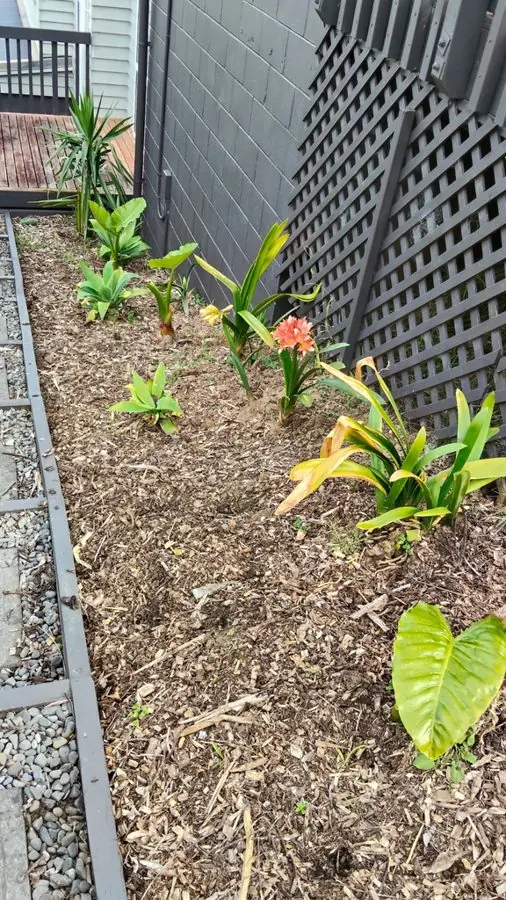
Before: a narrow bark bed with a few young plants by a trellis fence
Get this yard →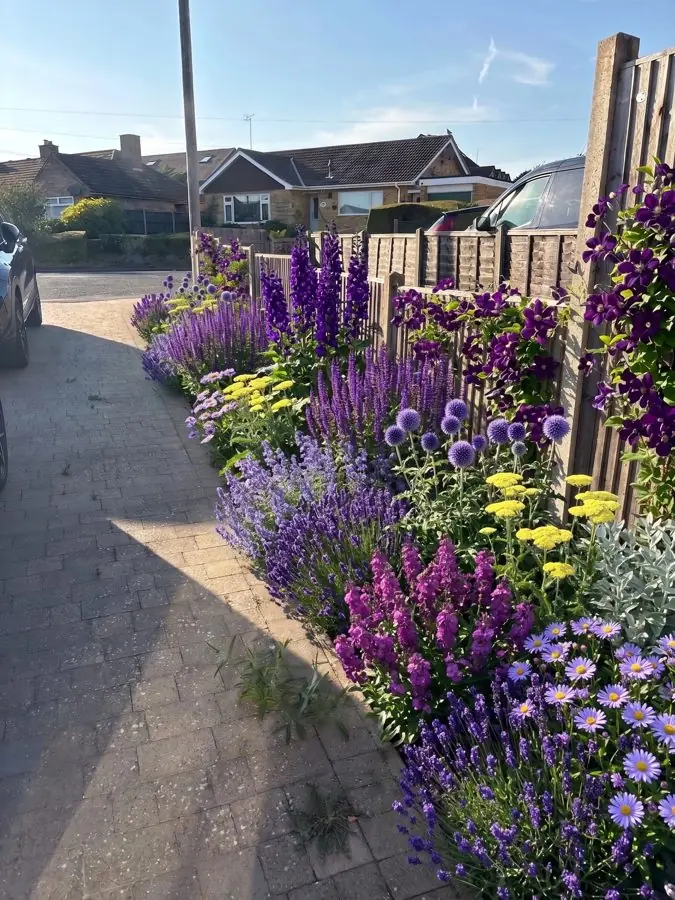
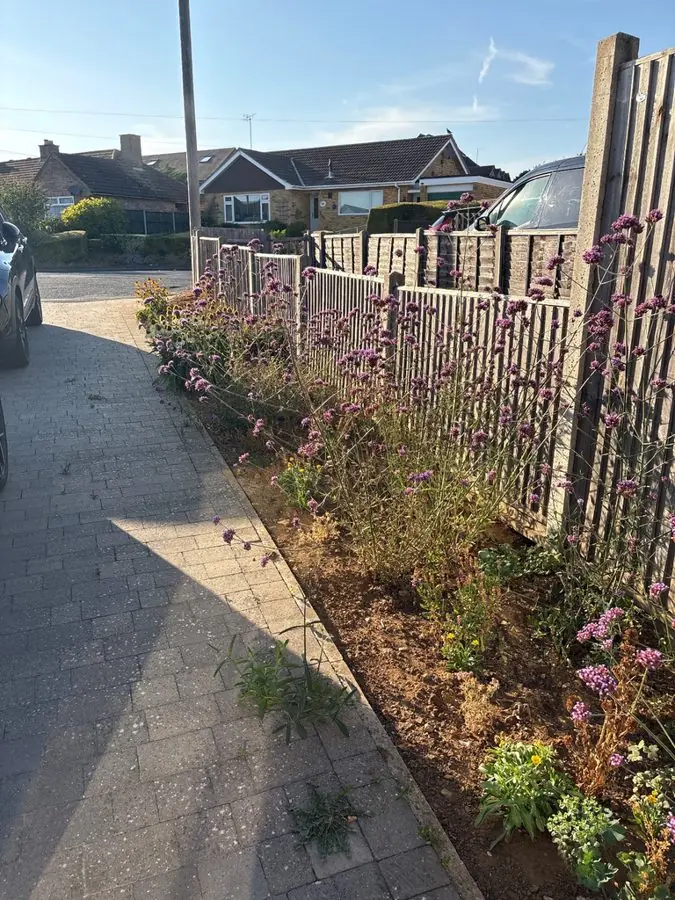
Before: a thin, weedy strip of plants along a fence beside a drive
Get this yard →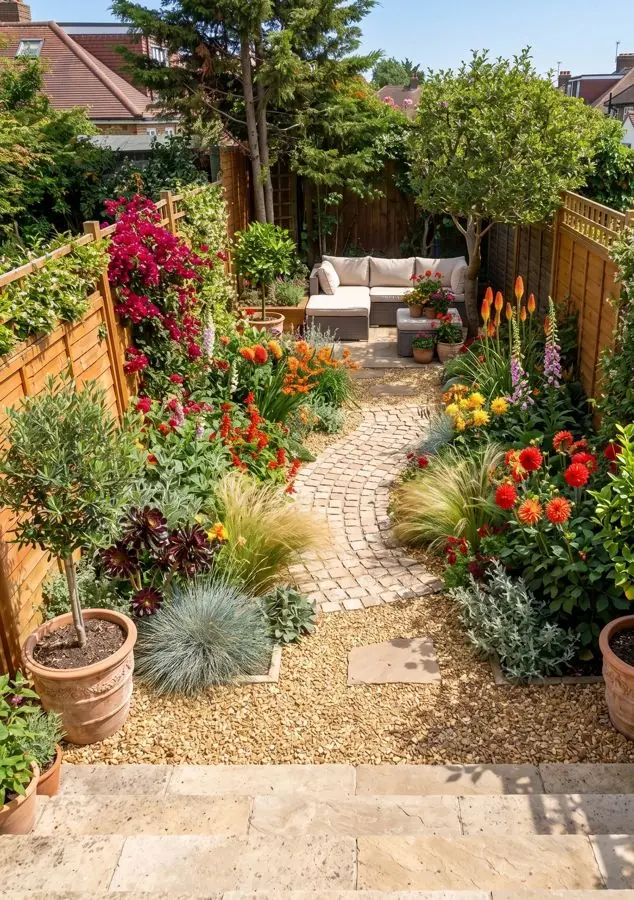
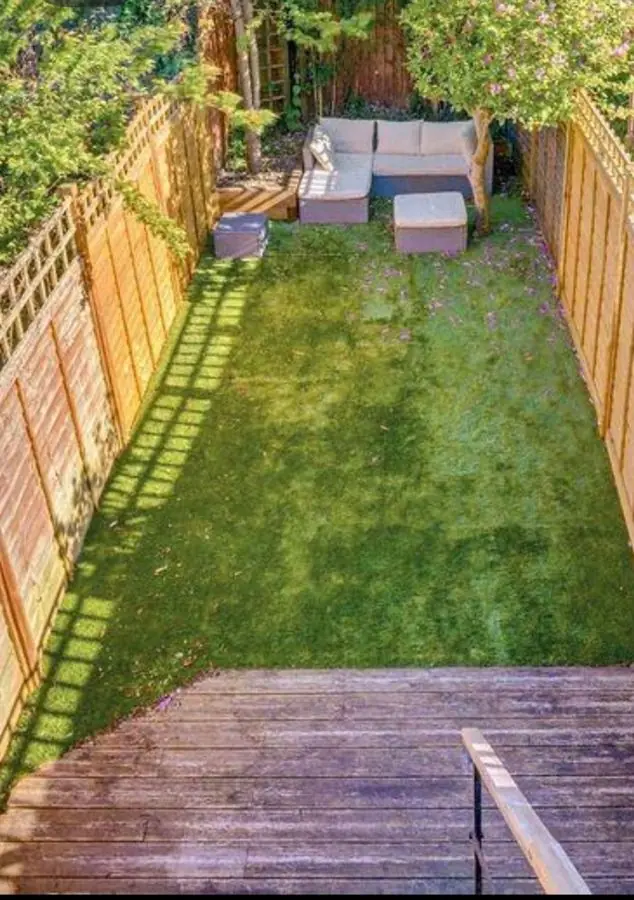
Before: artificial grass between fences, a deck step and a sofa set
Get this yard →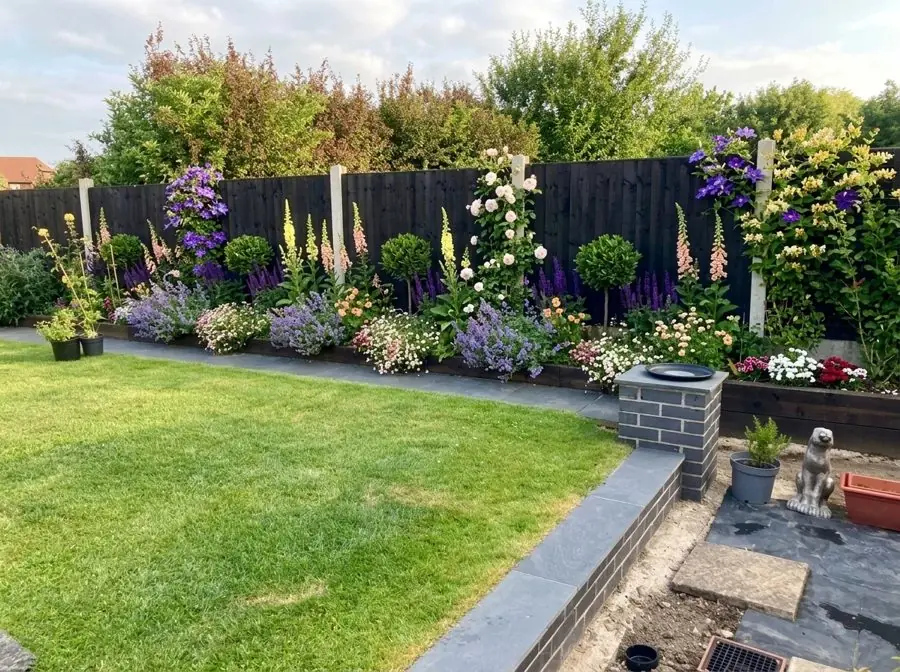
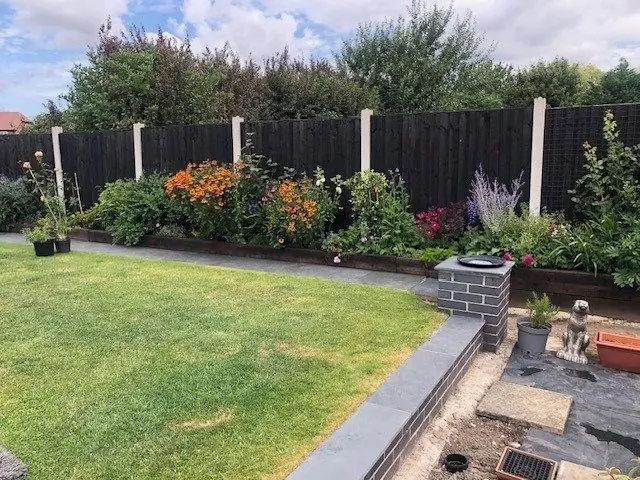
Before: a lawn with a border of orange flowers along a dark fence
Get this yard →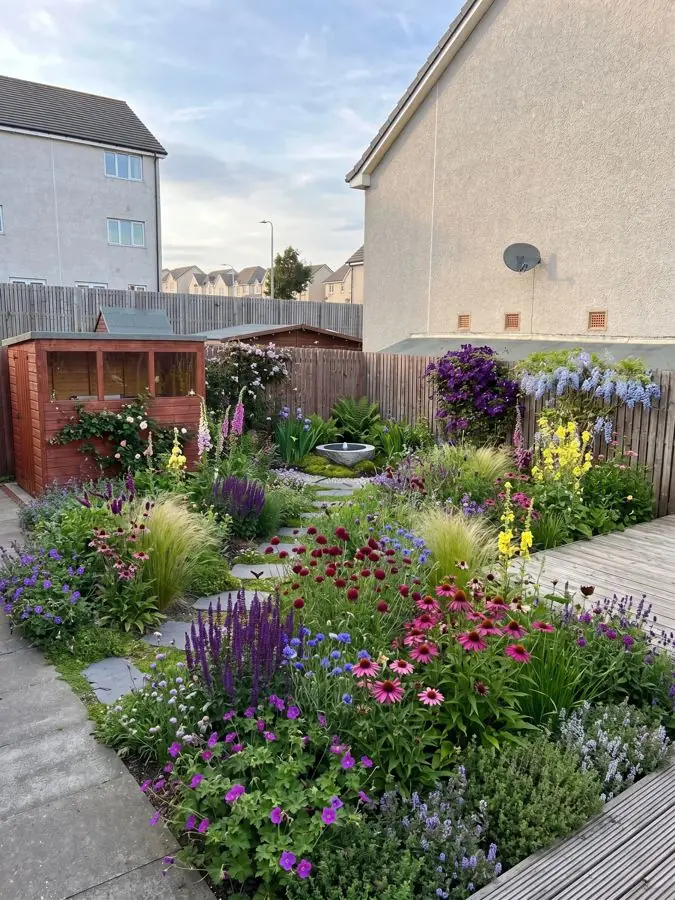
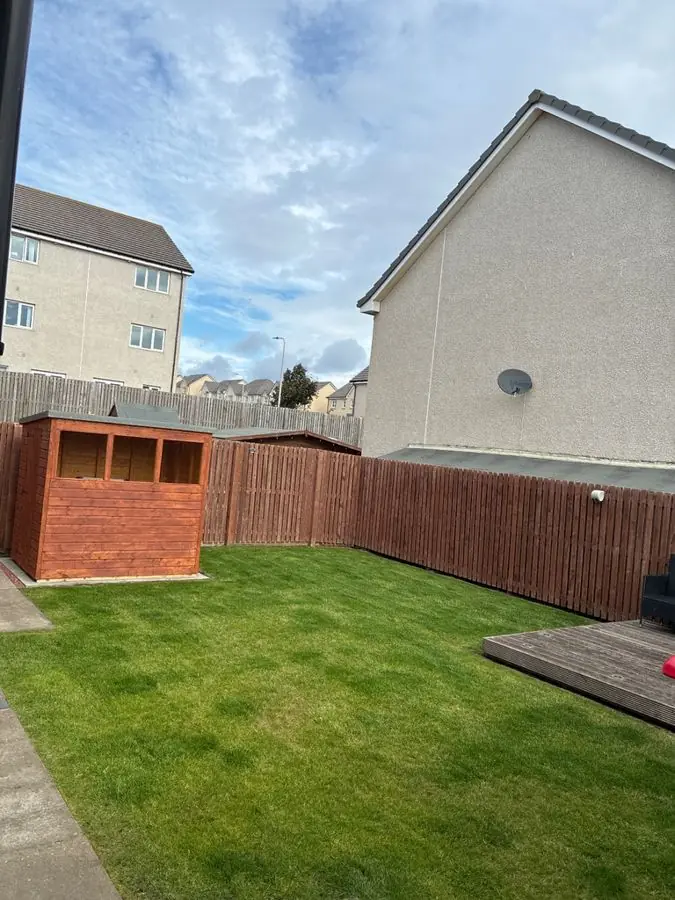
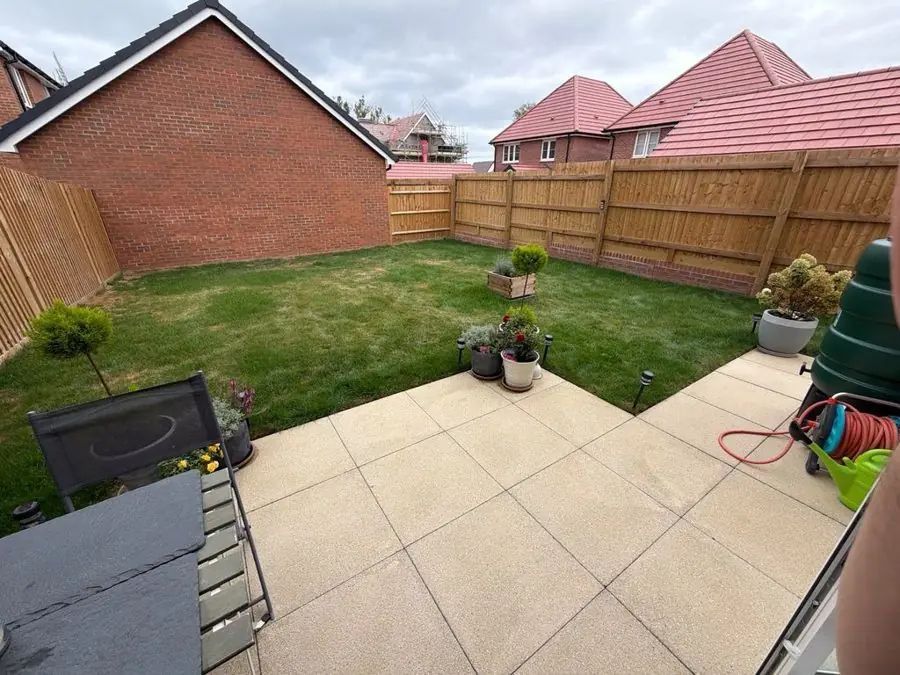
Before: a plain green lawn with a red shed and wooden fence
Get this yard →Each screens or softens the boundary with trees, a tall hedge or clipped evergreens. 5 yards
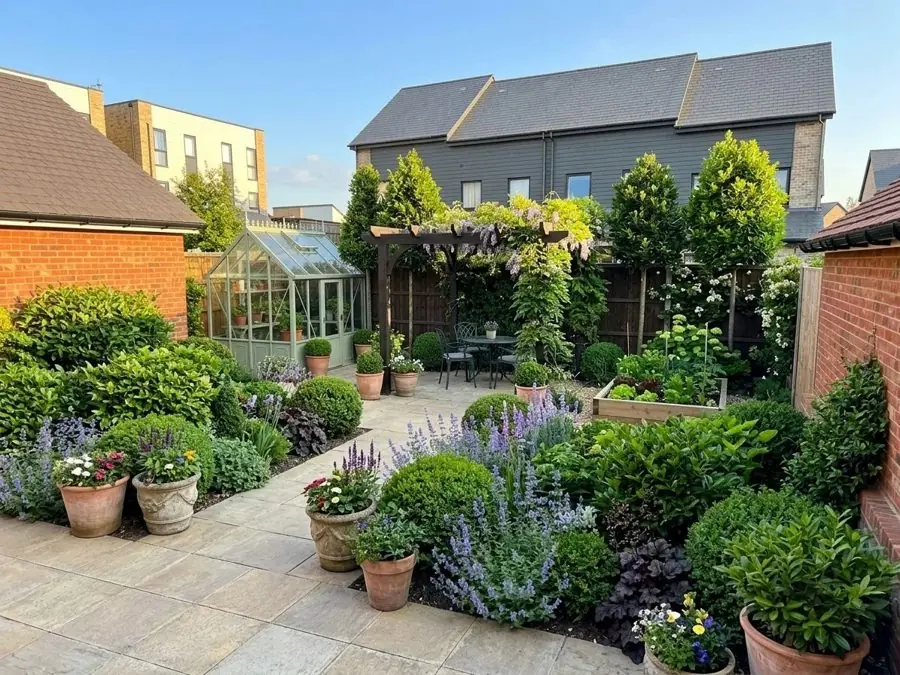
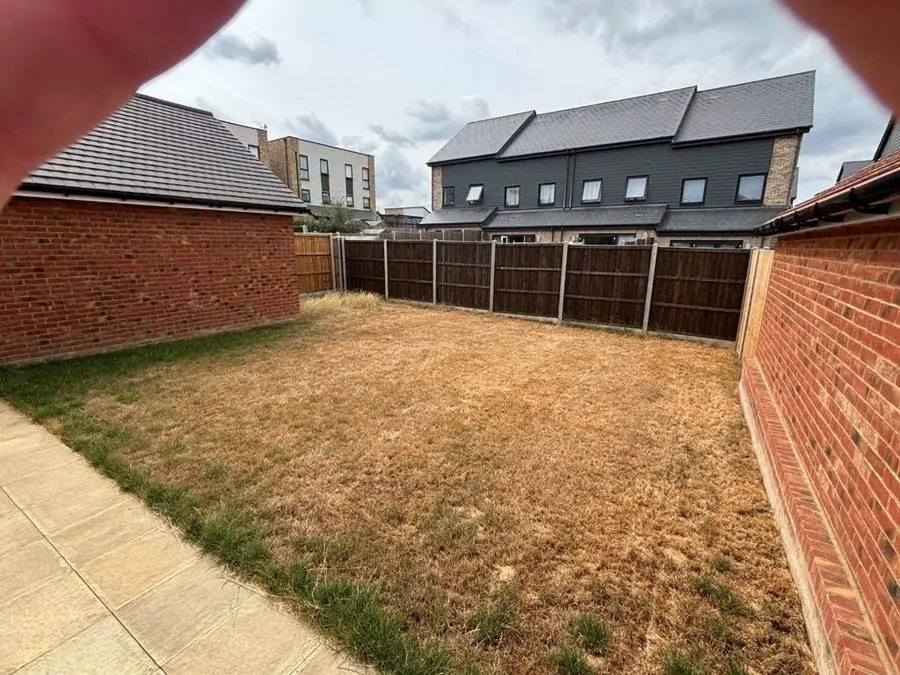
Before: a dry lawn behind a tall fence, overlooked by new houses
Get this yard →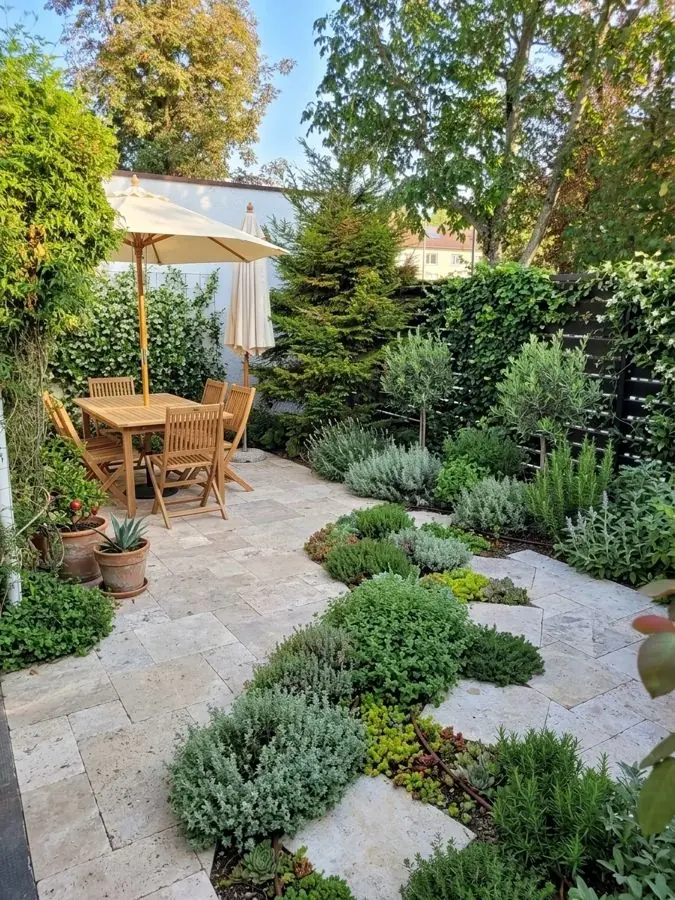
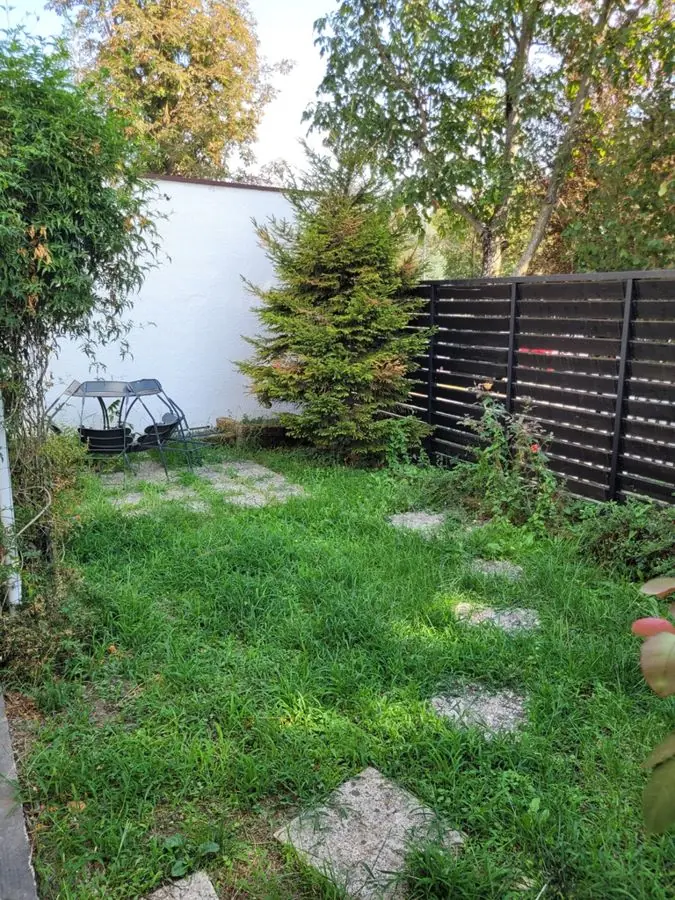
Before: a lawn with stepping stones, a white wall and a dark fence
Get this yard →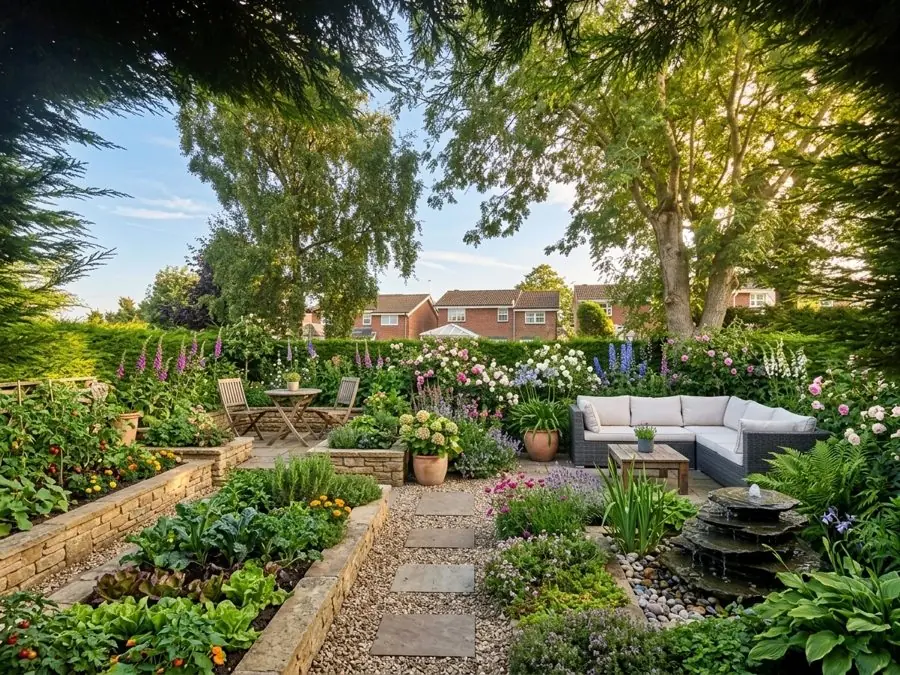
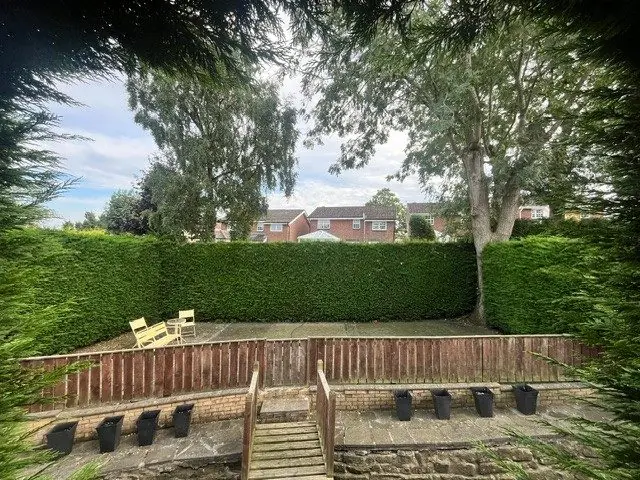
Before: A bare patio behind a low fence, with steps and black pots
Get this yard →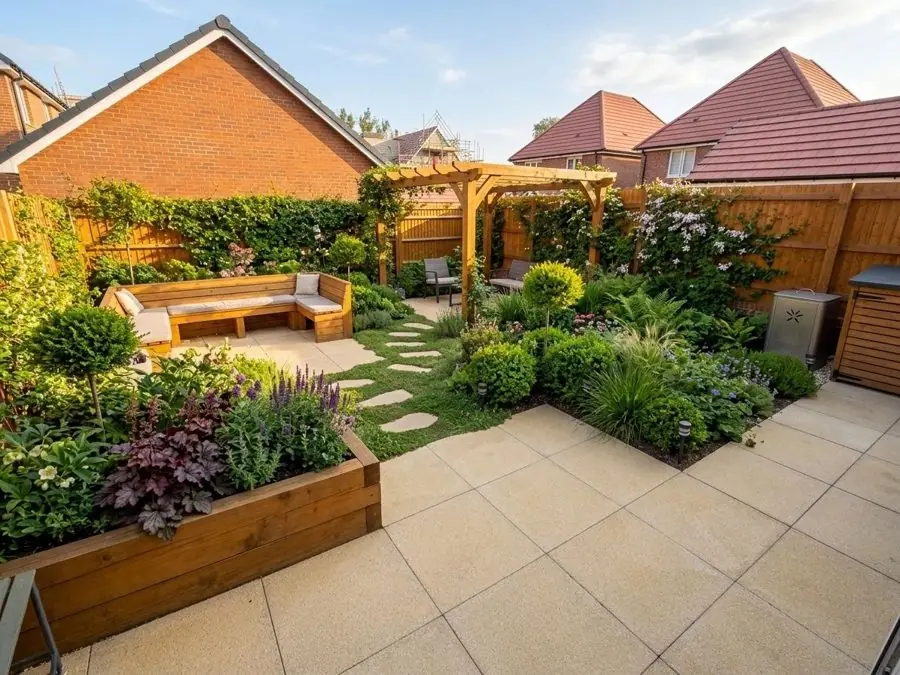
Before: a patchy lawn and patio by a tall fence, with houses beyond
Get this yard →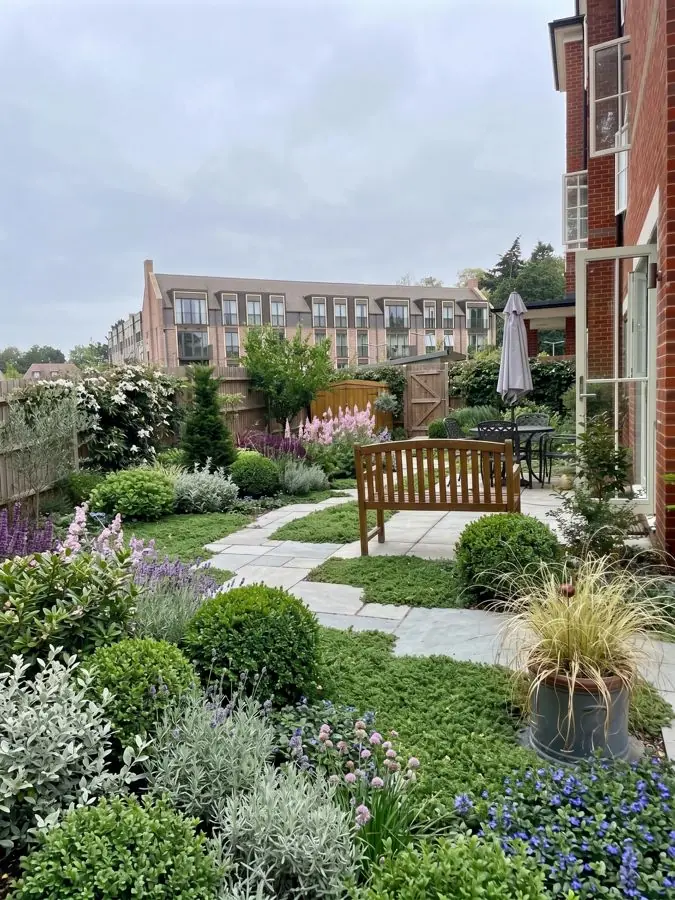
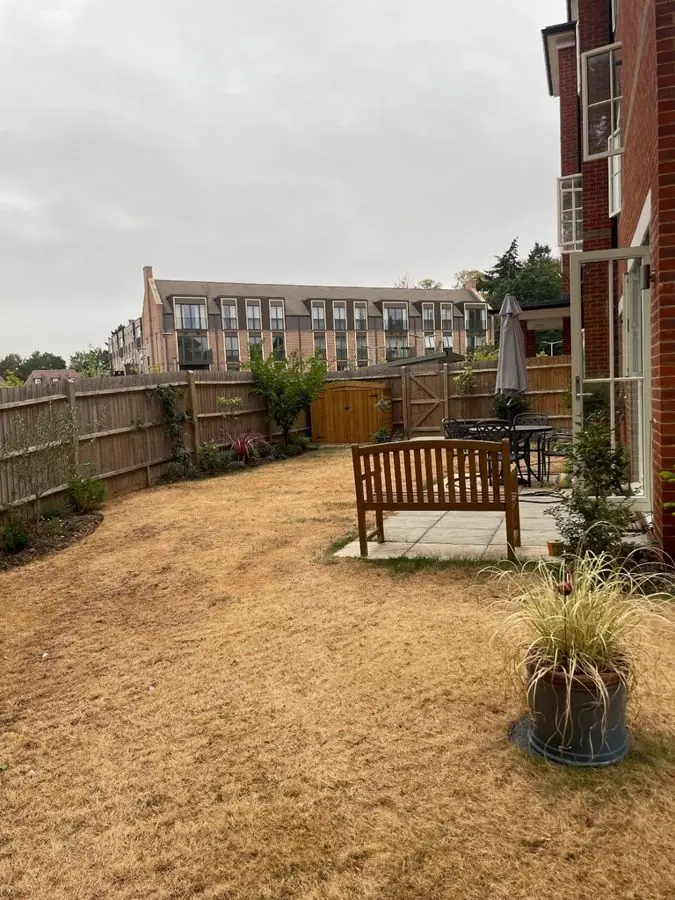
Before: a dry brown lawn with a bench, fence and potted grass
Get this yard →Take the photo from where you see the fence most, like the patio, the deck or the back door, so the whole run of fence and the ground in front of it are in the picture.
One photo from your phone is all it takes. Your ZIP code gives us your USDA zone, so the plants we pick can live through your winters.
Pick one of 15 styles and a color scheme, then ask for anything you want, like "a border of shrubs and climbers along the back fence" or "a row of small trees along the side fence". Keep your paths and patio, or start over with a new layout.
Your real yard, redesigned, in about a minute.
See your own yard redesigned first. When you find the look you love, Pro or Max plans turn it into a yard you can plant: $39 or $65 in the US, one payment.
See what goes into a planting plan before you choose.
Your first 3 designs are free.
Watermarked and lower quality. No card needed.
| One payment, no subscription. | ||
| What you get | ||
| Designs | 20 | 50 |
| Days to use them | 14 | 30 |
| Free designs on top | 5 | 10 |
| Designs at once, side by side | 2 | 4 |
| With every design | ||
| Every plant named, ready to buy | ||
| The materials, gravel to fence, with whole yard designs | ||
| Care guide and flowering calendar | ||
| Higher quality images | ||
| No watermark | ||
| Change any design in your own words | ||
The pot size to buy and how tall each grows. Measured borders also say how many to buy.
| Plant | Pot | Height |
|---|---|---|
| Catmint 'Walker's Low'Nepeta × faassenii | Quart to 1 gal | 4 to 20 in |
| Avens 'Totally Tangerine'Geum | 1 gal | 20 in to 3 ft |
| Giant montbretiaCrocosmia masoniorum | 1 gal | 3 to 5 ft |
| Tellmann's honeysuckleLonicera × tellmanniana | 1 to 2 gal | 8 to 13 ft |
Where it grows best, how to prune it and how it gets through winter.
Every plant, the months it flowers, in its own color.
Avens 'Totally Tangerine'
Catmint 'Walker's Low'
Clematis 'The President'
Lady's mantle
Higher quality images of your design, yours to keep.
 gardendesignapp.ai
Say what you want different, and see it redrawn.
On whole yard designs: the pavers, gravel, edging and fence in the picture.
Anywhere in the US, we take your ZIP code and choose plants suited to your zone, your light and your soil.
Where the property line is, what to plant and how far from the fence, climbers, trees and raised beds, what can go wrong and how to see it on your own yard first.
Landscaping along fence lines starts with knowing where the property line is and which side of the fence is yours. A fence is not always on the line, so check a survey or the plat for your lot rather than guessing; if you still are not sure, a licensed surveyor can mark it. Talk to your neighbor before you plant anything that will grow over or through the fence, since branches and roots do not stop at the line. Your HOA or city may have rules on fences and on what can grow near them, especially in a front yard or near a street corner where drivers need to see. Call 811 a few working days before you dig: buried gas, power, water and cable lines often run along property lines.
Most ideas for landscaping along a fence come down to one bed in front of it, planted in layers: taller shrubs or climbers against the fence, mid-height perennials and grasses in front of them and a low plant along the edge. A bed at least 3 feet deep gives room for those layers, and more if you want shrubs. A curved front edge softens a long, straight fence. Repeat the same shrub or grass every few feet so a long run looks planned rather than busy. Backyard fence line landscaping ideas often add a bench or a small seating spot against the fence where it catches the evening sun. If the budget is tight, a few shrubs in a bed of mulch or gravel look tidy while slower plants fill in. Most pictures you see online show beds that have had a few years to grow, so expect a new one to look sparse in its first year.
Good fence line plants suit the light the bed gets, and that depends on which way the fence runs and which side you are on: a bed on the north side of a tall fence can be in shade most of the day, while a bed facing south gets full sun and the heat off the boards. Plants for fence line beds usually mix a few evergreen shrubs for winter structure, perennials and grasses for color and movement, and something low along the front. Shrubs for fence line planting, such as hollies, hydrangeas or viburnums, are a good start where they suit your zone. Low maintenance plants for fence line beds are mostly shrubs and grasses that stay the size you need without much pruning, set in a layer of mulch so fewer weeds come through.
Space shrubs and trees by their size when grown, not their size in the pot. As a rough guide, set a shrub at least half its grown width out from the fence so it does not end up pressed against the boards, and leave a narrow gap behind the bed so air can move and you can reach the fence to repair or stain it. Air moving behind the plants also helps keep leaves dry and disease down. Gardening along a fence also means keeping wet mulch and soil off wooden boards and posts, which rot faster when they stay damp. Spread mulch 2 to 3 inches deep over the bed, but pull it back from the wood. Landscaping around fence posts is easiest with a strip of gravel or mulch below the bottom board, so a string trimmer does not have to work against the wood.
Climbers need something to hold on to. Clematis and honeysuckle twine around wires or a trellis, and climbing roses do not climb by themselves at all: their canes are tied in as they grow. Fix wires or a trellis an inch or two off the boards so air gets behind and you can still reach the fence. Avoid climbers that grow too strong for a fence. English ivy clings with roots that can work into wood, holds moisture against it and is invasive in many states, and Chinese wisteria is invasive in many states and gets heavy enough to need a strong support rather than a light fence. Check your state's invasive plant list before you plant any vine, and ask before training anything over a fence you share with a neighbor.
The best trees for a fence line are small or narrow ones that stay in scale when grown: upright evergreens, small flowering trees and trees that can be clipped. Good fence line trees are planted far enough out that the trunk and roots will not push against the posts as they thicken, so check the grown height and spread on the label, and keep big trees well away from the house and from power lines. Fence line privacy trees screen better set in a staggered row than in one straight line, which also leaves air between them. Trees for fence line privacy take years to fill in, so tall shrubs or a hedge give a quicker screen. Privacy trees along fence lines also shade your neighbor's yard and drop leaves on it, one more reason to talk first.
A raised flower bed along fence boards is a popular idea, and it is also where a lot of fence rot starts, because soil piled against wood stays wet. Build the bed as its own box with its own back wall, set a few inches off the fence, and never use the fence as one side of it. The same goes for a raised garden along fence lines for vegetables or herbs. Leave enough of a gap to get a hand or a brush behind the bed, and check the fence is sound before you build against it, since a bed makes it harder to repair later.
This draws a design and names plants. It does not survey your lot, find the property line, price anything, build or repair a fence, or plant or install anything. If you ask for a new fence or trellis in the picture, it is only drawn: someone still has to build it, and fences can have height and placement rules, so check with your city or HOA first. Call 811 before anyone digs. You can take the design to whoever does the work, or plant it yourself.

Love roses and foxgloves? See cottage garden ideas drawn into a photo of your yard.

Tired of mowing? See lawn alternatives like gravel, meadow and ground cover on your own yard.

Comparing tools? Here is how landscape design software that draws for you compares with drawing it yourself.

Got big trees or a shady corner? See shade garden ideas drawn into a photo of your yard.

On your phone? The landscape design app runs in your browser, with nothing to download.

Planning beds full of color? See flower bed ideas drawn into a photo of your yard.

Ready to plant? See what goes into a planting plan: every plant, how big each grows and where it goes.
Check where the property line is and talk to your neighbor first. Then plant a bed in layers, tall at the back and low at the front, with shrubs and trees set far enough out for their grown size, and mulch kept off the fence boards.
It depends on your zone and how much sun the bed gets. Most beds mix a few evergreen shrubs for structure, perennials and grasses for color and a climber or two on wires or a trellis.
Use fewer kinds of plants in bigger groups, mostly shrubs and grasses that stay the size you need, and cover the bare soil with mulch. A strip of gravel along the foot of the fence saves trimming against the wood.
It is a rule of thumb rather than a standard: plant in groups of three, five or seven of the same plant, because odd numbers tend to look more natural than pairs or rows.
Bushes that suit your zone and light and stay the width you have room for. Evergreens such as hollies give cover all year; flowering shrubs such as hydrangeas give summer color but lose their leaves in winter.
As a rough guide, at least half the plant's grown width, and more for trees. Leave a narrow gap behind the bed for air and for repairs.
Usually you can plant on your own land, but do not fix trellises or climbers to a fence that is not yours without asking. Check the property line on your survey or plat first.
Yes, it is free and recommended for any digging, and many states require it. Buried lines often run along property lines, so call a few working days ahead.
Add one photo, pick a style and ask for what you want, like "a border of shrubs and climbers along the back fence". You see your yard redesigned in about a minute, and your first 3 designs are free.
It cannot find your property line: landscaping along a fence line starts with your survey or plat. It can draw a fence or trellis into the picture if you ask, but it does not plan how to build one, and someone still has to build it.
Your ZIP code gives us your USDA zone and your summer heat, and the plants come from a list of more than 1,400 chosen for your winters, your light and your soil.
No. It runs in your browser, on a phone or a computer.
Add one photo of your yard and see it redesigned in about a minute. Your first 3 designs are free, with no card.
Design my yard